 English
 中文简体
中文简体Why Plush Dolls Are Becoming Emotional Support Companions in 2026?
2026-06-03
In 2026, soft plush dolls are no longer seen purely as children's toys — they have evolved into widely recognized emotional support companions used by people of all ages. Research from behavioral health institutions and consumer surveys consistently shows that tactile comfort objects, particularly anxiety relief plush toys, help reduce cortisol levels, ease social anxiety, and improve sleep quality. The shift is not a passing trend; it reflects a deeper cultural change in how people understand mental wellness and the role of sensory comfort in everyday life.
The answer is clear: plush dolls have become emotional support companions because they deliver measurable psychological benefits through soft texture, familiar form, and unconditional presence — at a fraction of the complexity of other wellness tools. Whether you are a retailer, a gift buyer, or a brand exploring custom plush toy OEM production, understanding this trend helps you serve a market that is growing meaningfully year over year.
Content
- 1 The Science Behind Plush Dolls and Emotional Comfort
- 2 Plush Dolls vs. Other Comfort Tools: A Practical Comparison
- 3 Who Uses Plush Dolls for Emotional Support and How
- 4 How to Choose the Right Plush Doll: Buyer's Guide for Retailers and Individuals
- 5 Care, Hygiene, and Safety: Keeping Plush Companions in Top Condition
- 6 About Kusibei: Your Professional Plush Toy Manufacturing Partner
- 7 Frequently Asked Questions
The Science Behind Plush Dolls and Emotional Comfort
The therapeutic value of stuffed animal toys is rooted in well-documented neuroscience and developmental psychology. When a person holds or hugs a soft object, the skin's mechanoreceptors transmit signals through the peripheral nervous system to the brain's insular cortex, triggering a parasympathetic response — commonly described as the "rest and digest" state. Heart rate slows, blood pressure drops, and the subjective sensation of stress decreases. This is the same biological pathway activated by human physical touch, which is why the effect is particularly pronounced in individuals experiencing loneliness or social isolation.
Tactile Stimulation and the Nervous System
The texture of high-quality cute plush toys plays a more significant role than most buyers realize. Ultra-soft fabrics with pile heights of 15–25 mm activate CT (C-tactile) afferent nerve fibers, which are specifically associated with social and affiliative touch. These fibers respond most strongly to gentle, slow-moving contact — precisely the kind that occurs when someone strokes or squeezes a plush doll. Studies at Gothenburg University found that CT fiber stimulation releases oxytocin at rates comparable to gentle human touch, explaining why many adults describe feeling genuinely calmed by holding a soft plush companion.
Object Constancy and Emotional Anchoring
Psychologist D.W. Winnicott introduced the concept of "transitional objects" — items that bridge the gap between self and environment, providing psychological security during transitions or periods of stress. Plush dolls function as archetypal transitional objects. Their consistent physical presence, unchanging appearance, and non-judgmental nature make them uniquely effective anchors for people managing anxiety, grief, or chronic loneliness. In 2025 consumer research by YouGov, 34% of adults in the United States reported owning at least one stuffed animal specifically for emotional comfort — a figure that has risen steadily since 2020.
The steady upward trajectory in adult plush ownership for emotional comfort reflects a broader cultural shift — one accelerated by increased public discourse around mental health and the residual effects of pandemic-related social isolation. The growth from 18% in 2019 to an estimated 38% in 2026 represents more than a doubled user base in seven years, underscoring why anxiety relief plush toys have become a legitimate product category rather than a niche novelty. Retailers and wholesale plush toy buyers who position their offerings around emotional wellbeing are well-placed to capture this expanding demand.
Why Adults — Not Just Children — Embrace Plush Companions
The generational stigma around adults owning plush toys has diminished significantly. Therapists — particularly those practicing Acceptance and Commitment Therapy (ACT) and Dialectical Behavior Therapy (DBT) — actively recommend comfort objects as grounding tools. Social media communities around "stuffed animal collecting" and "plushie therapy" have normalized the behavior further, with dedicated subreddits and TikTok communities reaching audiences in the tens of millions. The result is a rapidly maturing market where design sophistication, material quality, and customization options have become differentiating factors alongside the emotional value of the product itself.
Plush Dolls vs. Other Comfort Tools: A Practical Comparison
When evaluating emotional support tools, consumers and clinicians consider portability, accessibility, cost, social acceptability, and the consistency of the calming effect. Soft plush dolls perform remarkably well across most of these dimensions compared to alternatives such as weighted blankets, stress balls, meditation apps, and fidget devices.
| Criterion | Plush Doll | Weighted Blanket | Stress Ball | Meditation App |
|---|---|---|---|---|
| Portability | High | Low | High | High |
| No Screen Required | Yes | Yes | Yes | No |
| Tactile Comfort | Very High | High | Moderate | None |
| Emotional Attachment | Very High | Low | Low | Moderate |
| Suitability for All Ages | All Ages | Adult / Teen | Adult / Teen | Teen / Adult |
| Customizable Appearance | Highly Customizable | Limited | Limited | N/A |
The radar chart highlights a critical insight: plush dolls achieve the highest combined score across tactile comfort, emotional attachment, and versatility, making them the most balanced emotional support tool among the three evaluated options. While weighted blankets match plush dolls on calming effect, their low portability score means they cannot be used on-the-go — a significant limitation for anxiety management during commutes, school, or travel. Stress balls offer portability but lack the attachment dimension that makes plush companions uniquely effective as long-term comfort objects.
The Role of Personalization in Emotional Bonding
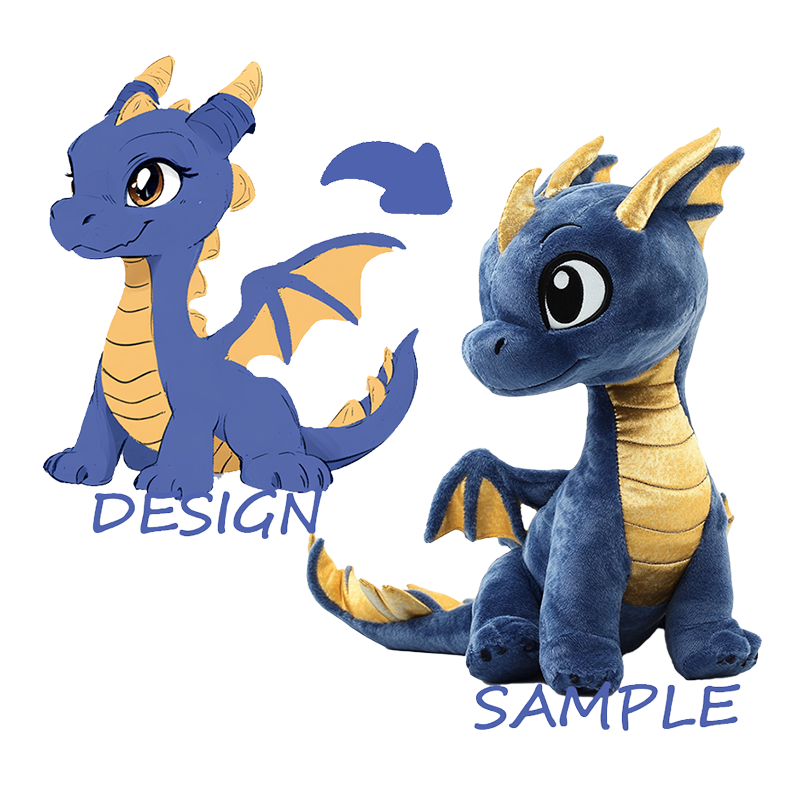
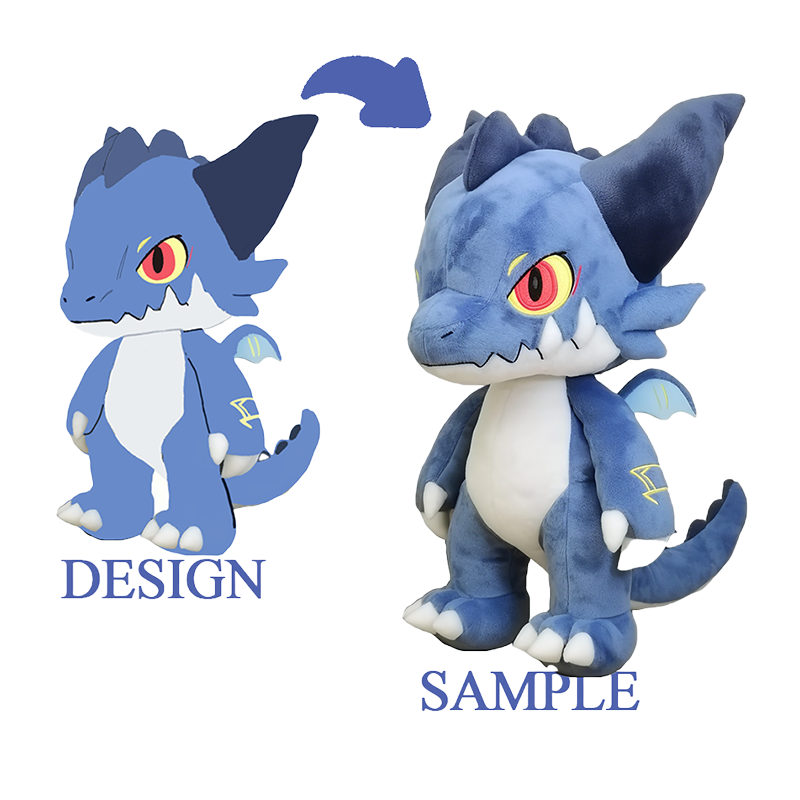
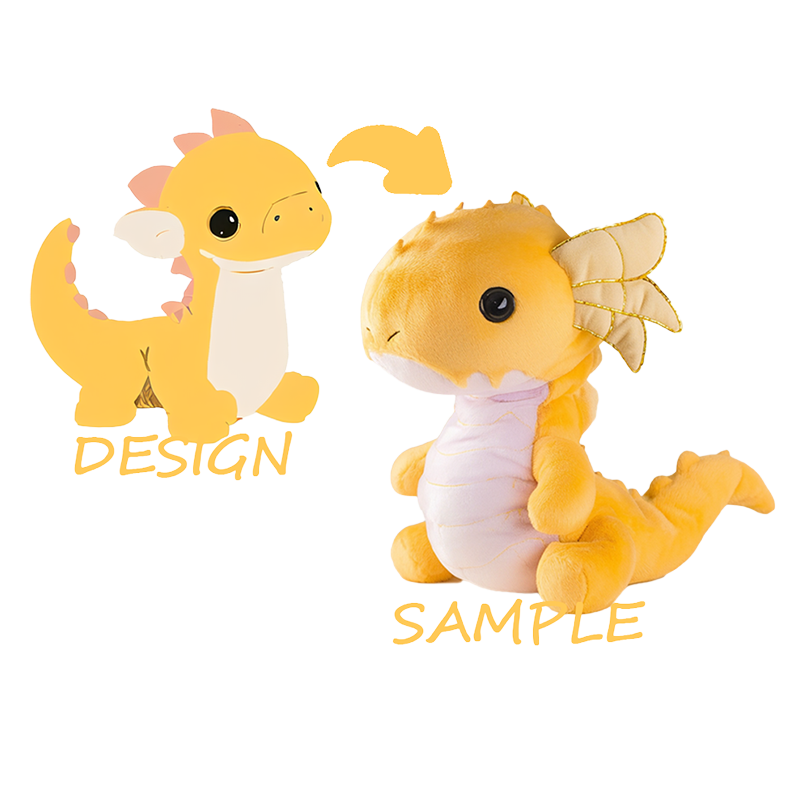
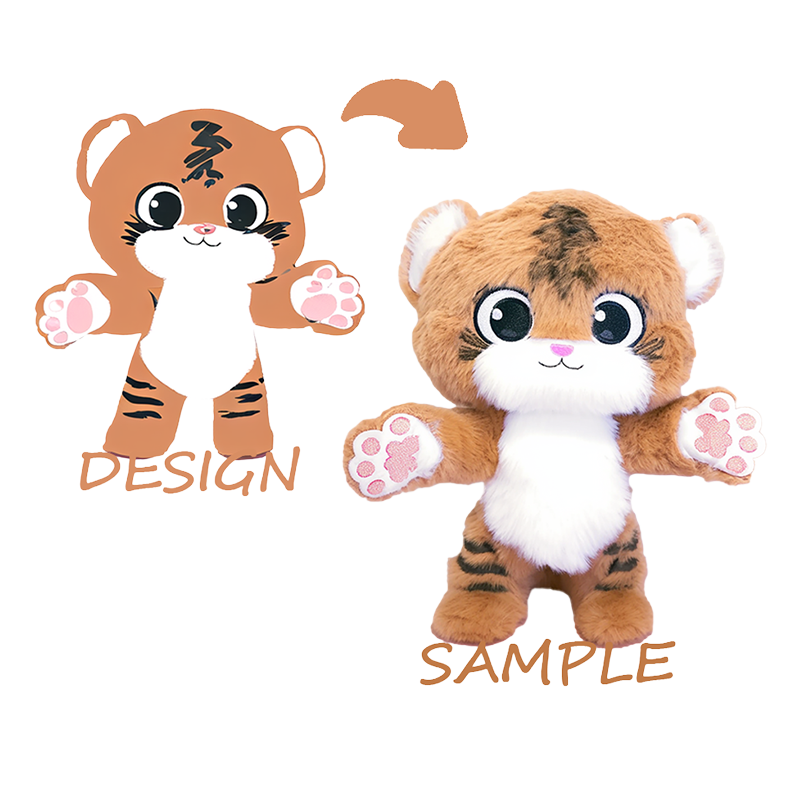
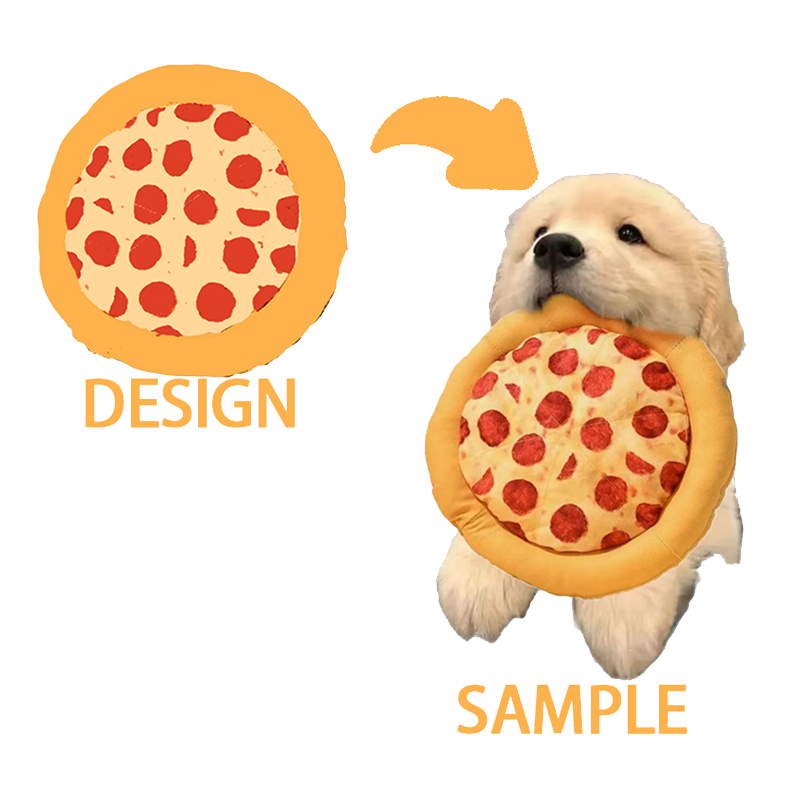
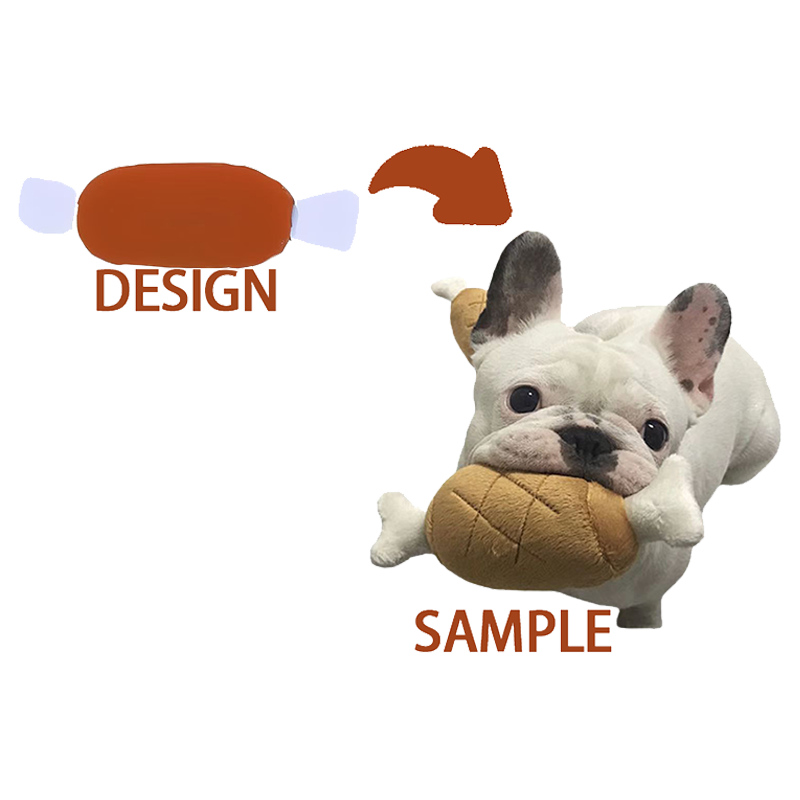
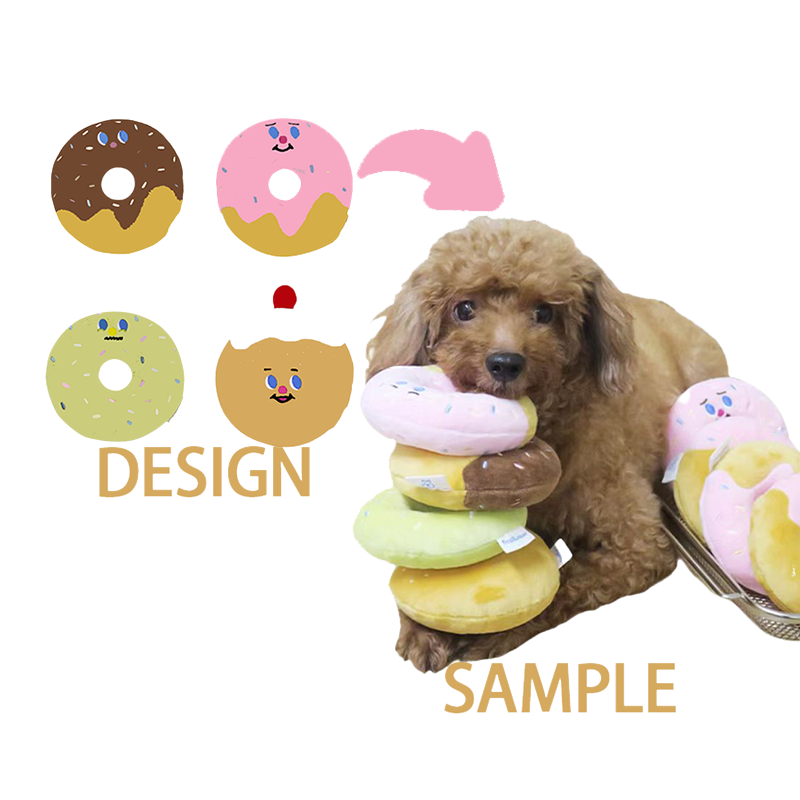
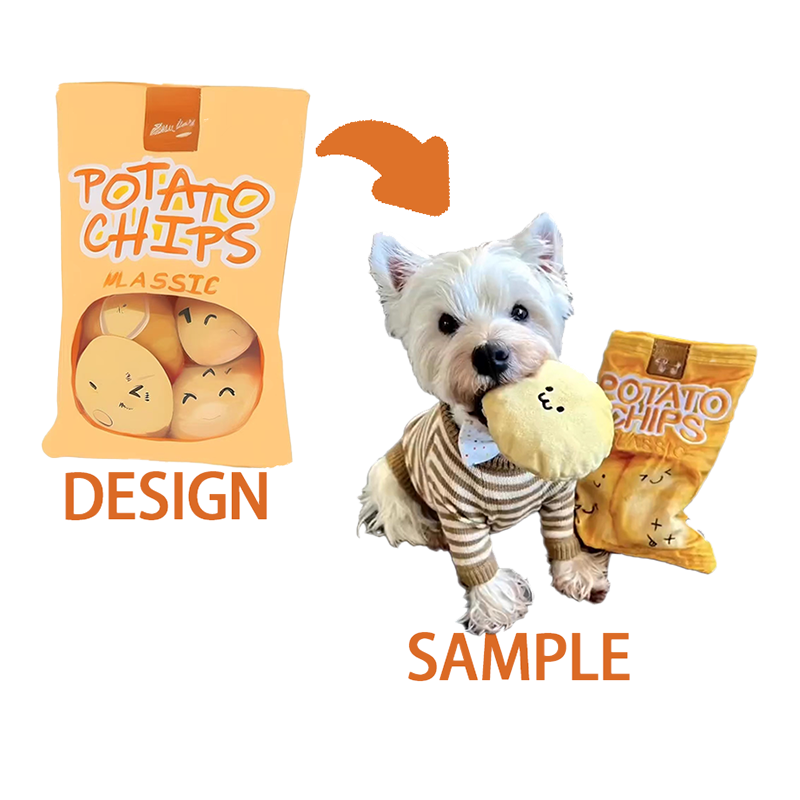
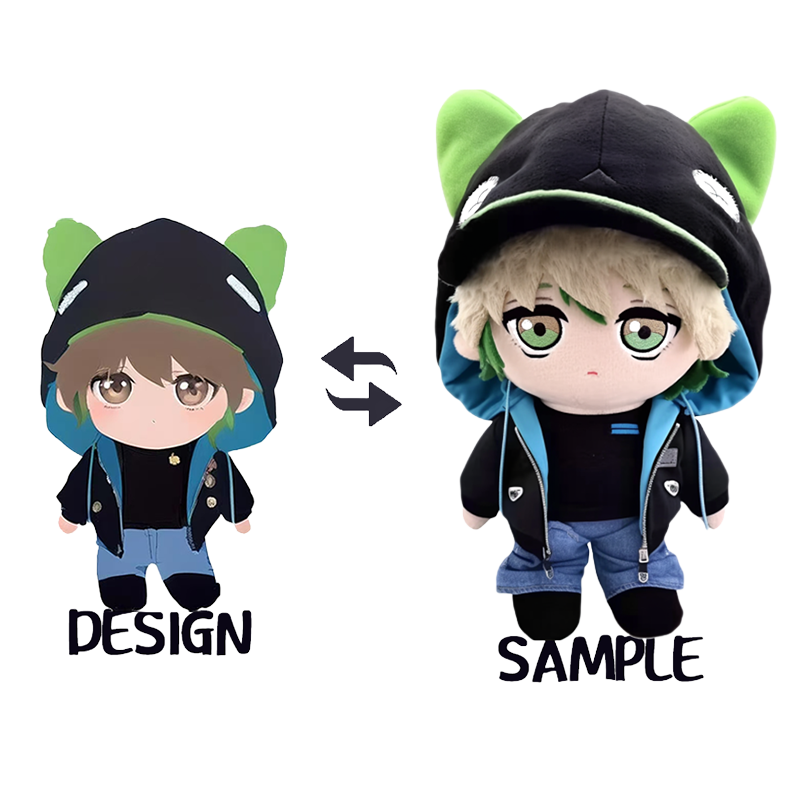
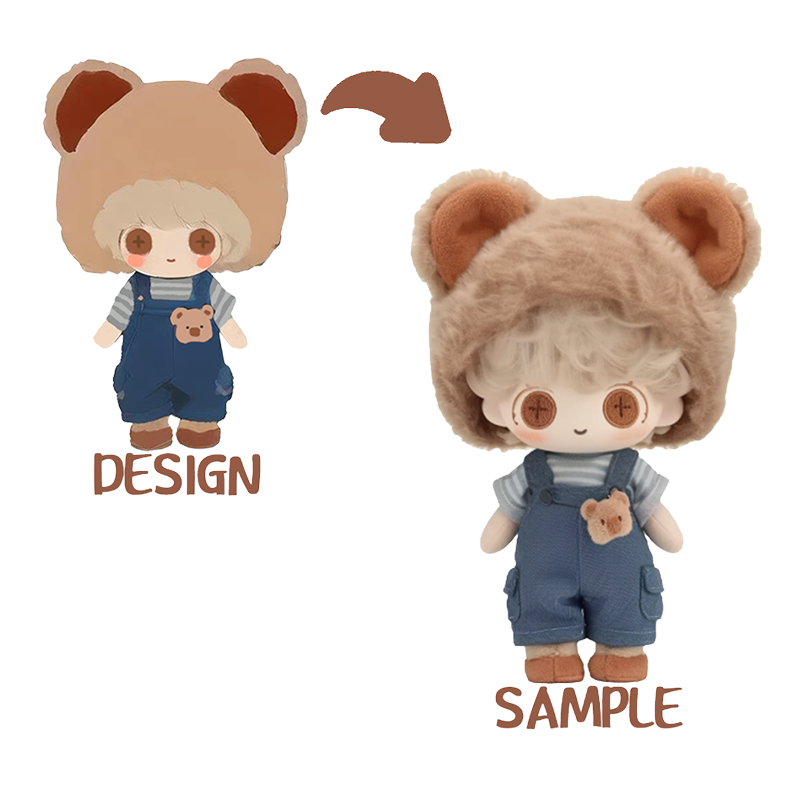
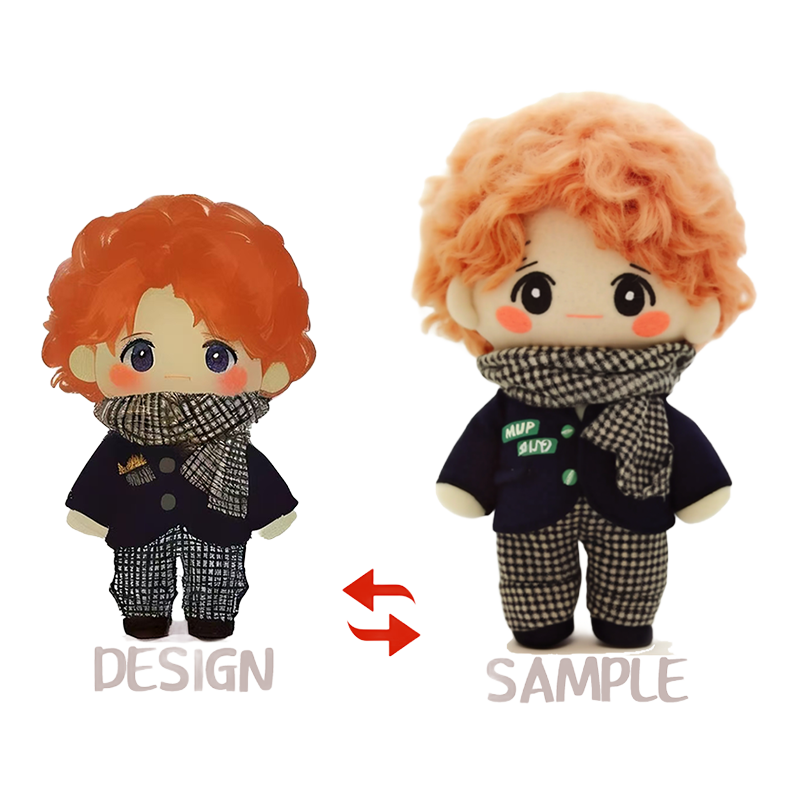
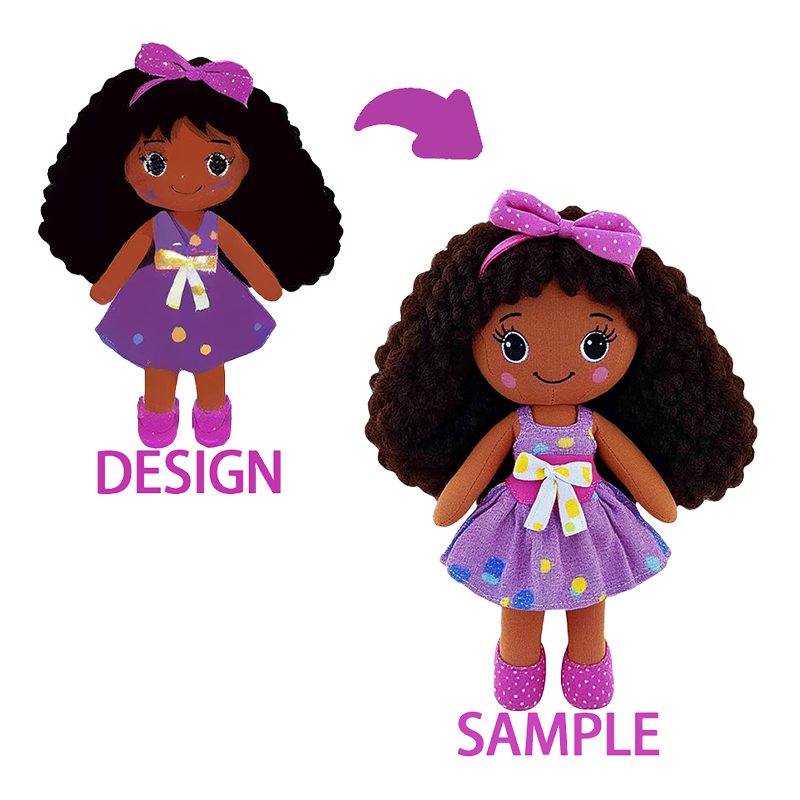
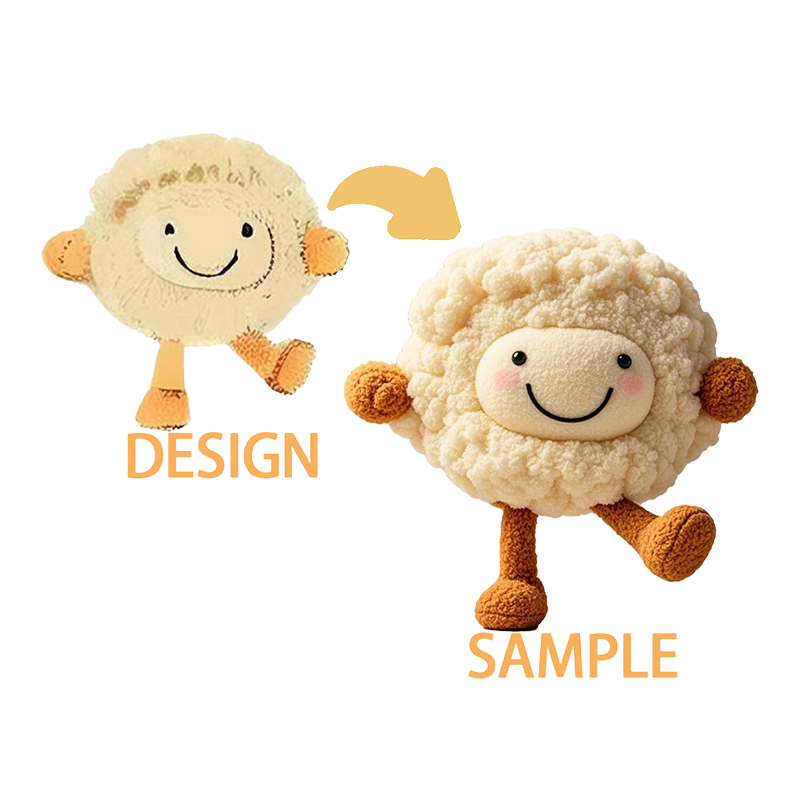
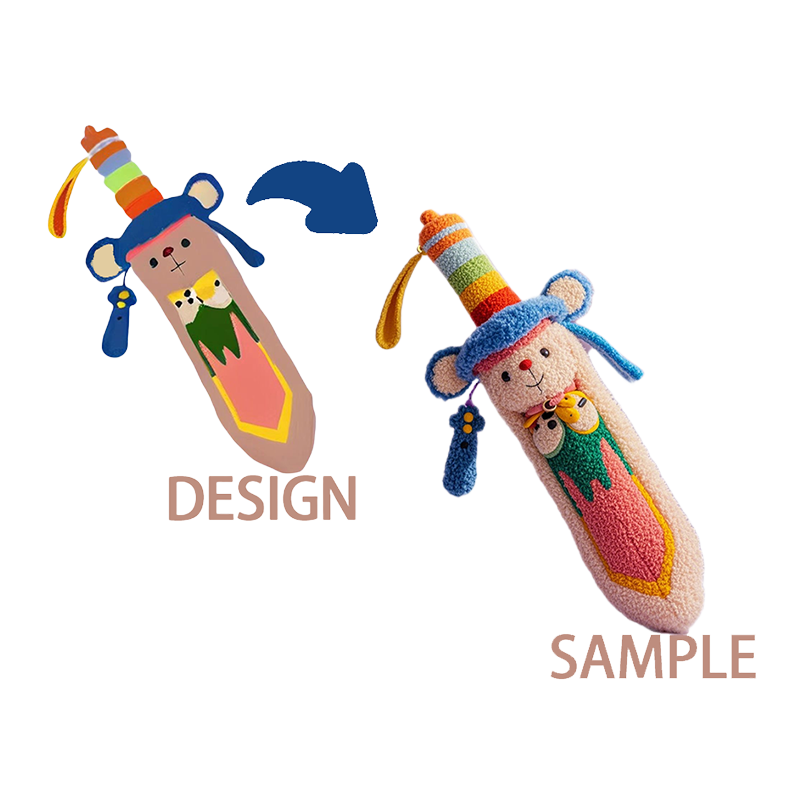
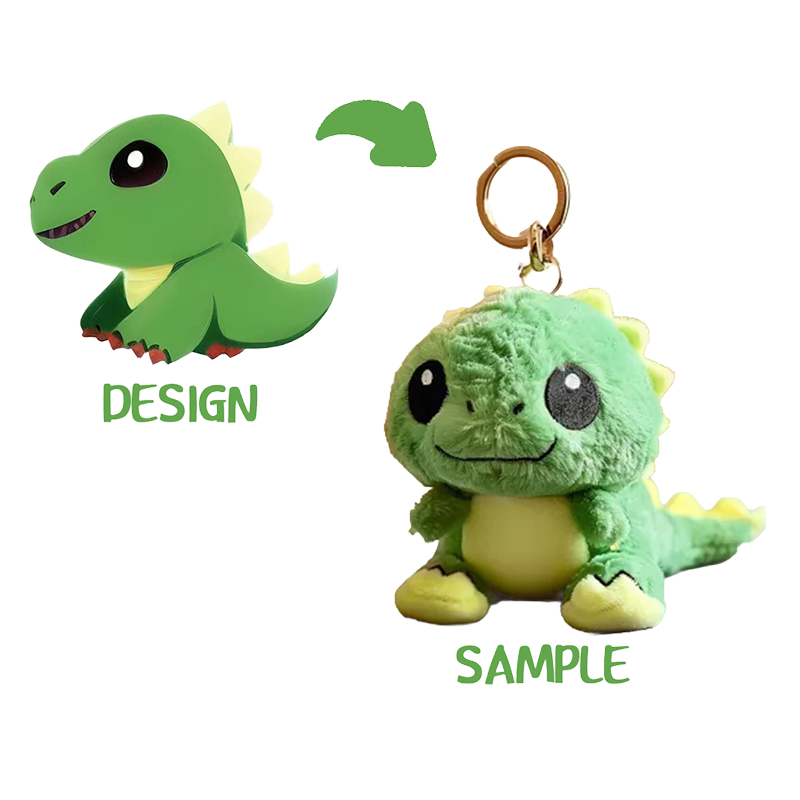
One key reason custom plush dolls outperform generic comfort objects in long-term emotional utility is that personalization deepens attachment. When a person receives a plush toy modeled after their pet, a beloved character, or a personally meaningful design, the object carries identity and memory — dimensions that a stress ball or generic blanket cannot replicate. This psychological mechanism drives strong demand in the custom plush toy OEM market, where brands and individuals alike commission unique designs to create more meaningful gifts, therapeutic tools, and branded merchandise.
Who Uses Plush Dolls for Emotional Support and How
The applications of anxiety relief plush toys and emotional support plush companions span an impressively wide range of age groups, clinical settings, and consumer contexts. Understanding these scenarios helps buyers, retailers, and product developers identify the right product specifications — from material softness and fill density to size and customization features.
Personal anxiety relief leads all use cases at 32%, confirming that the mental wellness positioning of plush toys has moved decisively beyond the children's toy aisle. The combination of adult stress relief (32%) and emotional milestone gifting (18%) means that more than half of all emotional support plush purchases are driven by adult wellbeing needs — a major signal for product developers and wholesale plush toy buyers to expand their adult-oriented offerings. Clinical adoption at 12% is also noteworthy, as therapists and hospitals represent a growing institutional buyer segment that values quality, safety certifications, and hypoallergenic materials.
Children: Sleep Comfort and Developmental Support
For children aged 18 months to 8 years, a stuffed animal toy often serves as a primary transitional object. Pediatric sleep researchers note that children who have a consistent comfort object fall asleep 20–30% faster and exhibit fewer night-waking episodes. In daycare and preschool settings, a familiar plush companion reduces separation anxiety, with studies showing up to 40% fewer stress-related behavioral episodes when children are permitted to keep their comfort plush nearby. The ideal plush for this age group combines washable construction, durable seams, and age-appropriate sizing — typically 25–45 cm.
Teens and Adults: Grounding and Anxiety Management
For teens and adults, cute plush toys are increasingly used as grounding objects during panic episodes, social anxiety situations, or periods of prolonged stress. The 5-4-3-2-1 grounding technique taught in many CBT programs encourages tactile engagement with a soft object as one of its sensory anchors. College counseling centers in the US and UK have begun stocking plush companions for student use during exam periods; several universities report positive student feedback on the practice. Giant plush toys — body-pillow-sized companions measuring 60–150 cm — are particularly popular in this demographic for sleep comfort and deep-pressure stimulation.
Clinical and Therapeutic Applications
Hospitals, memory care facilities, and trauma therapy practices are among the institutional buyers of premium plush companions. In dementia care, realistic animal-shaped plush toys reduce agitation episodes and improve mood in residents who are unable to care for live animals. Pediatric oncology wards use custom-designed plush mascots to build therapeutic rapport between patients and care teams. These institutional buyers typically require CE or ASTM safety certification, hypoallergenic fill materials, and machine-washable construction — specifications that distinguish a professional plush toy manufacturer from a commodity supplier.
How to Choose the Right Plush Doll: Buyer's Guide for Retailers and Individuals
Selecting the right soft plush doll — whether as a personal purchase, a retail line, or a branded promotional product — requires attention to materials, construction quality, size, and supplier capability. The following framework helps both individual buyers and B2B sourcing teams make well-informed decisions.
Material Selection: What Makes a Plush Truly Soft and Safe
The outer fabric is the most important tactile variable. Premium soft plush dolls use fabrics such as minky (also known as ultra-micro mink), faux sheepskin, or high-density PP cotton velvet, all of which have pile heights of 15–25 mm and fiber counts above 280 GSM. Lower-quality products use thin polyester plush below 200 GSM, which loses softness after repeated washing and can develop pilling that reduces tactile appeal. Fill material matters equally: PP cotton fills should use virgin (not recycled) fiber at a density of 120–180 g/m² for optimal body and resilience. For institutional and children's applications, EN 71 (Europe) or ASTM F963 (USA) certified non-toxic fill is non-negotiable.
Size Guide: Matching Dimensions to Use Case
- Mini (10–20 cm): Keychain companions, desk comfort objects, travel-safe sizes for children over 3 years.
- Standard (25–45 cm): The most popular size range for children's sleep companions, gift products, and general retail.
- Large (50–80 cm): Teen and adult comfort companions; suitable for deep-pressure hugging and body-pillow use.
- Giant (90–150 cm+): Statement gifts and premium comfort companions; giant plush toys in this range appeal to collectors and adults seeking maximum tactile coverage.
Evaluating a Plush Toy Supplier or OEM Partner
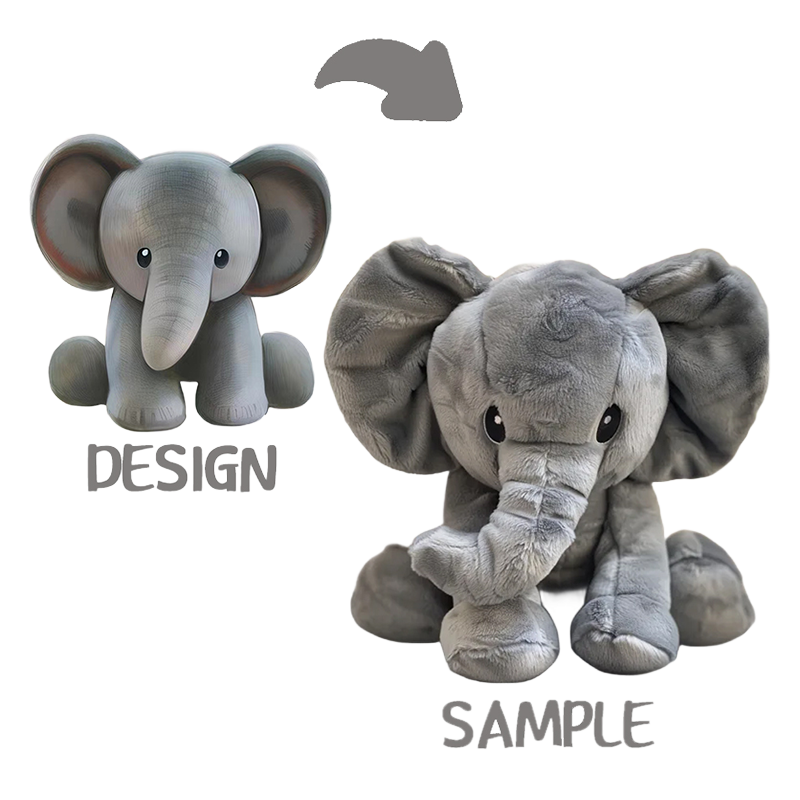
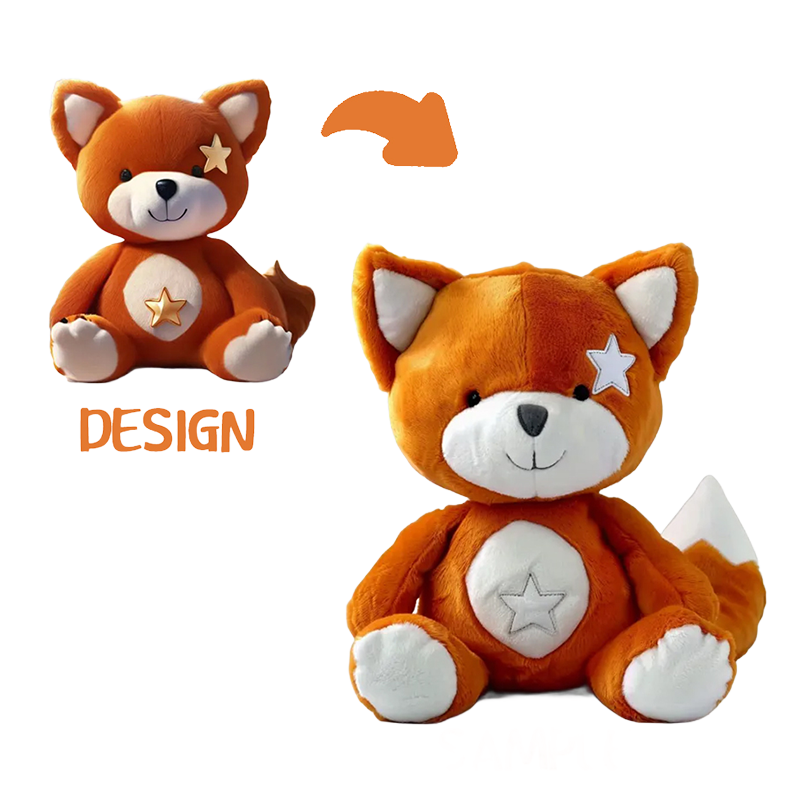
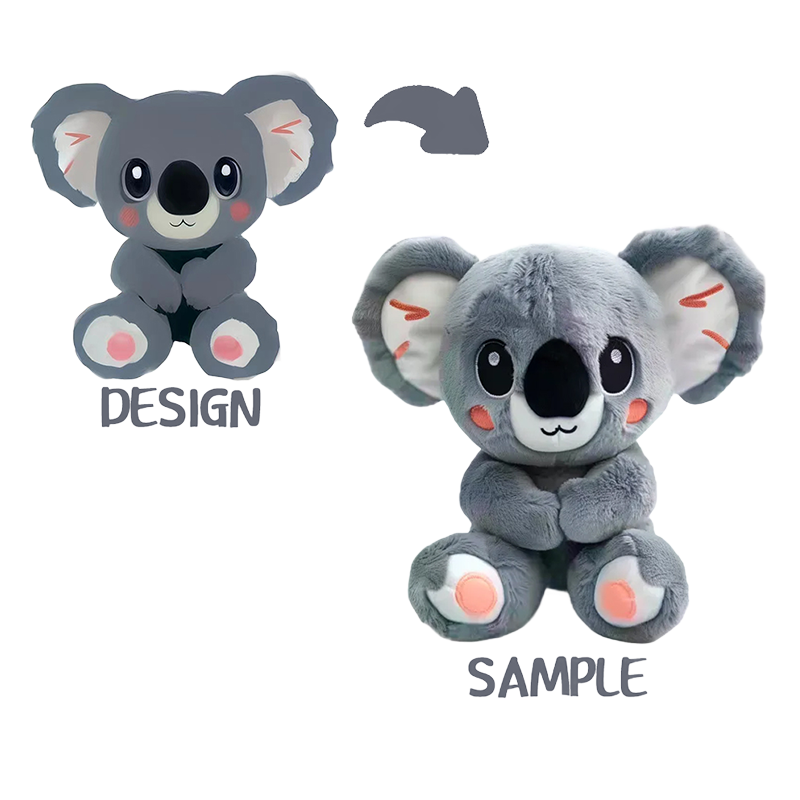
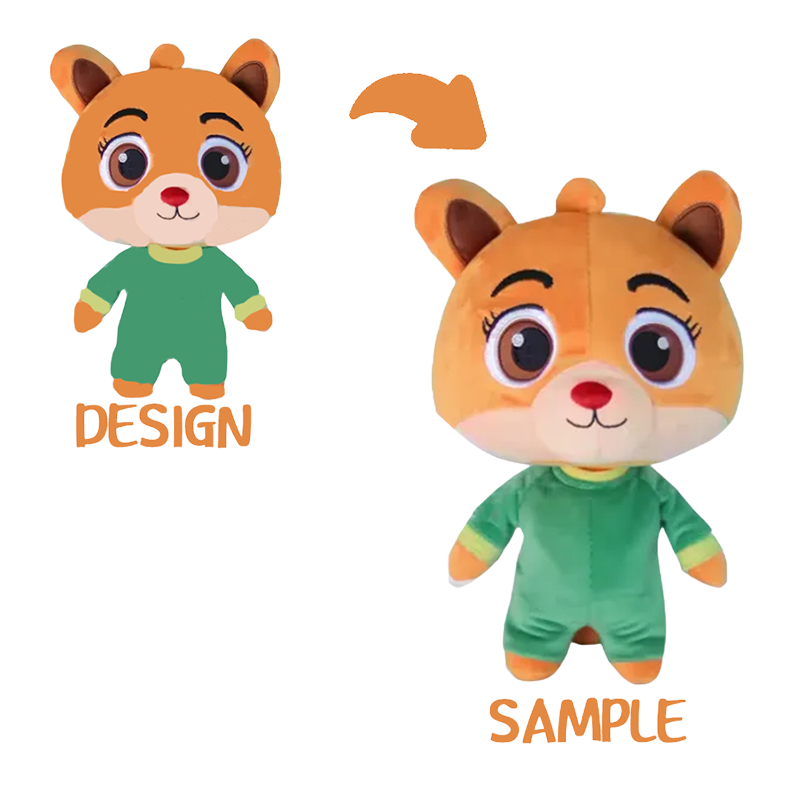
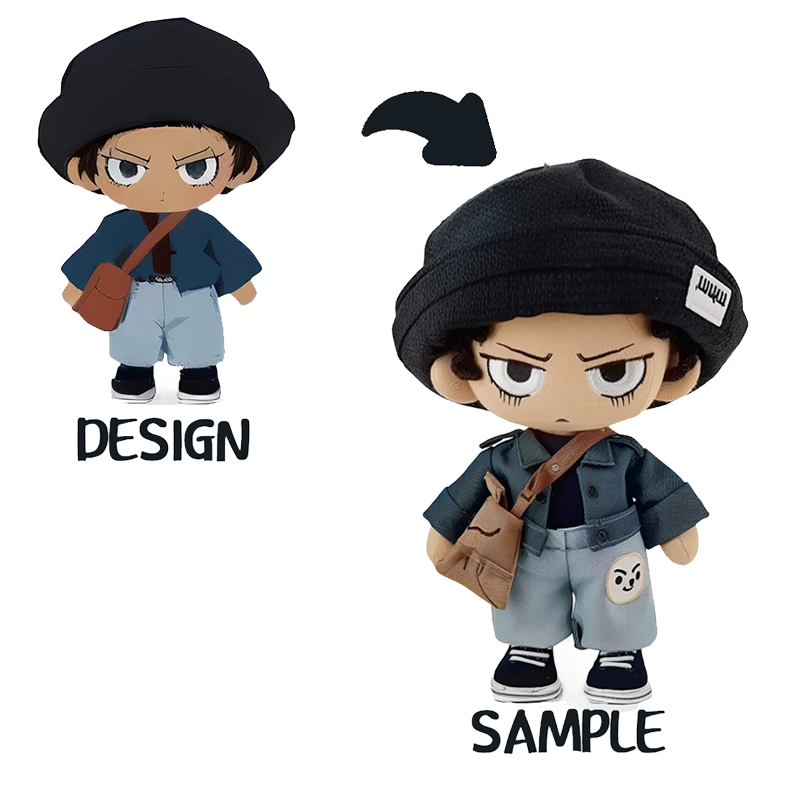
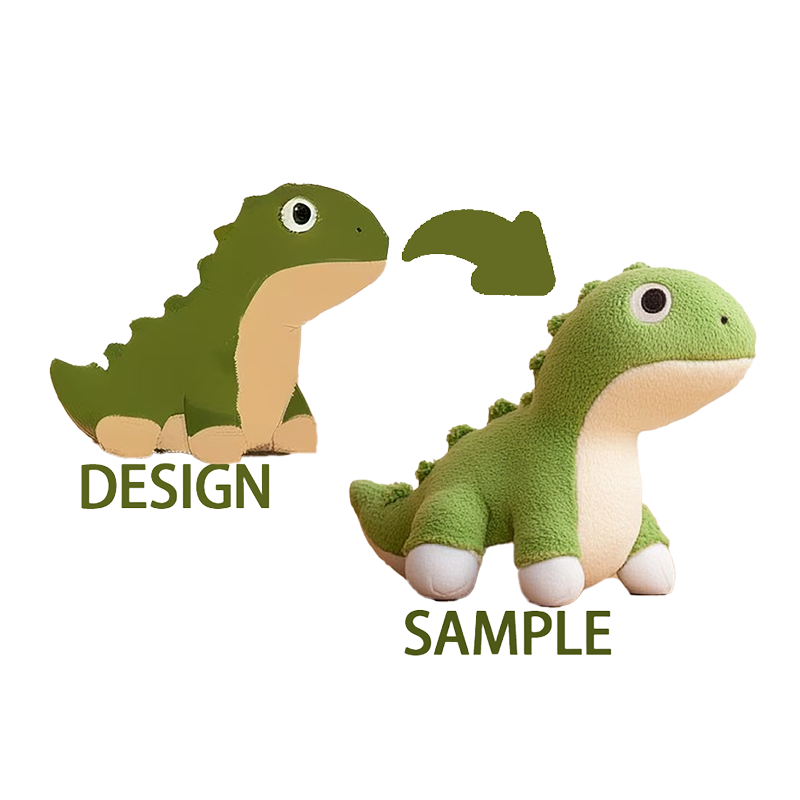
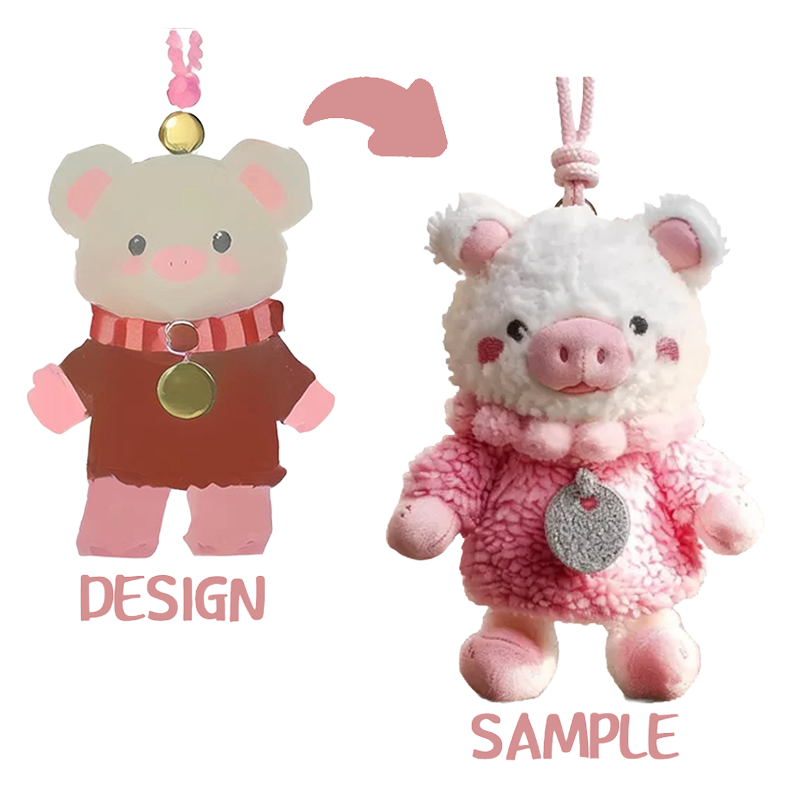
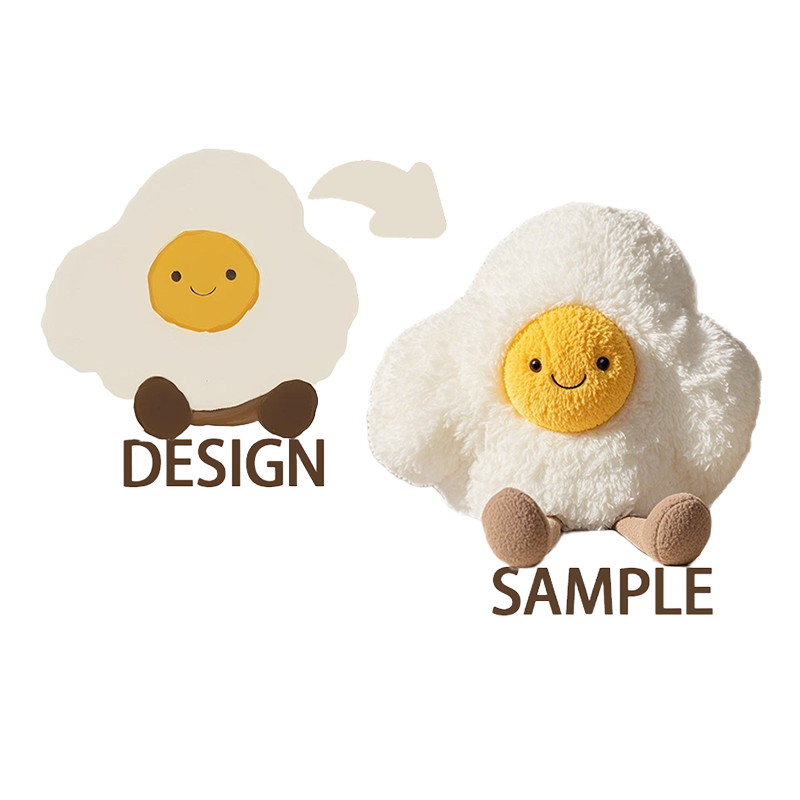
For businesses sourcing wholesale plush toys or commissioning custom plush toy OEM production, the supplier evaluation process should cover design capability, quality certification, minimum order quantities, sample turnaround time, and post-sales support. A capable plush toy supplier in China should be able to provide material test reports, pre-production samples within 2–3 weeks, and a documented quality control process with inspection at cutting, sewing, stuffing, and finishing stages. References from clients in your target market region (e.g., USA, UK, or Canada) are a meaningful indicator of reliability and communication quality.
Material quality and safety certifications rank as the top two priorities for B2B buyers of plush toys, each scoring above 8 out of 10 in importance surveys. This reflects the growing liability awareness among retailers and brand owners who understand that a recall or safety incident far outweighs any short-term cost savings from sourcing lower-specification materials. Customization design capability ranks third, confirming that the ability to execute unique concepts — as offered by experienced custom plush toy OEM partners like Kusibei — is a critical commercial differentiator rather than a premium add-on.
Customization Options Available from Professional Manufacturers
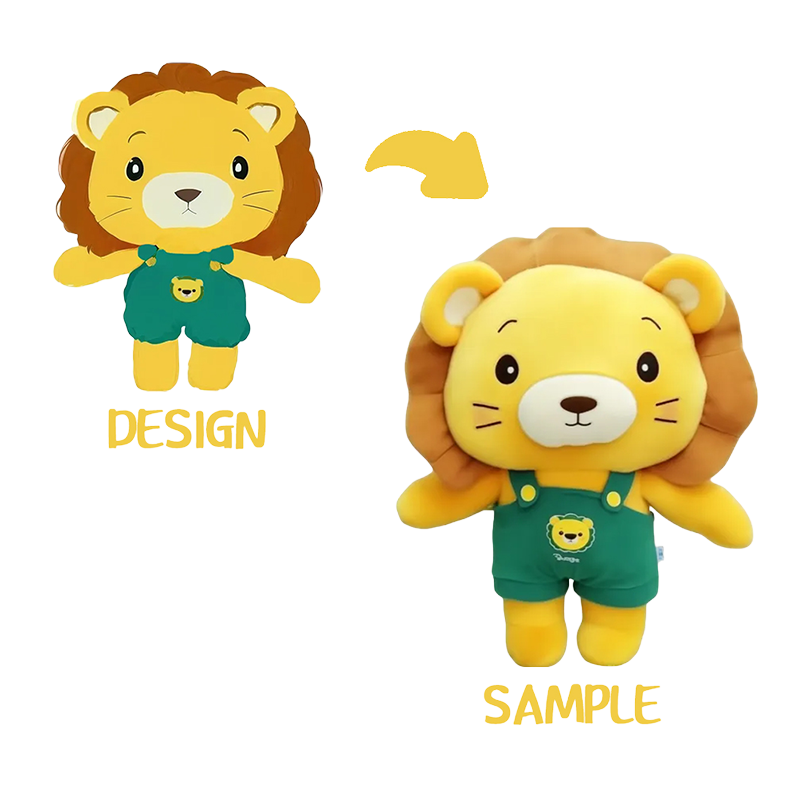
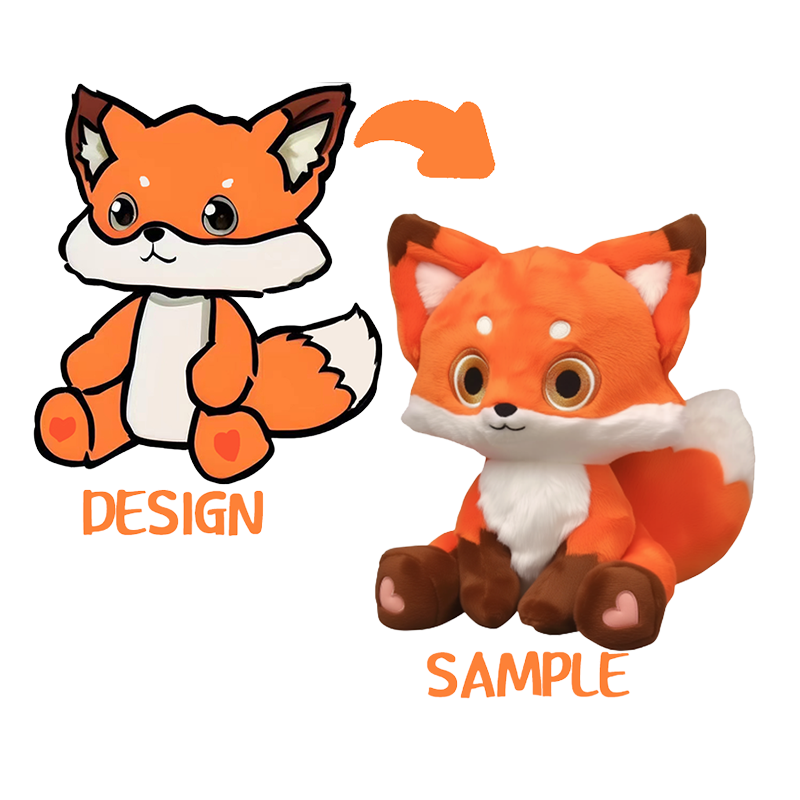
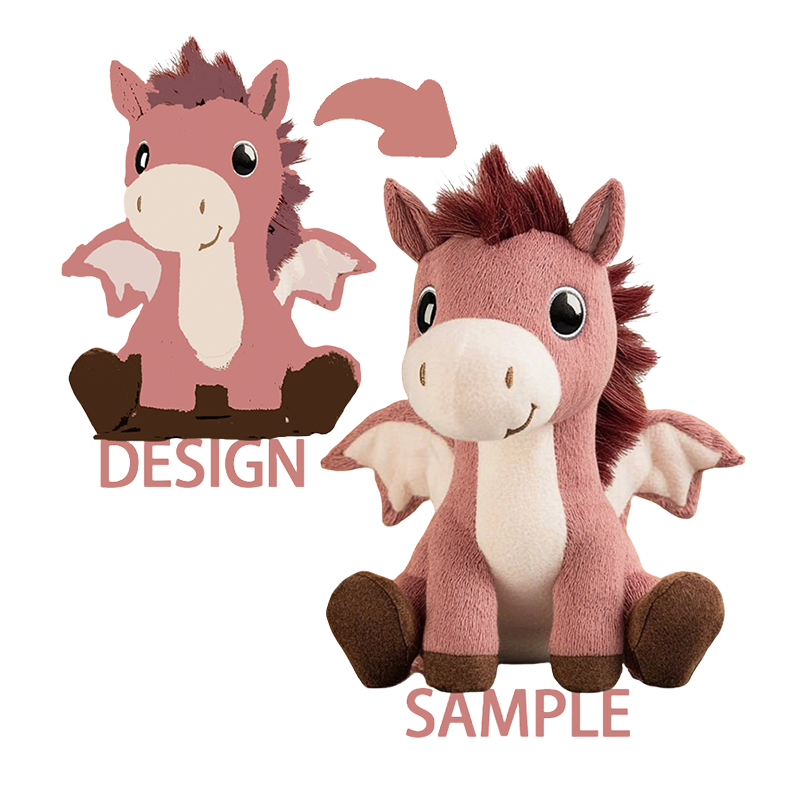
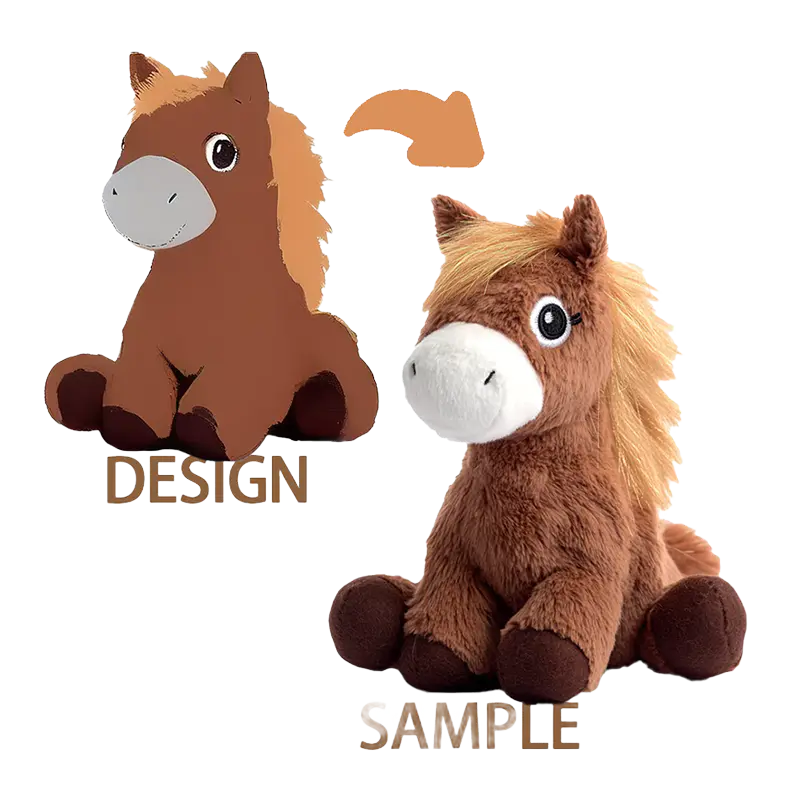
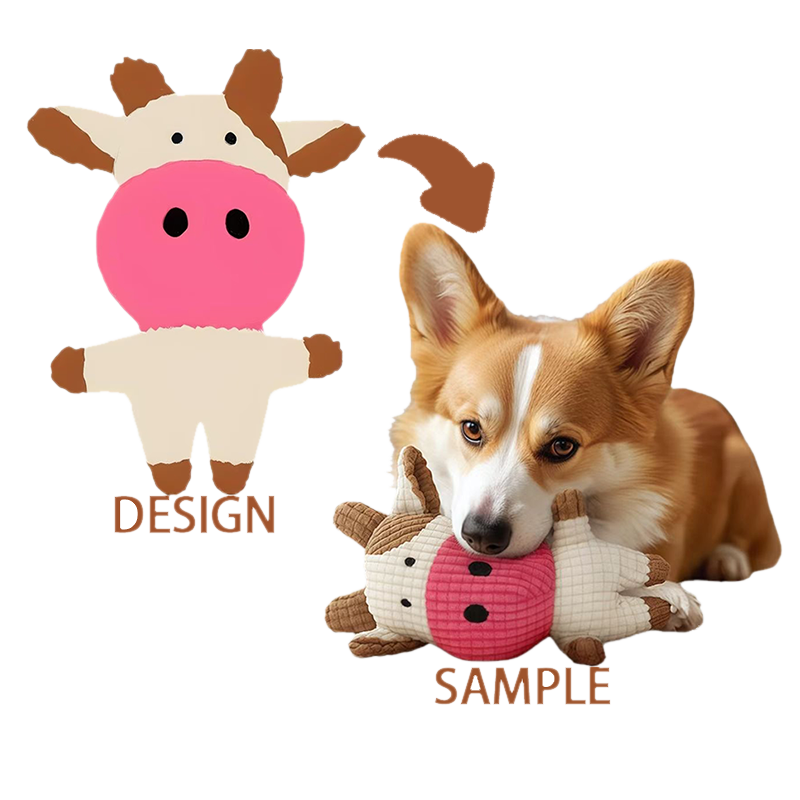
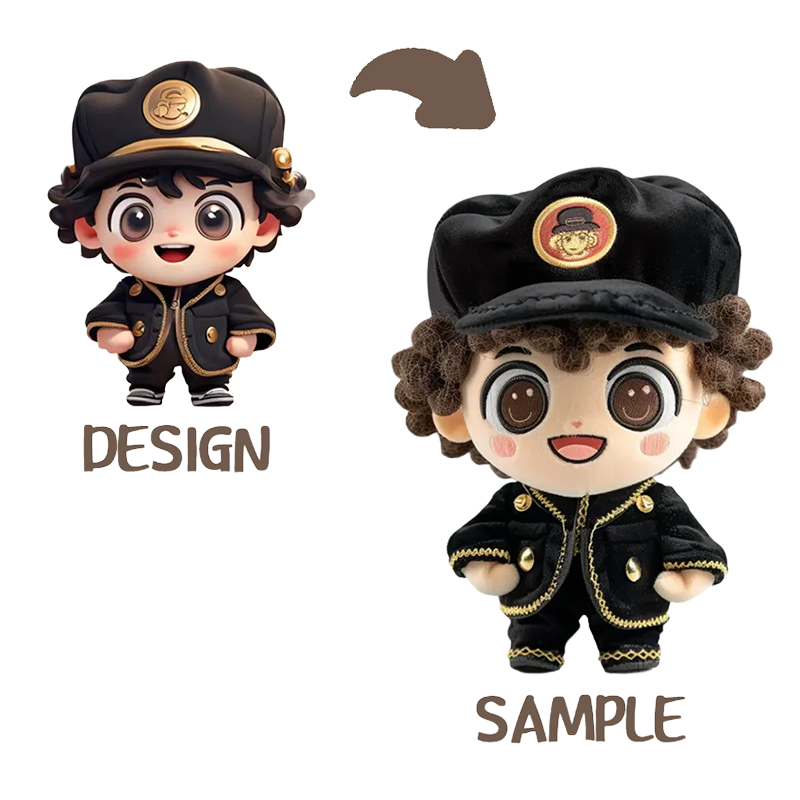
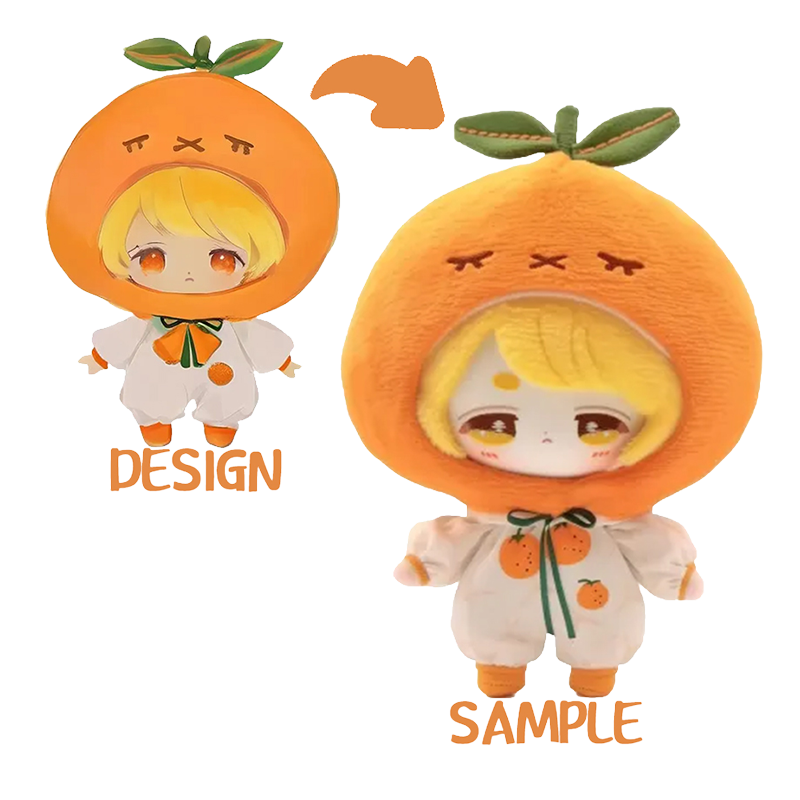
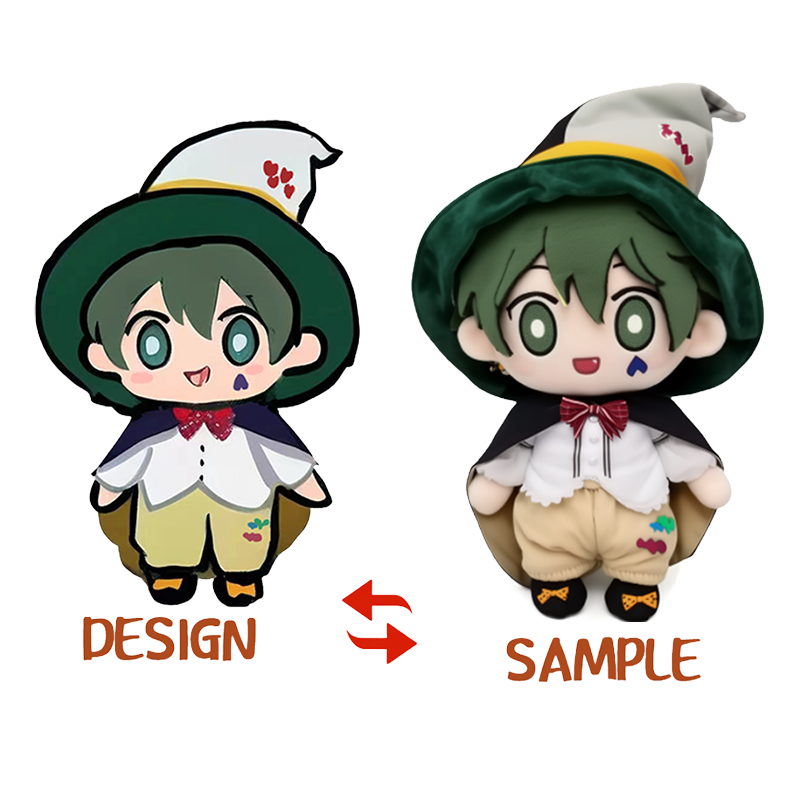
- Character design: Original character creation from sketch or digital file, including 3D mockup before production.
- Fabric and color matching: Pantone-matched fabric dyeing for precise brand color consistency.
- Embroidery and print features: Custom embroidered logos, faces, and text; sublimation printed accessories.
- Sound and sensory inserts: Crinkle fabric panels, squeakers, rattle inserts, and sound chips for interactive sensory engagement.
- Weighted fill options: PE pellet or glass bead inserts for deep-pressure variants of anxiety relief plush toys.
- Packaging design: Custom hang tags, polybag printing, gift box design, and retail-ready packaging formats.
Care, Hygiene, and Safety: Keeping Plush Companions in Top Condition
For plush toys used frequently as emotional support objects — especially by children or in clinical settings — hygiene and structural integrity are important ongoing concerns. Proper care extends the life of the toy and maintains the sensory qualities that make it effective as a comfort companion.
Washing and Drying Guidelines
- Machine wash in a mesh laundry bag on a gentle cycle at 30°C (86°F) or below to preserve pile height and shape.
- Use mild, fragrance-free detergent — especially for toys used by children with sensory sensitivities.
- Air dry or tumble dry on low heat; high heat causes fiber matting and can degrade glued components such as safety eyes.
- For toys with sound modules or weighted inserts, spot-cleaning is recommended to protect electronic components and fill material integrity.
- Fluff the pile gently with a soft brush after drying to restore the tactile softness that defines the comfort experience.
Safety Checks for Children's Plush Toys
Regularly inspect seam integrity, button and eye fastenings, and fill containment — particularly for toys used by children under 3 years. Safety eyes should be secured with locking washers rated to withstand a pull force of at least 90 N (EN 71 standard). Any loose components should be repaired or the toy retired from use. When purchasing from a stuffed toy factory, request documentation of ASTM F963 or EN 71 compliance, including third-party test reports from accredited laboratories. Reputable manufacturers provide these as standard — it is a key quality differentiator between professional plush toy manufacturers and unverified commodity suppliers.
About Kusibei: Your Professional Plush Toy Manufacturing Partner
Kusibei is a dedicated plush toy manufacturer specializing in comprehensive custom plush toy production solutions. With full production lines covering every stage of plush toy manufacturing — from initial design and pattern making to cutting, sewing, stuffing, quality inspection, and retail-ready packaging — Kusibei operates as an integrated partner rather than a simple factory vendor.
As a trusted plush toy supplier in China, Kusibei serves clients concentrated across more than ten countries, including the USA, the UK, and Canada. The company's advanced production technology, rigorous assembly line management, and comprehensive quality assurance policies have made it a preferred custom plush toy OEM partner for brands seeking to translate unique creative concepts into market-ready products. Superior product quality is the foundation of Kusibei's long-term partnerships, helping clients successfully capture and grow their market share in the competitive global plush toy industry.
Whether you require a small batch of custom plush prototypes for a startup brand, high-volume wholesale plush toys for retail distribution, or specialized anxiety relief plush toy designs for therapeutic or institutional use, Kusibei's engineering and design teams work closely with clients to ensure every product meets both creative vision and quality standards.
Frequently Asked Questions
We specialize in the design and production of plush toys to provide customers with unique customized services