 English
 中文简体
中文简体Why Dogs Need Chew Toys Every Day?
2026-05-26
Dogs are natural chewers. Whether your dog is a playful puppy or a seasoned senior, chewing is a deeply ingrained behavior rooted in instinct. Providing safe dog chew toys daily is one of the most impactful things a pet owner can do for their dog's physical health, emotional well-being, and overall quality of life. From keeping teeth clean to preventing destructive habits, the case for daily chewing is backed by veterinary science and behavioral research alike.
This article breaks down the real, measurable reasons why your dog needs chew toys every single day — and what to look for when choosing the right ones, including durable dog chew toys, personalized dog toys, and eco friendly pet toys that serve both your dog and the planet.
Content
- 1 The Science Behind Why Dogs Chew
- 2 Dental Health: The Number One Reason to Chew Daily
- 3 Behavioral Benefits: Chewing Reduces Destructive Habits
- 4 Mental Stimulation: Interactive Toys Keep Dogs Sharp
- 5 Puppy Chew Toys: Getting It Right From the Start
- 6 Custom Pet Chew Toys: Personalization Meets Function
- 7 Eco Friendly Pet Toys: Responsible Choices for a Better Planet
- 8 How to Choose the Right Chew Toy for Your Dog
- 9 Daily Chewing vs. Occasional Chewing: Does Frequency Matter?
- 10 Frequently Asked Questions About Dog Chew Toys
The Science Behind Why Dogs Chew
Chewing is not just a habit — it is a biological necessity. Dogs have an oral fixation that stems from their wolf ancestors, who relied on chewing bones and tough materials for jaw strength and tooth maintenance. Studies show that over 80% of dogs show signs of periodontal disease by age three, making daily dental engagement critically important.
When a dog chews, several physiological responses are triggered: endorphins are released (reducing anxiety), the jaw muscles are exercised, and plaque and tartar are mechanically broken down. Pet dental chew toys, in particular, are designed with surface textures that mimic the cleaning action of a toothbrush.
Additionally, chewing helps regulate cortisol levels. Dogs that chew regularly tend to be calmer, less prone to separation anxiety, and show fewer compulsive behaviors. An interactive dog chew toy adds a layer of cognitive engagement, turning a simple chewing session into a mentally stimulating puzzle-solving activity.
The chart above reveals how veterinary professionals rank the benefits of daily chewing. Dental health tops the list at 96%, confirming that chew toys function as an active form of oral care between professional cleanings. Anxiety reduction and mental stimulation both rank above 80%, underscoring that chew toys address emotional and cognitive needs — not just physical ones. Even weight management benefits emerged as a recognized outcome, since chewing can serve as a low-calorie activity that keeps bored dogs occupied instead of overeating.
Dental Health: The Number One Reason to Chew Daily
Pet dental chew toys are one of the most accessible tools for combating periodontal disease in dogs. The mechanical action of gnawing scrapes away soft plaque before it can calcify into tartar. According to the American Veterinary Dental College, periodontal disease is the most common clinical condition in adult dogs, and the vast majority of cases are preventable with consistent daily hygiene habits — including chewing.
Certain materials, like natural rubber dog toys, have a flexible give that allows teeth to sink in without cracking, providing maximum surface-cleaning friction. Unlike hard synthetic plastics that can fracture molars, natural rubber offers a safer, more forgiving texture — especially important for heavy chewers.
| Material | Plaque Removal | Tooth Safety | Durability | Eco Friendly |
|---|---|---|---|---|
| Natural Rubber | High | Excellent | High | Yes |
| Nylon | Moderate | Good | Very High | No |
| Rope/Fabric | Moderate | Good | Low | Partially |
| Hard Plastic | Low | Moderate | High | No |
| Plush/Stuffed | Low | Excellent | Low–Moderate | Varies |
Behavioral Benefits: Chewing Reduces Destructive Habits
A dog that chews is a dog that is not destroying your couch, shoes, or baseboards. This is not a coincidence — it is cause and effect. When dogs lack appropriate outlets for their chewing instinct, they redirect that energy onto household objects. Providing tough dog toys or indestructible dog toys is one of the most reliable ways to redirect destructive chewing toward a safe, appropriate target.
According to a 2022 pet behavior study published in the Journal of Veterinary Behavior, dogs given daily chew access showed a 63% reduction in reported destructive behavior within the first two weeks. The effect was particularly pronounced in high-energy breeds such as Labrador Retrievers, German Shepherds, and Belgian Malinois — dogs that require significantly more mental and physical stimulation than the average breed.
The line chart above illustrates a consistent and meaningful decline in destructive behavior over an 8-week period when dogs were given daily access to chew toys. From nearly 8 incidents per week at the outset, the number drops dramatically to just 1 incident by week 8 — an almost 87% reduction. This trend is not simply a matter of novelty wearing off; the chewing habit itself becomes self-reinforcing because of the endorphin release, meaning dogs naturally choose the toy over destructive alternatives. The most rapid improvement occurs in the first two weeks, which is the critical window where establishing a chewing routine matters most.
Choosing Tough Chew Toys for High-Energy Breeds
Not all chew toys are created equal. Dogs for heavy chewers — especially power breeds — require toys labeled as indestructible dog toys or tough chew toys. These are typically made from reinforced natural rubber, military-grade nylon, or thick braided materials. Standard plush toys may be destroyed in minutes by a determined chewer, creating ingestion hazards. When selecting dog toys for heavy chewers, always check weight-based sizing recommendations and material safety certifications.
- Look for toys rated for your dog's weight class (small, medium, large, extra-large).
- Choose non-toxic, BPA-free materials — especially if your dog tends to swallow small fragments.
- Inspect chew toys regularly for wear; replace when they begin to break into pieces large enough to swallow.
- Rotate toys weekly to maintain novelty and sustained engagement.
Mental Stimulation: Interactive Toys Keep Dogs Sharp
A bored dog is often a problem dog. Cognitive under-stimulation leads to compulsive behaviors, anxiety, and poor impulse control. Interactive dog chew toys — particularly those that dispense treats or require problem-solving — engage a dog's mind at the same time as their jaws, creating a dual-benefit enrichment experience.
Research from the University of Bristol's Anthrozoology Institute found that dogs given enrichment toys (including chew-based ones) scored significantly higher on cognitive performance assessments compared to control groups with no enrichment. These dogs learned commands faster, demonstrated better impulse control, and recovered from stressful situations more quickly.
For puppies, interactive puppy chew toys support critical cognitive development windows. Between 8 and 16 weeks of age, puppies learn most effectively through play and sensory exploration. Offering varied textures, shapes, and resistance levels helps wire their brains for curiosity and resilience.
The radar chart compares two leading chew toy categories across six key dimensions. Natural rubber toys (pink fill) excel in dental care and safety, thanks to their flexible, non-toxic construction that reduces tooth fracture risk while mechanically removing plaque. Interactive and customized toys (dashed outline) lead in mental stimulation and customizability, reflecting their design intent to engage the dog's cognition and provide a personalized experience for the owner. Neither category dominates across all dimensions, which reinforces the value of a mixed-toy approach — pairing a robust natural rubber chew with a thoughtfully designed interactive or personalized dog toy gives dogs the most comprehensive enrichment experience. Eco friendliness scores higher for rubber than synthetic alternatives, an important consideration for environmentally conscious pet owners.
Puppy Chew Toys: Getting It Right From the Start
Puppies go through a teething phase between 3 and 7 months of age during which their baby teeth fall out and permanent teeth emerge. This process is intensely uncomfortable, and providing appropriate puppy chew toys is the single most effective way to reduce teething pain and redirect nipping behavior.
Puppy-specific chew toys are softer than those designed for adult dogs, accommodating more sensitive gum tissue and developing enamel. Look for freezable designs — chilling a rubber teething ring can soothe inflamed gums much the way a cold compress reduces swelling in humans. Safe dog chew toys for puppies should have no small detachable parts and be made from non-toxic, food-grade materials.
Beyond teething, early exposure to chew toys builds positive behavioral frameworks. Puppies that learn at an early age what is acceptable to chew carry those boundaries into adulthood, significantly reducing furniture damage and accidental ingestion of harmful household items.
Key Features of Safe Puppy Chew Toys
- Soft but resilient material (natural rubber, food-grade silicone)
- No loose parts, buttons, or sewn decorations that can be swallowed
- Size appropriate to breed — avoid anything a puppy can fit fully in its mouth
- Dishwasher-safe or easy to sanitize to prevent bacterial buildup
- Freezer-compatible designs for teething pain relief
Custom Pet Chew Toys: Personalization Meets Function
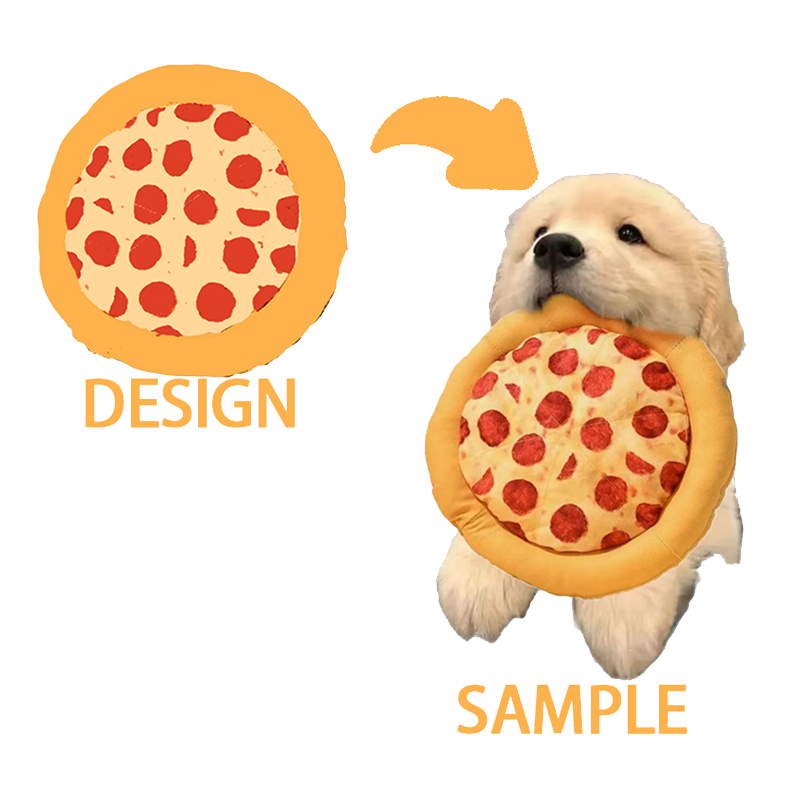
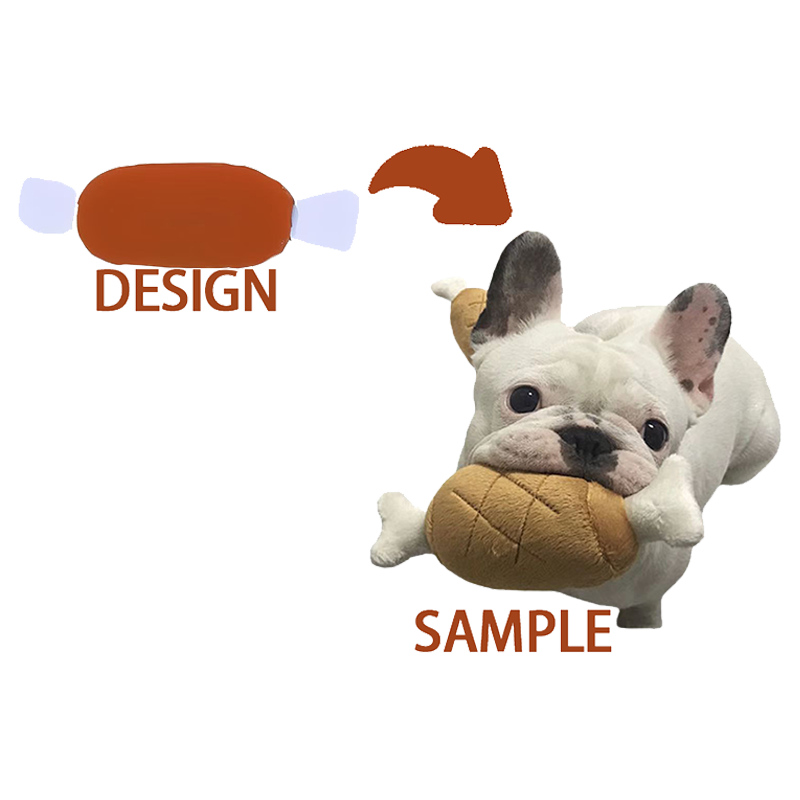
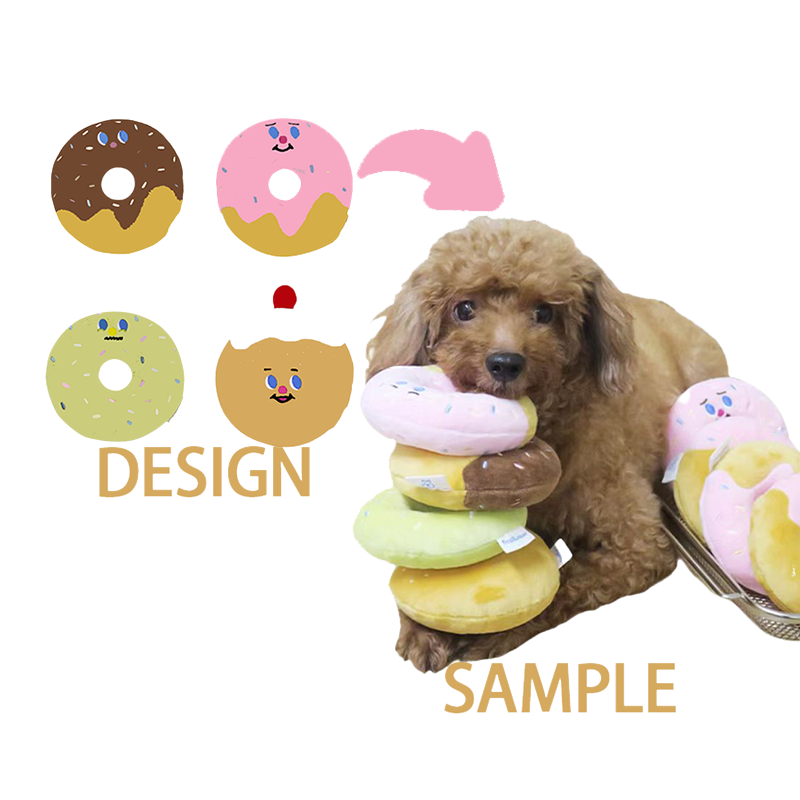
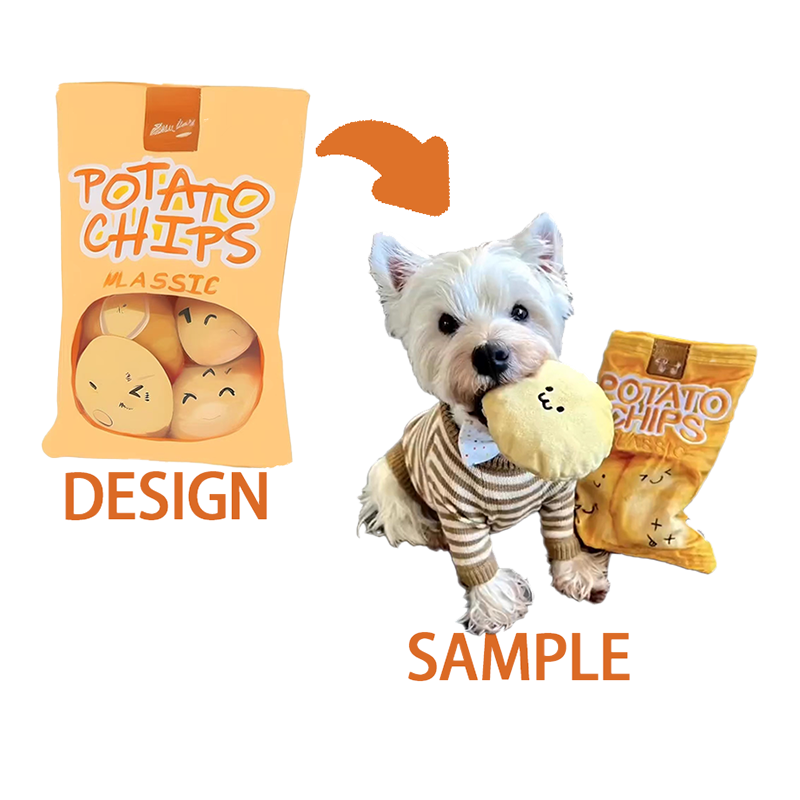
The market for custom pet chew toys and personalized dog toys has grown substantially as pet ownership becomes more emotionally invested and lifestyle-oriented. Pet owners today do not simply buy a toy — they curate an experience for their animal companion. Custom pet gifts and personalized pet accessories serve dual purposes: they strengthen the bond between pet and owner while ensuring the toy is tailored to the dog's size, chewing intensity, and play preferences.
Custom pet branding is also emerging as a major segment in the B2B pet industry. Businesses — from boutique pet hotels to veterinary clinics — are ordering branded chew toys as gifts, promotional materials, and retail items. The ability to add logos, custom colors, and unique shapes to durable dog chew toys opens new avenues for both brand visibility and pet enrichment.
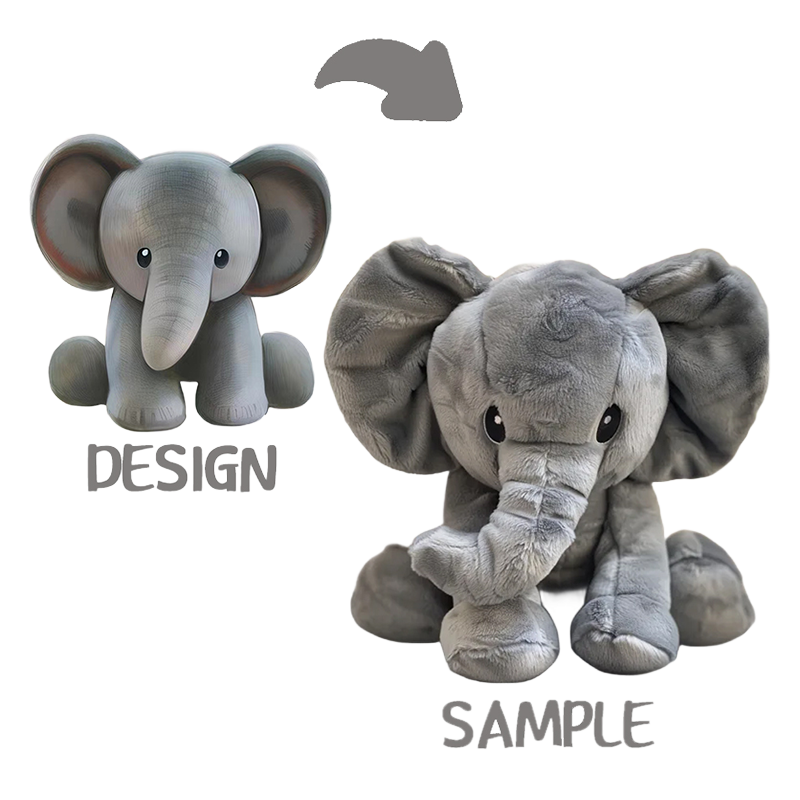
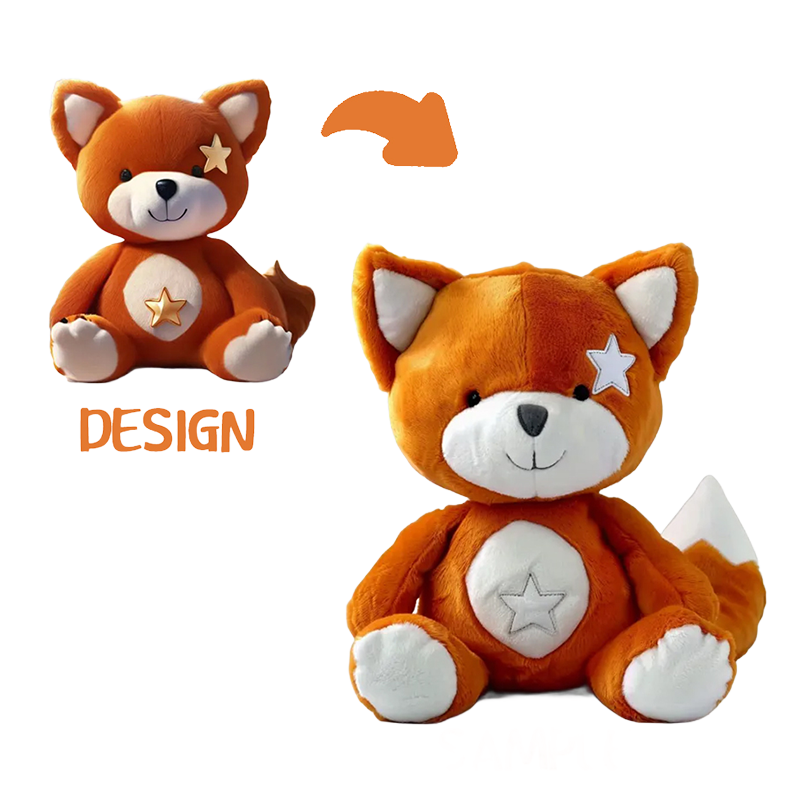
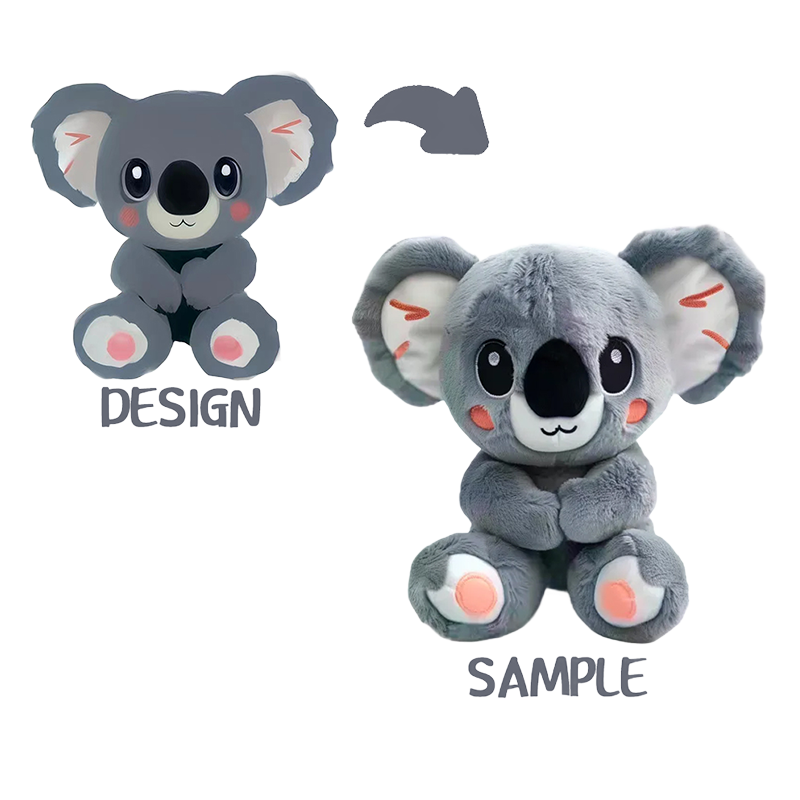
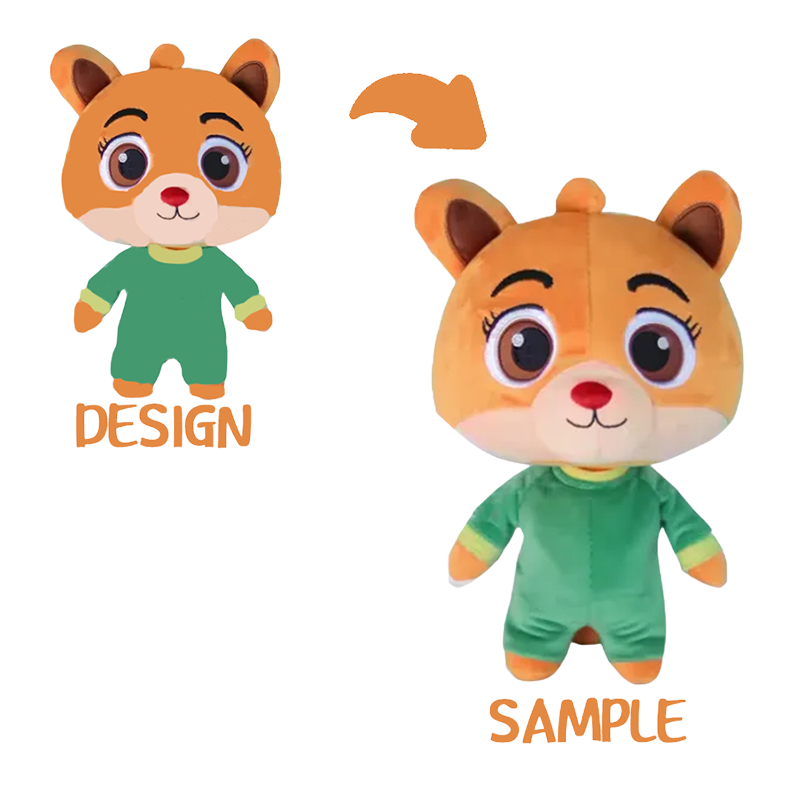
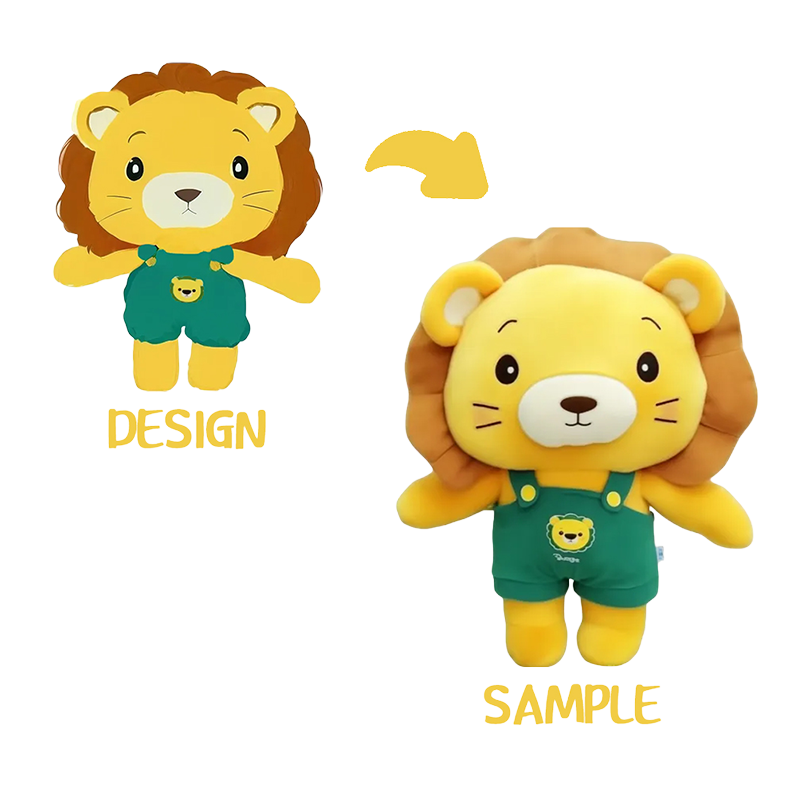
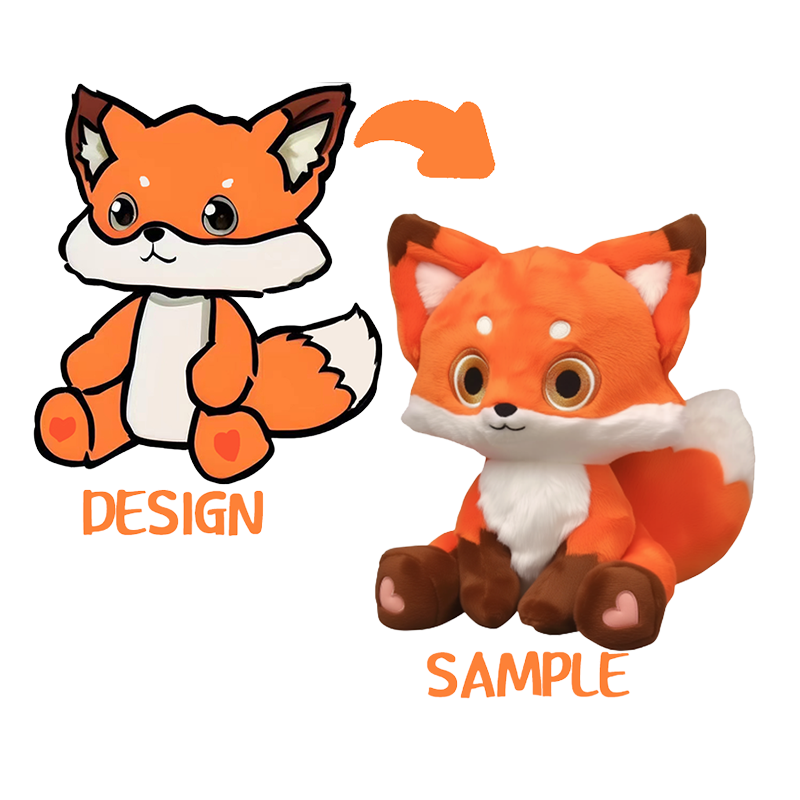
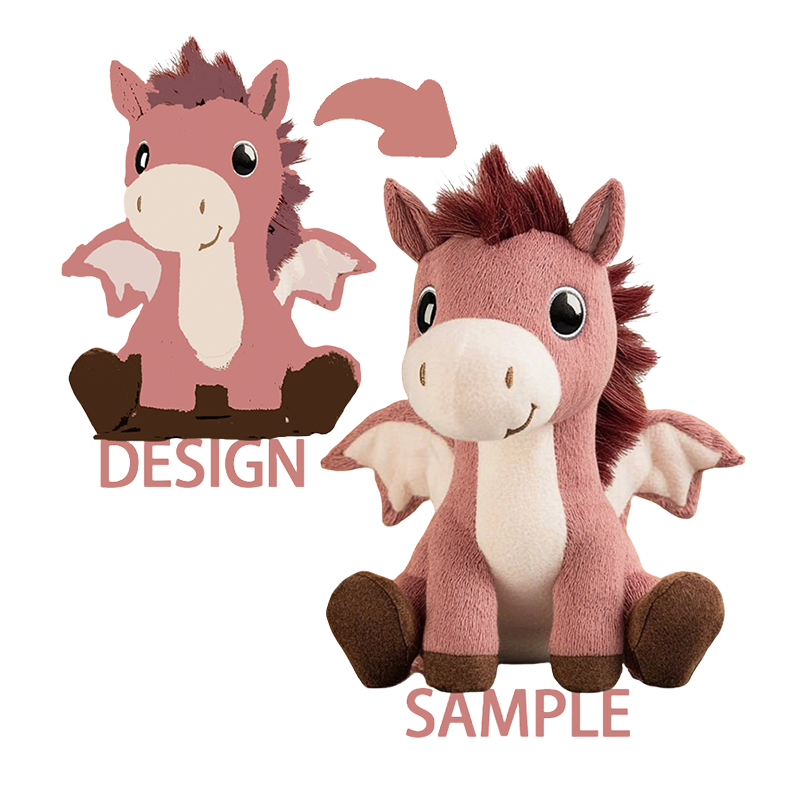
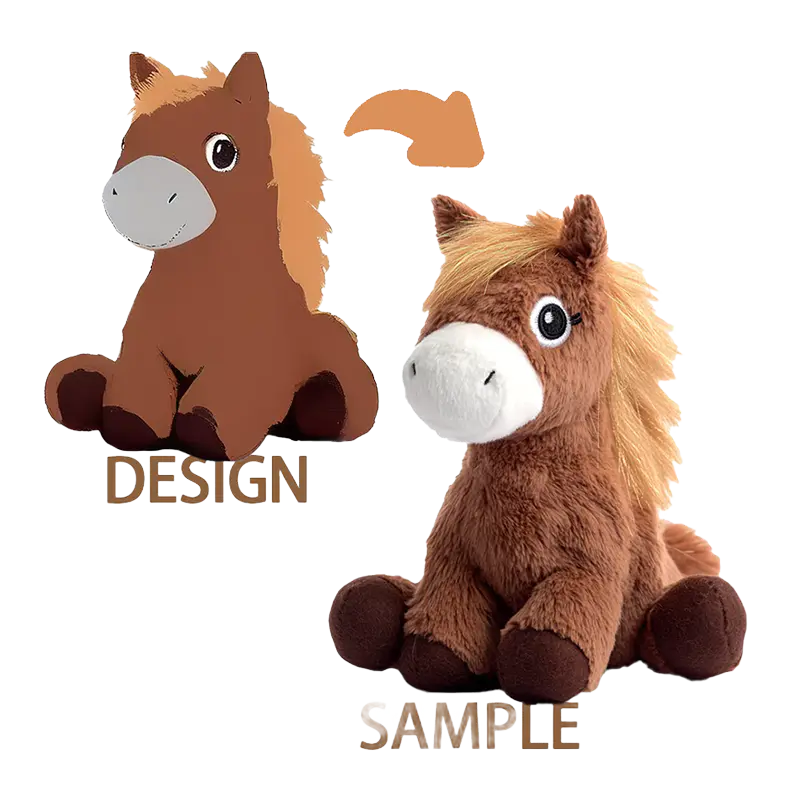
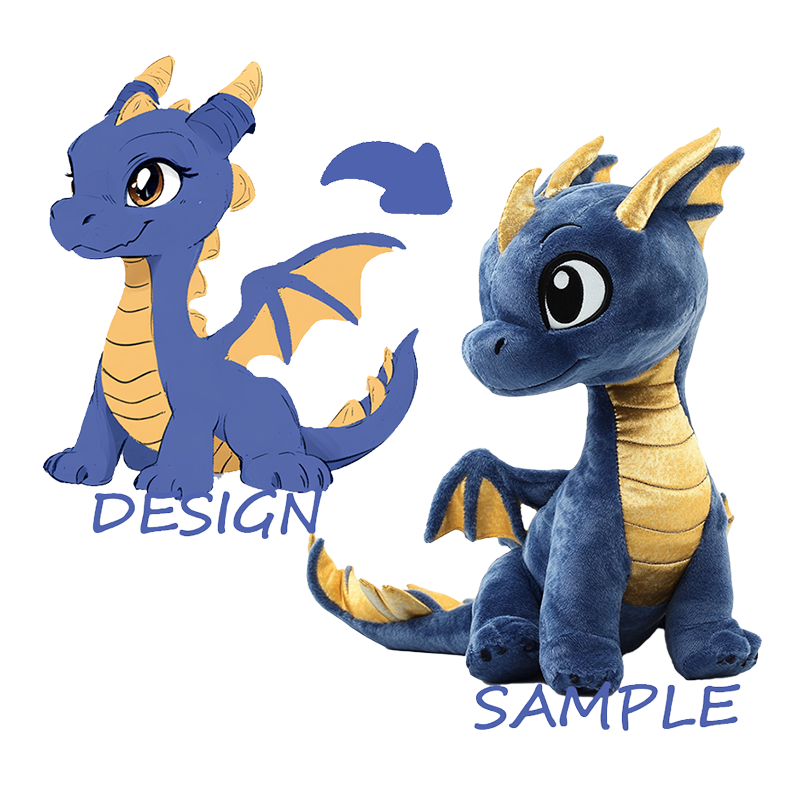
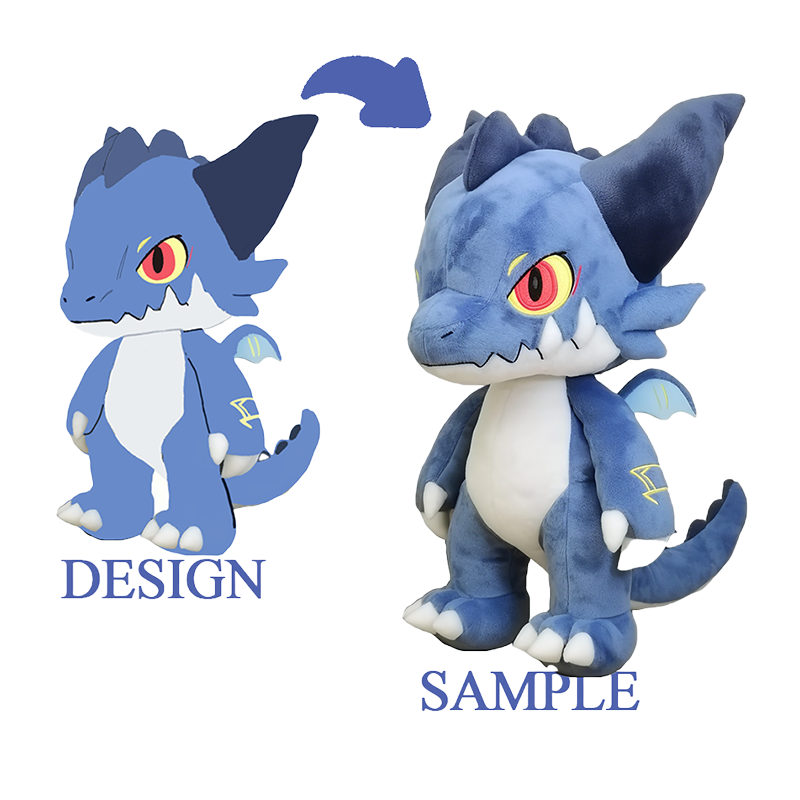
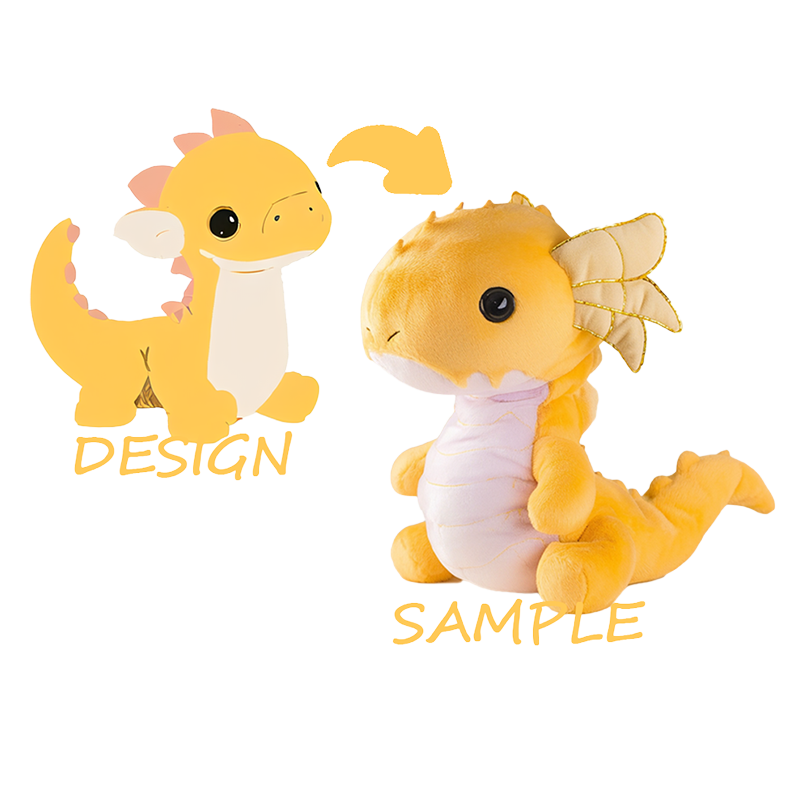
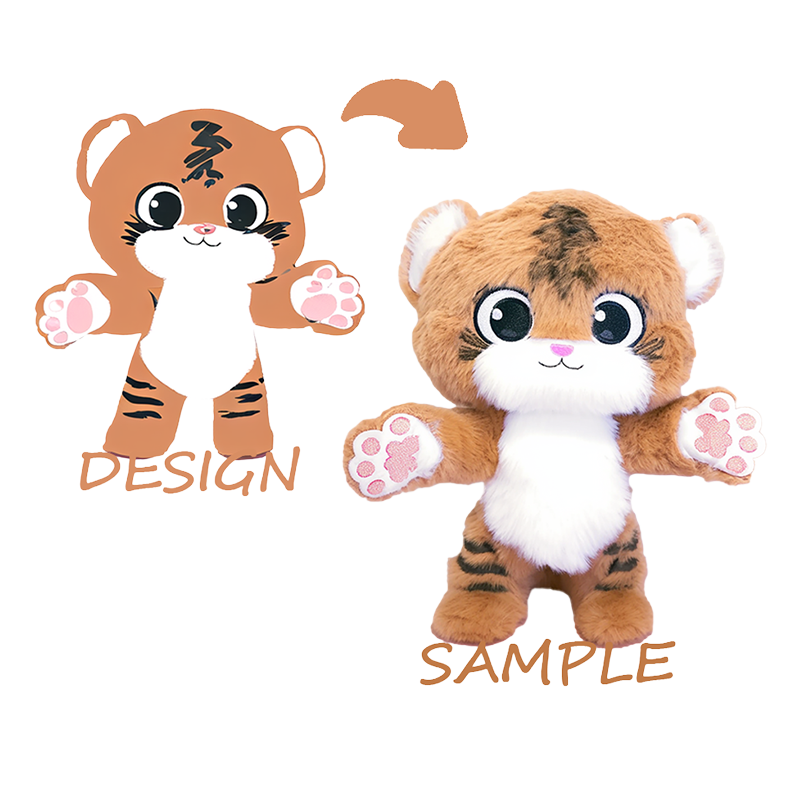
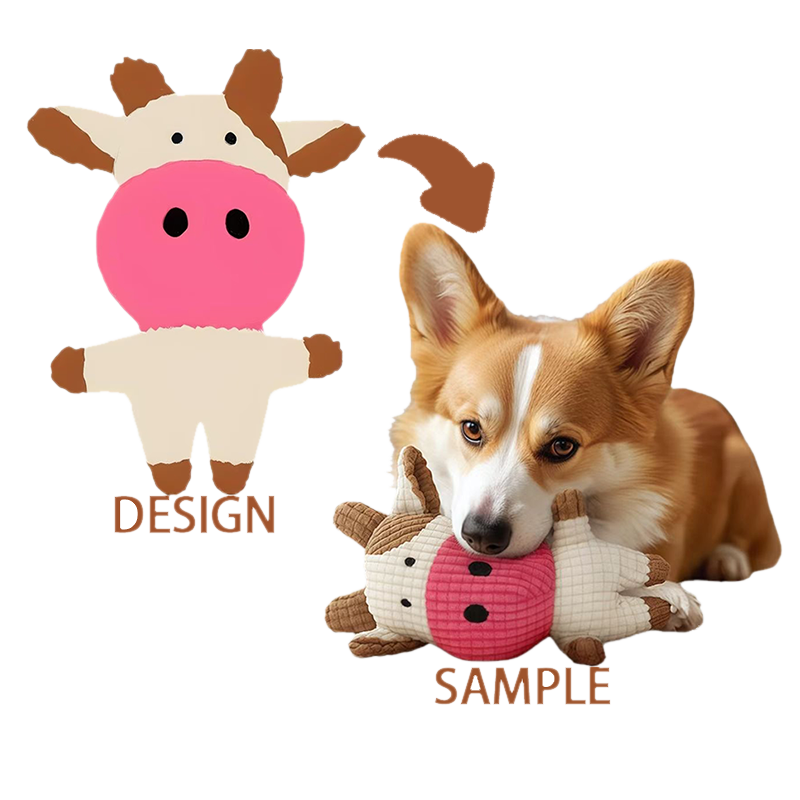
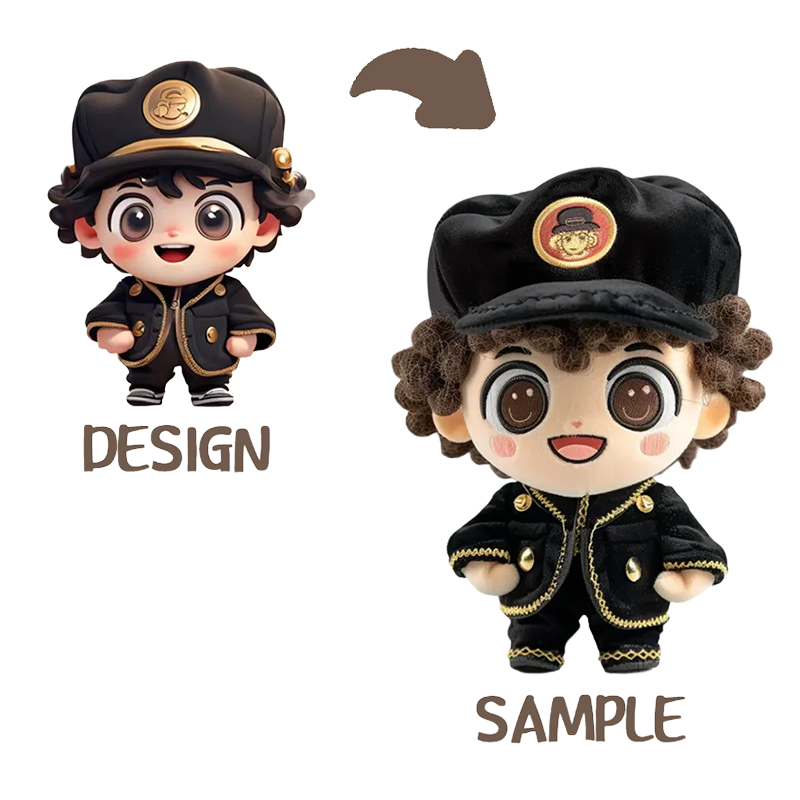
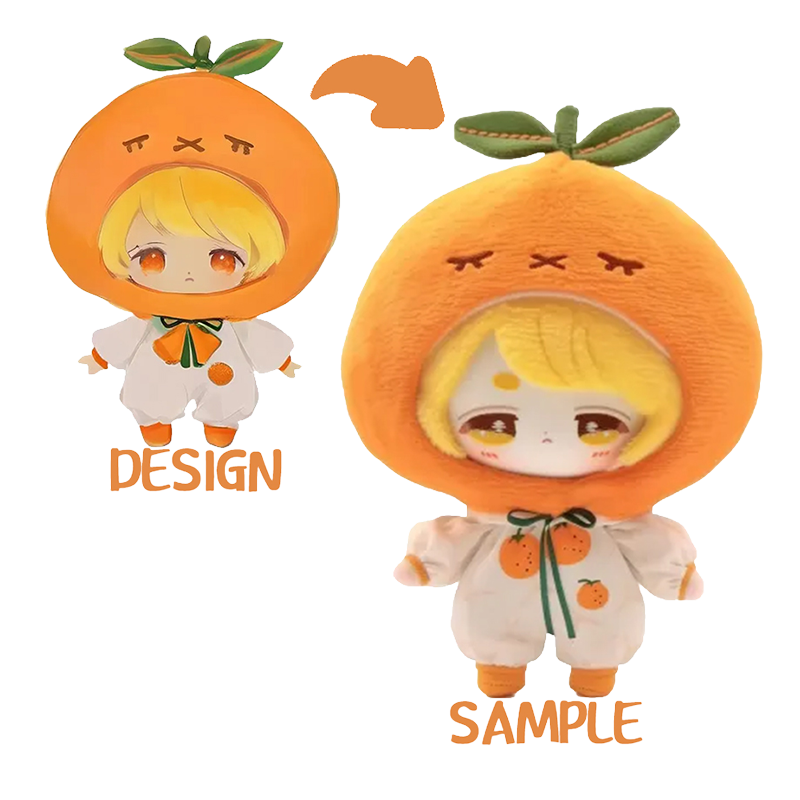
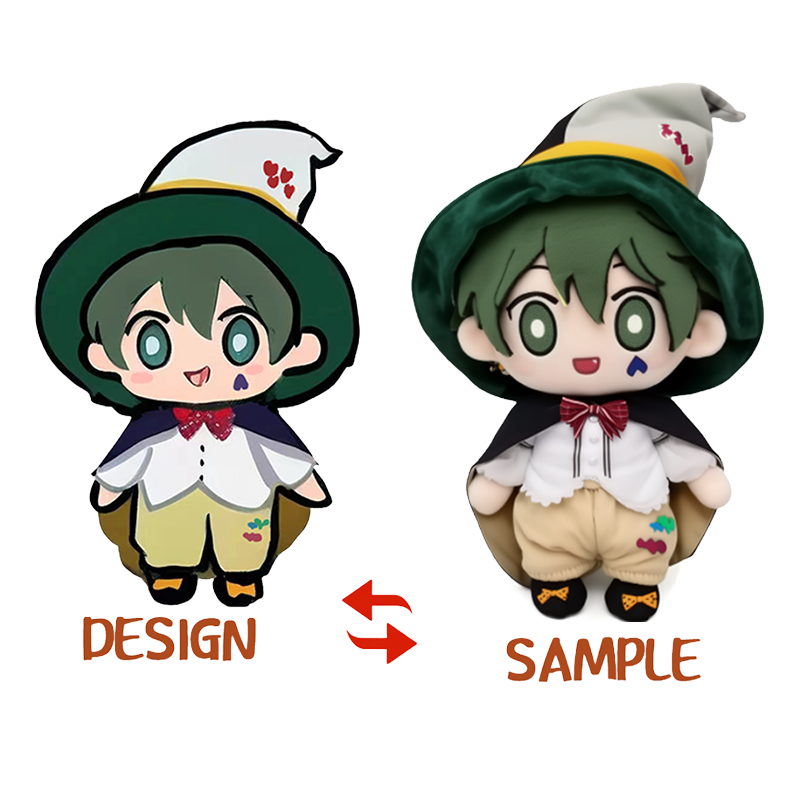
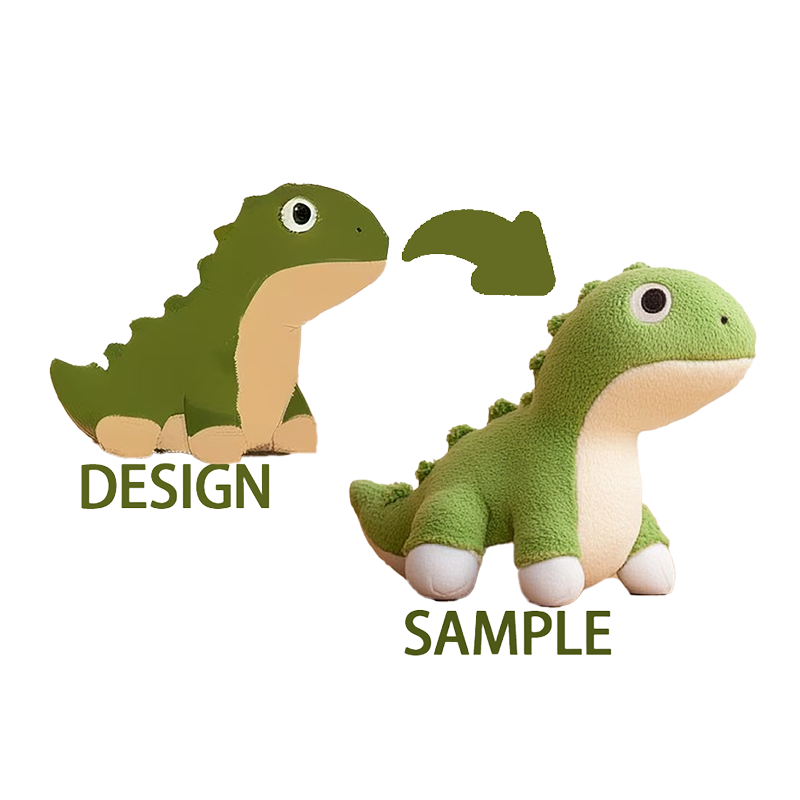
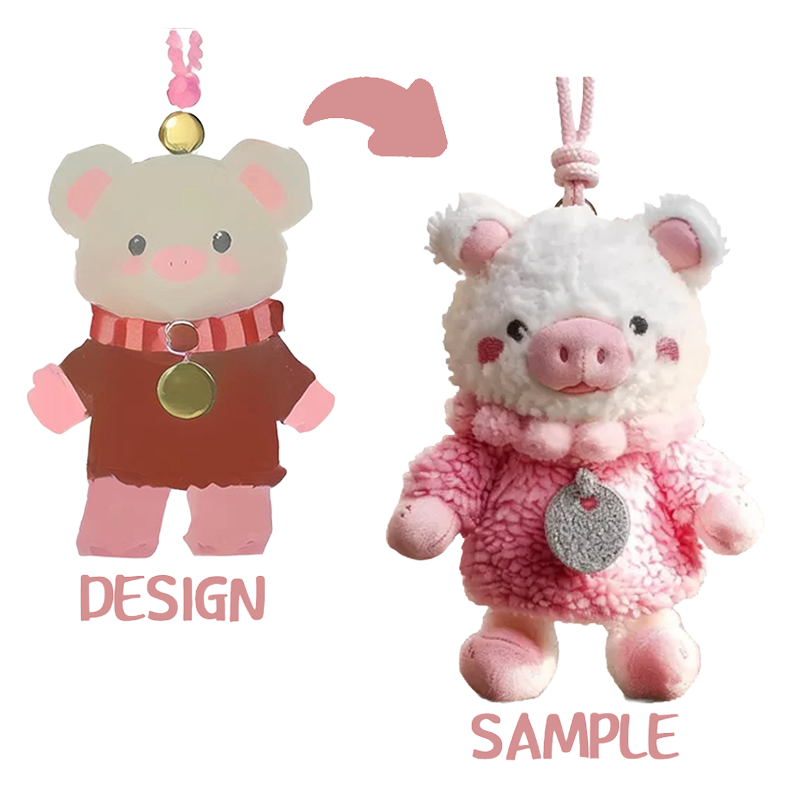
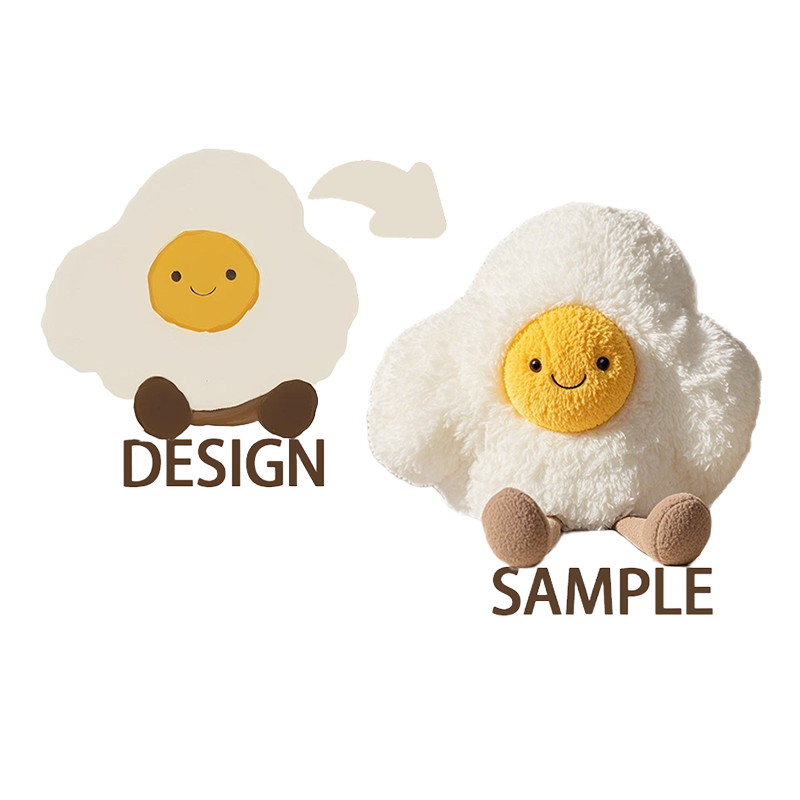
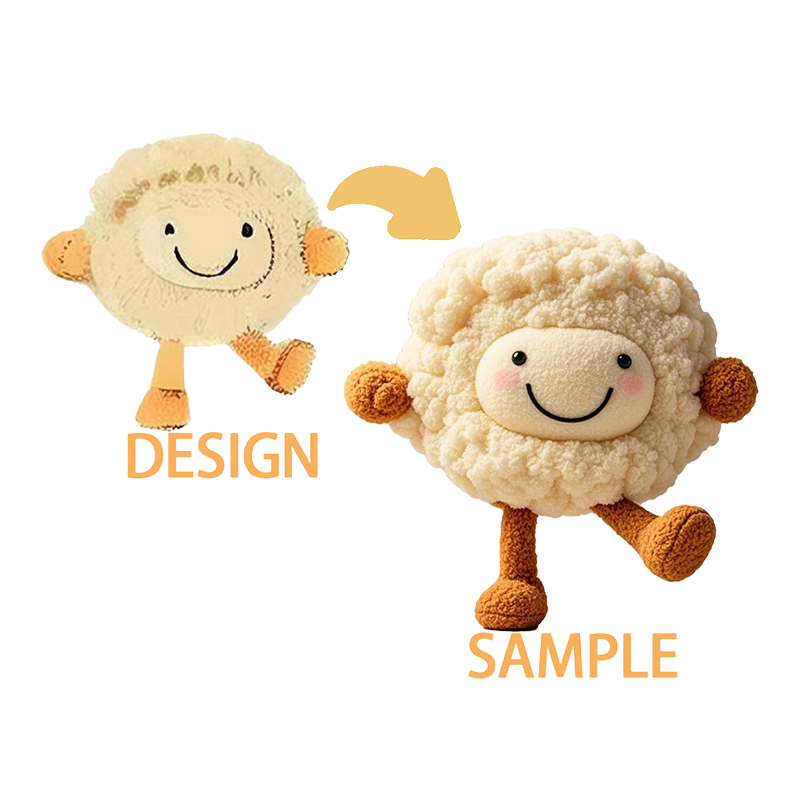
Kusibei Plush Toy Manufacturer specializes in exactly this kind of tailored production. As a professional custom pet plush manufacturer and wholesale pet chew toys supplier, Kusibei combines advanced manufacturing technologies with deep customization capabilities — allowing clients to specify materials, dimensions, color schemes, and branding elements. Whether you are a pet retailer seeking differentiated products or an individual looking for a one-of-a-kind gift, custom pet chew toys offer unmatched value.
The column chart above demonstrates the remarkable upward trajectory of the custom pet toy market over five years, from USD 1.2 billion in 2019 to an estimated 3.8 billion in 2024. This growth reflects a broader humanization trend in pet ownership — consumers are treating their pets like family members and allocating increasing spend toward premium, personalized products. The steepest growth occurred between 2022 and 2023, likely driven by increased pet adoption during the post-pandemic period and a surge in demand for custom pet gifts and personalized pet accessories. For manufacturers like Kusibei, this trajectory represents both a market opportunity and a responsibility to deliver products that meet evolving quality and personalization standards.
What to Expect From Custom Pet Chew Toy Manufacturers
When working with a custom pet chew toy manufacturer, buyers should expect transparent communication across several key areas:
- Material certifications (ASTM, EN71, REACH compliance)
- Minimum order quantities and sample policies
- Design-to-production lead times (typically 30–60 days for custom runs)
- Quality control procedures and inspection protocols
- Packaging and branding customization options
Eco Friendly Pet Toys: Responsible Choices for a Better Planet
Environmental awareness is reshaping the pet product industry. Eco friendly pet toys made from sustainable, biodegradable, or recycled materials are growing as a product category, particularly among millennial and Gen Z pet owners who prioritize sustainability across all purchasing decisions.
Natural rubber stands out as a leading eco-friendly chew toy material. Derived from the Hevea brasiliensis tree, natural rubber is biodegradable, renewable, and produced without petroleum-based compounds. When sourced from certified sustainable plantations, it carries a significantly lower environmental footprint than synthetic alternatives like PVC or standard nylon.
Additional eco-conscious features to look for in pet chew toys include hemp rope, organic cotton stuffing, water-based non-toxic dyes, and minimal plastic packaging. Choosing an eco friendly pet toy is not just better for the environment — it often correlates with higher safety standards for the dog, since manufacturers who care about environmental impact typically apply the same rigor to material safety.
How to Choose the Right Chew Toy for Your Dog
Selecting the right chew toy involves matching several variables: the dog's age, size, chewing intensity, and play style. The table below provides a quick-reference guide for matching toy types to dog profiles:
| Dog Profile | Recommended Toy Type | Key Features |
|---|---|---|
| Puppy (under 6 months) | Puppy Chew Toys | Soft rubber, freezable, no small parts |
| Light Chewer (adult) | Plush / Fabric Toys | Interactive, squeaky, soft textures |
| Moderate Chewer (adult) | Natural Rubber Dog Toys | Durable, dental texture, treat-dispensing |
| Heavy Chewer (power breed) | Indestructible / Tough Chew Toys | Reinforced nylon, extra-thick rubber |
| Senior Dog | Gentle Dental Chew Toys | Soft rubber, low resistance, joint-friendly |
| Anxious / Bored Dog | Interactive Dog Chew Toy | Treat-dispensing, puzzle design, durable |
The "10-Minute Rule" for Toy Safety Assessment
A commonly recommended approach from canine behavior specialists is the "10-minute rule": give your dog a new chew toy in a controlled environment and observe them for the first 10 minutes. Watch for excessive breakage, swallowing of large chunks, or signs of frustration. If the toy survives the first session intact and the dog remains engaged without distress, it is a suitable match. This simple test helps identify whether a toy is too hard, too soft, or appropriately sized for your dog's needs.
Daily Chewing vs. Occasional Chewing: Does Frequency Matter?
Short answer: yes, significantly. The dental, behavioral, and psychological benefits of chew toys compound with daily use. A dog that chews for 20 minutes a day, seven days a week, accumulates far more plaque-reduction and endorphin-related benefits than one that chews for an hour on Sundays.
Consistency is the key variable in chew toy effectiveness. Veterinary dental surveys consistently show that dogs with daily chew toy routines have measurably lower tartar buildup than those with irregular access. From a behavioral standpoint, the calming effect of chewing is strongest when it becomes a predictable part of the dog's daily schedule — much like how a regular walk reduces general anxiety even on non-walk days.
This comparison chart makes a compelling case for daily chewing routines. The daily chewing group (solid pink line) accumulates benefit at a far steeper rate, approaching a composite score of nearly 97 out of 100 by week 7. The occasional chewing group (dashed line) plateaus around the 50-54 range — roughly half the benefit over the same timeframe. What is particularly notable is the early divergence: even by week one, the daily group already outperforms the occasional group by over 2x. This early gap widens consistently over the study period, confirming that establishing a daily routine quickly and maintaining it over time yields dramatically superior outcomes across dental health, behavioral stability, and mental engagement. Pet owners should view daily chew toy access not as a luxury, but as a fundamental component of responsible pet care.
Frequently Asked Questions About Dog Chew Toys
Q1. How long should a dog chew on a toy each day?
Most veterinarians recommend 15–30 minutes of chewing per session, one to two times per day. This is enough time to gain meaningful dental and behavioral benefits without overworking the jaw muscles. Always supervise new chewing sessions, especially with young or aggressive chewers.
Q2. Are natural rubber dog toys safe for all breeds?
Natural rubber is generally considered one of the safest chew toy materials available. It is flexible, non-toxic, and designed to withstand significant chewing force without splintering. However, dogs with known latex sensitivities (a rare condition) should use non-rubber alternatives. Always select a size appropriate to your dog's breed and weight.
Q3. What is the best chew toy for a dog that destroys everything?
For dogs that tear through standard toys quickly, look specifically for products marketed as indestructible dog toys or tough chew toys for heavy chewers. These are typically made from reinforced thermoplastic rubber or military-grade nylon. Double-check the weight range on the label — undersized toys are far more likely to break apart and pose ingestion risks.
Q4. Can chew toys replace professional dental cleanings for dogs?
Chew toys are an excellent supplement to professional dental care, but they are not a replacement. They help reduce plaque and tartar buildup between cleanings, which can extend the intervals between professional procedures and reduce the severity of buildup. Annual professional veterinary dental exams remain recommended for all dogs.
Q5. Can I order custom pet chew toys with my brand logo?
Yes. Manufacturers like Kusibei Plush Toy Manufacturer offer comprehensive custom pet branding services, including logo embroidery, custom shapes, specific color matching, and tailored packaging. These services are available for both retail and wholesale orders, making them ideal for pet businesses, vet clinics, and corporate gifting programs seeking personalized pet accessories.
Q6. Are eco friendly pet toys as durable as conventional ones?
Durability varies by brand and material, but many eco friendly pet toys made from natural rubber or organic hemp rope perform comparably — or better — than synthetic alternatives. The key is to check the product specifications and read independent reviews. Natural rubber in particular is known for its toughness and longevity, making it a strong choice for both environmental and practical reasons.
We specialize in the design and production of plush toys to provide customers with unique customized services