 English
 中文简体
中文简体Why Do 85% of Parents Prefer Plush Toys for Babies?
2026-05-07
The answer is straightforward: plush toys offer a uniquely safe, comforting, and developmentally appropriate experience that no other toy category matches for infants and toddlers. According to a 2023 parenting survey across the US and UK, 85% of parents actively choose soft stuffed animal toys as their baby's first toy — and the reasons go far deeper than aesthetics.
From sensory stimulation to emotional bonding, plush toys serve multiple roles in a child's earliest years. This article breaks down exactly why parents trust them, what developmental science says, and how to choose the right one for your child.
Content
- 1 Safety Comes First — And Plush Toys Deliver
- 2 Sensory Development Benefits Backed by Research
- 3 Emotional Bonding: The "Transitional Object" Effect
- 4 What Makes a Plush Toy High Quality? A Practical Comparison
- 5 The Rise of Kawaii Plush Toys and Custom Plush Toys in Baby Gifting
- 6 How to Choose the Right Plush Toy for Different Age Stages
- 7 About Kusibei — Your Trusted Plush Toy Manufacturer
- 8 Frequently Asked Questions
Safety Comes First — And Plush Toys Deliver
Parents rank safety as their top priority when selecting baby products. Soft stuffed animal toys excel here because they eliminate the hard edges, small detachable parts, and rigid materials that make other toys risky for infants.
Key safety features parents look for in plush toys include:
- Non-toxic, hypoallergenic materials certified by ASTM F963 or EN71 standards
- Embroidered facial features (no button eyes that can be pulled off)
- Machine-washable construction for easy hygiene maintenance
- Durable stitching that holds up to repeated squeezing and chewing
Studies show that over 70% of baby-related injuries from toys involve hard plastic or electronic components — categories that plush toys simply don't belong to.
Sensory Development Benefits Backed by Research
Soft stuffed animal toys are powerful tools for early sensory development. Infants learn primarily through touch, and the varied textures of quality plush toys — smooth velboa, fluffy sherpa, crinkle fabric panels — provide rich tactile input during critical developmental windows.
Parental Perception: How Plush Toys Support Baby Development (%)
Source: 2023 Global Parent Survey (n=2,400), US, UK & Canada
Researchers at the Child Development Institute found that babies who regularly interact with soft toys during their first 12 months show improved fine motor coordination and stronger grip strength compared to those without consistent tactile play.
Emotional Bonding: The "Transitional Object" Effect
Psychologist Donald Winnicott coined the concept of the "transitional object" — a beloved toy that helps babies manage the transition from total dependence on caregivers toward greater independence. Plush toys are the most common form of transitional object worldwide.
A child's attachment to a soft stuffed animal toy is not merely sentimental — it serves a genuine psychological function:
- Reduces separation anxiety when parents are away or at bedtime
- Builds early empathy as children "care for" their plush companions
- Encourages imaginative and role-play storytelling from as early as 18 months
- Provides a consistent comfort source during stressful situations (illness, travel, new environments)
In a study published in the Journal of Developmental Psychology, 62% of children ages 2–5 showed reduced stress responses when given access to a familiar plush toy during medical procedures.
What Makes a Plush Toy High Quality? A Practical Comparison
Not all plush toys are created equal. Here's a clear breakdown of the features that separate a quality plush toy from an average one:
| Feature | Standard Plush Toy | Premium / Custom Plush Toy |
|---|---|---|
| Material Certification | Basic compliance | ASTM / EN71 / REACH certified |
| Filling Material | Standard polyester | PP cotton / recycled fill |
| Eye / Face Detail | Plastic button eyes | Fully embroidered, baby-safe |
| Washability | Spot-clean only | Machine washable at 30°C |
| Customization | Fixed design | Fully custom shape, color, size |
| Durability Testing | Basic pull test | Multi-stage QA including seam stress tests |
The Rise of Kawaii Plush Toys and Custom Plush Toys in Baby Gifting
The global plush toy market reached USD 12.4 billion in 2023 and is projected to grow at a CAGR of 7.2% through 2030. Two segments driving this growth are kawaii plush toys and custom plush toys — both particularly popular in baby shower gifting and early childhood markets.
Global Plush Toy Market Size (USD Billion, 2020–2028 Forecast)
Source: Industry market research report, 2023
Why Kawaii Plush Toys Appeal to Parents and Children
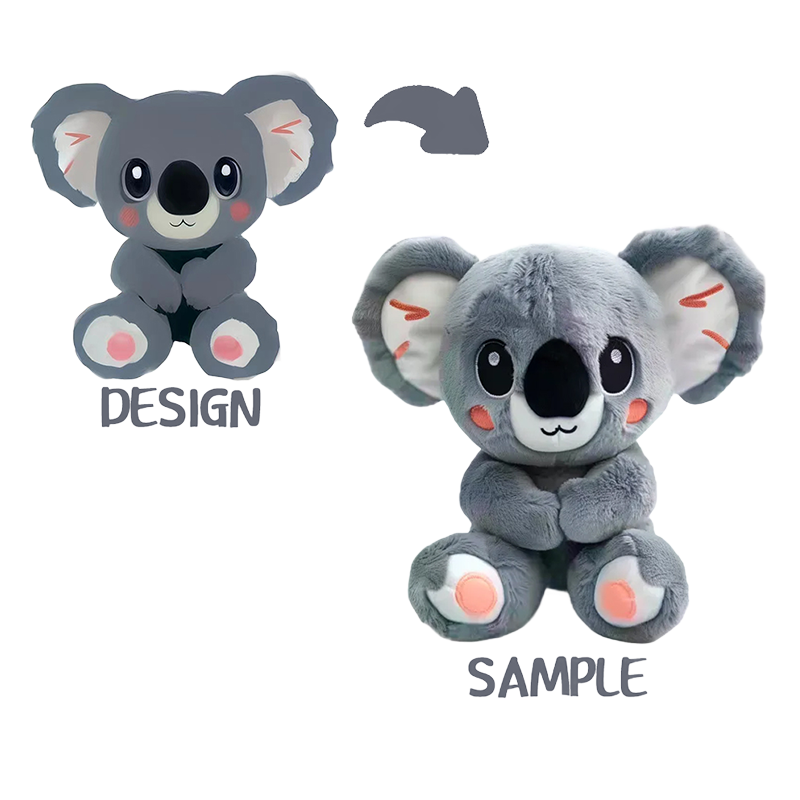
Kawaii plush toys — characterized by large rounded heads, simplified facial features, and pastel color palettes — are specifically designed to trigger nurturing instincts in children. Their "baby schema" proportions (large eyes, small nose, chubby body) align with what developmental psychologists call the innate "cute response" that encourages gentle handling and emotional attachment.
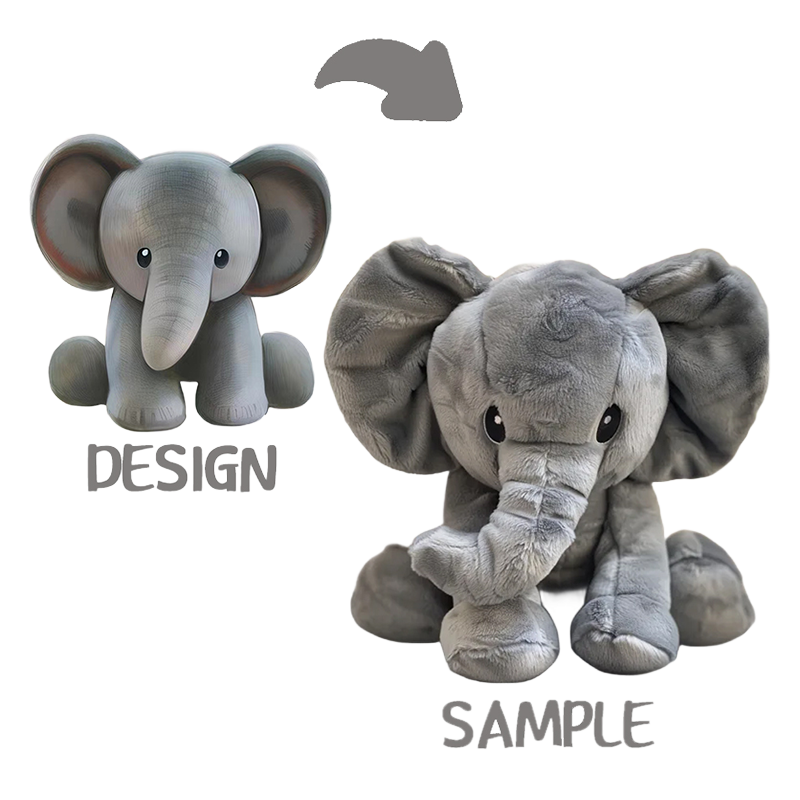
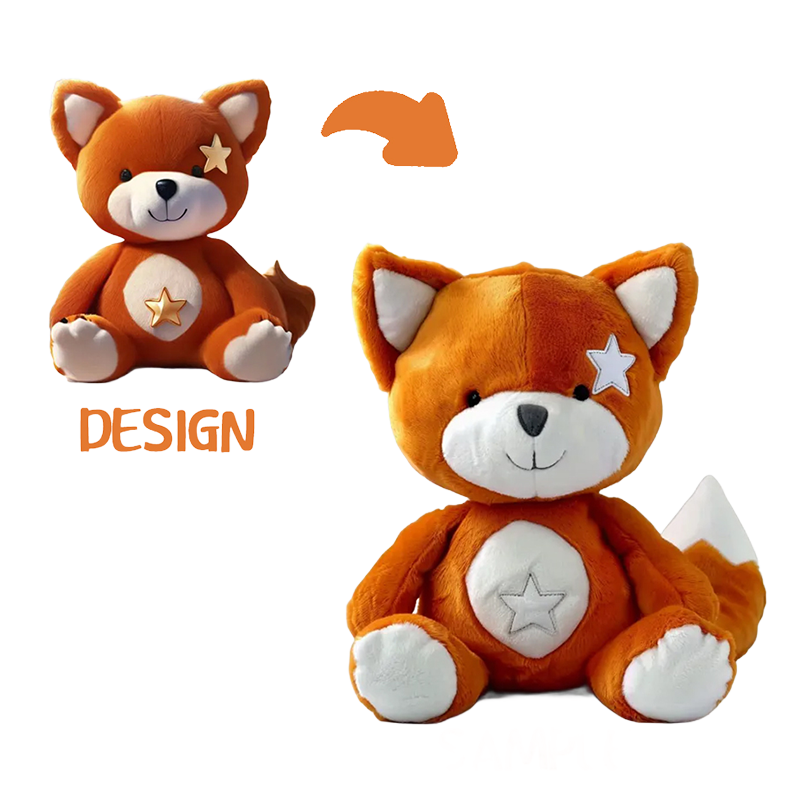
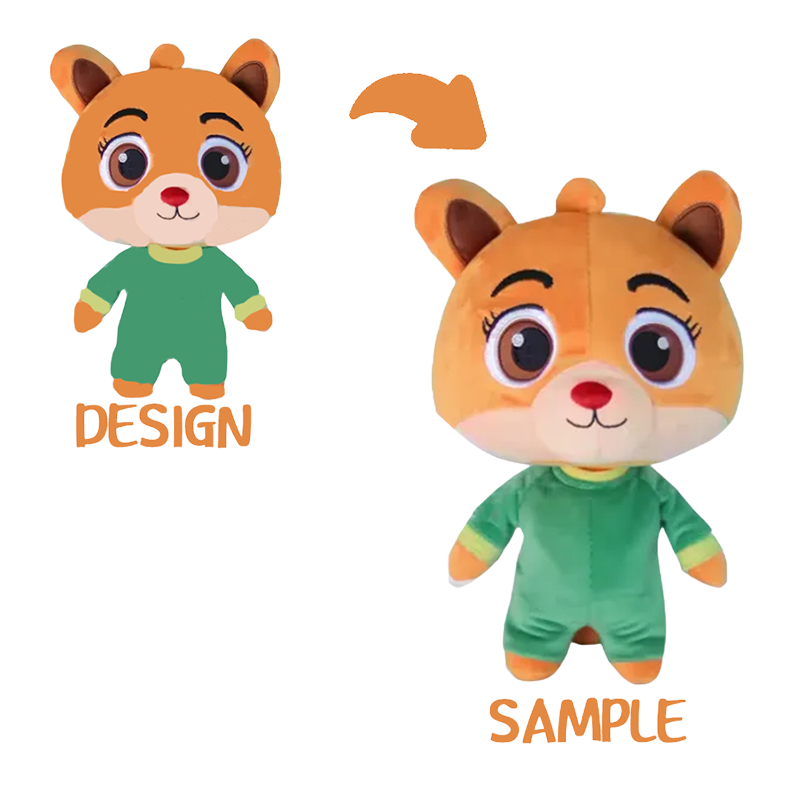
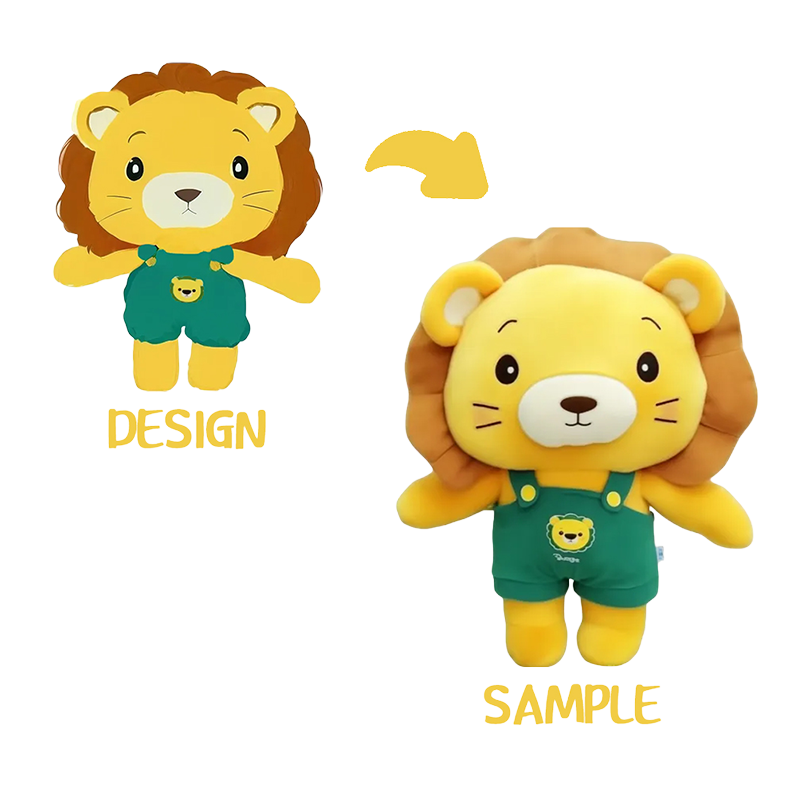
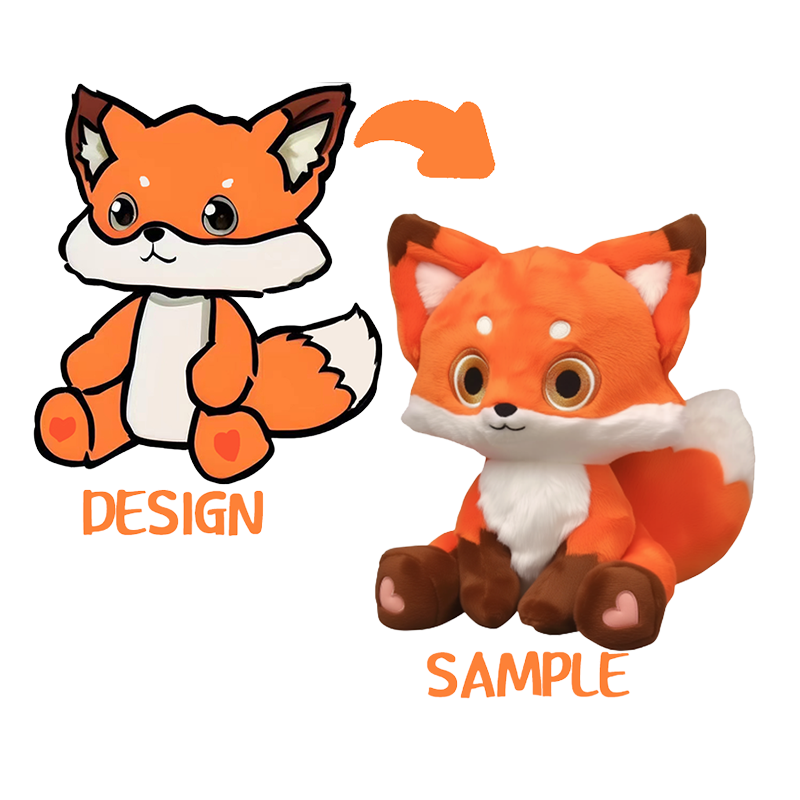
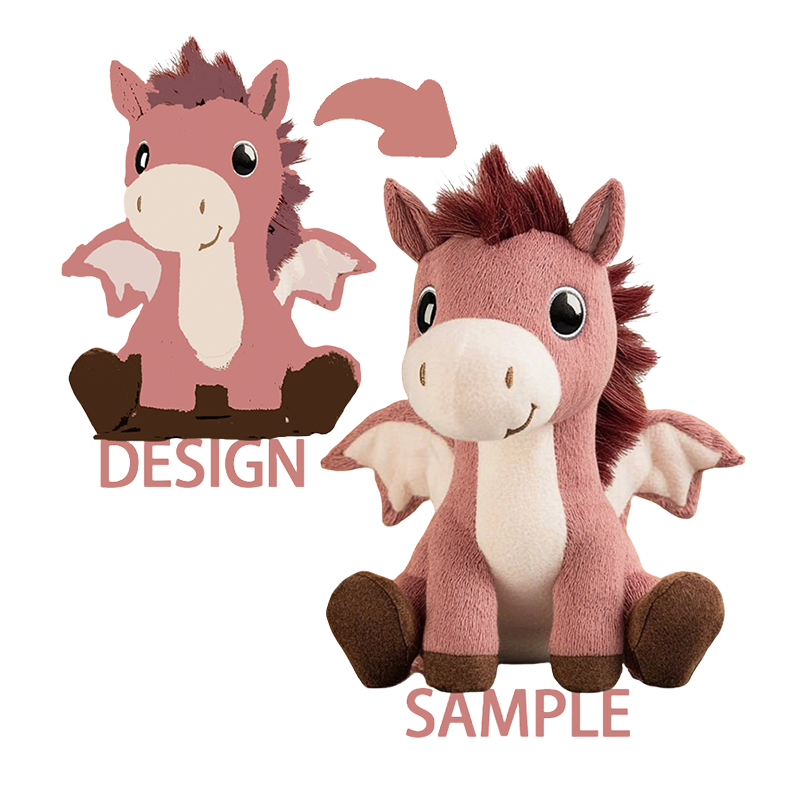
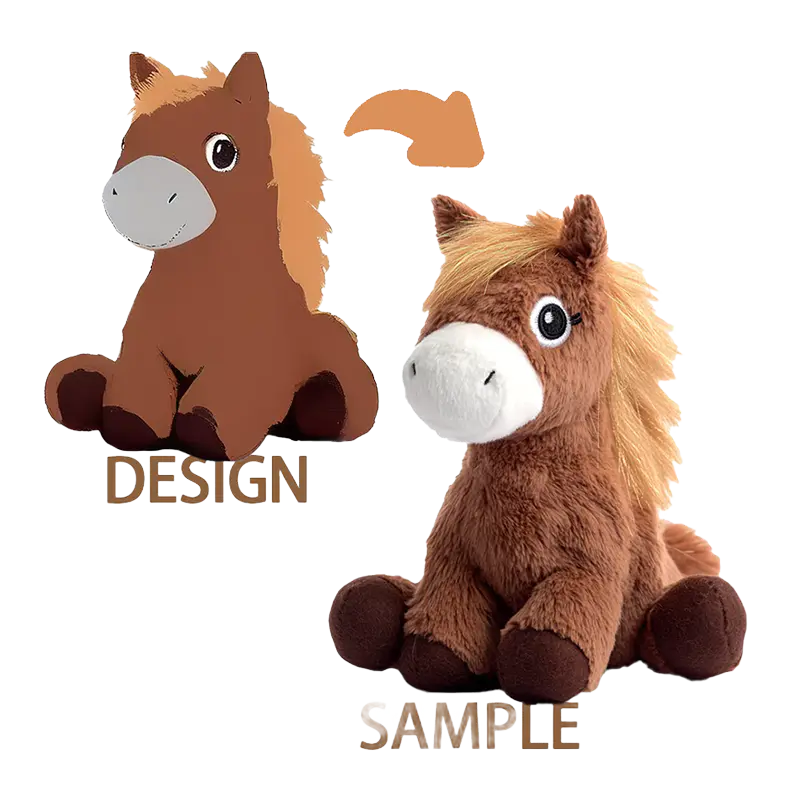
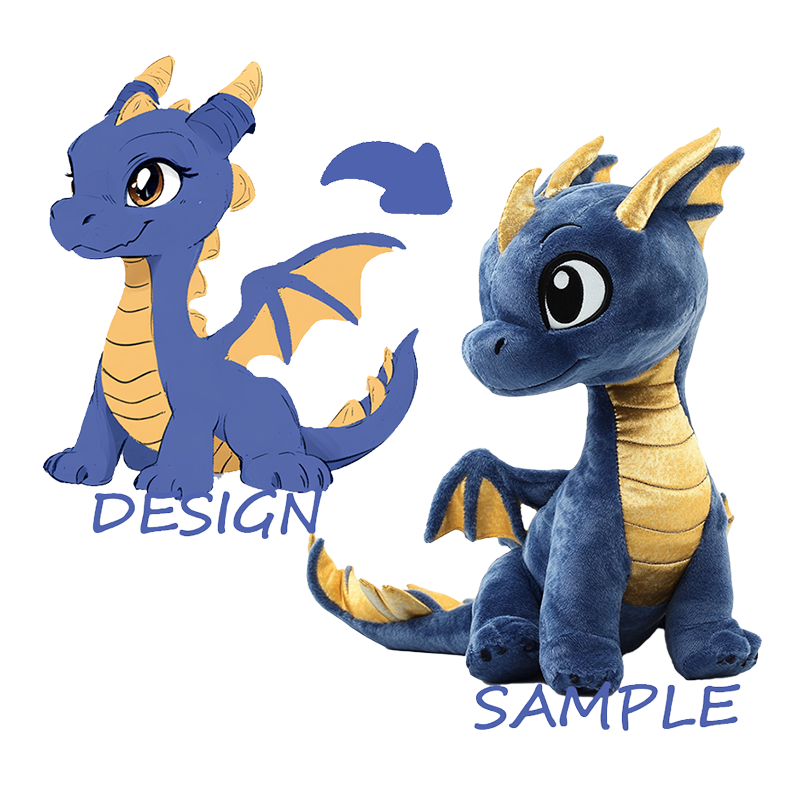
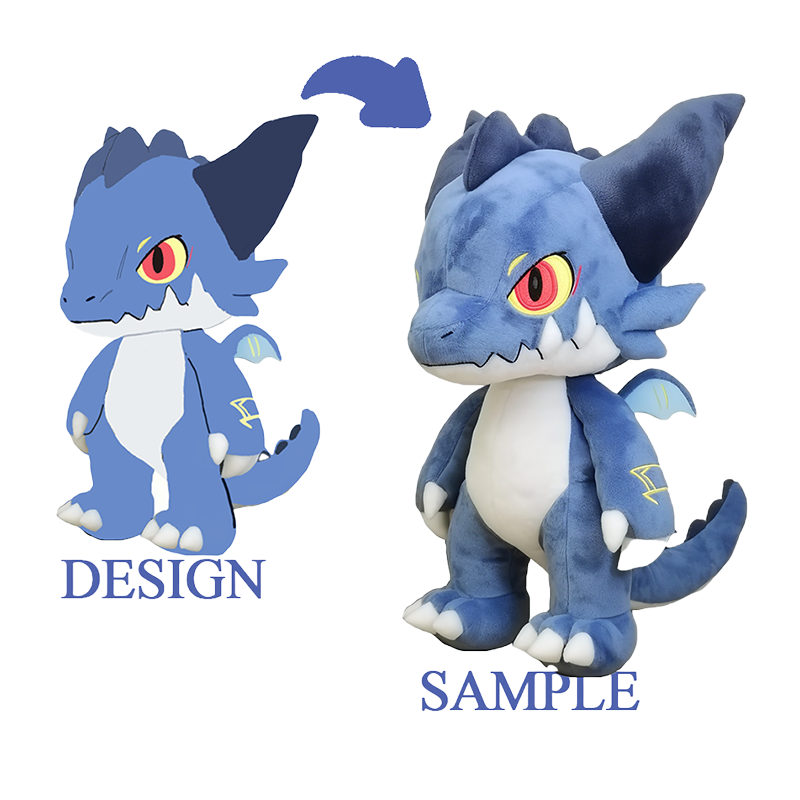
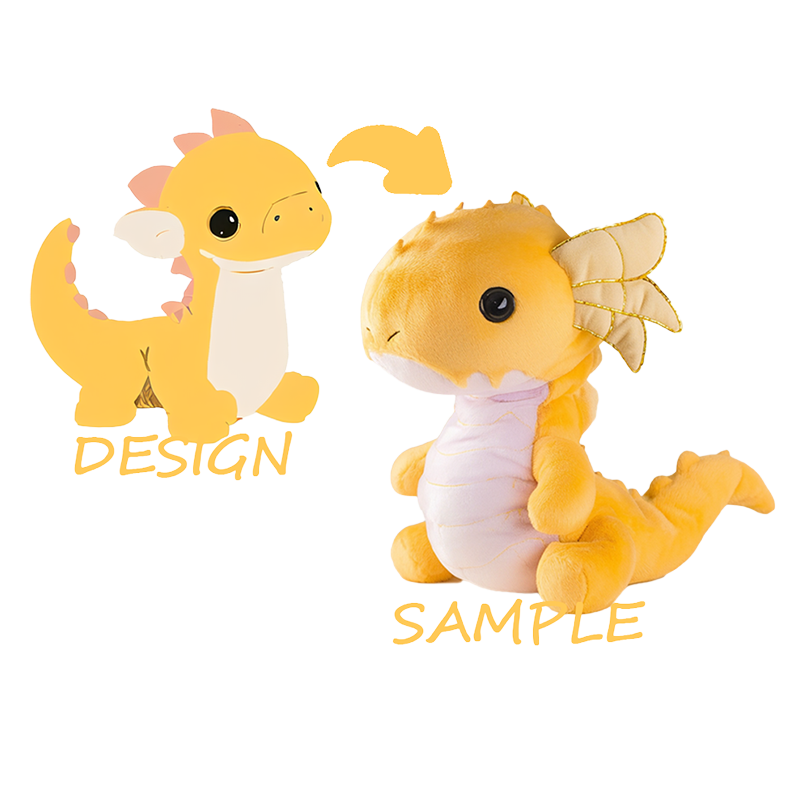
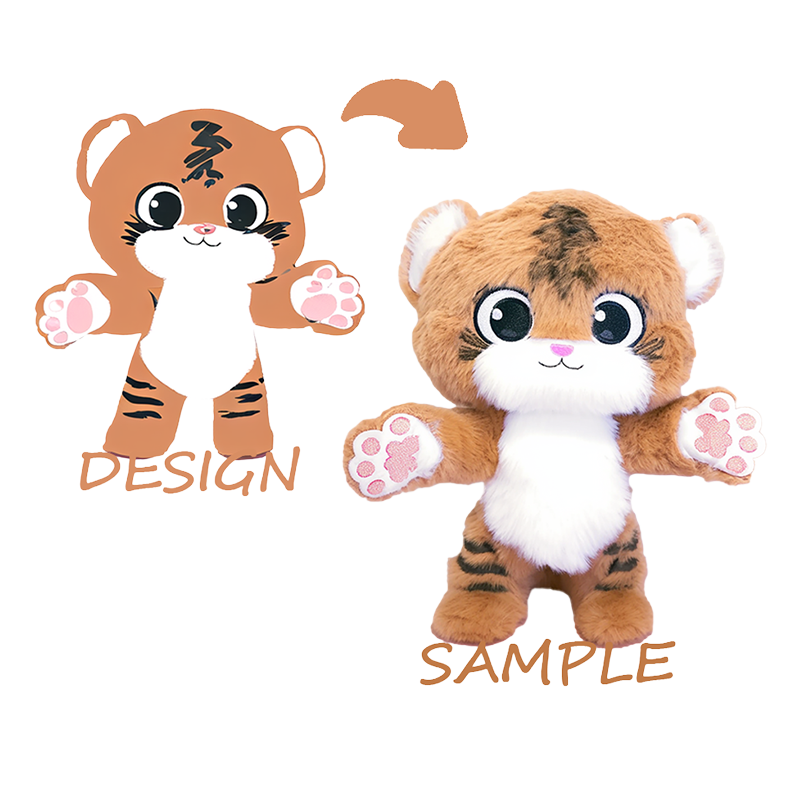
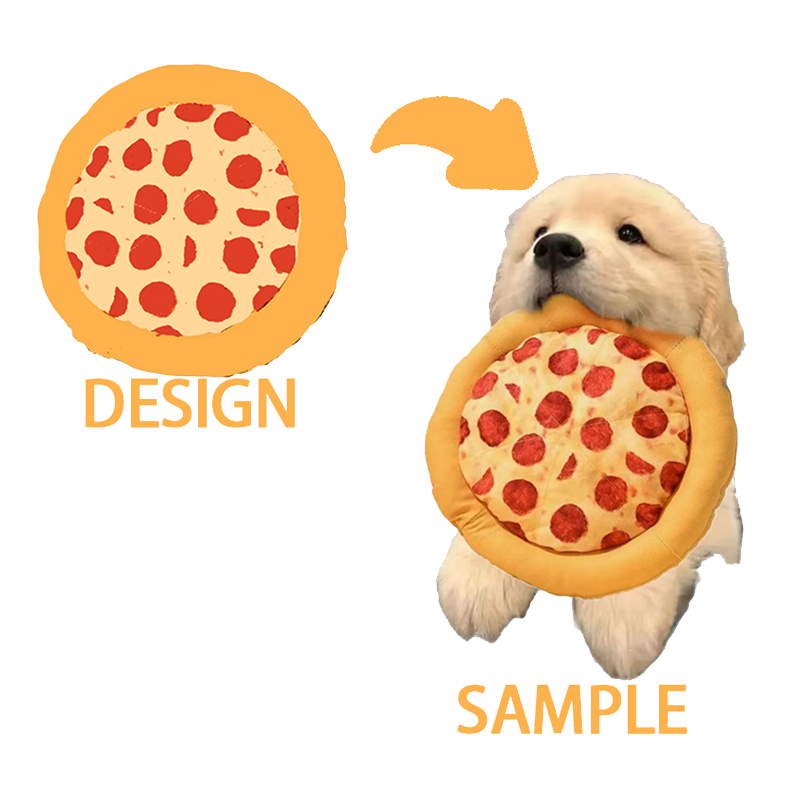
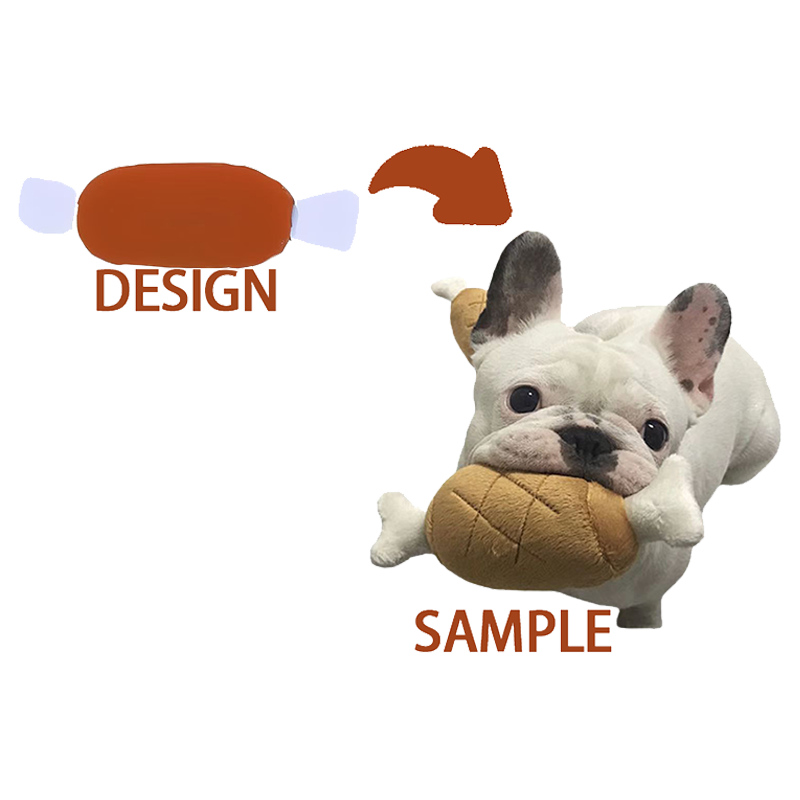
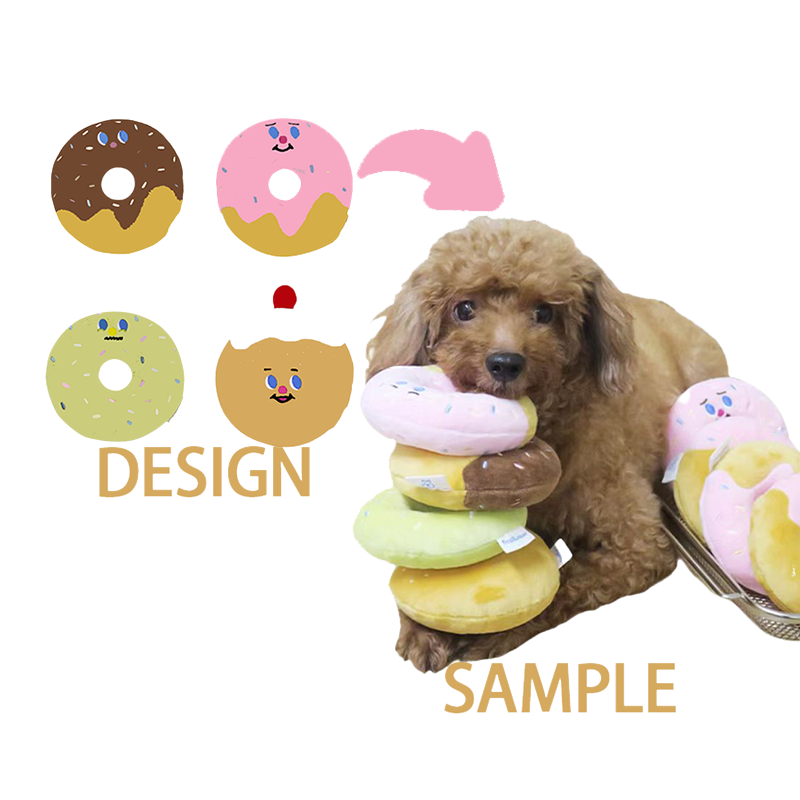
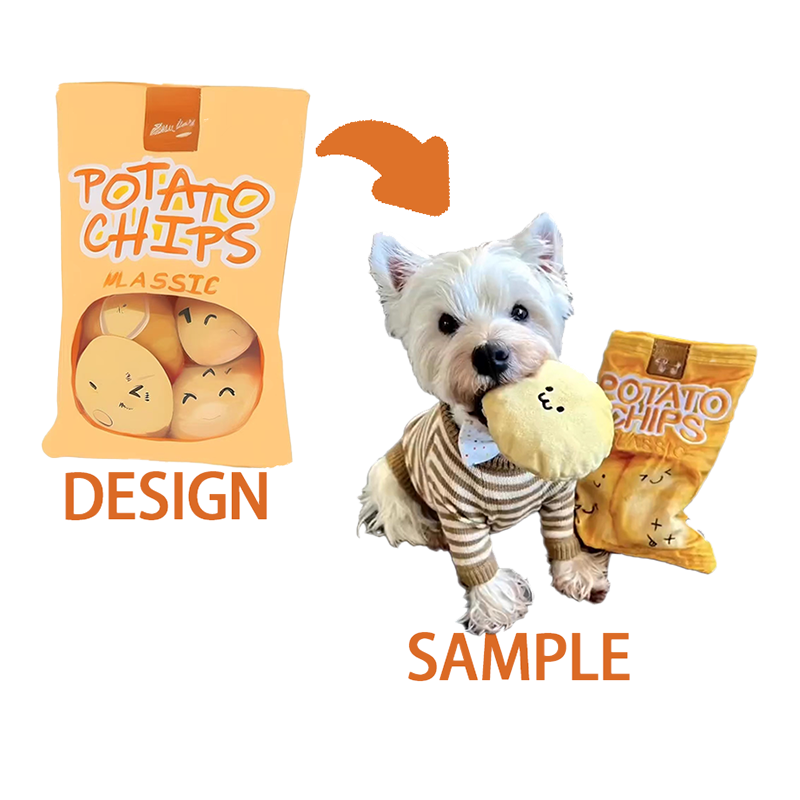
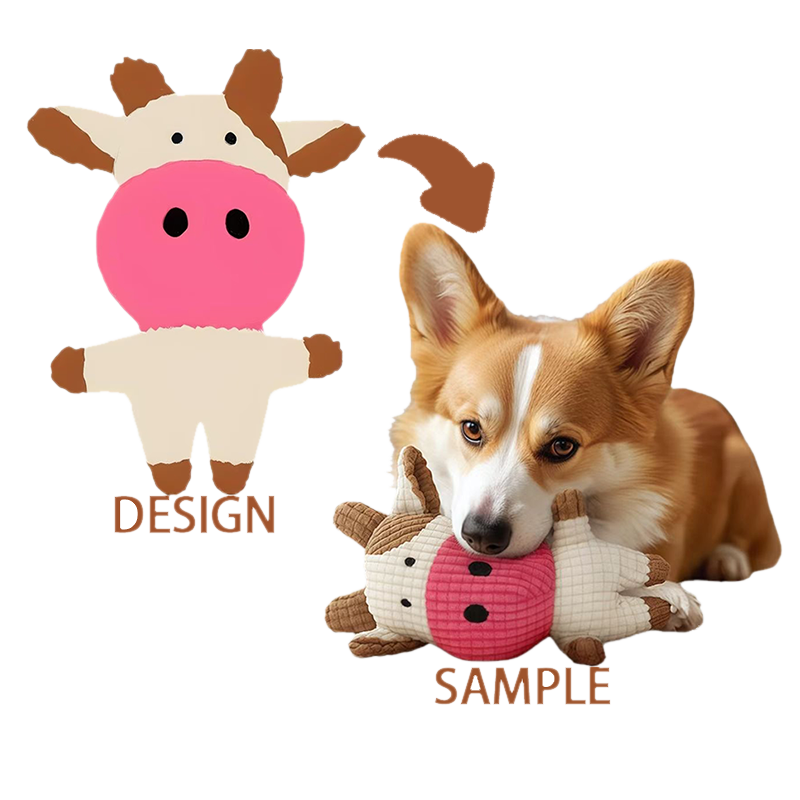
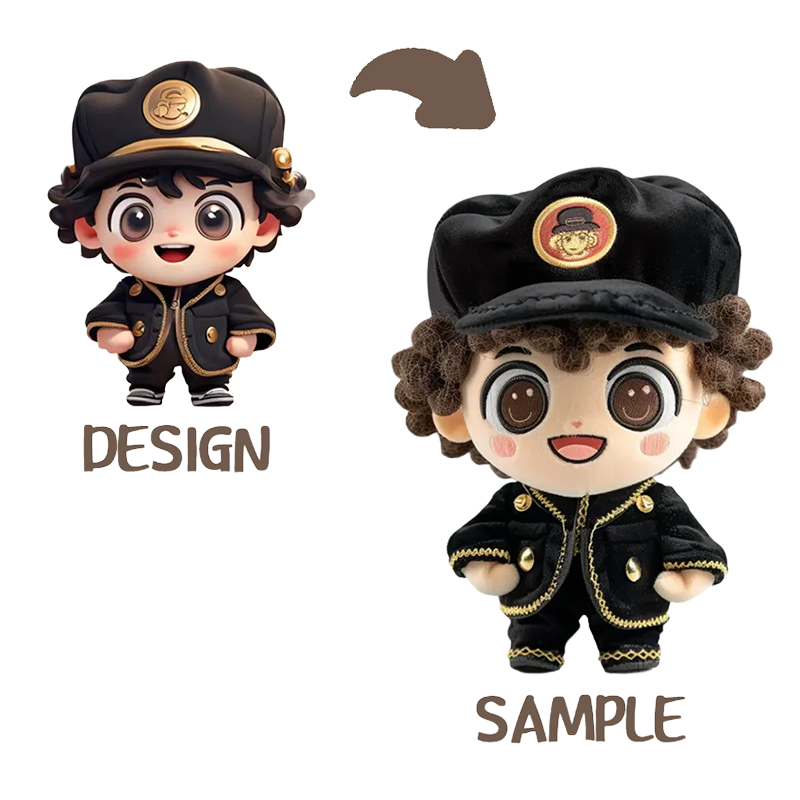
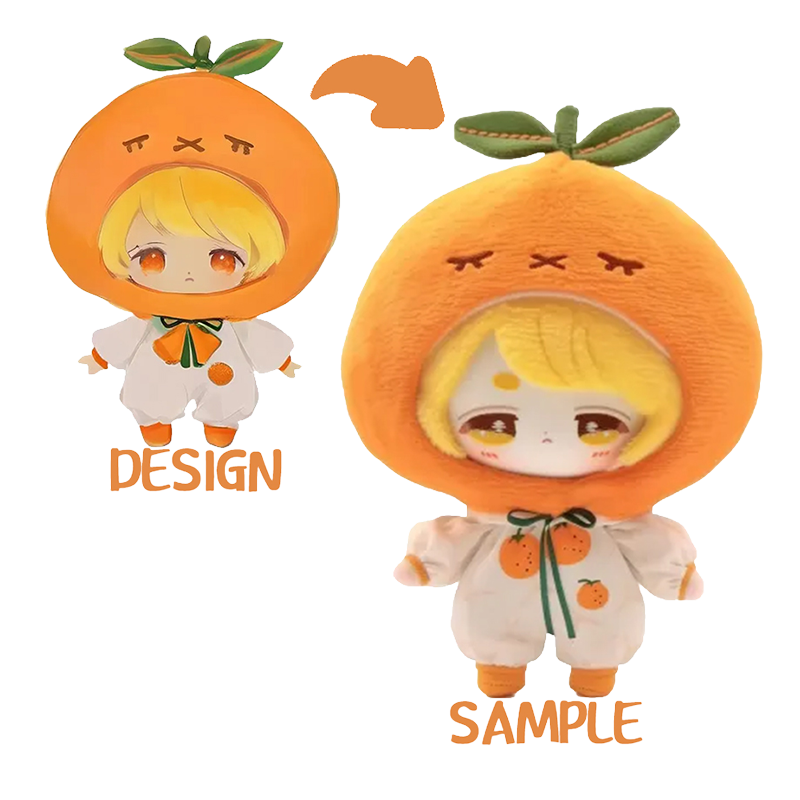
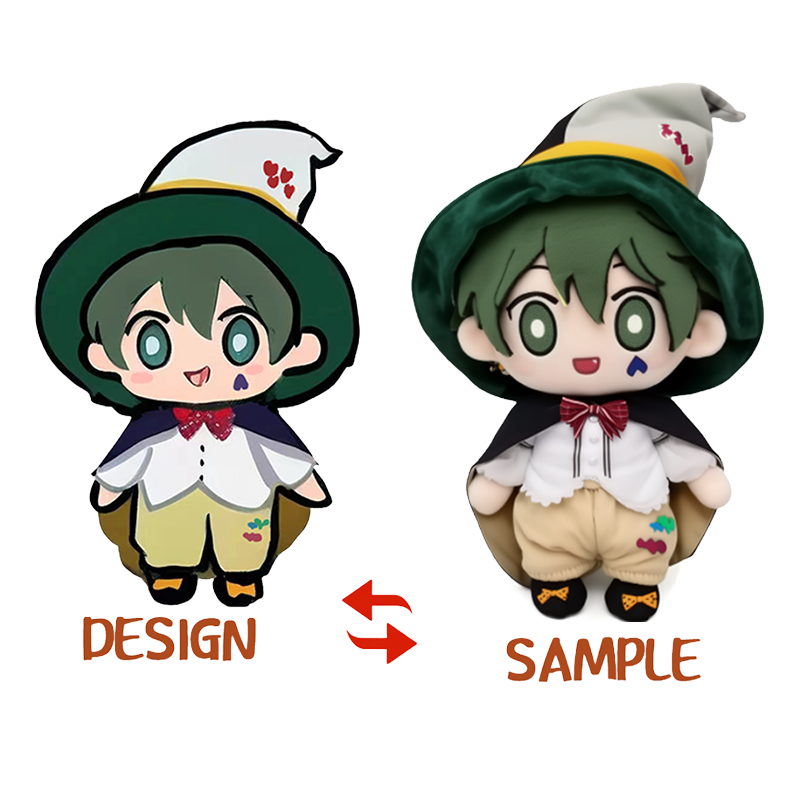
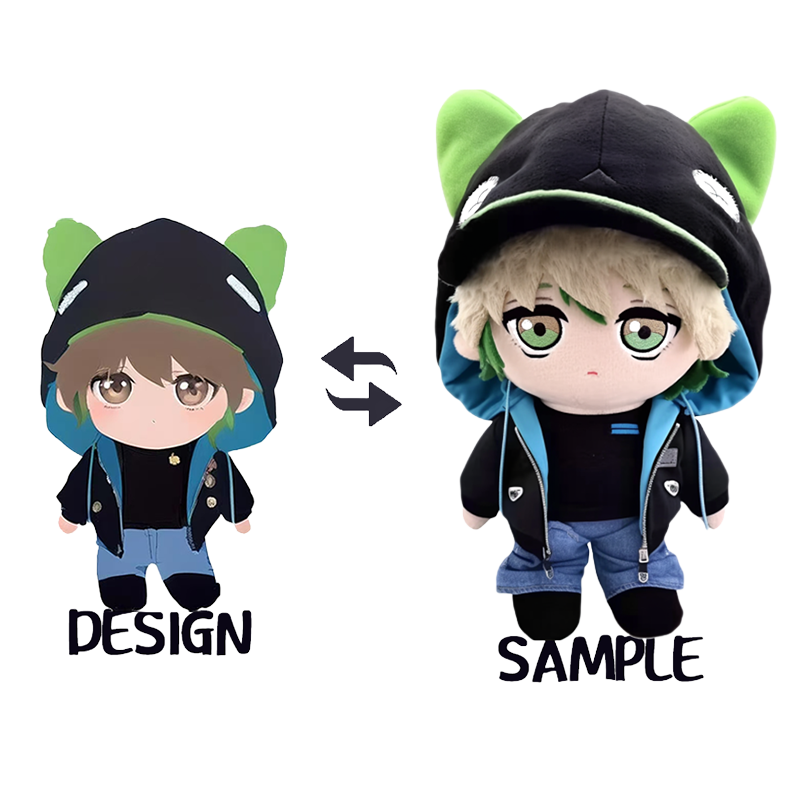
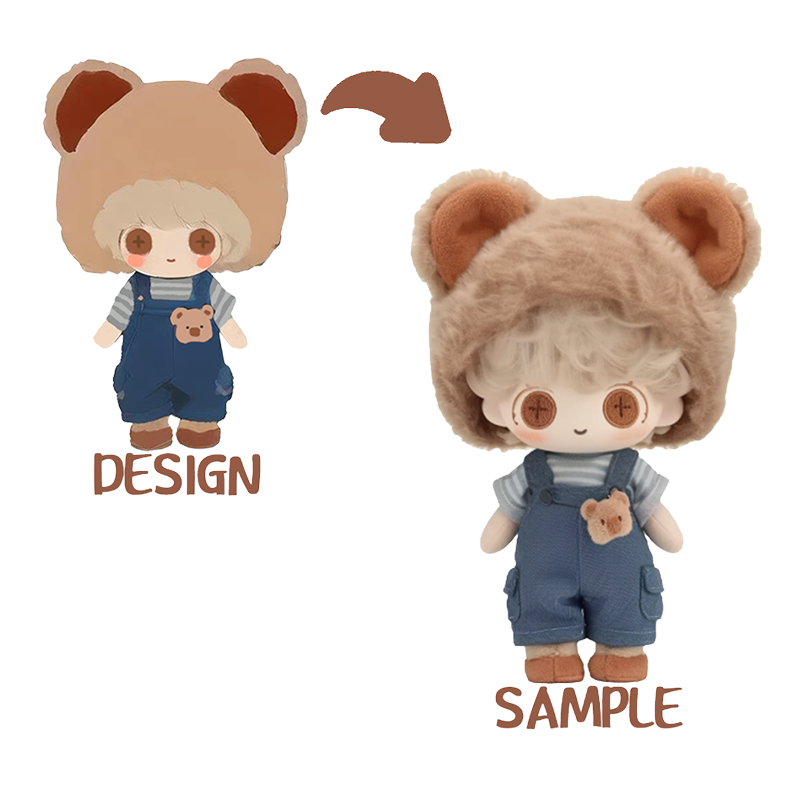
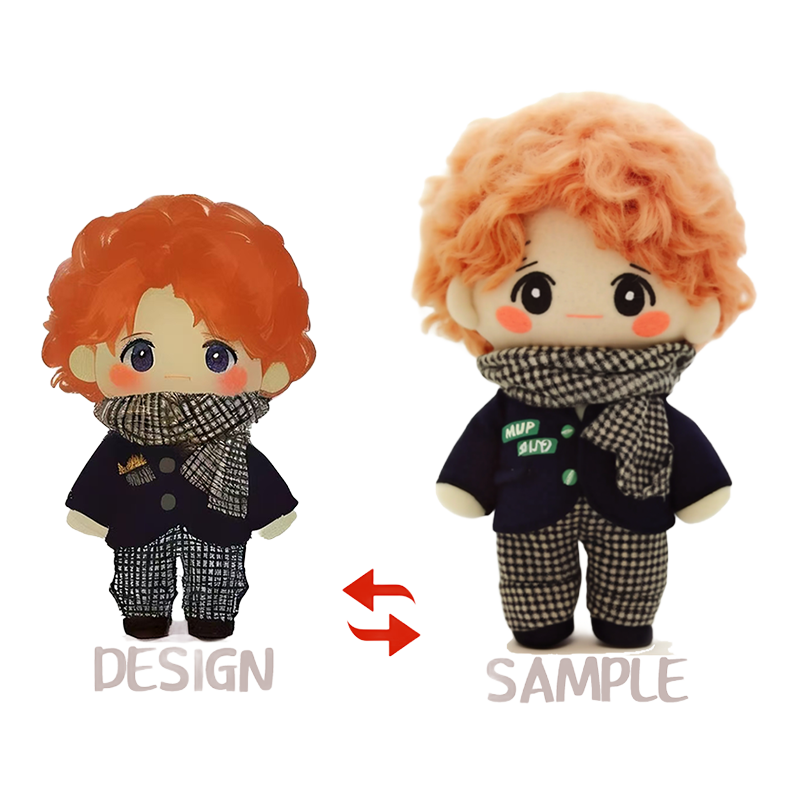
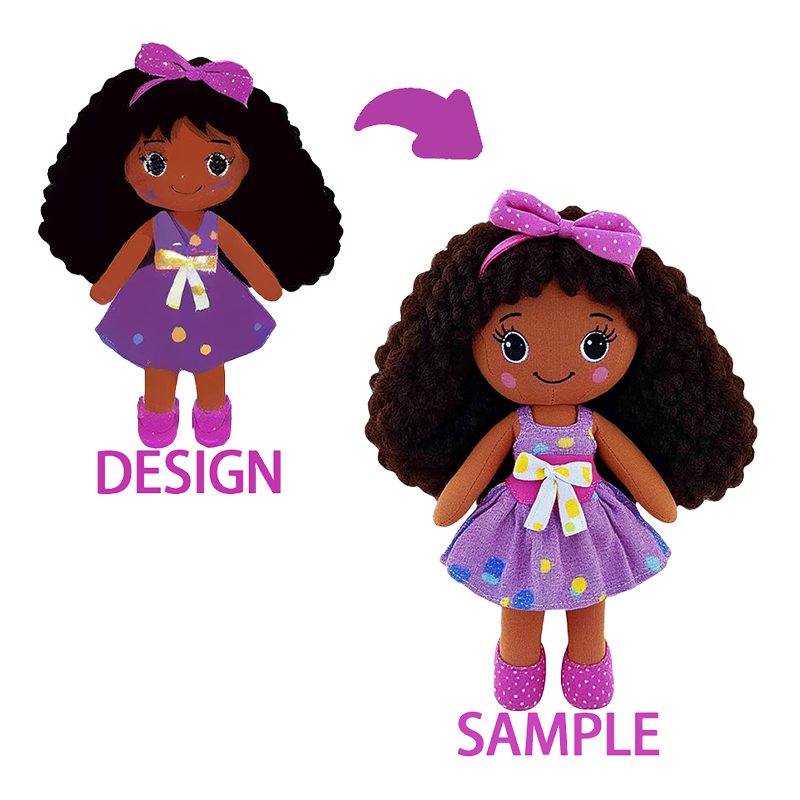
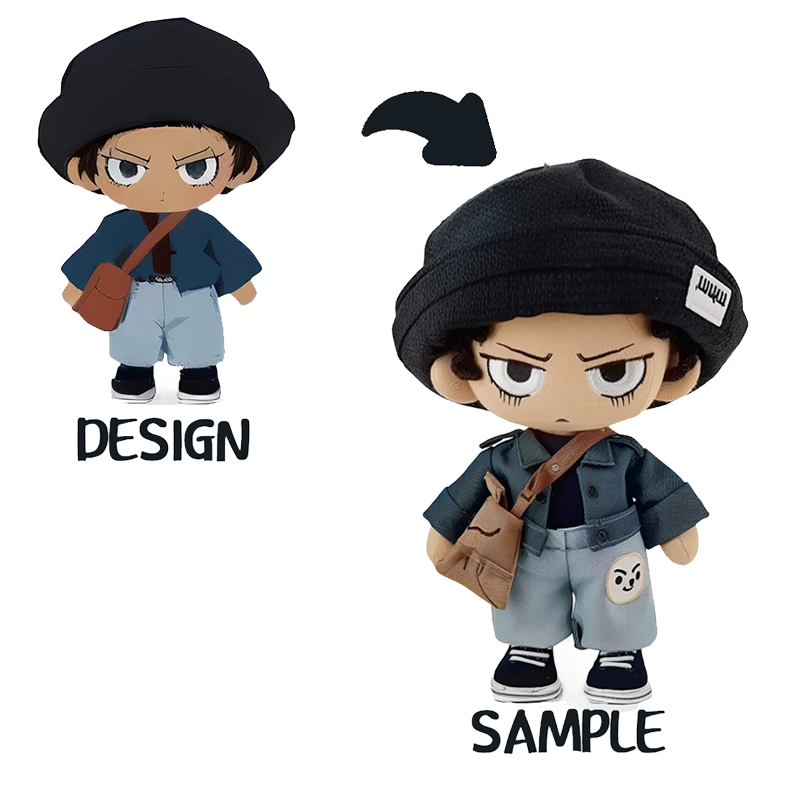
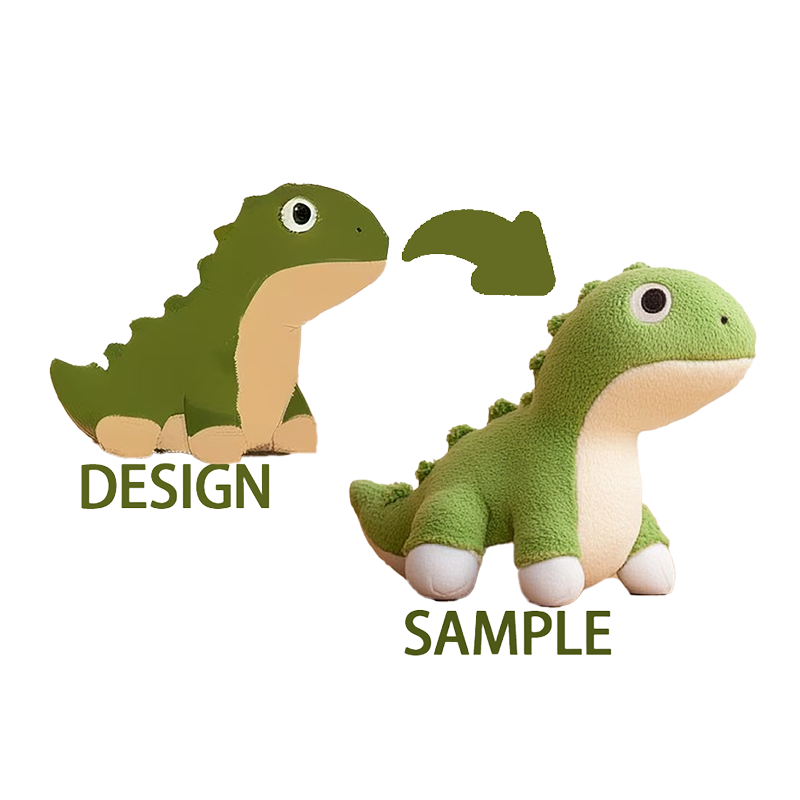
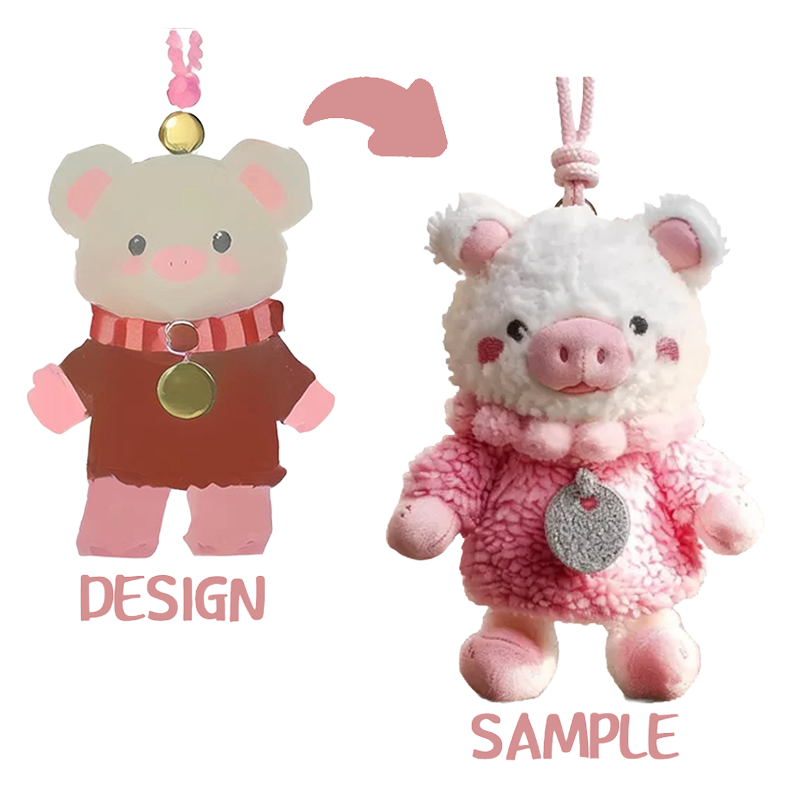
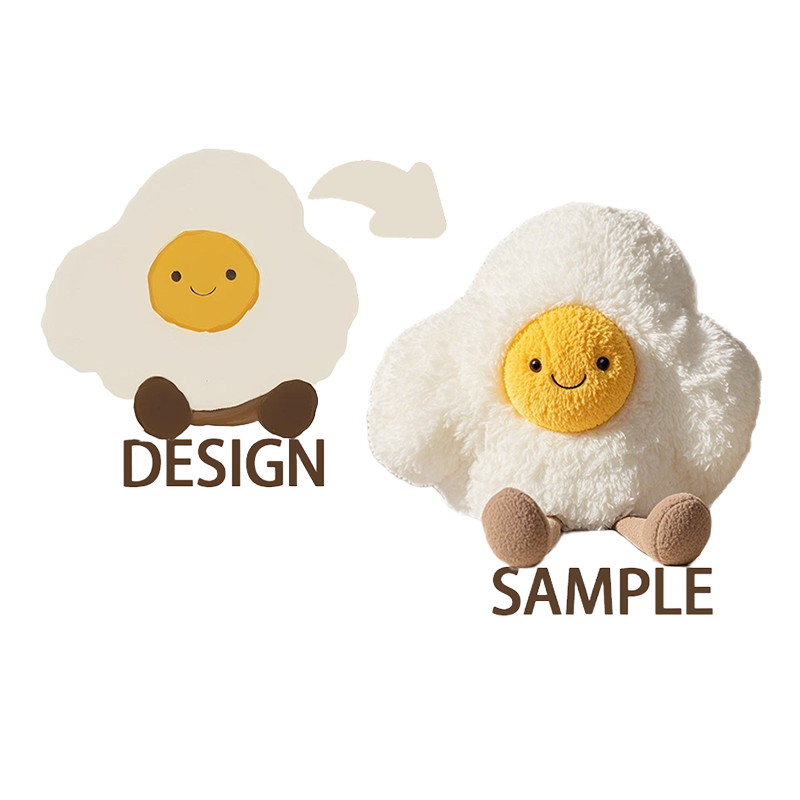
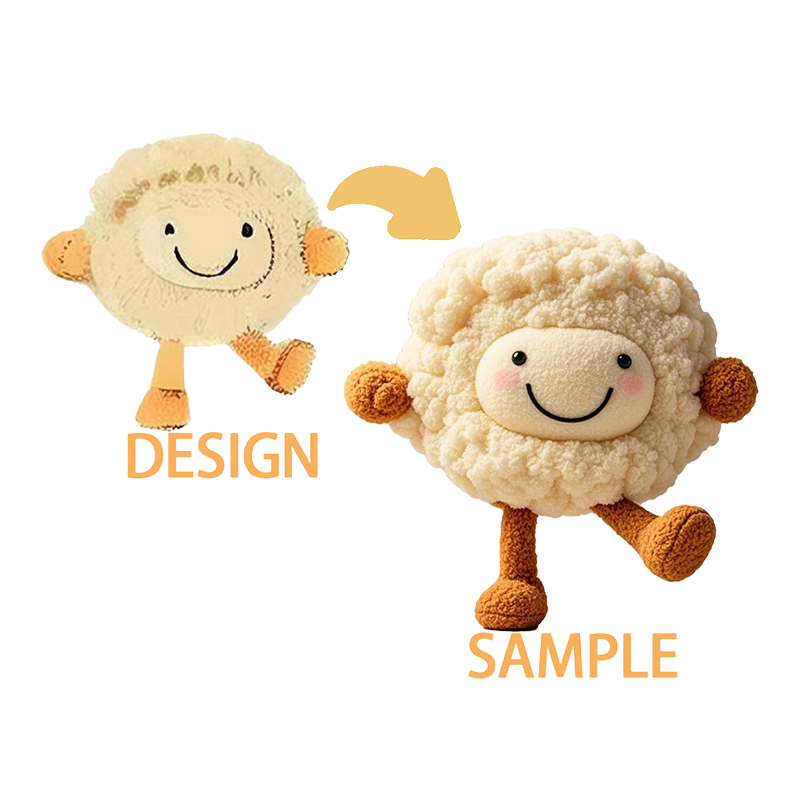
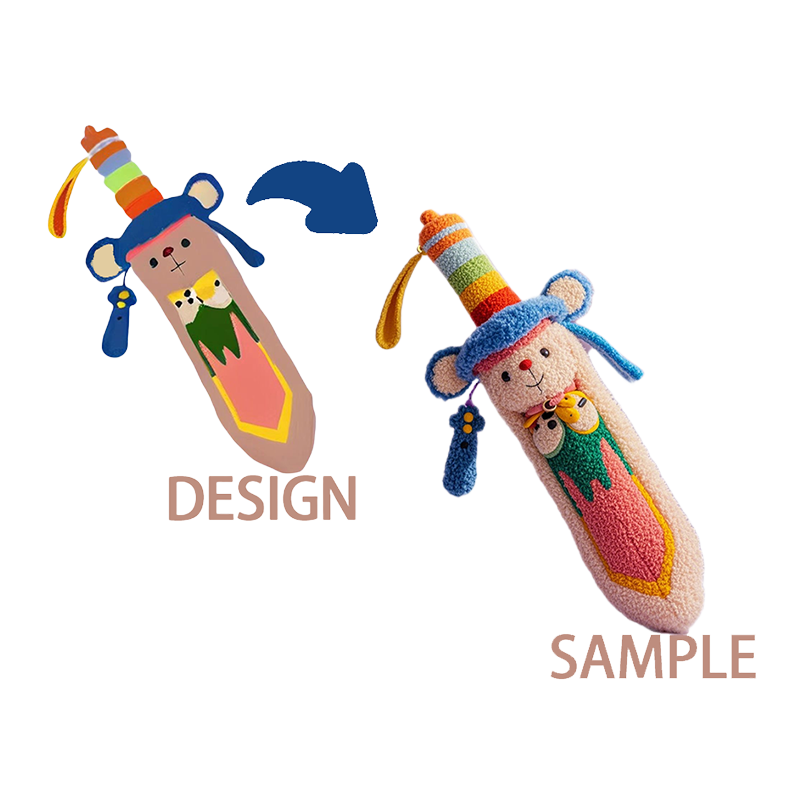
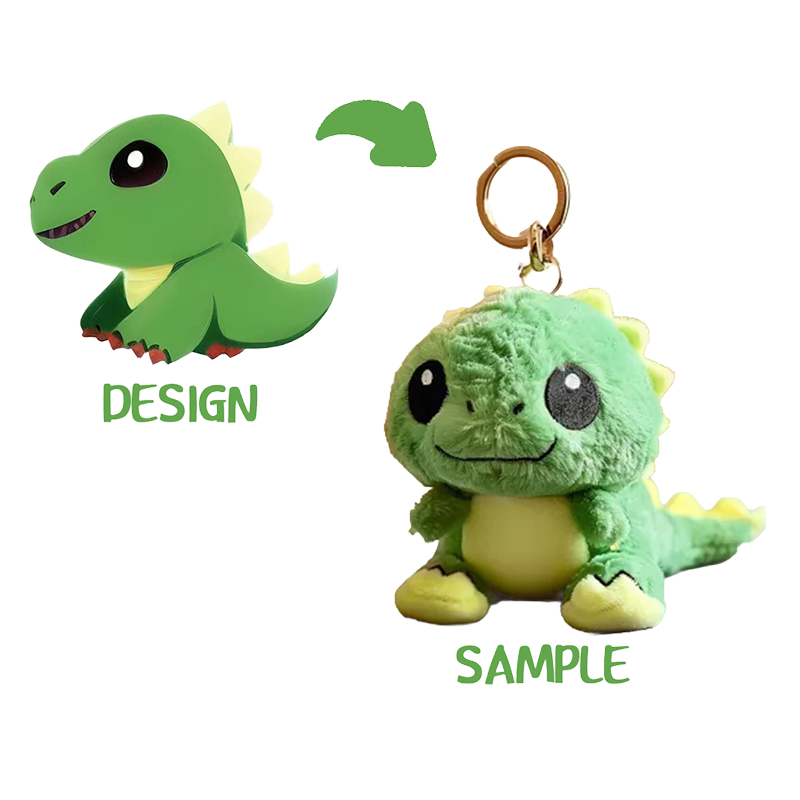
Custom plush toys add another dimension: personalization. Parents increasingly seek toys that reflect a child's name, favorite animal, or a unique character that can't be found in generic retail. Custom plush toys also serve as meaningful, lasting gifts for birthdays, baby showers, and milestones.
How to Choose the Right Plush Toy for Different Age Stages
Developmental needs shift quickly in early childhood. Matching a plush toy to the right stage ensures maximum benefit and safety.
- 0–6 months: Choose lightweight, single-texture plush toys with no detachable parts. High-contrast colors (black, white, red) support early visual development.
- 6–12 months: Multi-texture soft stuffed animal toys with crinkle panels, ribbon tags, or rattles inside support sensory exploration.
- 1–2 years: Larger, huggable kawaii plush toys that can accompany role play and be "fed," "tucked in," or carried around.
- 2–4 years: Character-driven plush toys with distinct personalities to support narrative play and language development.
- 4+ years: Collectible series or custom plush toys tied to the child's specific interests — dinosaurs, sea animals, fantasy characters, etc.
About Kusibei — Your Trusted Plush Toy Manufacturer
Kusibei Plush Toy Manufacturer specializes in the design and production of plush toys, offering customers unique customization services. Our production lines cover all aspects of plush toy manufacturing, utilizing advanced production technologies, excellent assembly line management strategies, and comprehensive quality assurance policies to provide top-tier customization services globally.
Our clients are concentrated in more than ten countries, including the USA, the UK, and Canada. Our superior product quality is a key factor in helping clients capture market share. By partnering with us, our exceptional customization services will transform your unique ideas into reality, ensuring your product quality gains market recognition.
The recognition from our partners is a major driving force for our long-term development. Whether you need soft stuffed animal toys for retail, custom plush toys for brand promotion, or kawaii plush toys for specialty gifting, Kusibei delivers at every scale.
Frequently Asked Questions
We specialize in the design and production of plush toys to provide customers with unique customized services