 English
 中文简体
中文简体How To Wash Animal Plush Toys Without Damaging Them?
2026-05-14
Quick Answer
Most animal plush toys can be safely cleaned by hand washing in cool water with mild detergent, or by using a gentle machine cycle in a mesh laundry bag. Always check the care label first, air dry flat away from direct sunlight, and avoid soaking plushies with electronic components or delicate embellishments. Following the right method keeps your soft stuffed plush toys looking and feeling like new for years.
Content
- 1 Why Cleaning Your Animal Plush the Right Way Matters
- 2 Always Read the Care Label Before You Start
- 3 Sort Your Plushies Before Washing
- 4 Step-by-Step Guide: Three Safe Washing Methods
- 5 Drying Your Plush Correctly: The Step Most People Get Wrong
- 6 How to Restore Fluffiness After Washing
- 7 How Often Should You Wash a Plush Toy?
- 8 Common Mistakes That Damage Plush Toys During Washing
- 9 Special Cleaning Considerations for Custom and Personalized Plush
- 10 About Kusibei: Your Trusted Plush Toy Manufacturer
- 11 Frequently Asked Questions
Why Cleaning Your Animal Plush the Right Way Matters
Plushies are among the most touched, hugged, and traveled-with items in any home. Studies show that stuffed animals can harbor up to 1,000 times more bacteria per square inch than a toilet seat surface if left unwashed for months — particularly important context for parents, collectors of cute plushies for adults, and gift-givers alike.
Beyond hygiene, improper washing is the leading cause of plush toy damage. Faded fur, clumped filling, broken stitching, and warped shapes are almost always the result of using the wrong temperature, too much detergent, or skipping the drying step entirely. Whether you own a kawaii animal plush, a personalized plush doll, or a standard soft stuffed animal, the cleaning approach must match the toy's construction.
Health
Regular washing removes dust mites, allergens, and bacteria — especially critical for plushies used by children or allergy sufferers.
Longevity
Dirt and oils break down fabric fibers over time. Correct cleaning preserves the soft texture and shape of animal plush toys for years.
Appearance
Maintaining color vibrancy and fur fluffiness keeps custom animal plush and collector pieces looking display-ready.
Always Read the Care Label Before You Start
The care label sewn into your plush is the single most reliable source of washing instructions. Manufacturers — including producers of custom animal plush and personalized plush dolls — test their specific materials and fill to determine the safest cleaning method. Ignoring the label is the fastest way to ruin a beloved toy.
| Symbol / Instruction | What It Means | Safe Action |
|---|---|---|
| Tub with 30°C | Machine wash, cool water only | Gentle cycle in mesh bag |
| Hand with water | Hand wash only | Basin with mild soap, gentle squeeze |
| X over tub | Do not wash in water | Spot clean or dry clean only |
| Square with circle | Tumble dry allowed | Low heat only, add dryer balls |
| X over iron | Do not iron | Never apply direct heat to plush fur |
If there is no label — common with vintage plush or handmade personalized plush dolls — default to hand washing in cool water. When in doubt, less is more.
Sort Your Plushies Before Washing
Not all plushies are created equal. Before deciding on a cleaning method, categorize your stuffed animals based on their features. This is especially relevant for custom animal plush pieces that may include special materials or electronic components.
Safe for Machine Washing
- Standard polyester-filled animal plush with no electronic components
- Plushies with secure, tightly sewn seams and no glued-on accessories
- Soft stuffed plush toys made from cotton or fleece fabric
- Plushies where the care label specifically permits machine washing
Hand Wash Only
- Kawaii animal plush with delicate embroidery or felt accessories
- Personalized plush dolls with printed fabric panels or heat-transfer designs
- Oversized plushies that may be too bulky for a standard washing machine drum
- Vintage or antique stuffed animals with fragile materials
Spot Clean or Dry Clean Only
- Electronic plushies (sound chips, LED lights, motion sensors)
- Plushies filled with foam, memory foam, or bean bag pellets
- Rare collector plush with non-colorfast dyes or metallic thread detailing
Step-by-Step Guide: Three Safe Washing Methods
Once you have sorted your plushies, choose the cleaning method below that best matches the toy's care requirements.
Method 1: Machine Washing (Most Convenient)
- Place the plush inside a mesh laundry bag or pillowcase — this prevents fur matting and stitching stress during the spin cycle.
- Select a gentle or delicate cycle with cold or lukewarm water (30°C / 86°F maximum).
- Add a small amount of mild, fragrance-free liquid detergent. Avoid powder detergents, which can leave residue inside the filling.
- Skip fabric softener — it coats the fibers and reduces fluffiness over time.
- Run an extra rinse cycle to ensure all detergent is removed from the filling.
- Remove promptly and reshape before drying.
Method 2: Hand Washing (Safest for Delicate Plush)
- Fill a clean basin or sink with cool water and add a small drop of mild detergent or baby shampoo.
- Submerge the plush and gently squeeze the soapy water through the toy — do not twist, wring, or scrub aggressively.
- Pay extra attention to visibly soiled areas using a soft-bristled toothbrush for surface spots on fur.
- Drain the soapy water and refill with clean cool water. Squeeze repeatedly to rinse until no suds remain.
- Gently press (never wring) out excess water by rolling the toy in a clean dry towel.
- Reshape and air dry immediately.
Method 3: Spot Cleaning (For Electronics or Minimal Soiling)
- Mix a small amount of mild detergent with water in a bowl to create a light cleaning solution.
- Dampen a clean white cloth or cotton pad with the solution — never apply liquid directly to the plush.
- Dab gently at the stained area, working from the outside of the stain inward to prevent spreading.
- Use a second cloth dampened with plain water to blot away any remaining soap.
- Allow the spot to air dry completely before handling further.
Drying Your Plush Correctly: The Step Most People Get Wrong
Improper drying is responsible for the majority of plush toy damage post-wash. High heat shrinks polyester fabric, collapses fill, and can warp plastic safety eyes. Understanding the risk level of each drying method helps you make the right call for each individual animal plush.
Drying Method Safety for Plush Toys
The best practice is to reshape the plush immediately after washing and lay it flat on a clean dry towel in a well-ventilated room away from direct light. Flip the toy every few hours to ensure even drying. Large plushies may take 24 to 48 hours to dry completely — placing them in a still-damp state back on a shelf can cause mold to develop inside the filling.
If you use a tumble dryer on low heat, add two or three clean tennis balls or dryer balls to the drum. This prevents the filling from clumping and helps restore the plush's natural fluffiness without applying excessive heat.
How to Restore Fluffiness After Washing
Even with careful washing, plush fur can look flat or matted once dried. This is completely normal — especially with high-pile or long-fur animal plush designs. Restoring the texture takes less than five minutes and makes a significant difference.
Soft Bristle Brush
Use a clean pet slicker brush or soft-bristle hairbrush to gently brush the fur in the direction of the nap. This separates compressed fibers and restores volume without snagging.
Steam from a Distance
Hold a clothes steamer or kettle spout 15–20 cm away from the plush and pass steam lightly over matted areas. The heat relaxes the fibers without direct contact. Follow immediately with brushing.
Hand Fluffing
While the plush is still slightly damp, squeeze and gently massage the filling from the outside to redistribute it evenly. This prevents lumps from forming as the polyester fill dries in place.
How Often Should You Wash a Plush Toy?
Washing frequency depends on how the plush is used and by whom. A toddler's daily comfort toy requires far more frequent cleaning than a display piece or adult collector's kawaii animal plush kept on a shelf. Use the guide below as a starting point, adjusting based on visible soiling or allergy concerns.
Recommended Wash Frequency by Use Case (Times Per Year)
Households with pets should wash plushies more frequently, as pet dander and saliva transfer easily onto soft stuffed plush toys. For allergy sufferers, supplementing regular washing with a 30-minute freeze cycle (in a sealed plastic bag) kills dust mites without any water exposure — a useful technique for plushies that cannot be safely submerged.
Common Mistakes That Damage Plush Toys During Washing
Even careful owners make these mistakes. Knowing them in advance protects both standard plushies and higher-value items like custom animal plush or limited-edition personalized plush dolls.
Using Hot Water
Temperatures above 40°C can shrink fabric, cause dye bleeding, and melt adhesive holding on accessories. Always use cool to lukewarm water.
Overloading the Washer
Washing plushies with heavy items like jeans causes friction damage and can bend internal wire armatures. Wash plushies separately or with other soft items.
Skipping the Mesh Bag
Without a mesh laundry bag, the agitation and spin cycle can pull stitching loose, especially around facial features and limb attachment points.
Bleach or Harsh Cleaners
Bleach destroys the dye in colored plush fur and weakens polyester fibers rapidly. Stick to gentle, fragrance-free detergents or baby-safe soap.
Storing While Still Damp
Moisture trapped inside a plush creates the ideal environment for mold and mildew. Always ensure the toy is completely dry — squeeze the body to check for any remaining dampness in the center.
Ignoring Pre-Treatment
Old stains set into fiber and become much harder to remove. For food, grease, or ink stains, apply a small amount of mild dish soap to the spot and let it sit for 10 minutes before washing.
Special Cleaning Considerations for Custom and Personalized Plush
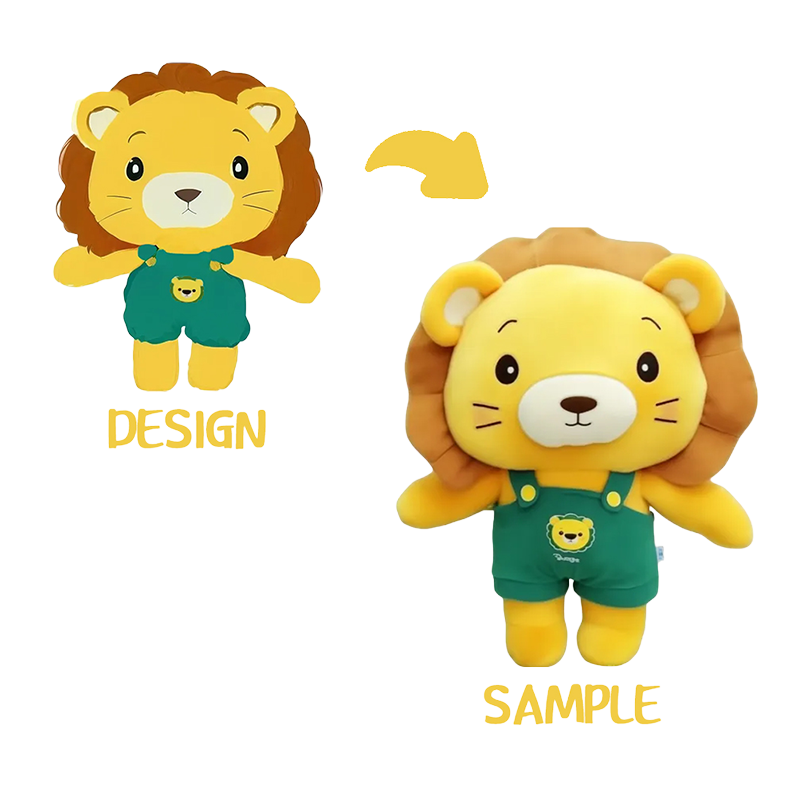
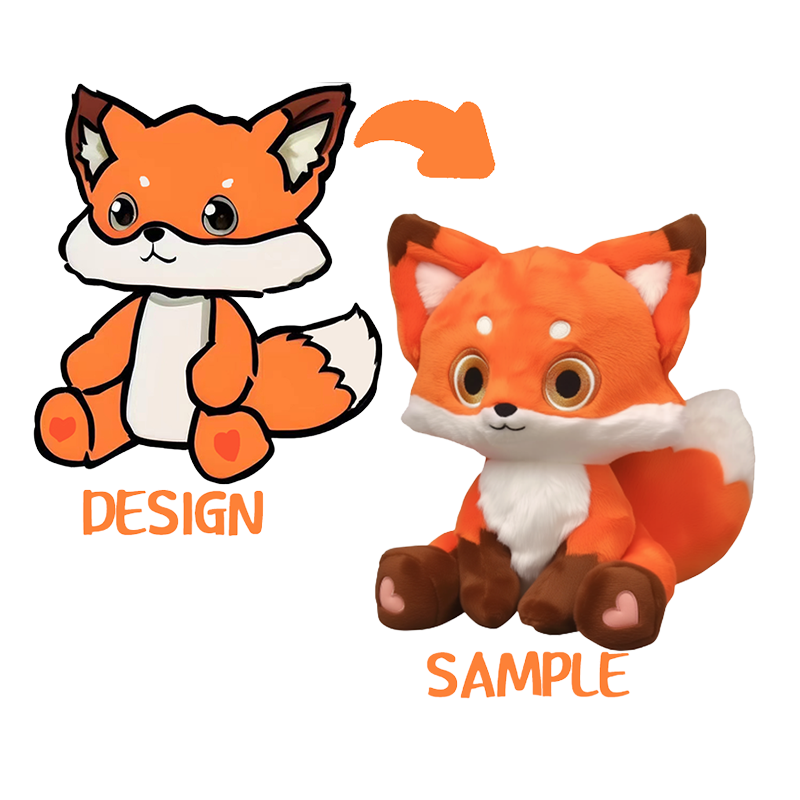
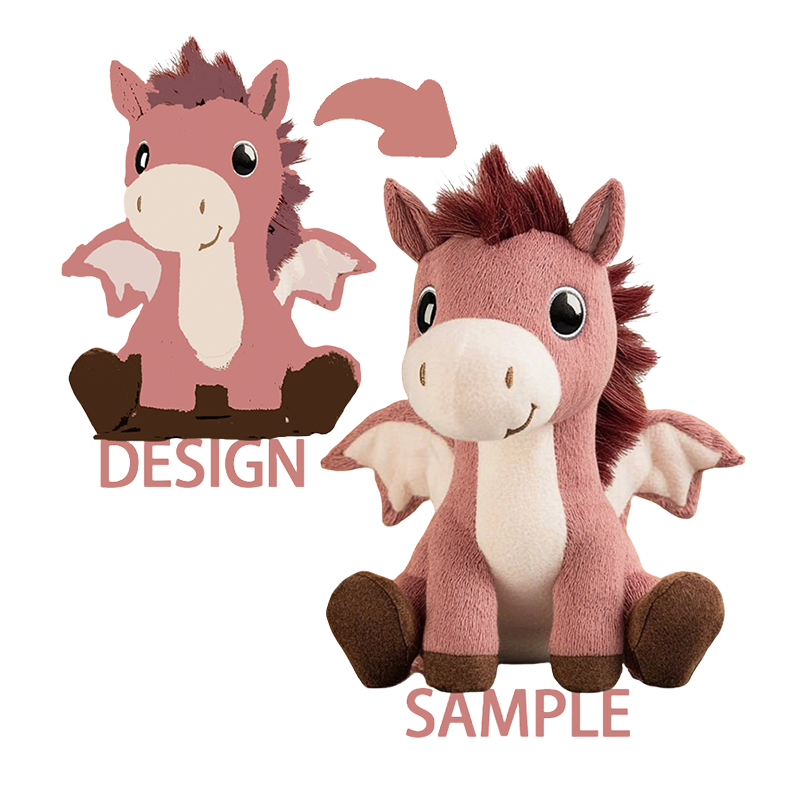
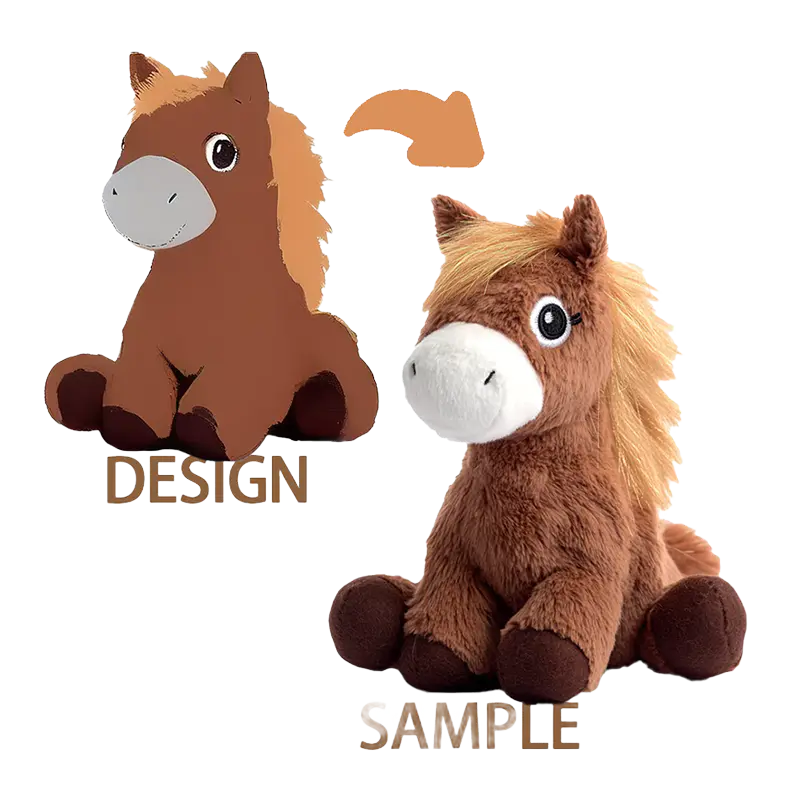
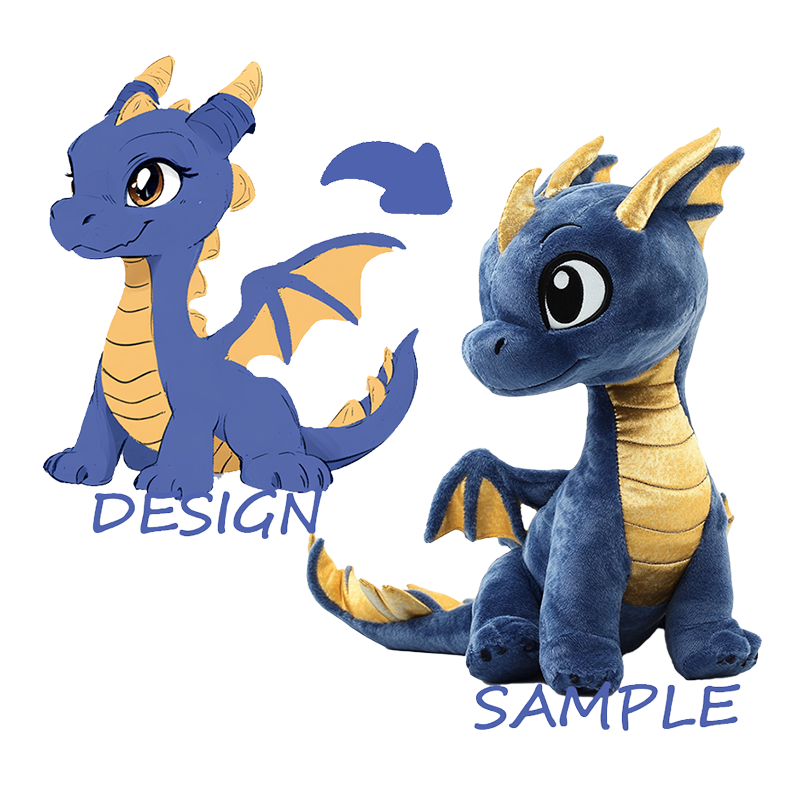
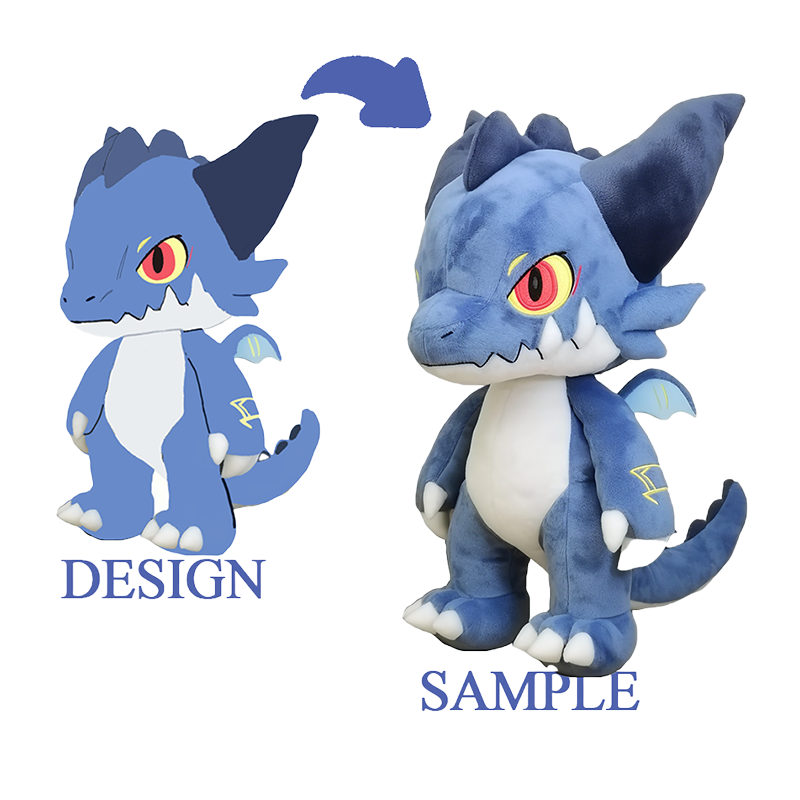
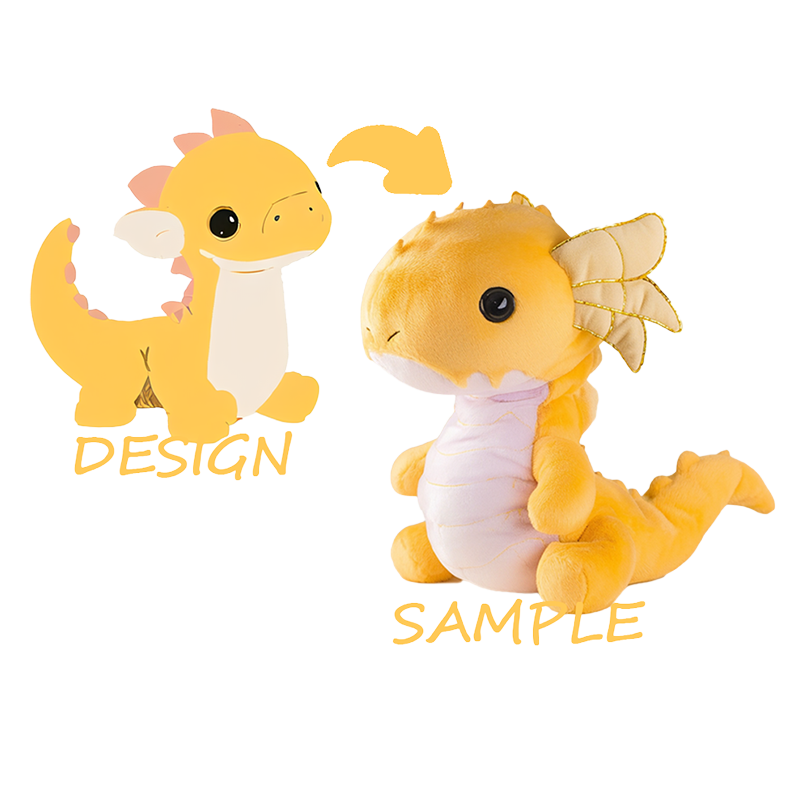
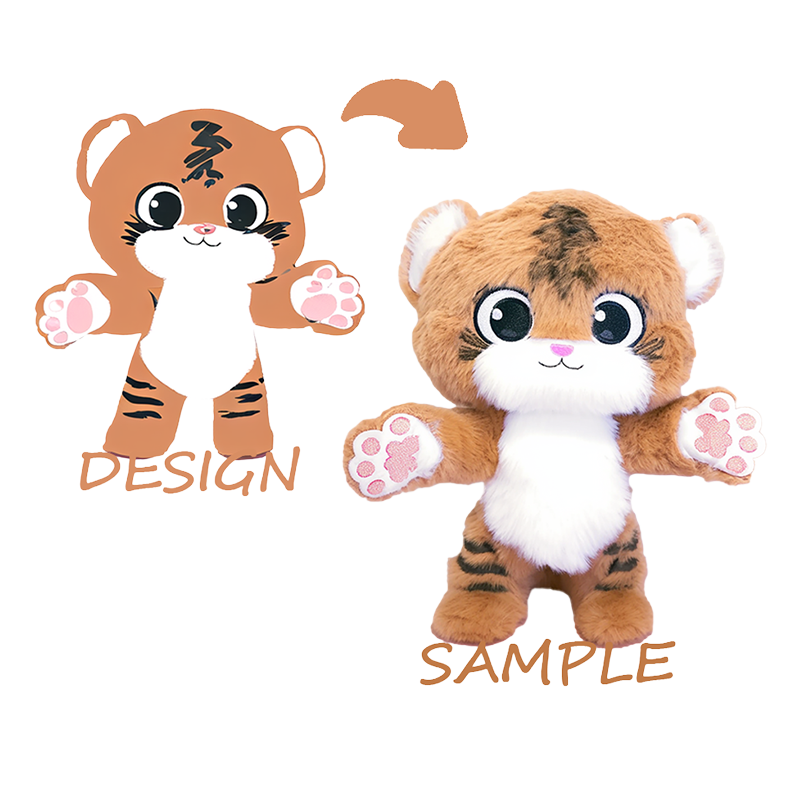
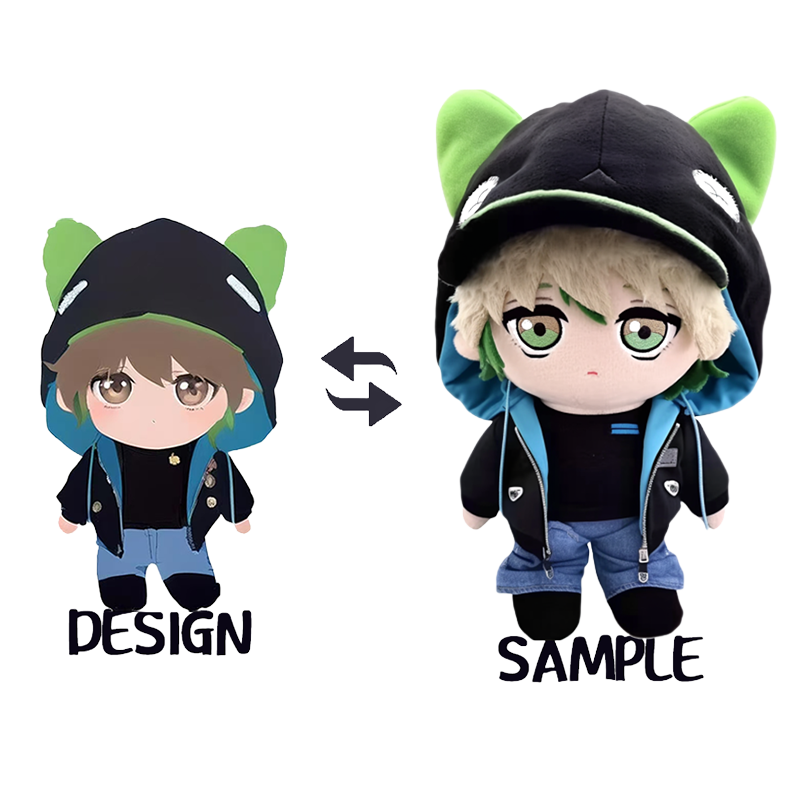
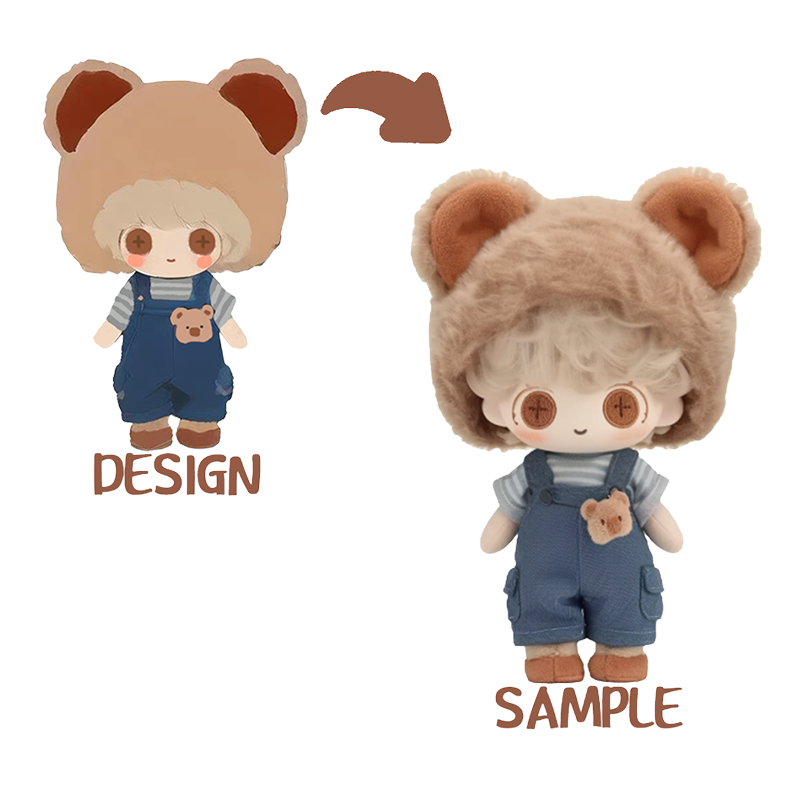
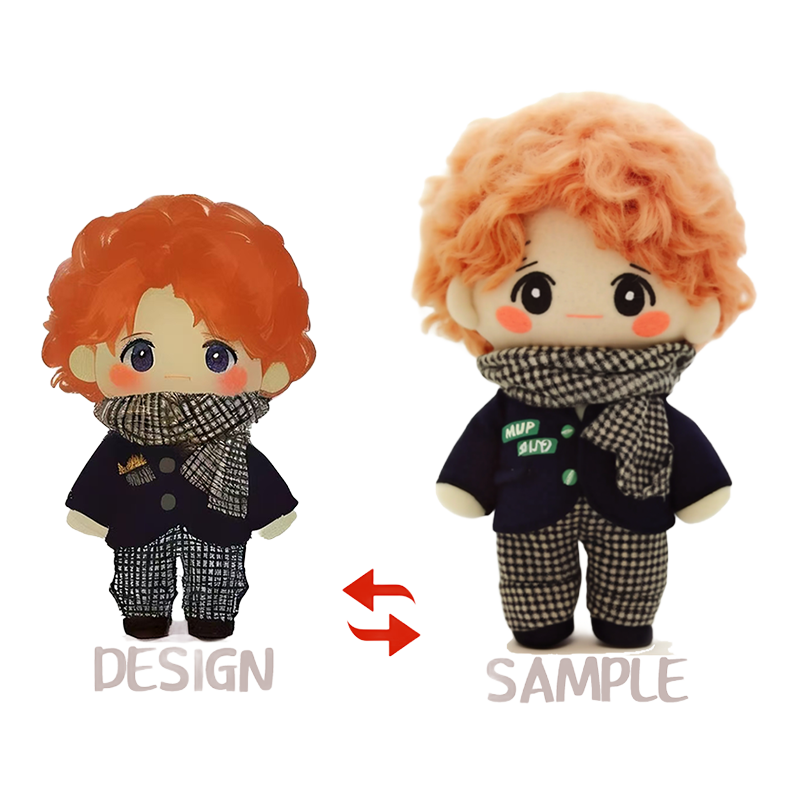
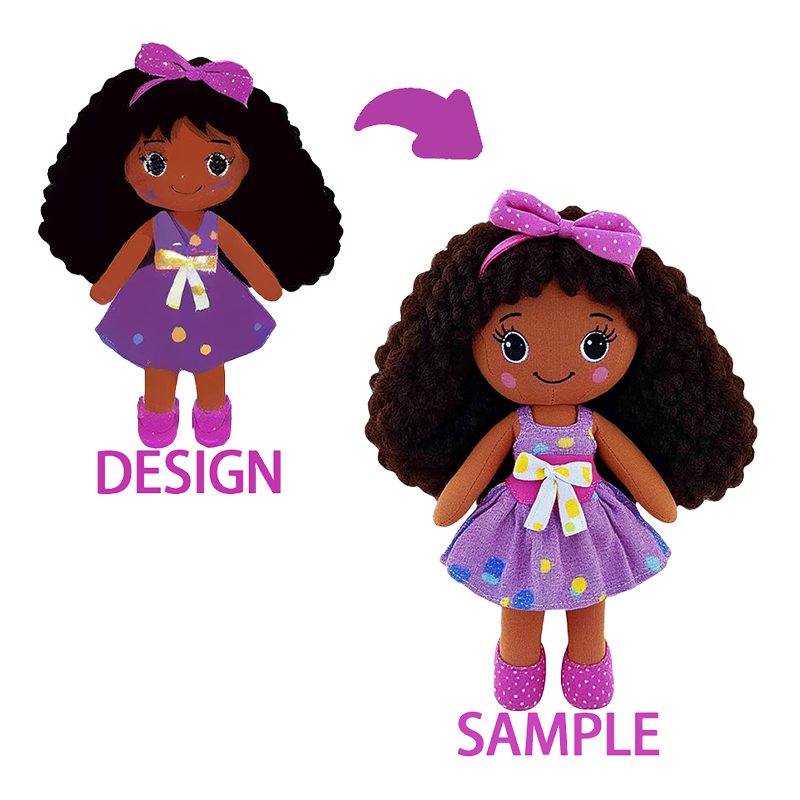
Custom animal plush toys and personalized plush dolls often incorporate design elements that require extra care. These may include printed names, embroidered photos, heat-press graphics, or special fabric types not found in standard off-the-shelf plushies.
Embroidered Details
Turn the plush inside out or use a protective mesh bag to reduce friction on embroidered patches and thread art. Avoid soaking for extended periods, as some embroidery thread can bleed color when wet for more than 15 minutes.
Heat-Transfer and Printed Designs
Sublimation prints and vinyl heat-transfer graphics on personalized plush dolls are sensitive to high temperatures and extended wet exposure. Always hand wash these items in cool water, and air dry only — never tumble dry.
Weighted or Bean-Filled Plush
Plushies filled with plastic pellets or glass beads — common in weighted cute plushies for adults designed to reduce anxiety — should never be fully submerged. Water can become trapped around the beads and lead to mold deep inside the filling. Spot cleaning is the only safe option unless the fill is fully sealed in a waterproof inner bag.
About Kusibei: Your Trusted Plush Toy Manufacturer
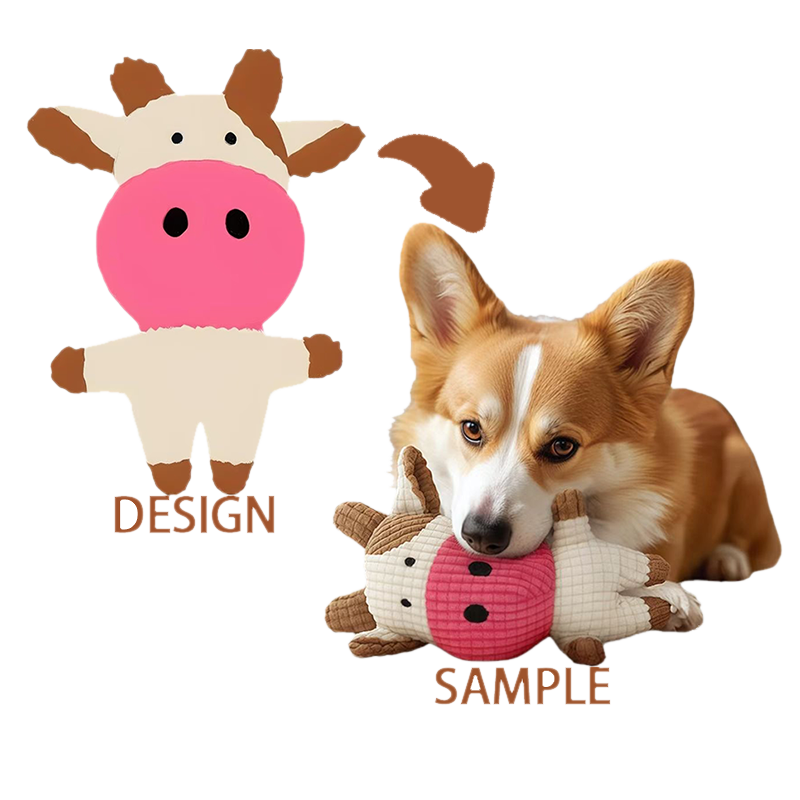
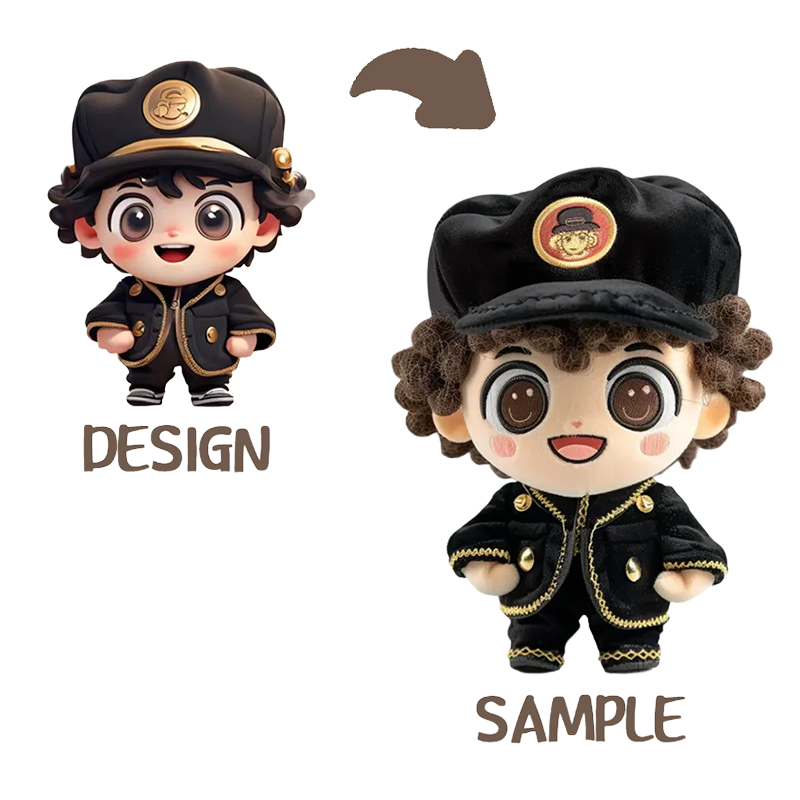
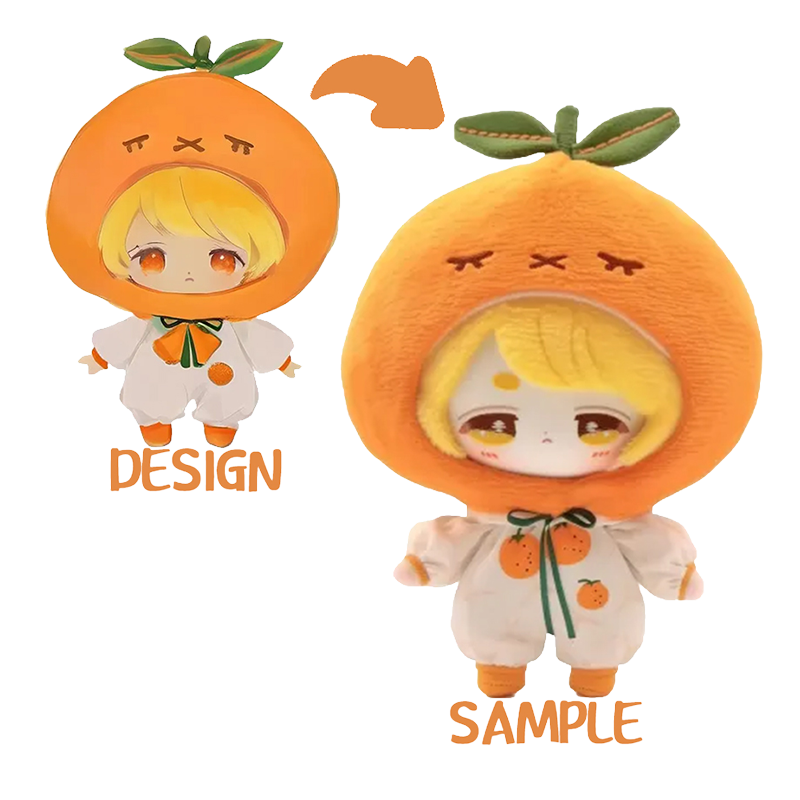
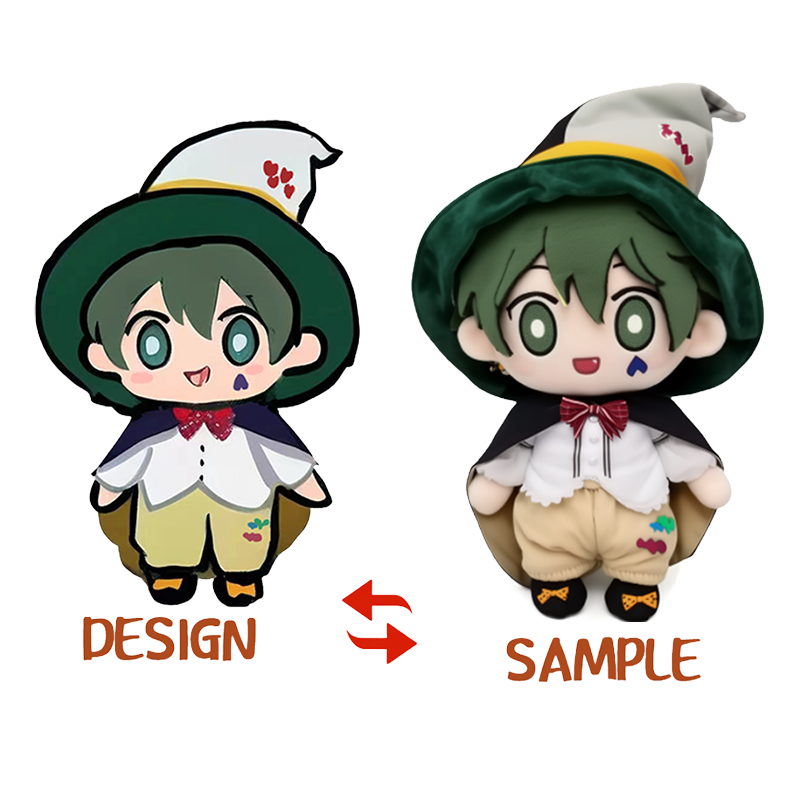
Kusibei Plush Toy Manufacturer specializes in the design and production of plush toys, offering customers unique customization services. Our production lines cover all aspects of plush toy manufacturing, utilizing advanced production technologies, excellent assembly line management strategies, and comprehensive quality assurance policies to provide top-tier customization services globally.
Our clients are concentrated in more than ten countries, including the USA, the UK, and Canada. Our superior product quality is a key factor in helping clients capture market share. The recognition from our partners is a major driving force for our long-term development.
By partnering with Kusibei, our exceptional customization services will transform your unique ideas into reality — ensuring your custom animal plush, kawaii animal plush, or personalized plush doll gains market recognition backed by manufacturing expertise you can trust.
Frequently Asked Questions
We specialize in the design and production of plush toys to provide customers with unique customized services