 English
 中文简体
中文简体How to Clean Stuffed Dolls Safely: 5 Methods That Remove 99% of Bacteria
2026-04-30
The five most effective methods for cleaning stuffed dolls — machine washing, hand washing, baking soda dry cleaning, steam sanitizing, and UV light disinfection — can collectively eliminate up to 99% of bacteria and allergens when applied correctly. The right method depends on the doll's material, filling, and any electronic or decorative components it contains. This guide walks through each technique step by step, so your child's favorite soft stuffed dolls stay clean, safe, and long-lasting.
Content
- 1 Why Cleaning Stuffed Dolls Matters More Than Most Parents Realize
- 2 Before You Start: Check the Care Label and Doll Construction
- 3 Method 1: Machine Washing (Most Thorough for Standard Plush)
- 4 Method 2: Hand Washing (Best for Delicate or Custom Plush Dolls)
- 5 Method 3: Baking Soda Dry Cleaning (No Water Needed)
- 6 Method 4: Steam Cleaning (Deep Sanitization Without Submersion)
- 7 Method 5: UV-C Light Disinfection (Chemical-Free, Fully Dry)
- 8 Bacteria Removal Rate by Cleaning Method
- 9 How Often Should You Clean Stuffed Dolls?
- 10 Cleaning Method Selector by Doll Type
- 11 Tips for Keeping Stuffed Dolls Cleaner Between Washes
- 12 About Kusibei Plush Toy Manufacturer
- 13 Frequently Asked Questions
Why Cleaning Stuffed Dolls Matters More Than Most Parents Realize
Plush dolls for kids are hugged, dragged across floors, taken to restaurants, and shared between children — making them one of the most germ-laden objects in a child's environment. Research published in pediatric hygiene studies has found that unwashed stuffed toys can harbor:
- Up to 1,000 times more bacteria than a kitchen countertop after two weeks of continuous use
- Dust mites — with a single unwashed stuffed toy containing up to 100,000 mites in humid conditions
- Mold spores, pet dander, and food residue embedded in the plush fiber
For children with allergies or asthma, regular cleaning of plush dolls is not optional — it is a health measure. Even for healthy children, a monthly cleaning routine significantly reduces the risk of skin irritation, respiratory irritation, and infection transmission.
Before You Start: Check the Care Label and Doll Construction
Before applying any cleaning method, inspect your stuffed doll for the following:
| Feature to Check | What to Look For | Implication for Cleaning |
|---|---|---|
| Care label | Machine wash / hand wash / surface only | Follow label; overriding it risks damage |
| Electronics or batteries | Sound modules, light-up features | Avoid all wet methods; use dry or UV only |
| Glued-on accessories | Eyes, buttons, ribbons, sewn-on clothing | Machine washing may loosen glued parts |
| Filling type | Polyester fiberfill, foam, beads | Bean-filled dolls should not be machine washed |
| Fabric type | Velvet, mohair, wool, standard plush | Delicate fabrics need cold water, gentle cycle |
Method 1: Machine Washing (Most Thorough for Standard Plush)
Machine washing is the most effective method for standard stuffed dolls without electronics or delicate embellishments. Studies show that washing at 60°C (140°F) kills over 99% of bacteria and dust mites. Follow these steps:
- Place the doll inside a mesh laundry bag or pillowcase tied at the top — this protects the fabric from agitation damage
- Select a gentle or delicate cycle with cold or warm water (30–40°C for color-sensitive fabrics, 60°C for white or light-colored plush)
- Use a mild, fragrance-free detergent — heavy detergents leave residue that can irritate children's skin
- Skip fabric softener — it mats down plush fibers and reduces the doll's soft texture over time
- Air dry completely before returning to your child — tumble drying on low is acceptable for polyester-filled dolls, but always check the label first
Restore the texture after drying: Use a soft-bristle brush or pet slicker brush to gently fluff the plush pile back to its original softness.
Method 2: Hand Washing (Best for Delicate or Custom Plush Dolls)
Custom plush dolls with intricate embroidery, printed designs, or mixed-material construction often cannot survive a machine cycle intact. Hand washing gives you precise control over water exposure and pressure.
- Fill a clean basin with cool or lukewarm water and add a small amount of mild soap or baby shampoo
- Submerge the doll and gently squeeze — do not wring, twist, or scrub aggressively
- Focus on visibly soiled areas using a soft cloth or toothbrush with minimal pressure
- Rinse thoroughly with clean water until no soap residue remains — soap left in the fabric can cause stiffness and irritation
- Gently press (do not wring) excess water out and lay flat on a clean towel to dry in a well-ventilated area
Method 3: Baking Soda Dry Cleaning (No Water Needed)
For plush dolls for kids that cannot be wet-cleaned at all — including those with batteries, foam filling, or highly delicate fabric — baking soda is a proven dry-cleaning solution. Baking soda is a natural deodorizer and mild abrasive that lifts surface dirt and neutralizes odor-causing bacteria.
- Place the stuffed doll in a large zip-lock bag or a tied plastic bag with 2–4 tablespoons of baking soda
- Seal the bag and shake vigorously for 1–2 minutes, ensuring the baking soda reaches all fabric surfaces
- Let the doll sit for 15–30 minutes to allow the baking soda to absorb odors and surface oils
- Remove the doll and shake off the baking soda outdoors, then use a soft brush or vacuum attachment to remove any remaining powder from the fabric
This method will not disinfect as thoroughly as hot water washing, but it is effective at reducing surface bacteria by 60–70% and is safe for virtually any doll construction.
Method 4: Steam Cleaning (Deep Sanitization Without Submersion)
A handheld fabric steamer delivers moist heat that penetrates plush fiber and kills bacteria and dust mites without full submersion. Steam at 100°C eliminates up to 99.9% of common household bacteria on contact — making this one of the most powerful options for soft stuffed dolls that cannot be machine washed.
- Hold the steamer nozzle approximately 2–3cm from the doll's surface
- Move in slow, overlapping passes — do not hold in one spot for more than 3 seconds to avoid over-saturating the fabric
- Pay extra attention to seams and crevices where bacteria accumulate
- Allow the doll to air dry completely in a warm, ventilated space before your child plays with it again
Note: Avoid using steam on dolls with glued plastic eyes, painted features, or electronic components — the heat and moisture can cause damage.
Method 5: UV-C Light Disinfection (Chemical-Free, Fully Dry)
UV-C light sanitizers — available as wand-style or box-style devices — destroy bacterial DNA and eliminate up to 99% of pathogens on surfaces without any chemicals or moisture. This method is ideal for electronic stuffed dolls, antique plush, or any toy that cannot tolerate any form of cleaning.
- Expose all surfaces to UV-C light for the manufacturer-recommended duration (typically 30–60 seconds per area)
- UV-C does not remove visible dirt — combine with surface wiping or baking soda treatment for complete care
- Never expose children to UV-C light directly — use only in an empty room or with the child absent
Bacteria Removal Rate by Cleaning Method
How Often Should You Clean Stuffed Dolls?
Cleaning frequency should match how and where the doll is used. Here is a practical guide:
- Weekly: Dolls that a child sleeps with every night or takes outdoors regularly
- Monthly: Dolls used during play but not for sleeping — standard for most plush dolls in a home environment
- After illness: Any doll handled during a respiratory or gastrointestinal illness should be washed immediately before reuse
- After outdoor use: Dolls taken to parks, playgrounds, or childcare centers should be cleaned upon return
- Seasonal deep clean: All stuffed toys in the home should receive a thorough wash or steam treatment at the start of allergy season
Cleaning Method Selector by Doll Type
Tips for Keeping Stuffed Dolls Cleaner Between Washes
- Store dolls off the floor when not in active use — floor contact dramatically increases dust mite and allergen accumulation
- Rotate the toy collection so fewer dolls are in heavy daily use at any given time, reducing individual cleaning load
- Spot-clean immediately after food contact — dried food residue is significantly harder to remove and attracts more bacteria
- Keep pets away from stuffed toys — pet dander and saliva introduce additional allergens
- Choose high-quality plush materials from the start — tightly woven, durable plush fibers repel surface dirt more effectively than loosely constructed fabric and are far easier to clean
About Kusibei Plush Toy Manufacturer
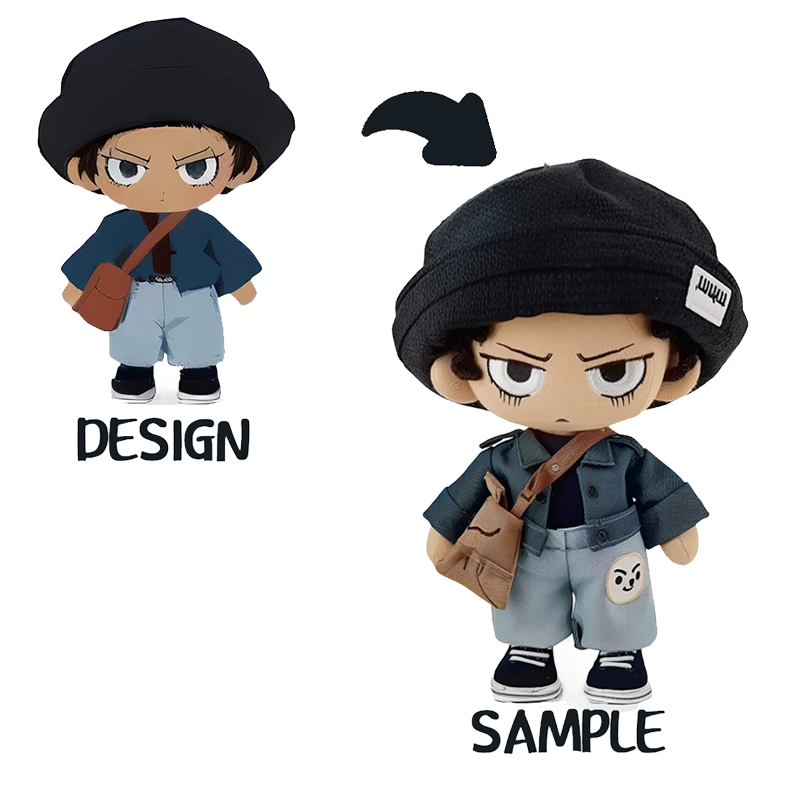
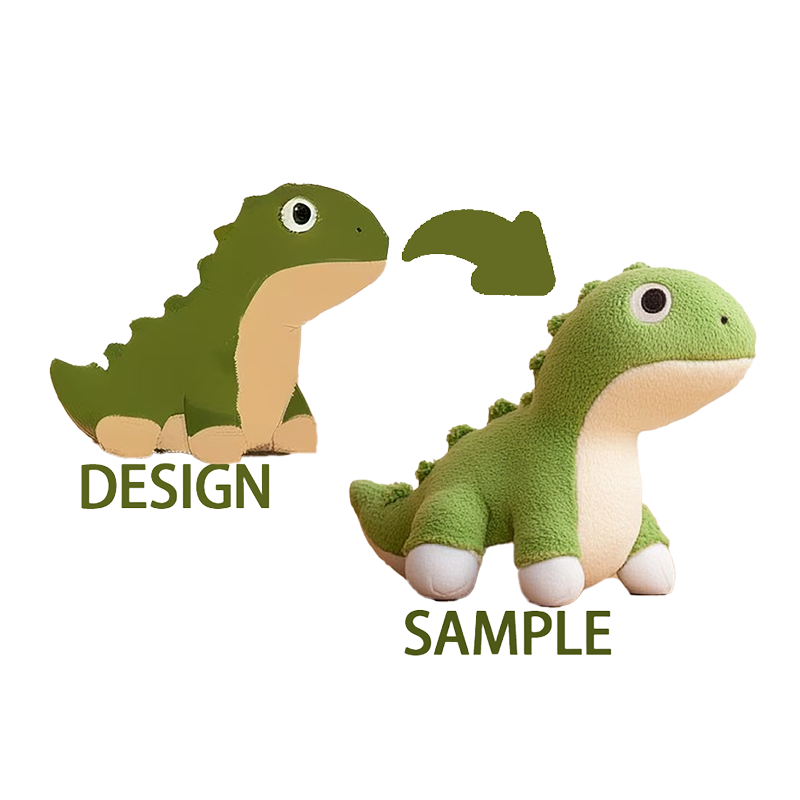
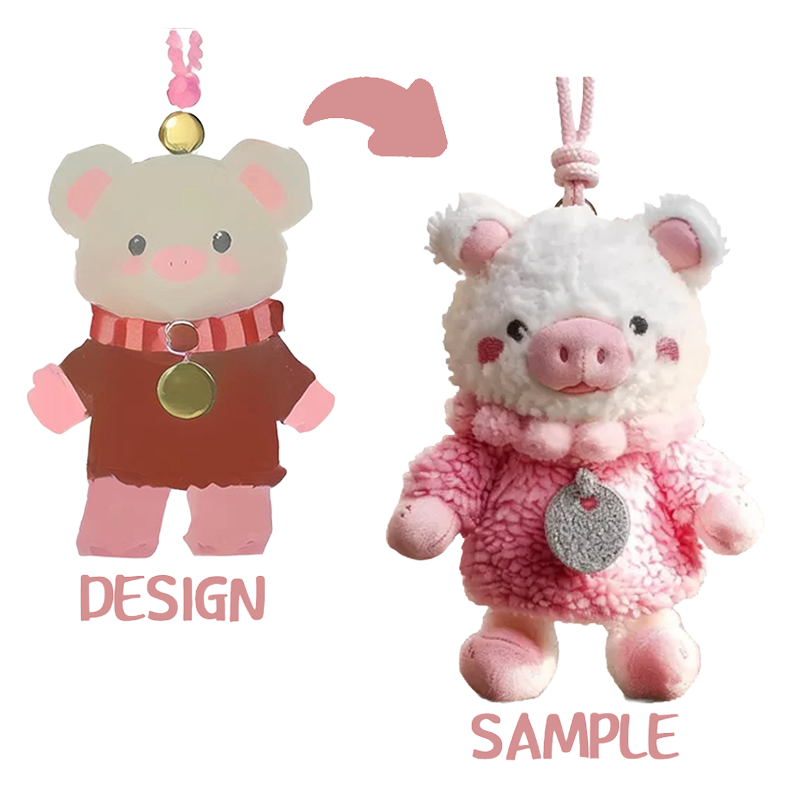
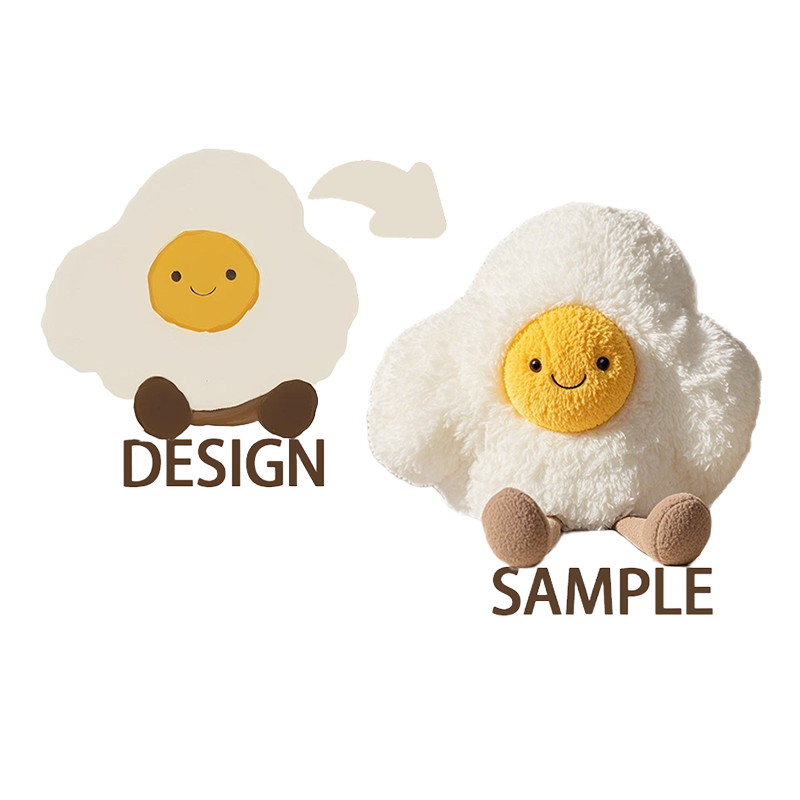
Kusibei is a manufacturer specializing in plush toys, offering comprehensive solutions for custom plush doll production. From concept to finished product, Kusibei delivers unique customization services that bring our clients' ideas to life with precision and care.
Our production lines cover all aspects of plush doll manufacturing — utilizing advanced production technologies, excellent assembly line management strategies, and comprehensive quality assurance policies to provide top-tier services globally. The recognition from our partners is a major driving force for our long-term development.
Our clients are concentrated in more than ten countries. By partnering with Kusibei, our exceptional customization services will transform your unique ideas into reality — ensuring your soft stuffed dolls and plush dolls for kids gain the market recognition they deserve.
Frequently Asked Questions
We specialize in the design and production of plush toys to provide customers with unique customized services