 English
 中文简体
中文简体How Do Pet Chew Toys Help Reduce Pet Anxiety?
2026-04-09
The direct answer is yes: pet chew toys genuinely reduce anxiety in dogs and cats, and the mechanism is well supported by animal behavior research. Repetitive chewing triggers the release of endorphins and serotonin in the brain, creating a natural calming effect that can lower cortisol levels by measurable amounts during stressful events such as thunderstorms, separation, or travel. Whether made from rubber, nylon, or soft Pet Plush materials, the right chew toy gives a pet a constructive outlet that redirects anxious energy and promotes emotional stability over time.
Content
- 1 The Science Behind Chewing and Anxiety Relief
- 2 Common Anxiety Triggers in Pets and How Chew Toys Help
- 3 Types of Pet Chew Toys and Their Anxiety-Relief Benefits
- 4 How to Use Chew Toys Strategically for Maximum Calming Effect
- 5 Choosing the Right Pet Chew Toy for Your Pet's Size and Temperament
- 6 Safety Considerations When Selecting Pet Chew Toys
- 7 About Kusibei Plush Toy Manufacturer
- 8 Frequently Asked Questions
The Science Behind Chewing and Anxiety Relief
Chewing is a hardwired behavior in canines and felines that dates back to their wild ancestors. In a domestic setting, this instinct does not disappear — it simply needs an appropriate target. When a pet engages with Pet Chew Toys, the jaw muscles activate rhythmically, stimulating the vagus nerve and triggering a parasympathetic response. This is the same physiological pathway that makes repetitive human behaviors like gum chewing or knitting soothing under stress.
Studies in veterinary behavioral medicine have found that dogs offered appropriate chew objects during high-stress events showed a 30–40% reduction in visible stress behaviors such as pacing, whining, and destructive chewing on furniture. The calming effect was most pronounced when the toy was introduced before the stressor peaked, reinforcing the value of routine toy access rather than emergency intervention.
Common Anxiety Triggers in Pets and How Chew Toys Help
Understanding when anxiety strikes helps owners deploy chew toys most effectively. The most frequently reported triggers include:
- Separation anxiety: Affects an estimated 20–40% of dogs seen by veterinary behaviorists. A familiar chew toy left behind provides comfort and keeps the pet mentally occupied.
- Loud noises (thunderstorms, fireworks): The focused activity of chewing competes with the pet's attention on frightening sounds.
- Veterinary visits and travel: A familiar scented toy reduces novelty stress in unfamiliar environments.
- New household additions (babies, new pets): Redirecting energy to a toy prevents stress-driven aggression or withdrawal.
- Boredom and under-stimulation: A mentally engaging chew toy can replace the anxiety loop created by inactivity.
Types of Pet Chew Toys and Their Anxiety-Relief Benefits
Not all chew toys deliver the same calming benefits. Material, texture, and design each play a role in how effectively a toy manages anxiety.
| Toy Type | Best For | Anxiety Benefit | Durability |
|---|---|---|---|
| Pet Plush Chew Toy | Gentle chewers, puppies, cats | Soft texture mimics comfort objects; reduces separation distress | Moderate |
| Rubber Chew Toy | Moderate to aggressive chewers | Sustained chewing engagement; can be stuffed with treats | High |
| Nylon Chew Toy | Power chewers, large breeds | Long-duration chewing session; redirects destructive energy | Very High |
| Rope Chew Toy | Interactive play sessions | Combines chewing with social bonding; eases social anxiety | Moderate |
| Puzzle Chew Toy | High-intelligence breeds | Mental stimulation prevents anxiety caused by boredom | High |
The Special Role of Pet Plush Toys
Pet Plush toys occupy a unique niche in anxiety management. Their soft, yielding texture satisfies a pet's instinct to mouth and carry objects while providing a tactile comfort object similar to a security blanket for young children. Many dogs and cats form strong attachments to a specific plush toy, carrying it during stressful moments and sleeping with it at night. Research in animal welfare suggests that pets with an established comfort object show 25% fewer anxiety-related behaviors during owner absence compared to those without one.
Plush toys with interior squeakers add an additional layer of engagement: the sound response to biting provides immediate positive feedback, reinforcing the chewing behavior and sustaining the pet's interest for longer sessions.
How to Use Chew Toys Strategically for Maximum Calming Effect
Simply purchasing a chew toy is not enough — timing, rotation, and consistency determine how effectively it reduces anxiety. The following practical strategies are supported by veterinary behaviorists:
- Introduce the toy before the stressor arrives. Offer the chew toy 10–15 minutes before a known trigger (such as a scheduled departure) to establish a calm association while the pet is still relaxed.
- Rotate toys weekly. Novelty sustains interest. Pets engage for significantly longer with a toy reintroduced after a 7-day rest period than with one available continuously.
- Use scent to strengthen comfort association. Placing a worn garment near a Pet Plush toy during owner absence reinforces the calming effect through familiar olfactory cues.
- Match the toy to chewing intensity. An aggressive chewer given a toy that disintegrates too quickly loses the calming activity abruptly. Durable materials sustain the session longer.
- Combine with positive reinforcement. Praising or rewarding a pet when it engages with its chew toy builds a strong behavioral association between the toy and positive outcomes.
Choosing the Right Pet Chew Toy for Your Pet's Size and Temperament
Selecting an appropriate Pet Chew Toys option involves matching several factors to your specific animal. A toy that is too small presents a choking hazard; one that is too hard for a puppy's developing teeth can cause dental injury.
Size Matching Guidelines
- Small breeds and cats (under 10 kg): Opt for lightweight plush toys or small rubber chews. The toy should be at least as long as the pet's muzzle width.
- Medium breeds (10–25 kg): Standard rubber or nylon chew toys with moderate firmness; plush toys with reinforced stitching.
- Large and giant breeds (25 kg+): Heavy-duty nylon or thick rubber chews; oversized plush toys rated for aggressive chewing.
Temperament Matching
- Timid or anxious pets: Soft Pet Plush toys with comforting textures and familiar scents work best as initial comfort objects.
- High-energy or working breeds: Puzzle chew toys that dispense treats provide mental challenge alongside physical chewing satisfaction.
- Destructive chewers: Prioritize durability ratings; inspect toys after every session and replace when structural integrity is compromised.
Safety Considerations When Selecting Pet Chew Toys
Anxiety relief benefits are only realized when toys are used safely. The following safety standards should be non-negotiable when evaluating any chew toy product:
- Non-toxic materials: All dyes, fillings, and surface coatings must be free from BPA, phthalates, and heavy metals. Look for toys certified to EN71 or ASTM F963 toy safety standards.
- No small detachable parts: Buttons, plastic eyes on plush toys, and decorative attachments must be securely embedded or absent entirely.
- Appropriate hardness: The "thumbnail test" is a useful field guide — if your thumbnail does not leave a slight impression on a rubber toy, it may be too hard for the dog's teeth.
- Regular inspection: Replace any chew toy that shows cracks, chunks missing, or exposed stuffing, as fragments can cause intestinal obstruction.
About Kusibei Plush Toy Manufacturer
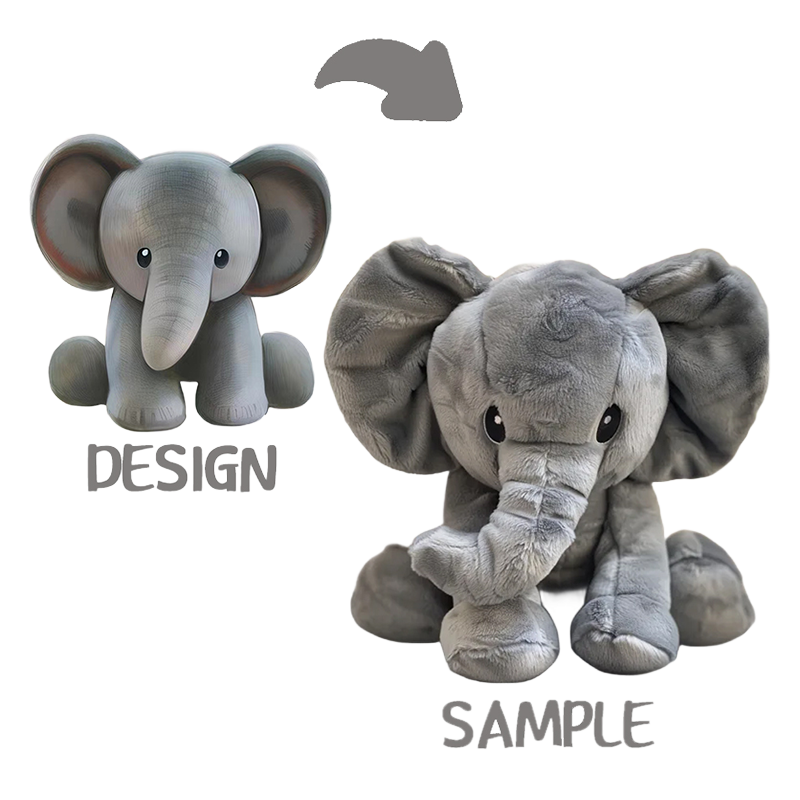
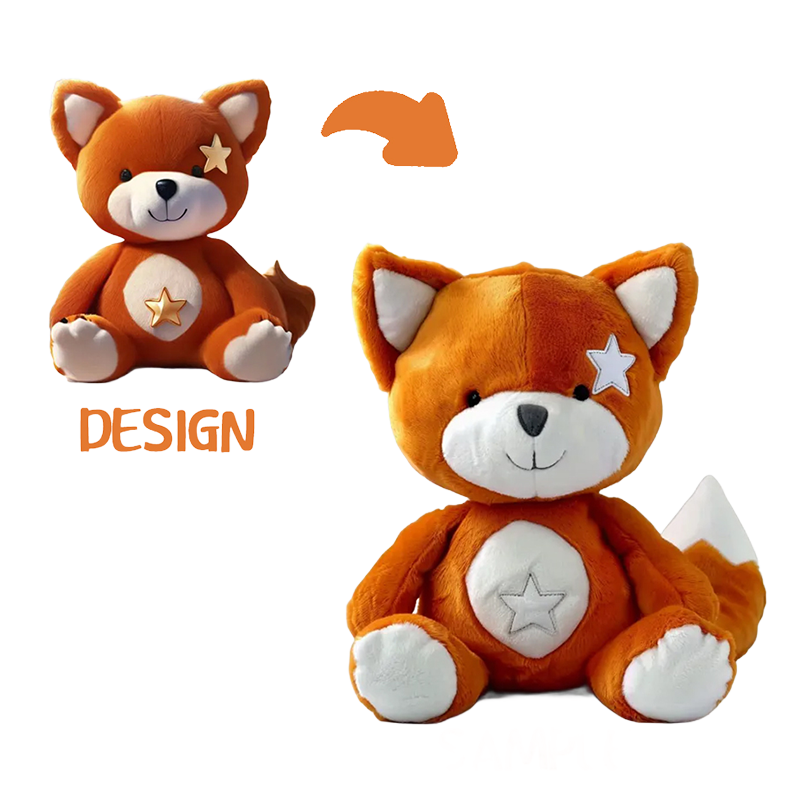
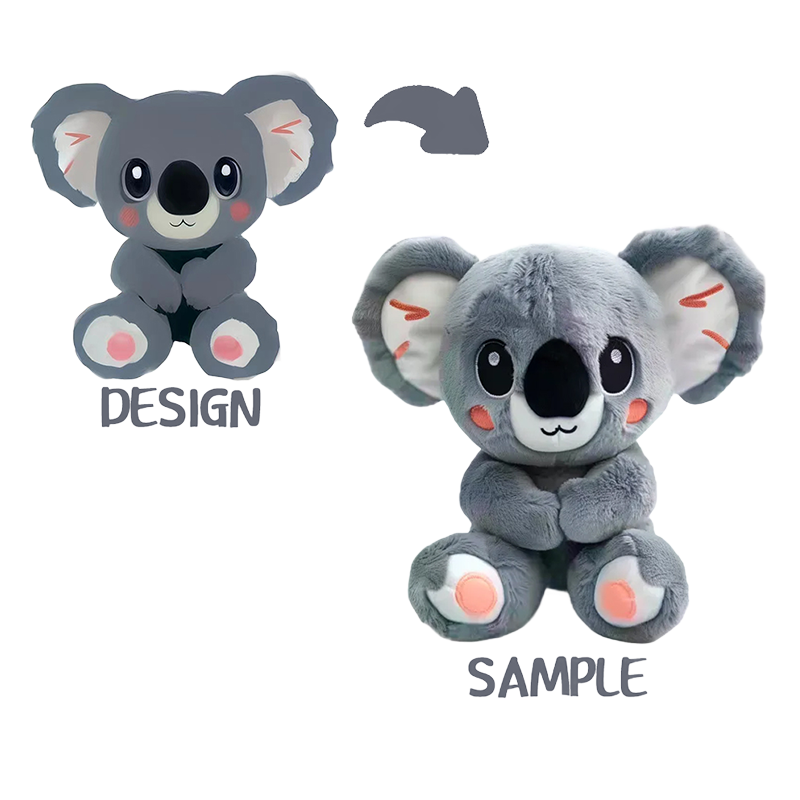
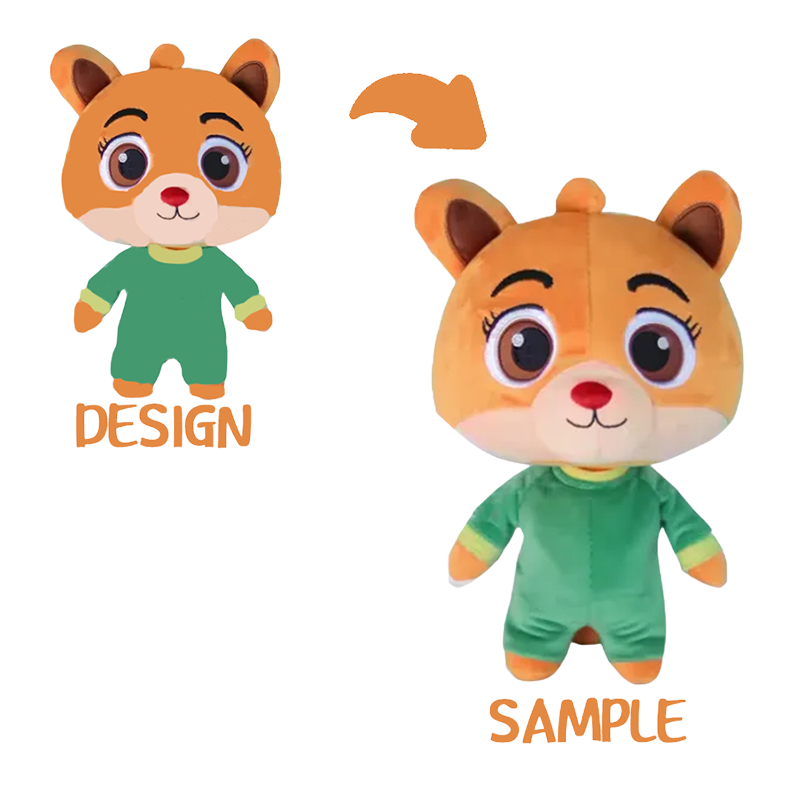
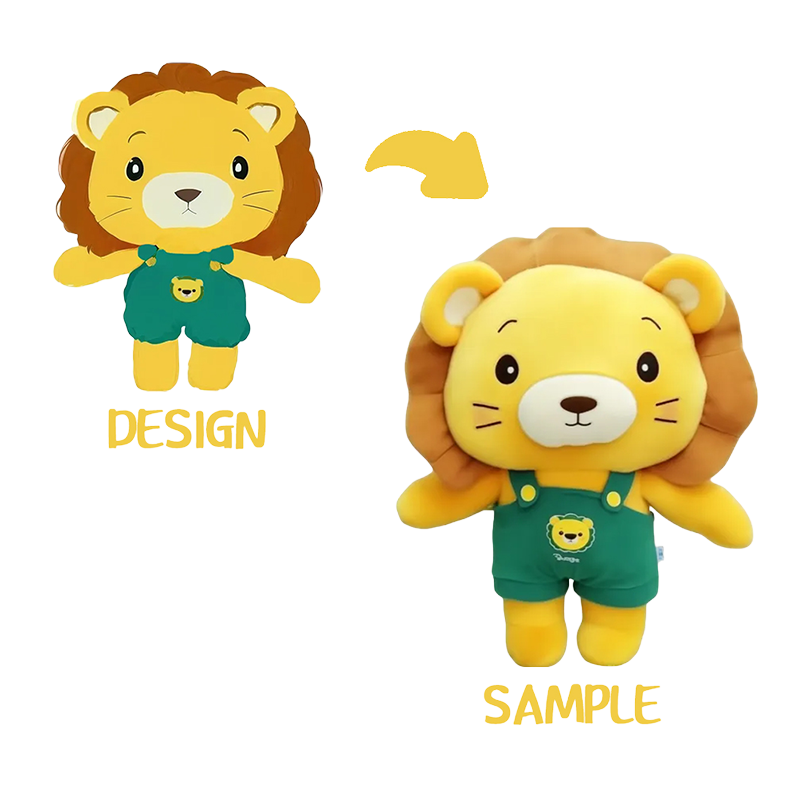
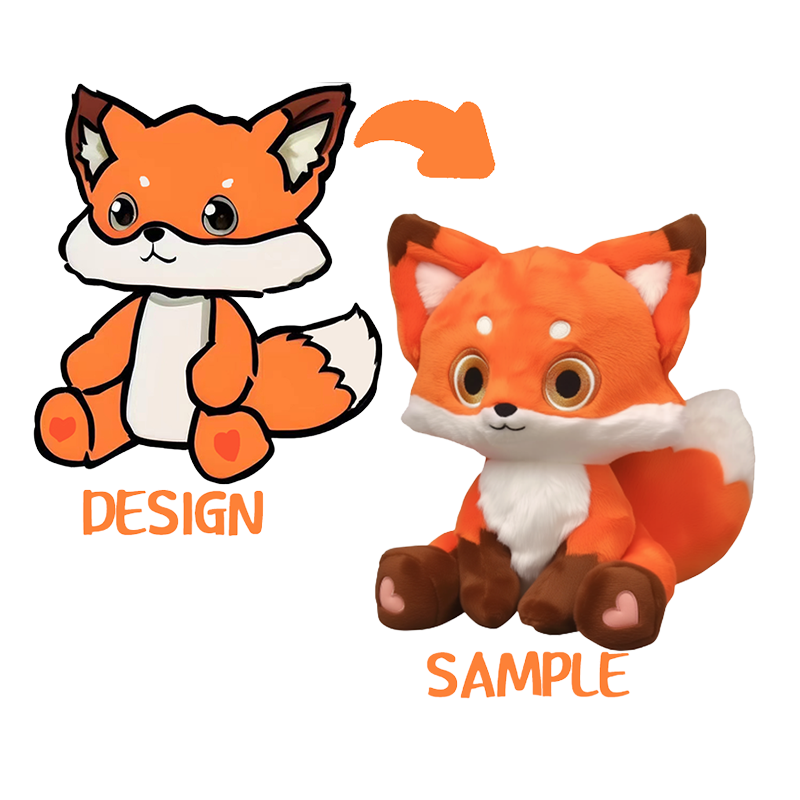
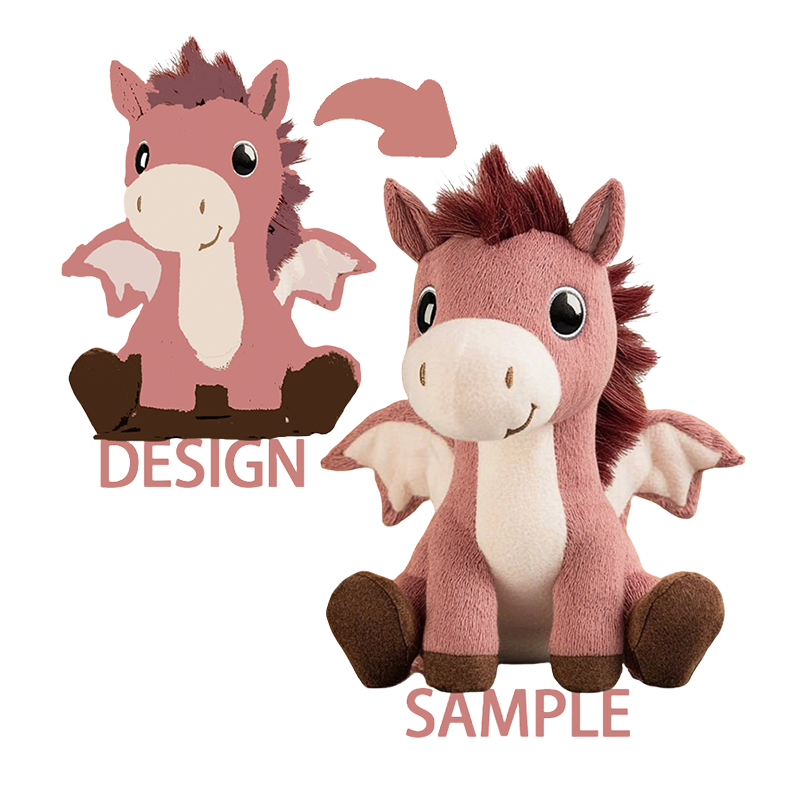
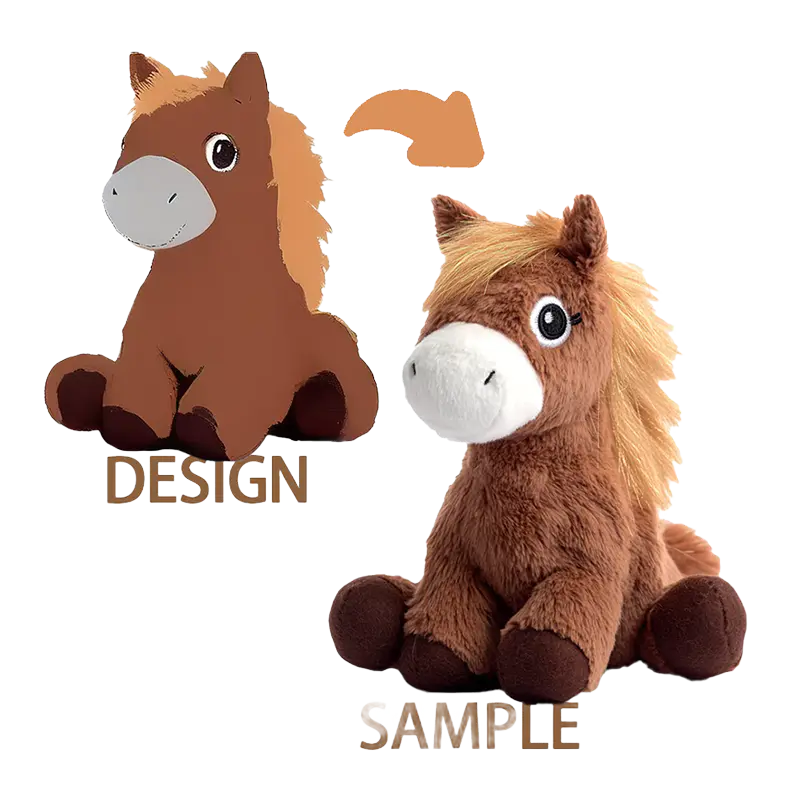
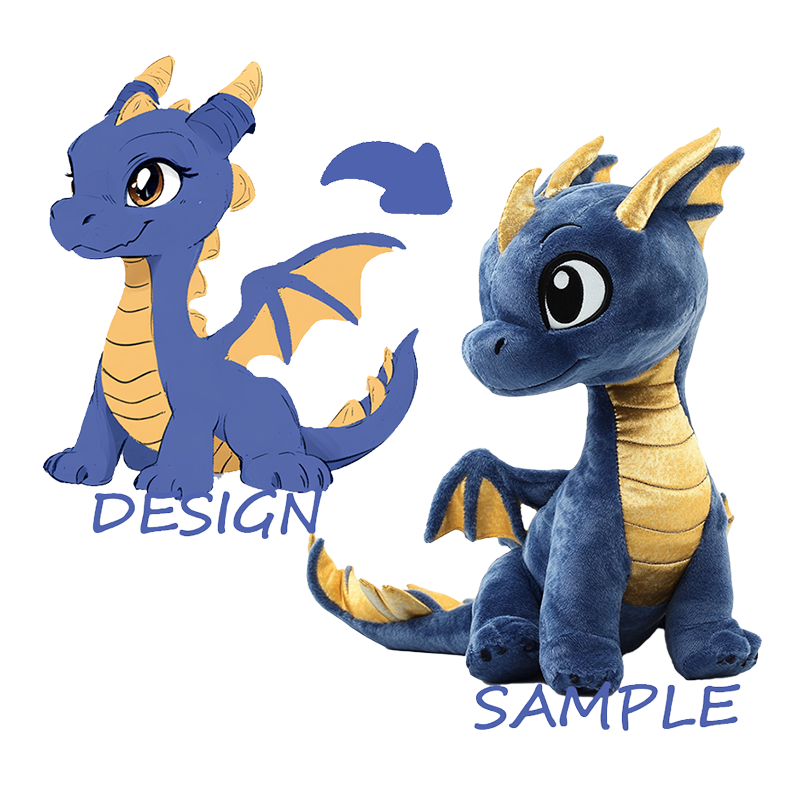
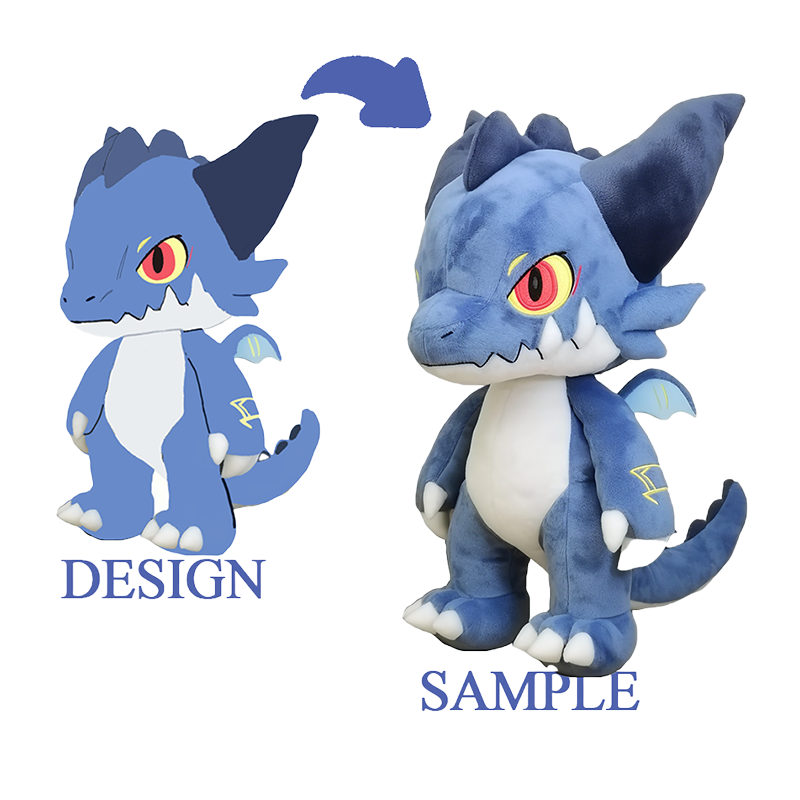
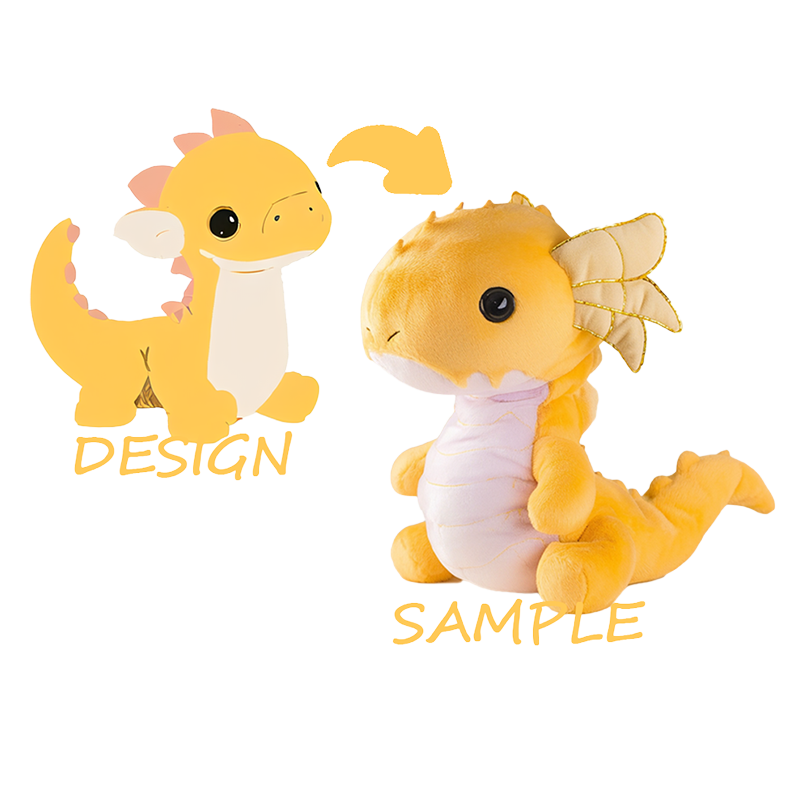
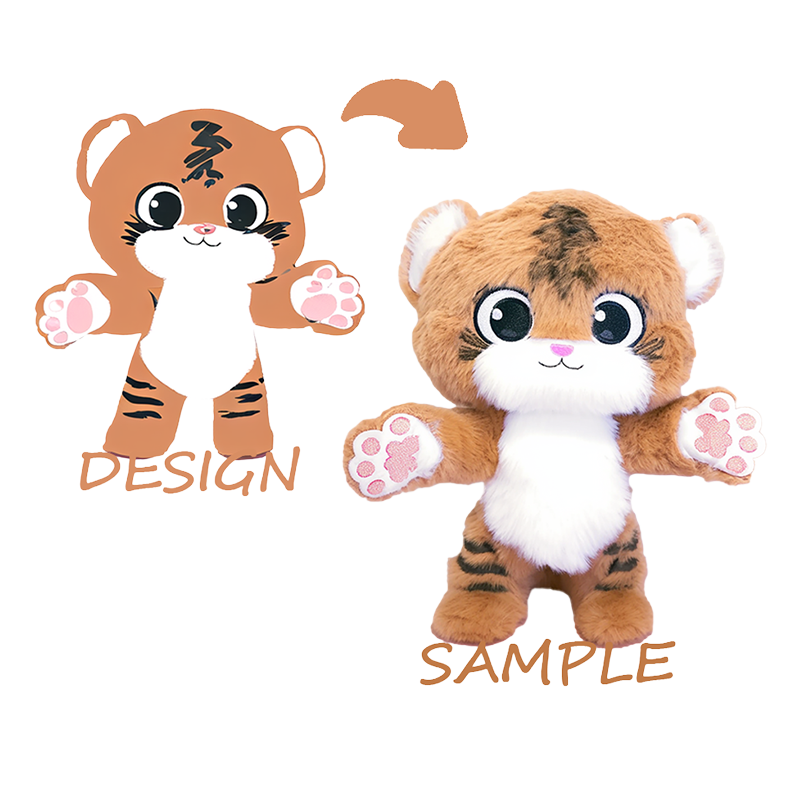
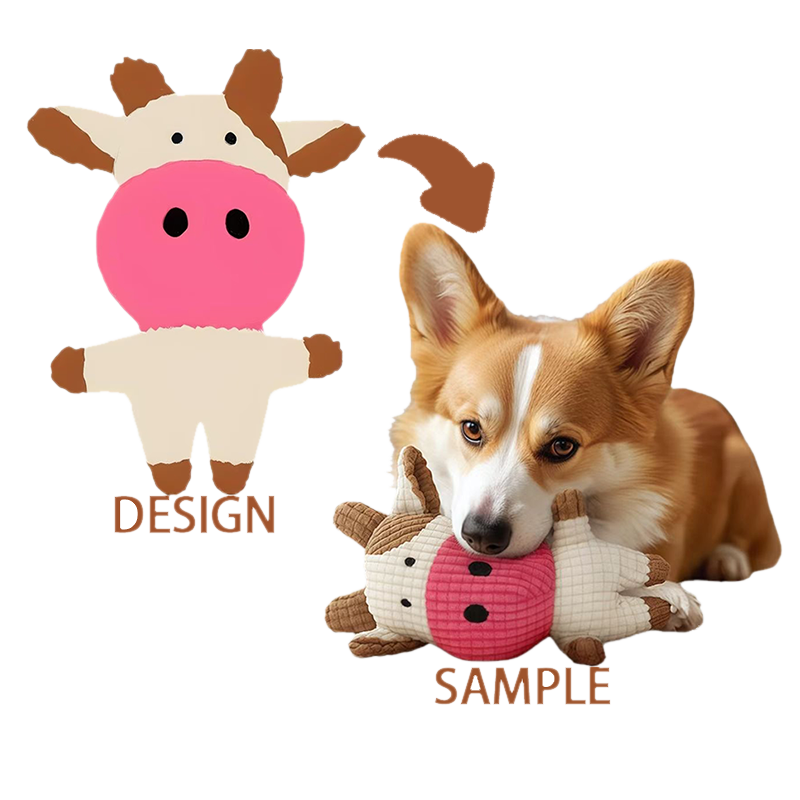
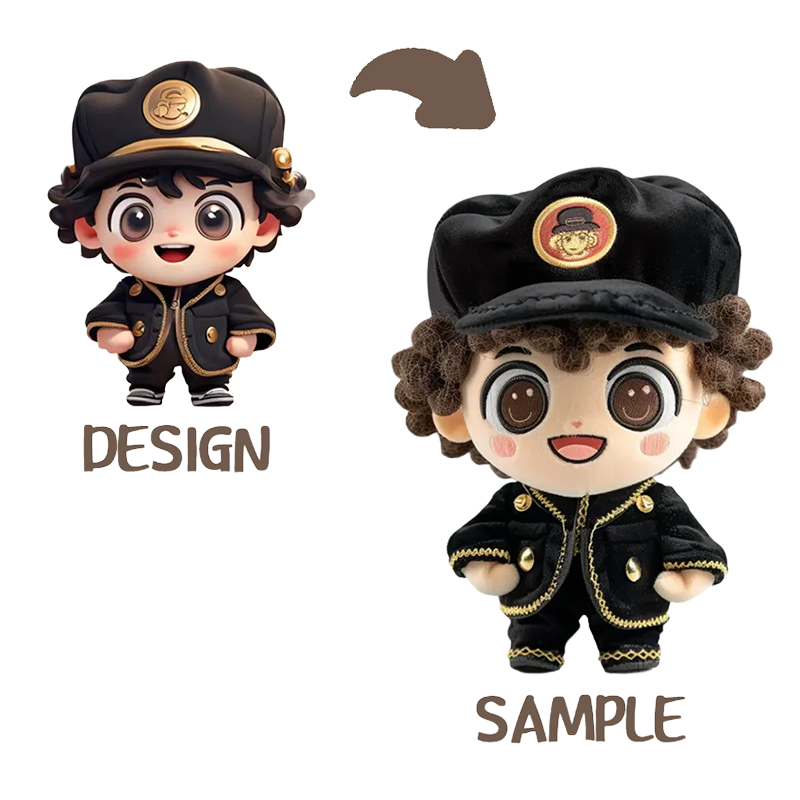
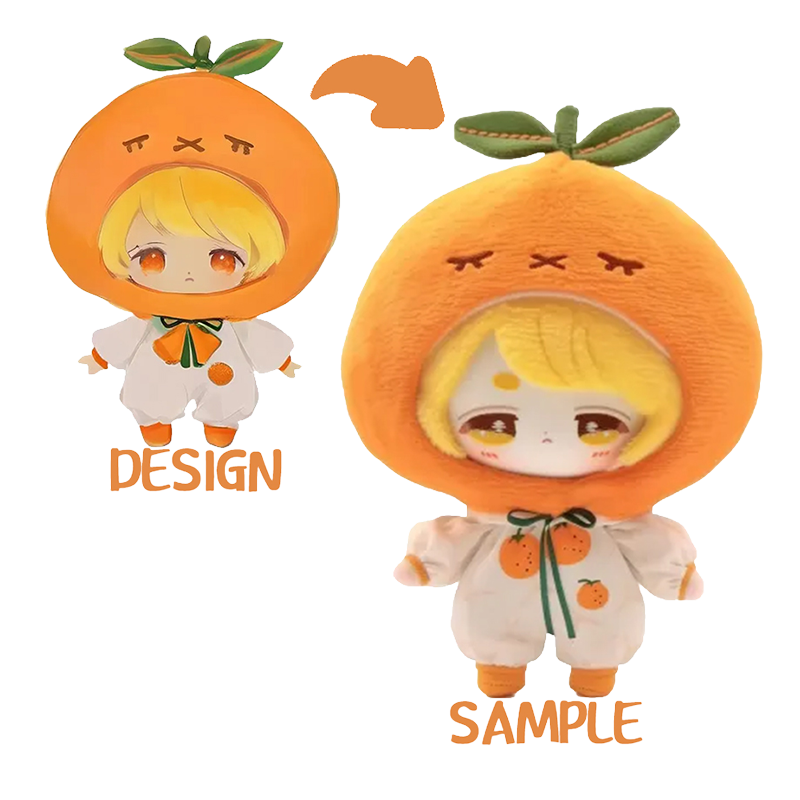
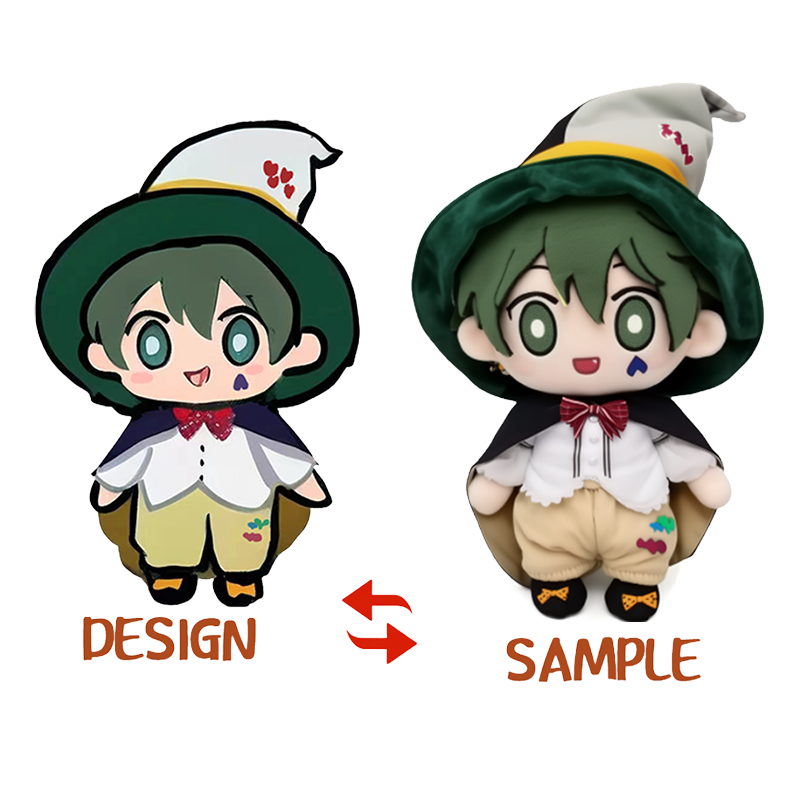
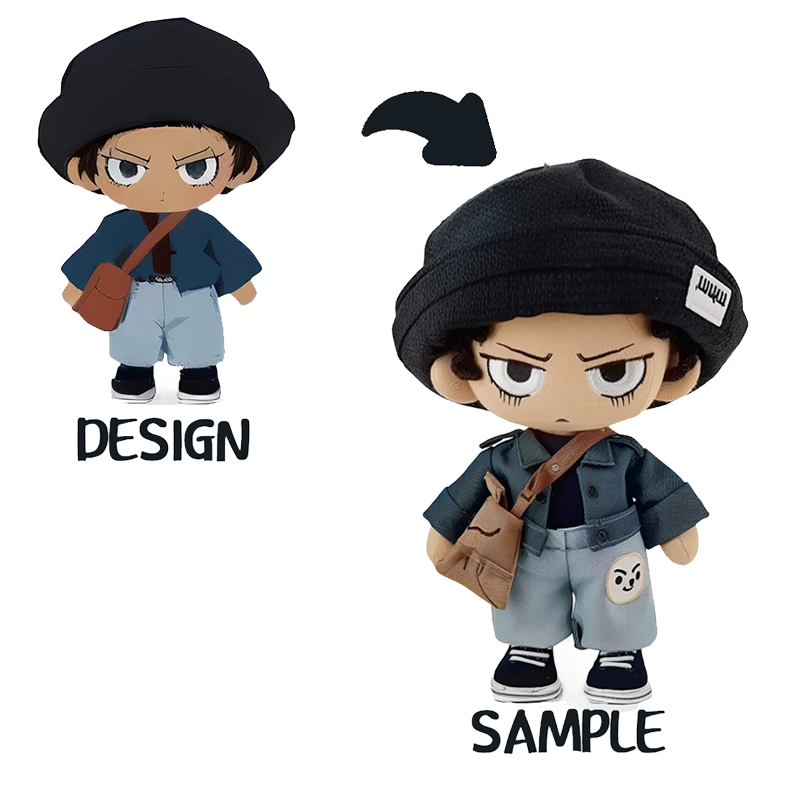
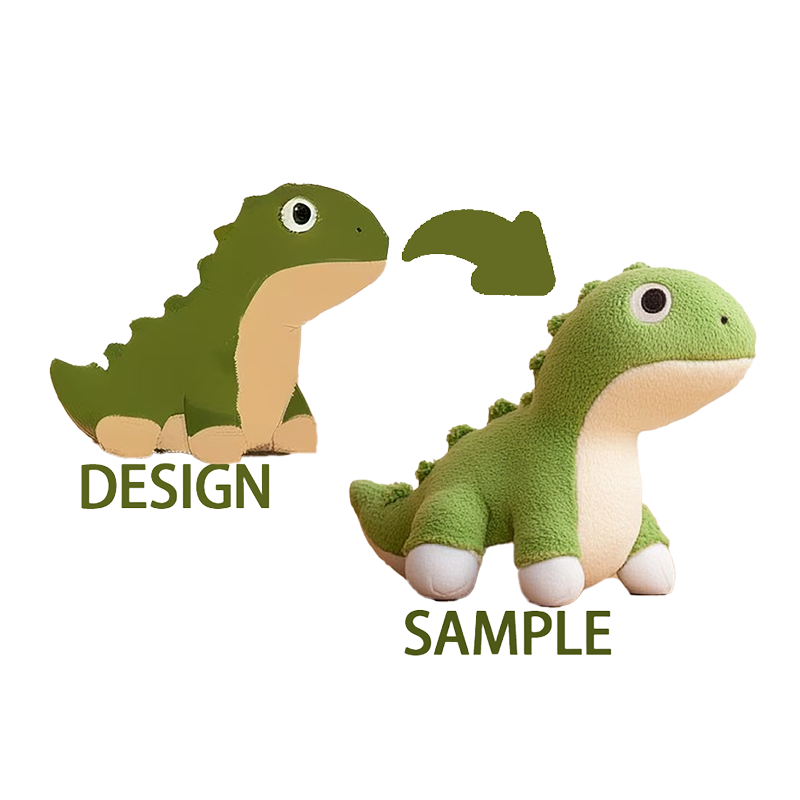
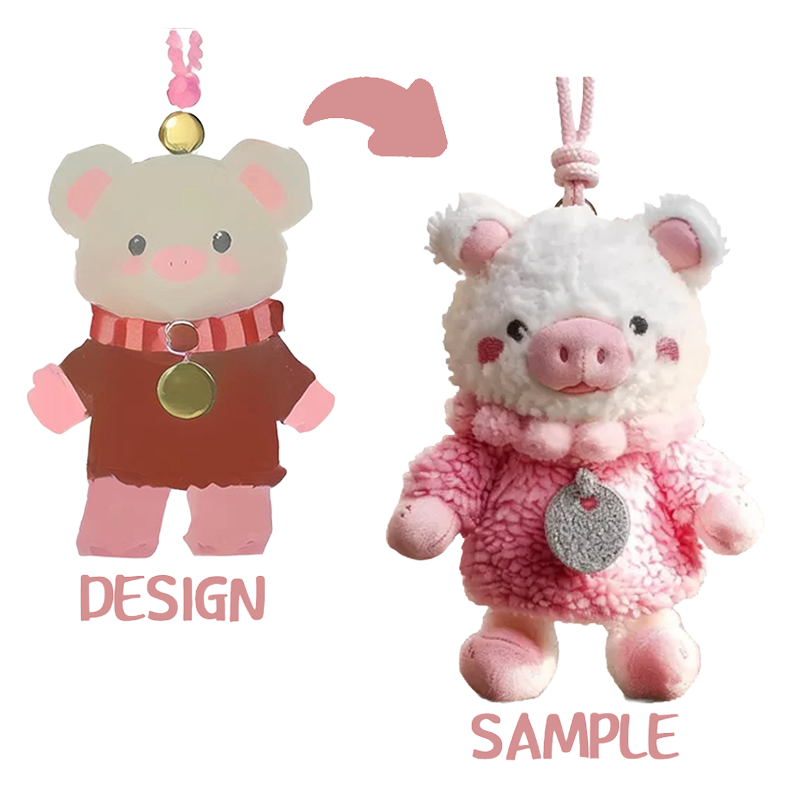
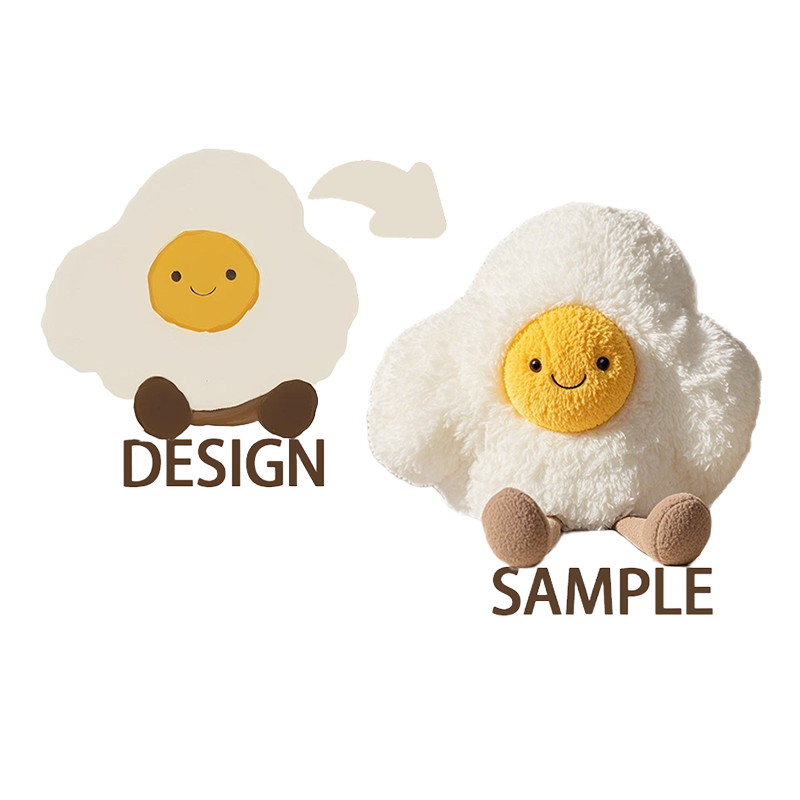
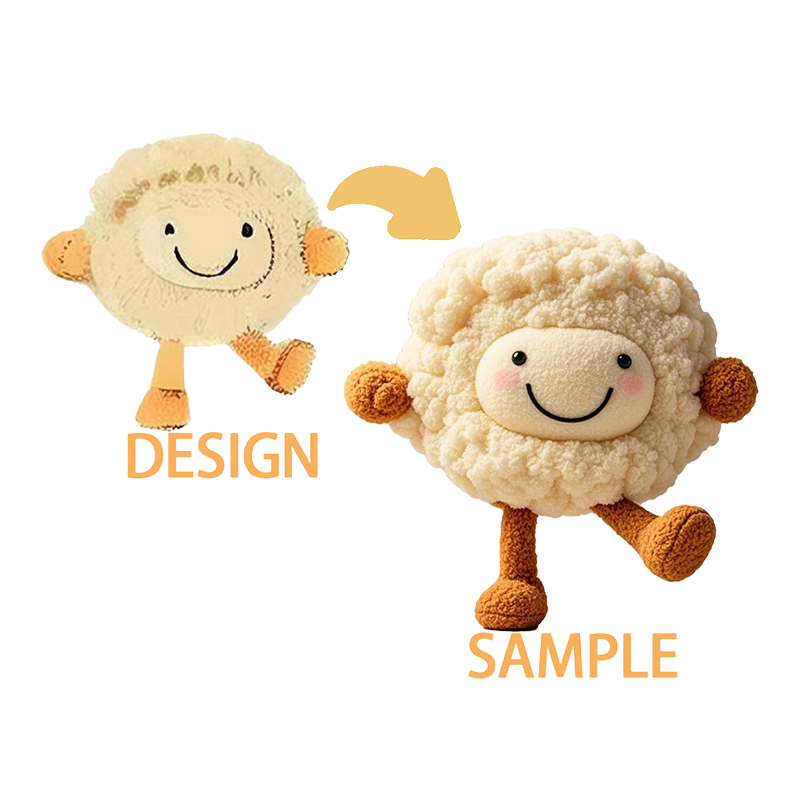
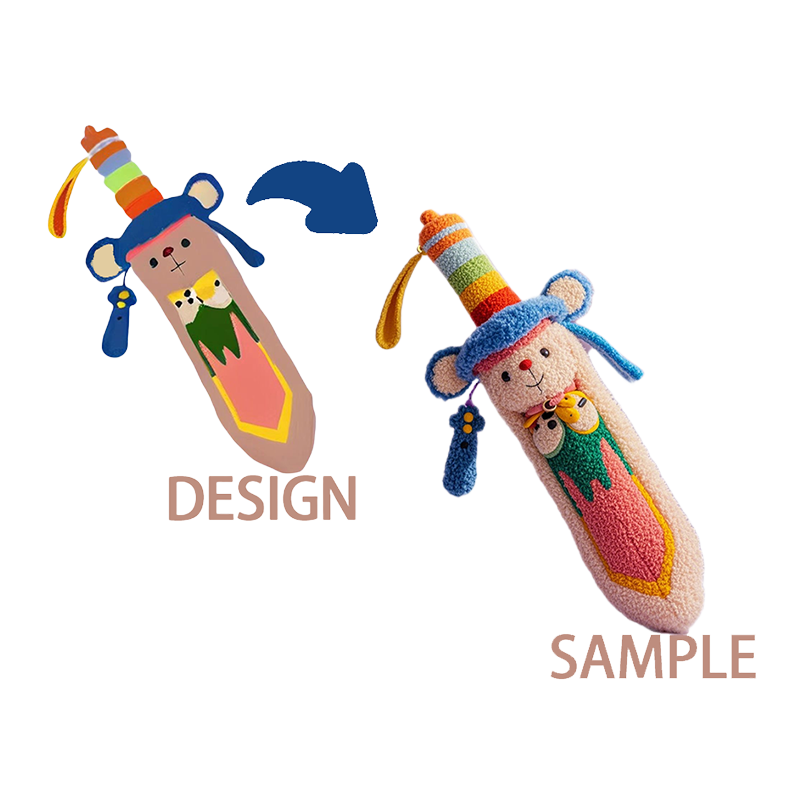
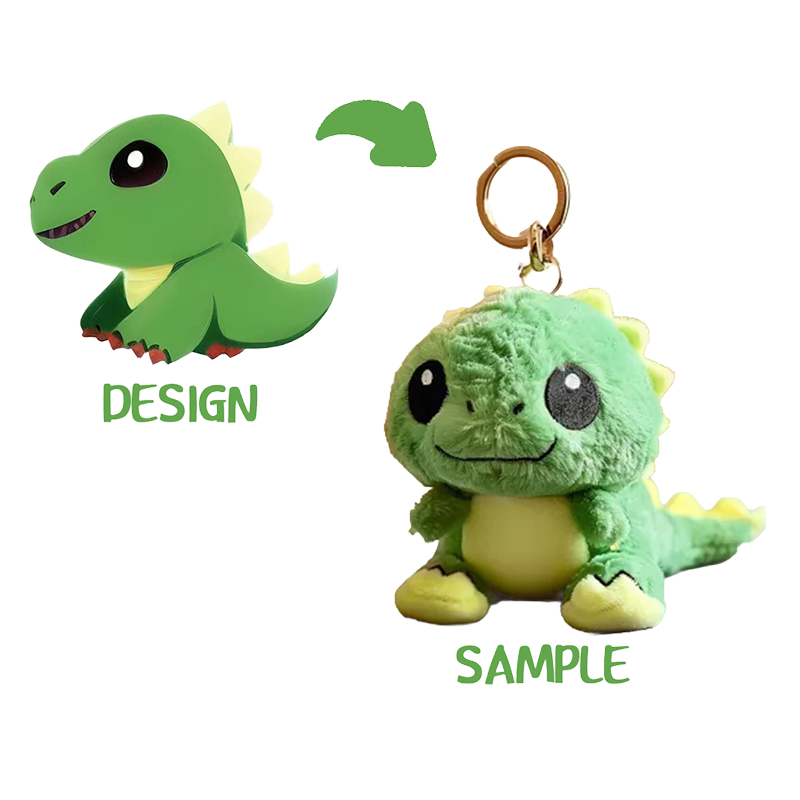
Kusibei Plush Toy Manufacturer specializes in the design and production of plush toys, offering customers unique customization services tailored to their specific market and product requirements. Production lines cover all aspects of plush toy manufacturing, utilizing advanced production technologies, excellent assembly line management strategies, and comprehensive quality assurance policies to deliver top-tier customization services globally.
Clients are concentrated in more than ten countries, including the USA, the UK, and Canada. Superior product quality is a key factor in helping clients capture market share. By partnering with Kusibei, exceptional customization services transform unique ideas into reality — ensuring product quality that earns lasting market recognition.
The recognition from partners is a major driving force for Kusibei's long-term development, and the company remains committed to raising the standard for Pet Plush and pet chew product quality worldwide.
Frequently Asked Questions
We specialize in the design and production of plush toys to provide customers with unique customized services