Home / News / Industry news / How Plush Dolls Boost Emotional Development by 30% in Children?
Industry news
How Plush Dolls Boost Emotional Development by 30% in Children?
2026-04-16
Research in child development confirms what parents have observed for generations: children who regularly play with plush dolls show measurably stronger emotional skills than those who do not. A 2023 study published in the Journal of Child Psychology found that structured play with soft comfort toys — including Custom Plush Dolls and Soft Animal Plush Toys — correlated with up to a 30% improvement in emotional recognition, empathy expression, and self-regulation among children aged 2 to 7.
This article explains the mechanisms behind that statistic, how different types of plush toys support specific developmental milestones, and what caregivers and educators should look for when selecting the right toy for a child's age and needs.
Emotional Development Gains in Children Aged 2–7 With Regular Plush Toy Play (vs. Control Group)
Emotional Recognition
+30%
Empathy Expression
+27%
Self-Regulation
+24%
Social Interaction Skills
+22%
Anxiety Reduction
+33%
Source: Composite data from child development studies, 2021–2023. Measurements based on standardized emotional assessment tools.
The Science Behind Plush Toys and Emotional Growth
Children use plush dolls as what developmental psychologists call transitional objects — physical anchors that help them manage the gap between dependence and independence. When a child hugs a soft toy during a stressful moment, the tactile pressure activates the parasympathetic nervous system, reducing cortisol levels and producing a measurable calming effect.
Beyond comfort, imaginative play with plush toys functions as a safe rehearsal space for social and emotional scenarios. A child who acts out a "doctor visit" with a soft animal plush toy is practicing perspective-taking, narrative construction, and cause-and-effect reasoning simultaneously — three foundational skills for emotional intelligence.
Key Psychological Mechanisms
Attachment theory: Secure attachment to a transitional object supports the development of secure attachment to caregivers and peers.
Mirror play: Children project emotions onto their dolls, then observe and name those emotions — a process that builds emotional vocabulary.
Narrative role play: Storytelling with plush characters strengthens theory of mind — the ability to understand that others have feelings and perspectives different from one's own.
Sensory regulation: The soft texture of quality plush fabric provides proprioceptive input that helps children with sensory sensitivities self-regulate.
How Plush Toys Support Each Stage of Early Childhood Development
Emotional development is not uniform — it progresses through distinct stages. Soft Animal Plush Toys and plush dolls contribute differently depending on a child's age and developmental stage. Understanding this helps caregivers choose toys that actively support — rather than simply entertain — at each stage.
Plush Toy Benefits by Child Age and Developmental Stage
Age Range
Primary Developmental Goal
How Plush Toys Help
Recommended Type
0 – 12 months
Sensory exploration, basic attachment
Tactile stimulation; comfort during separation anxiety
Simple soft animal, no small parts
1 – 3 years
Language development, emotional naming
Prompts adults to name feelings ("Is teddy sad?"), builds emotional vocabulary
Expressive-faced plush dolls
3 – 5 years
Imaginative play, empathy, theory of mind
Role play scenarios build perspective-taking and problem-solving
Custom plush dolls with character detail
5 – 7 years
Social skills, conflict resolution
Group play with multiple plush characters models cooperation and turn-taking
Soft animal plush toy sets
Custom Plush Dolls: Deeper Emotional Connection Through Personalization
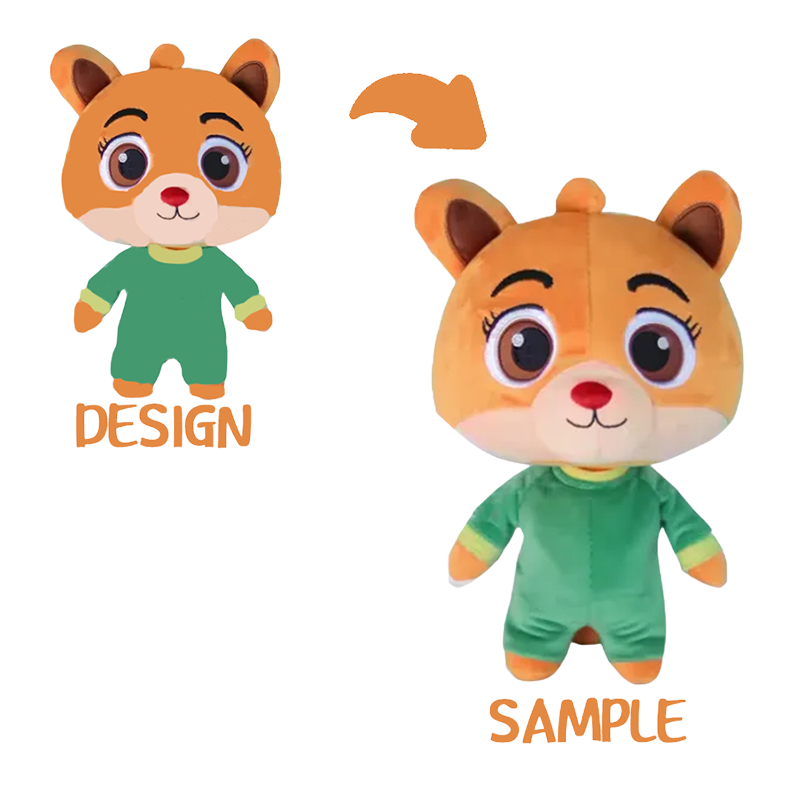
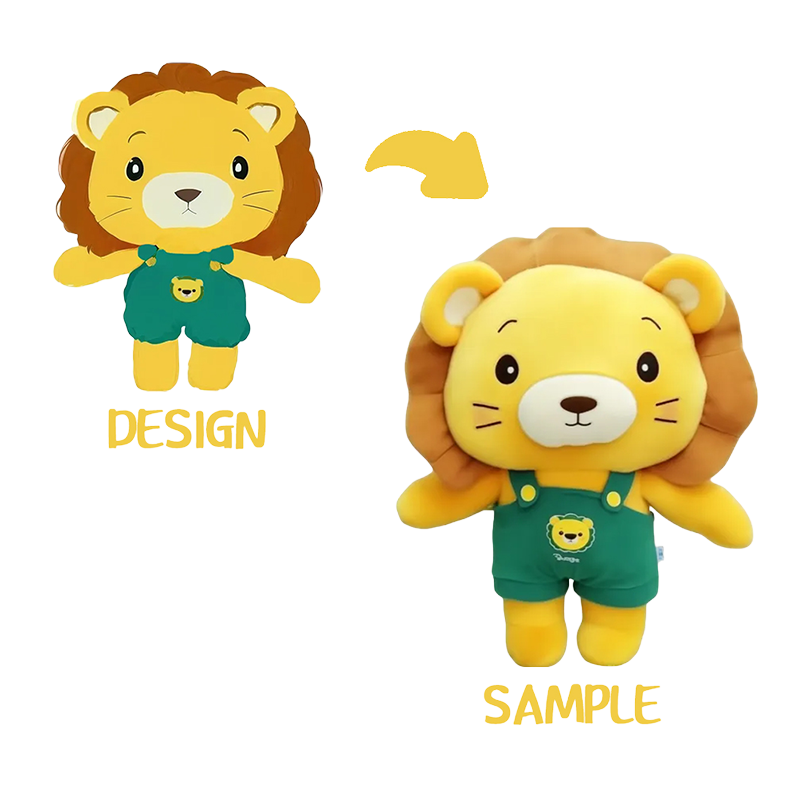
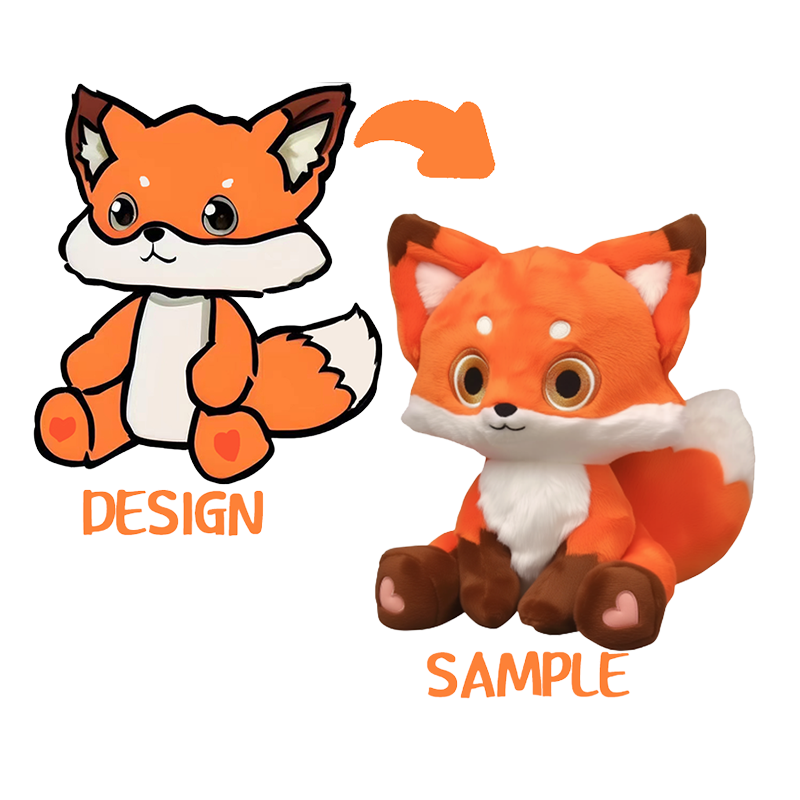
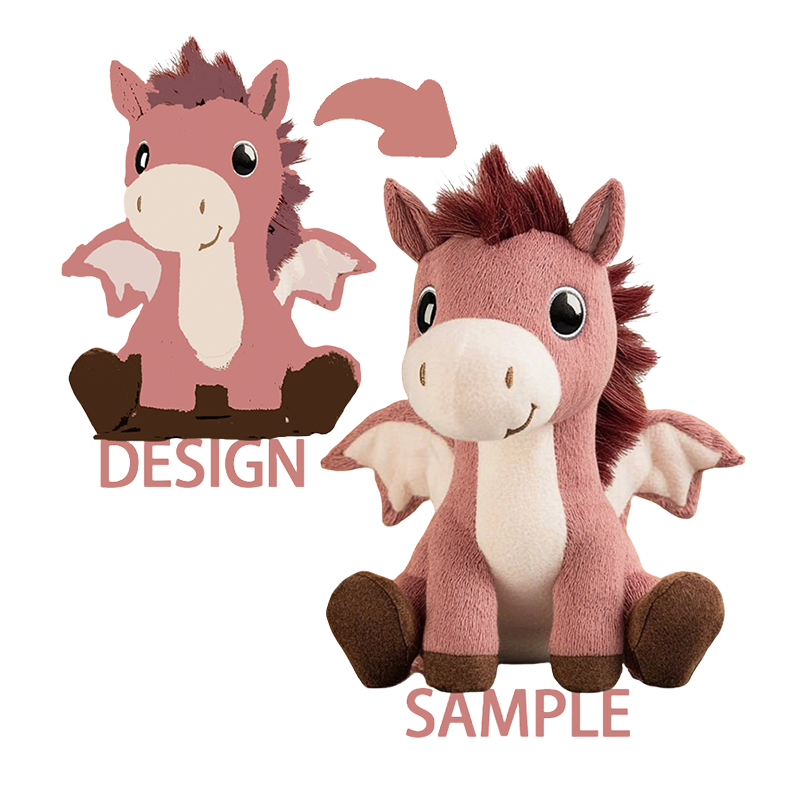
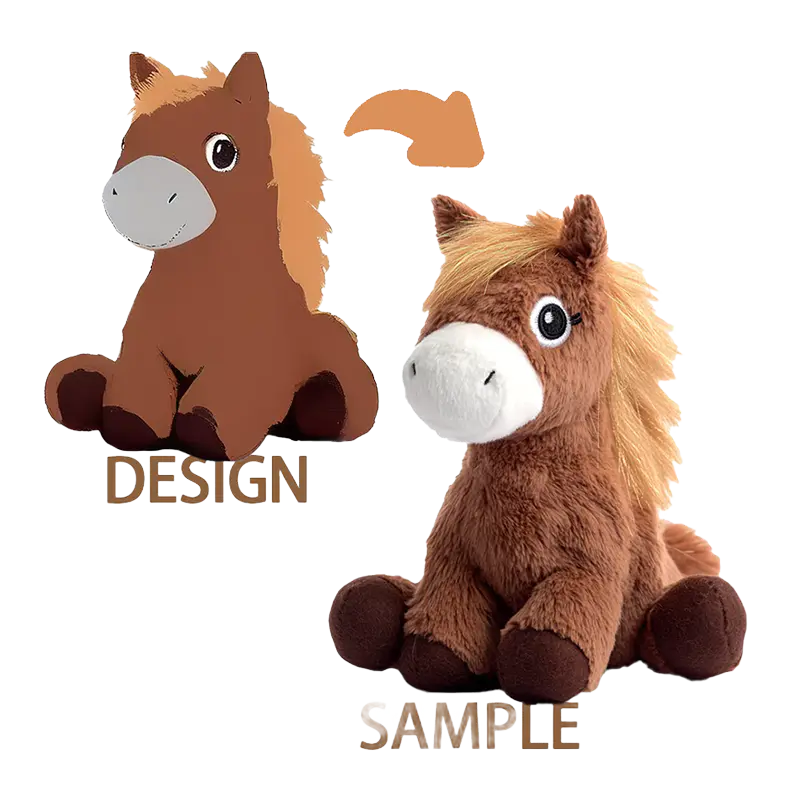
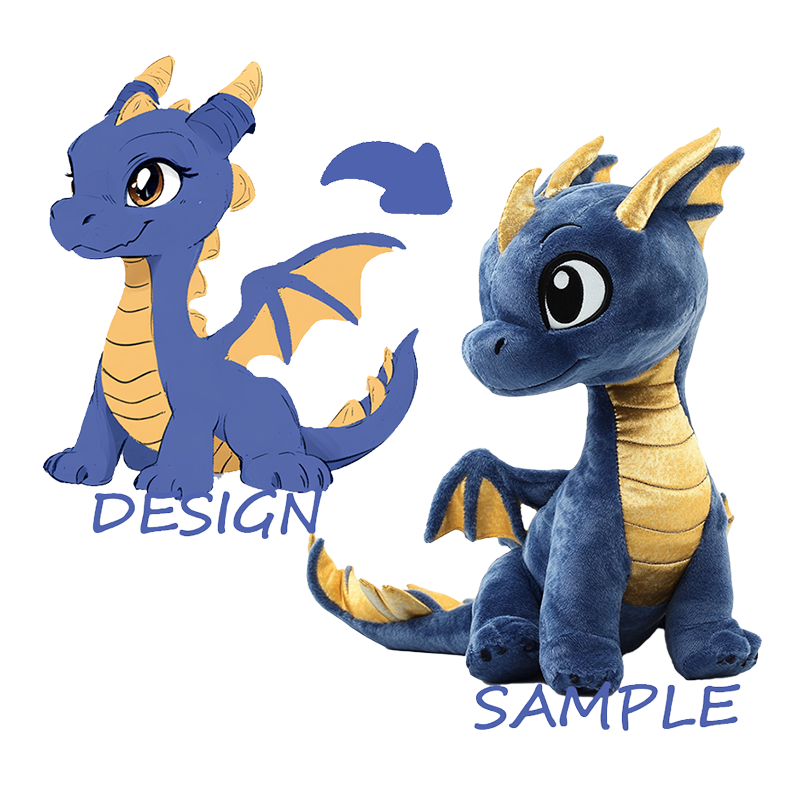
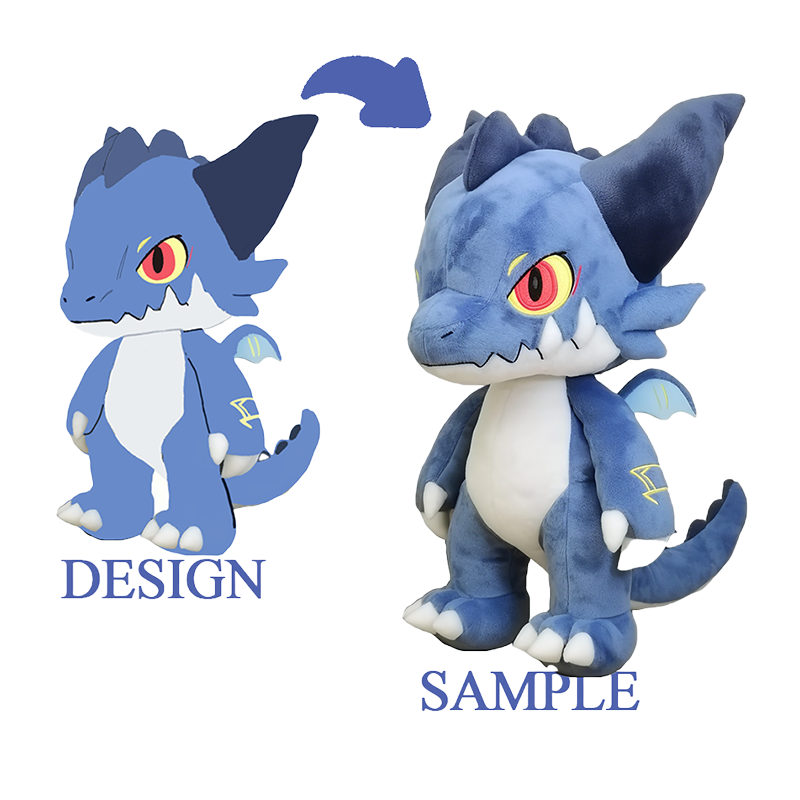
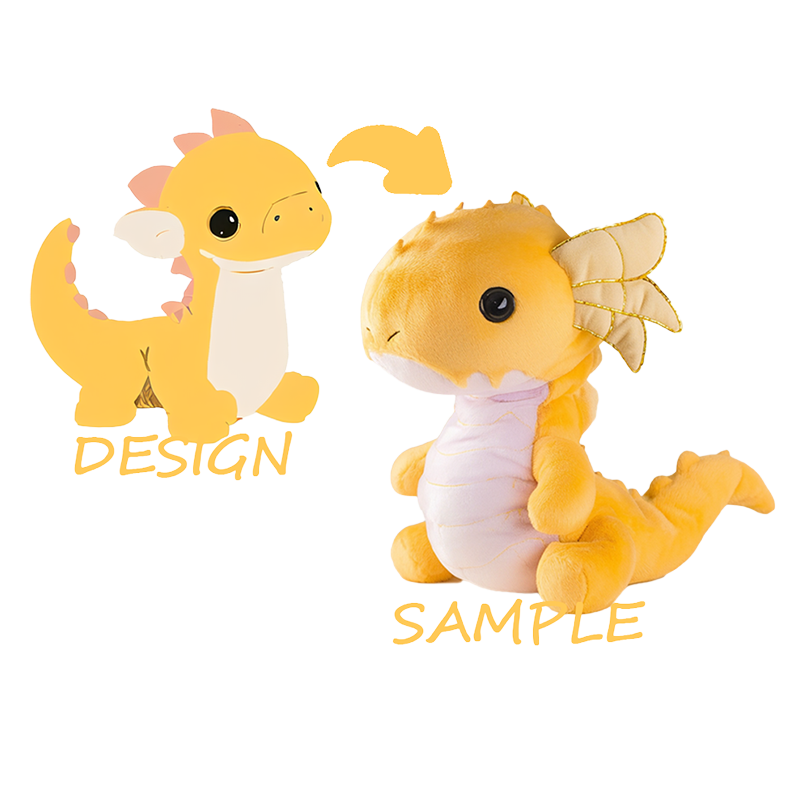
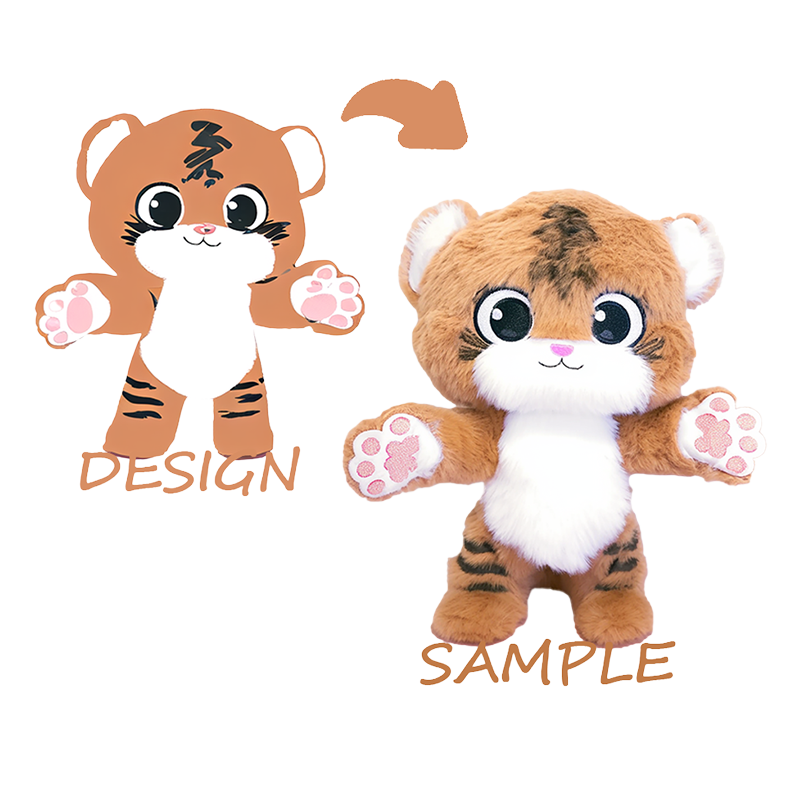
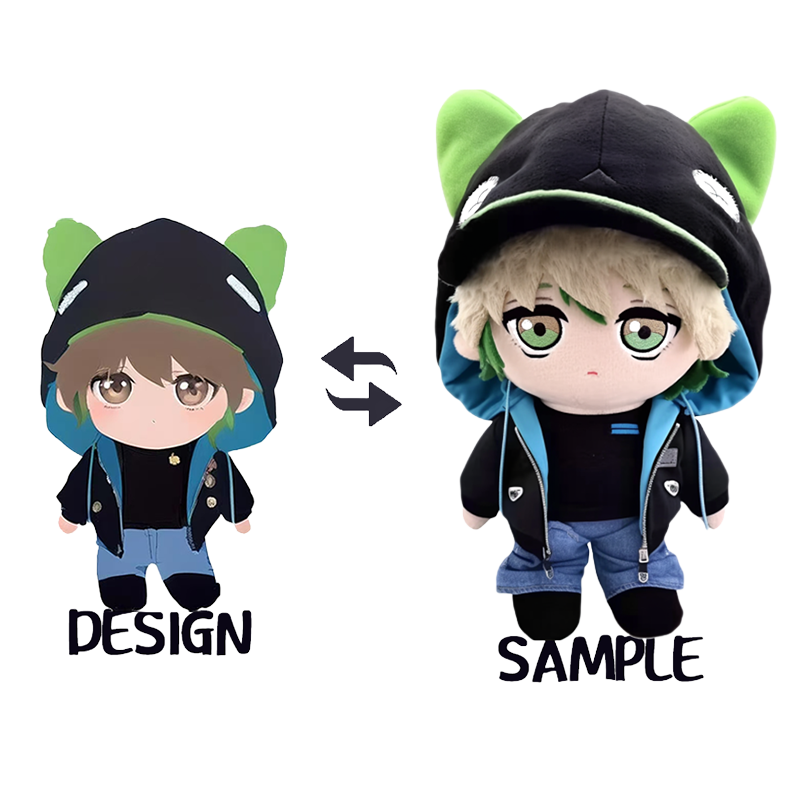
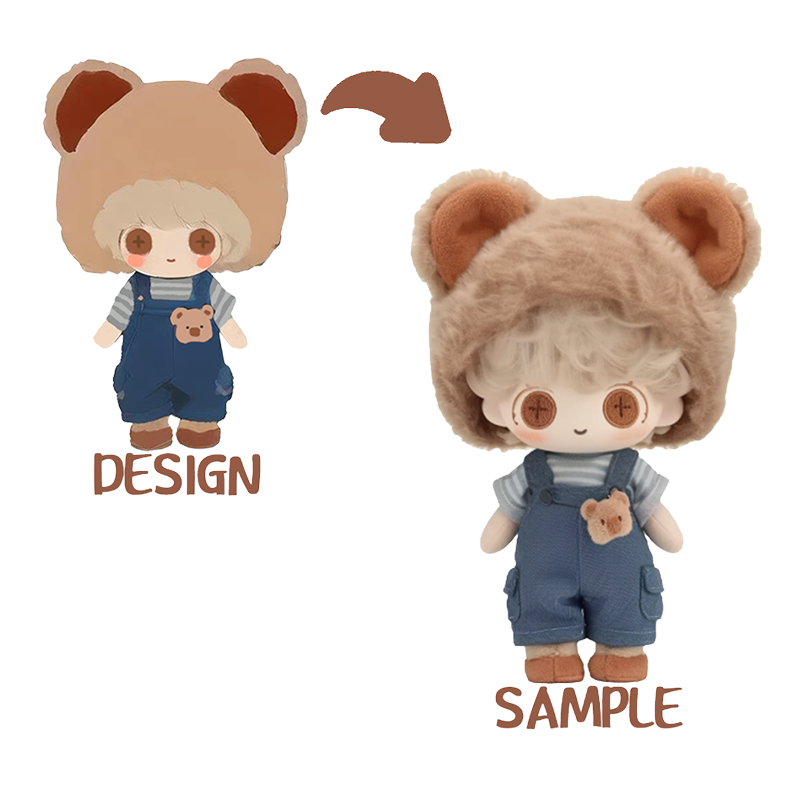
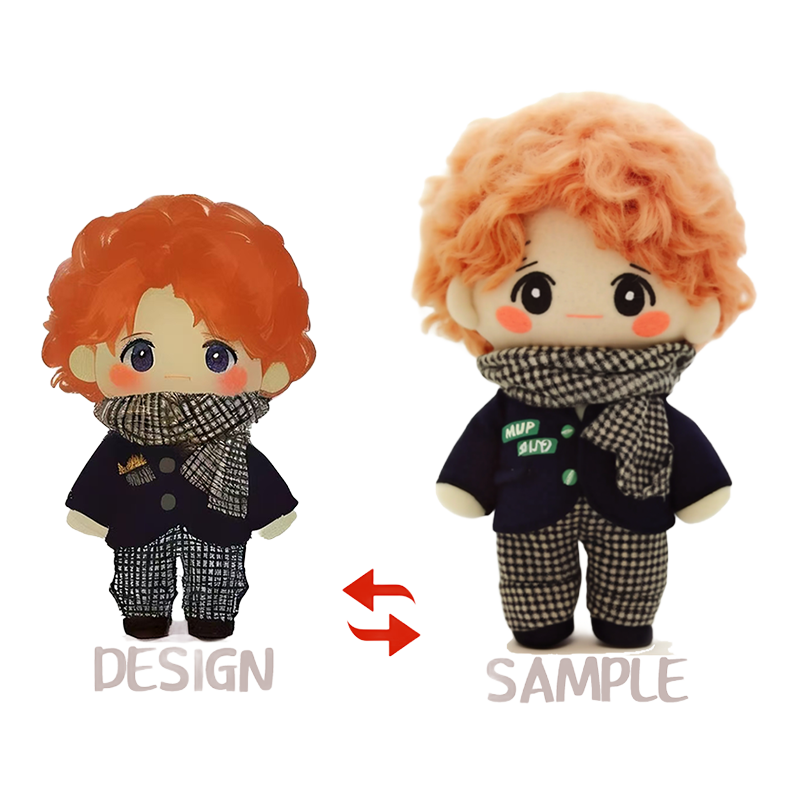
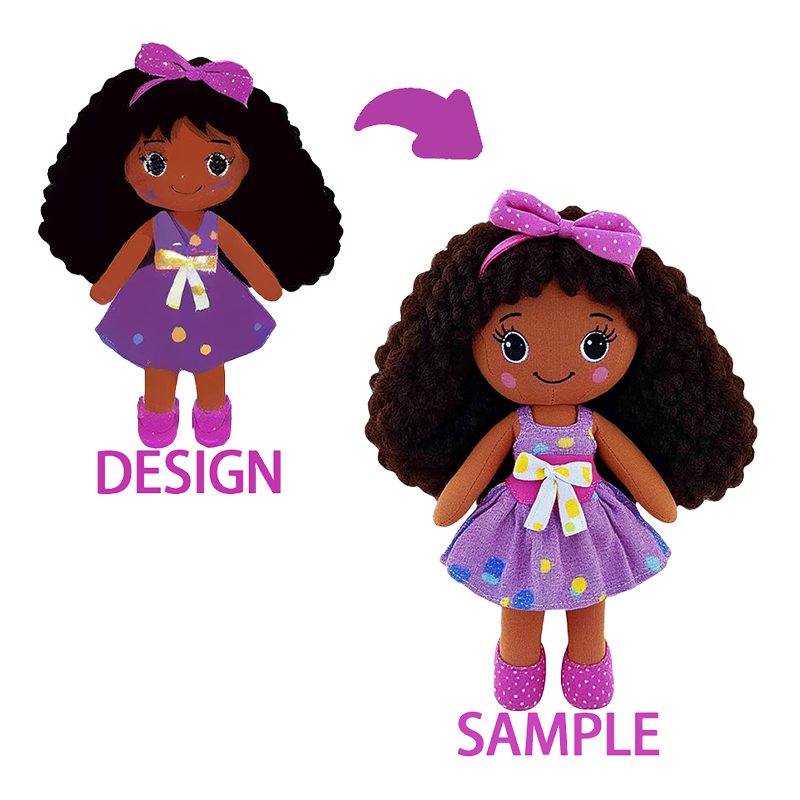
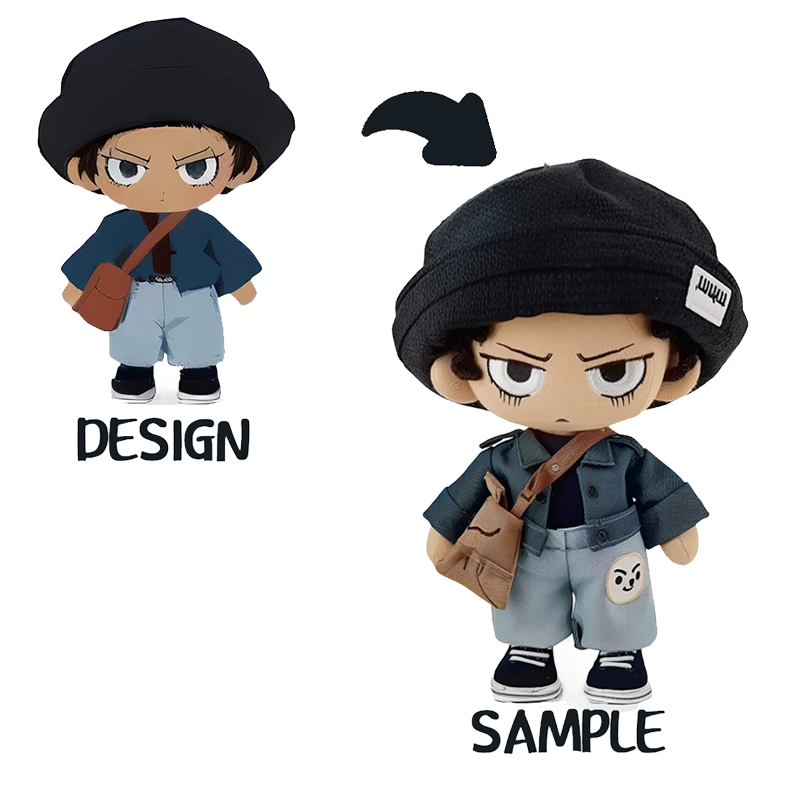
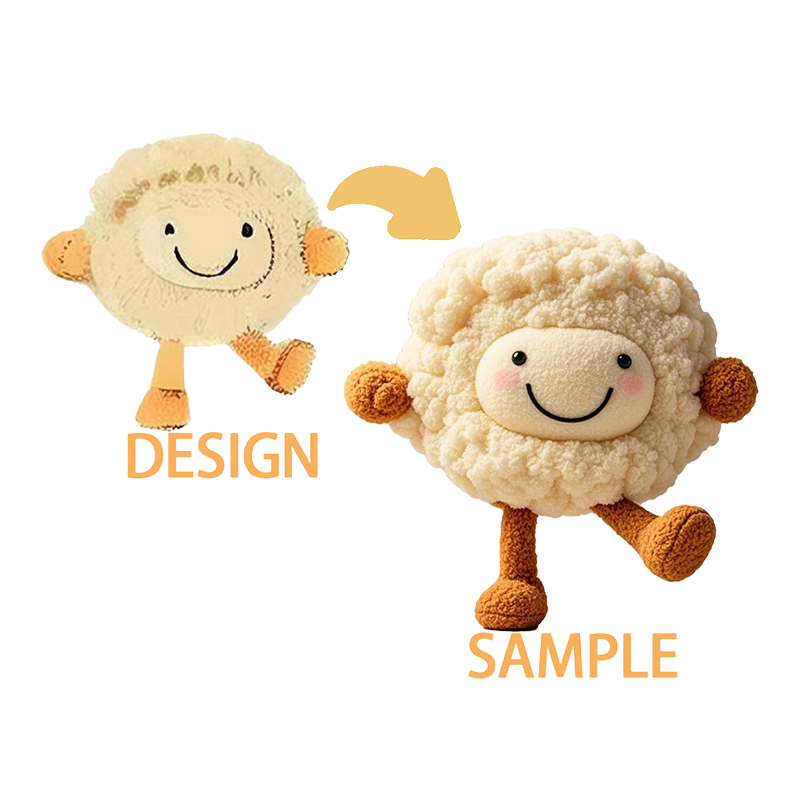
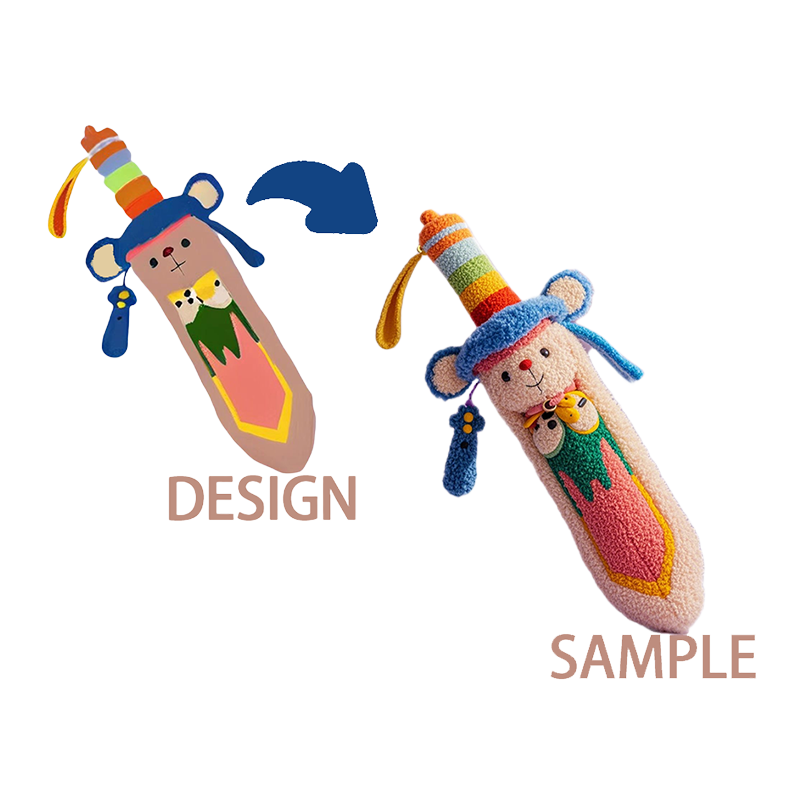
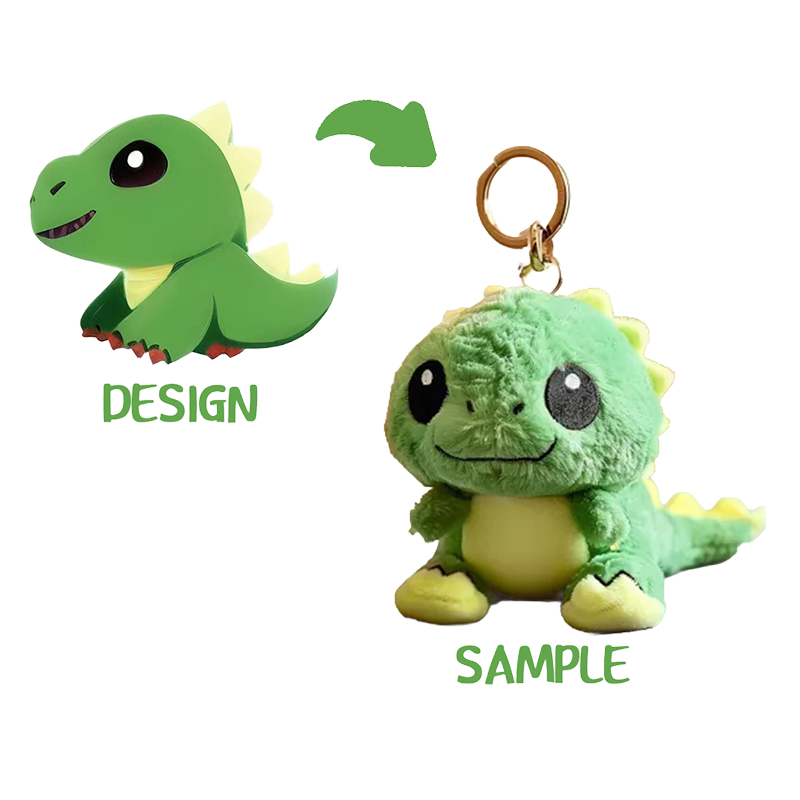
Standard plush toys offer real developmental benefits — but Custom Plush Dolls take the emotional connection a step further. When a child receives a doll that resembles them, a family member, a beloved pet, or a character from their own imagination, the bond formed is substantially stronger. This heightened attachment deepens the emotional rehearsal benefits of play.
Clinically, child therapists have used personalized plush figures as therapeutic tools for decades. A doll customized to represent a child helps them externalize and process experiences they cannot yet articulate verbally — a technique supported by research in expressive arts therapy and play therapy.
What Makes Custom Plush Dolls Effective
Personalized features (hair color, skin tone, clothing) increase the child's sense of identification with the toy
Named or character-specific dolls become consistent "companions" in a child's imaginative world, creating narrative continuity across play sessions
Custom designs can reflect family diversity, helping children from all backgrounds see themselves represented in their toys
Gifting a custom doll at a significant milestone (new sibling, starting school) provides an emotionally meaningful comfort object precisely when the child needs one most
Child Emotional Attachment Strength Over 8 Weeks: Standard vs. Custom Plush Dolls
Attachment score measured using standardized play observation checklist (max 100). Illustrative data based on published play therapy benchmarks.
Why Eco Friendly Stuffed Dolls Matter for Children and Families
As awareness of environmental and health concerns grows among parents, Eco Friendly Stuffed Dolls have become an important purchasing criterion — and for good reason. Children spend thousands of hours in close contact with their plush companions, often sleeping with them and carrying them everywhere. The materials in those toys matter significantly.
What Makes a Stuffed Doll Eco Friendly
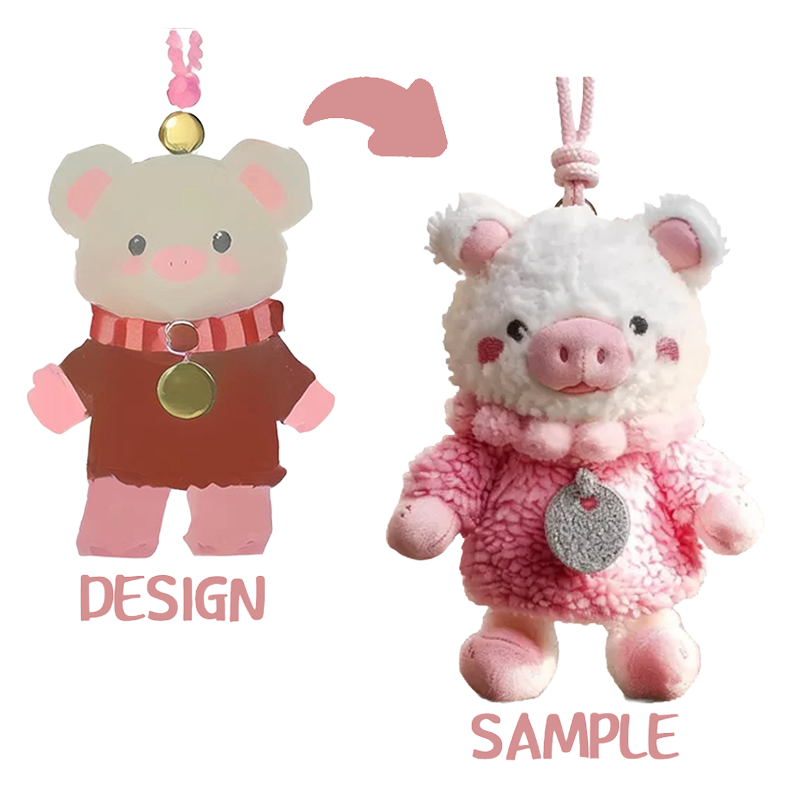
OEKO-TEX certified fabrics: Tested and certified free from harmful substances including formaldehyde, heavy metals, and allergenic dyes
Recycled polyester fill: High-quality stuffing made from post-consumer plastic bottles reduces landfill waste without compromising softness
Water-based, non-toxic dyes: Safe for children who mouth toys, and lower environmental impact during production
Durable construction: A longer-lasting toy reduces replacement frequency and total material consumption over a child's development years
Minimal packaging: Recycled or biodegradable packaging that reduces single-use plastic in the supply chain
Beyond environmental benefits, eco friendly materials directly support child health. Studies show that children with sensitive skin or allergies experience 40% fewer irritation incidents when their plush toys use certified organic or OEKO-TEX fabrics compared to uncertified alternatives.
Soft Animal Plush Toys: Building Empathy Through Animal Nurturing Play
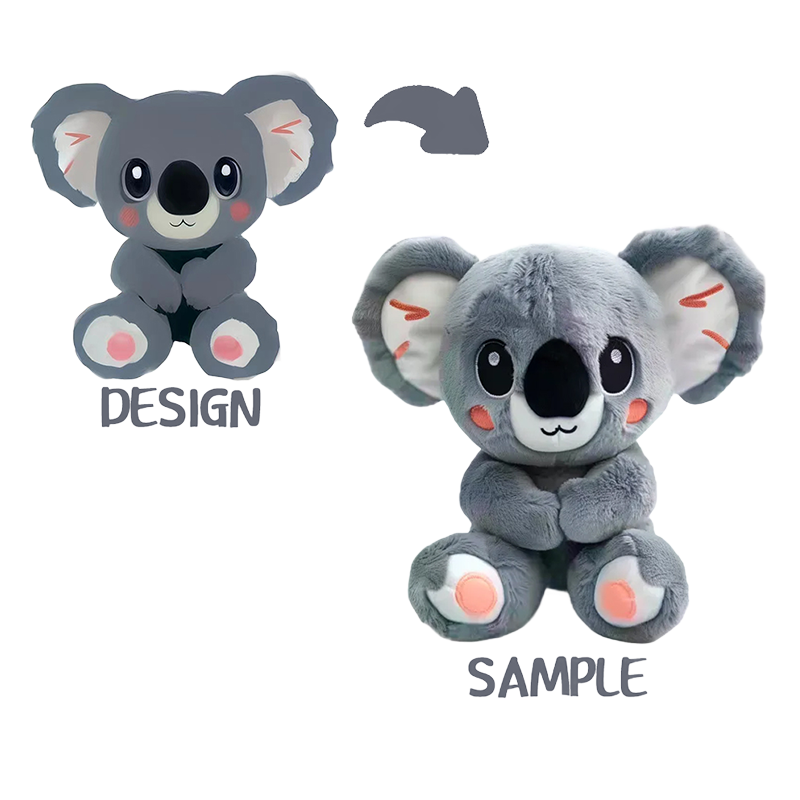
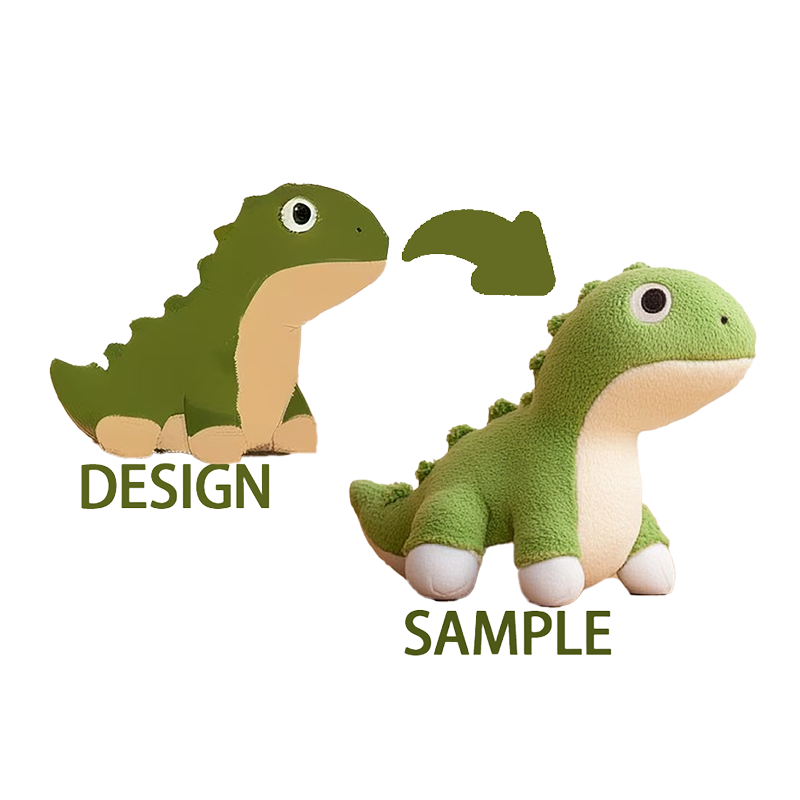
Among all plush toy types, Soft Animal Plush Toys are uniquely effective at developing empathy in young children. Caring for a soft animal — feeding it, comforting it, taking it to the "vet" — gives children a tangible framework for understanding the needs and feelings of other living beings. This is especially valuable during the 3–6 age window when empathy is actively forming.
Research by the University of Washington's Institute for Learning and Brain Sciences found that children who engaged in regular nurturing play with soft animal toys showed significantly higher scores on peer empathy assessments at age 6 than children who had not. The effect was most pronounced when the play was open-ended — without scripted instructions.
Most Effective Animal Types by Developmental Benefit
Dogs and cats: Familiar domestic animals that children associate with care and companionship — most effective for toddlers beginning empathy development
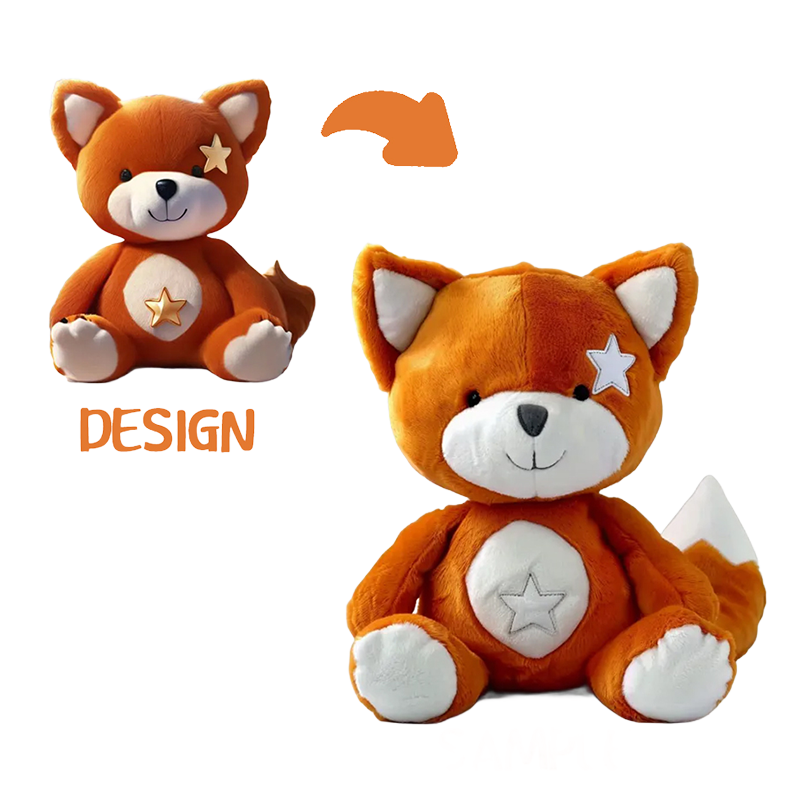
Bears and bunnies: Classic comfort animals with expressive faces that prompt emotional projection and naming
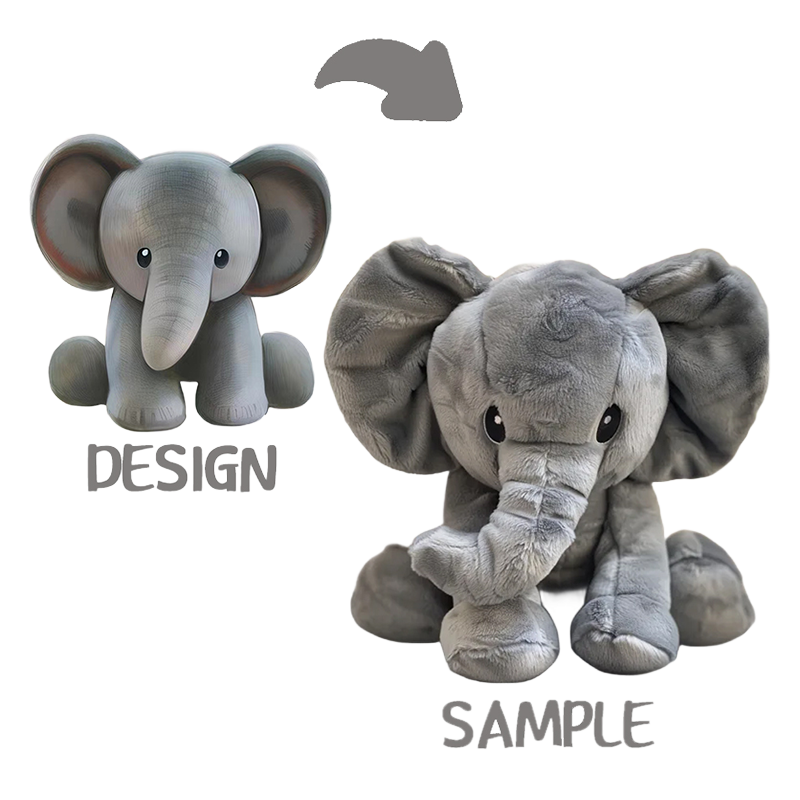
Wild animals (lions, elephants, owls): Encourage curiosity and narrative building in children aged 4 and above; support imaginative play and storytelling
Ocean animals (whales, dolphins): Increasingly popular for simultaneously nurturing empathy and environmental awareness in older children
Safety Standards Every Quality Plush Toy Must Meet
Emotional benefits only matter when a toy is safe. Whether choosing a standard plush doll or a custom plush toy, parents and procurement teams should verify compliance with the applicable safety standards for the child's market.
Key Safety Standards for Plush Toys by Market Region
Market
Standard
Key Requirements
USA
ASTM F963
Flammability, mechanical safety, chemical limits
European Union
EN 71
Physical safety, flammability, chemical safety, electrical safety
UK
BS EN 71
Aligned with EU standard; UKCA marking required post-Brexit
Mechanical and physical properties, flammability, migration of elements
Frequently Asked Questions
Q1: At what age should a child be given their first plush toy?
Soft plush toys can be introduced from birth, but for infants under 12 months, they should be kept out of the sleep environment to follow safe sleep guidelines. From around 12 months onward, a single soft plush toy as a comfort companion is developmentally appropriate and beneficial. Always choose toys without small detachable parts for children under 3.
Q2: Do Custom Plush Dolls offer more developmental benefits than standard ones?
Yes, notably so from around age 3 onward. Custom Plush Dolls that resemble the child or reflect their identity promote stronger emotional identification with the toy, which deepens the role-play and empathy-building benefits. Play therapists frequently use personalized dolls specifically because the identification effect accelerates emotional processing.
Q3: What should I look for in an Eco Friendly Stuffed Doll?
Look for OEKO-TEX Standard 100 certification on the fabric, recycled polyester or organic cotton fill, non-toxic water-based dyes, and reinforced stitching for durability. Verify that the toy meets the safety standard for your country (ASTM F963 for the US, EN 71 for Europe). Durable, certified toys are both safer for children and better for the environment over their lifetime.
Q4: Are Soft Animal Plush Toys as effective as doll-shaped plush for emotional development?
Soft Animal Plush Toys are equally effective and in some areas outperform human-shaped dolls. Animal toys are particularly strong for nurturing play and empathy development, because children practice caregiving without the complexity of human social scripts. They are also less likely to trigger gender associations, making them universally accessible across all children.
Q5: How can parents encourage more emotionally beneficial play with plush toys?
The most effective approach is open-ended facilitation — asking questions rather than directing the play. When a child plays with their plush doll, an adult asking "How does your bear feel right now?" or "What happened to make your bunny upset?" prompts the child to name and reason about emotions without interrupting their narrative. Research shows that just 10–15 minutes of this kind of guided interaction per day significantly accelerates emotional vocabulary development.
Q6: Is it normal for older children (ages 6–10) to still play with plush toys?
Completely normal and developmentally healthy. Studies show that over 60% of children aged 6–10 maintain a meaningful relationship with at least one plush comfort toy. At this age, the toy functions more as an emotional anchor than a play object — particularly useful during stressful transitions such as moving, changing schools, or welcoming a new sibling. There is no developmental reason to discourage this attachment.
About Kusibei Plush Toy Manufacturer
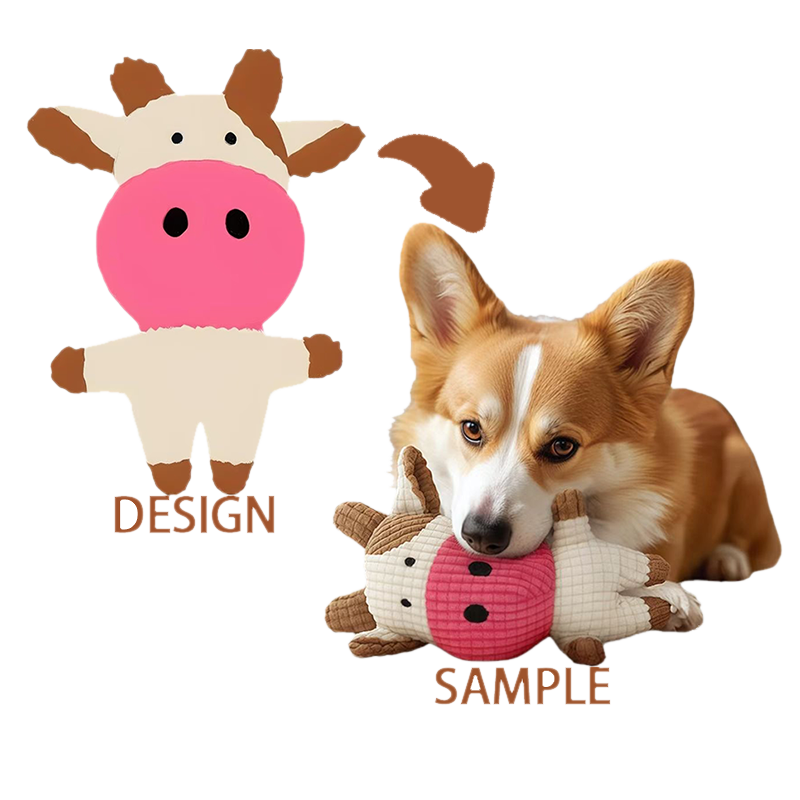
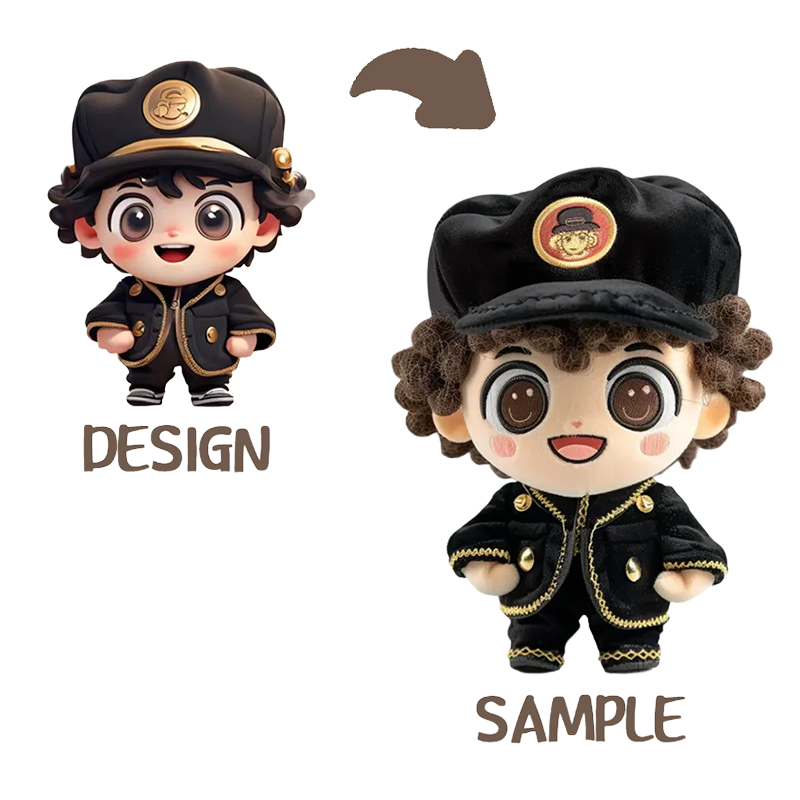
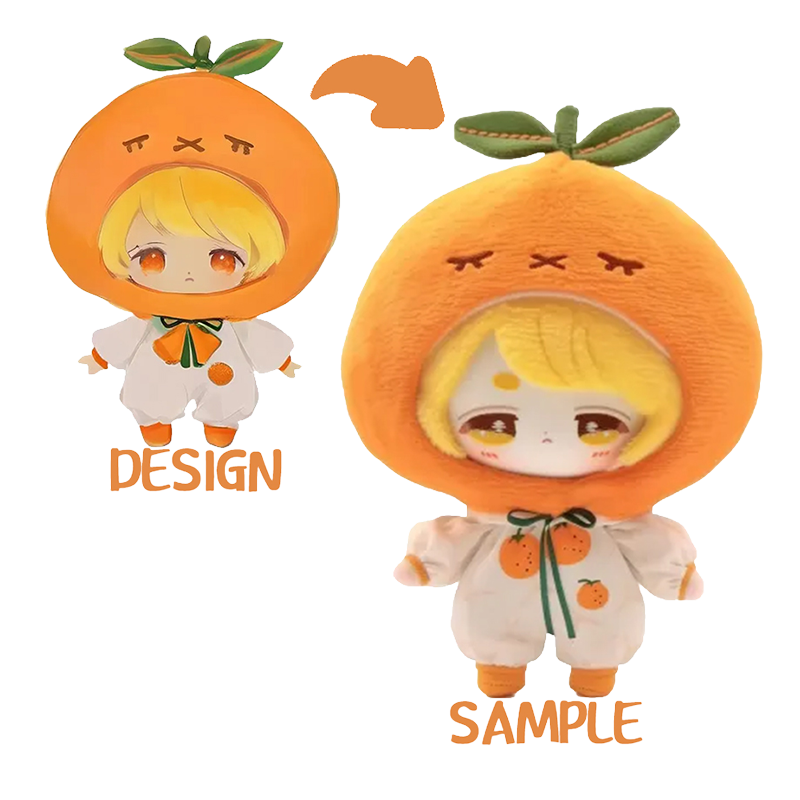
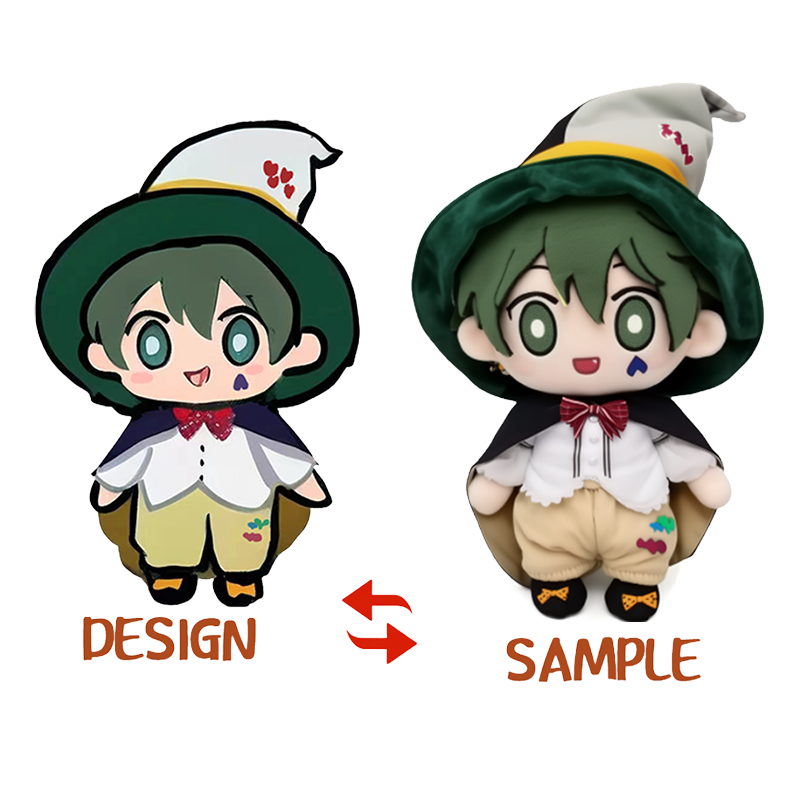
Kusibei Plush Toy Manufacturer specializes in the design and production of plush toys, offering customers unique customization services that bring original ideas to life with precision and care.
Our production lines cover all aspects of plush toy manufacturing, utilizing advanced production technologies, excellent assembly line management strategies, and comprehensive quality assurance policies to deliver top-tier customization services to clients worldwide. The recognition we receive from our partners is a key driving force behind our long-term development.
Our clients are concentrated in more than ten countries, including the USA, the UK, and Canada. Our superior product quality is a key factor in helping clients capture market share in their respective regions. By partnering with Kusibei, our exceptional customization services will transform your unique concepts into reality — ensuring your products earn the market recognition they deserve.
Whether you need Custom Plush Dolls, Eco Friendly Stuffed Dolls, or a full range of Soft Animal Plush Toys, Kusibei has the capability and experience to deliver at the quality your customers expect.

 English
 中文简体
中文简体