 English
 中文简体
中文简体How Are Custom Plush Dolls Made
2026-04-02
Custom plush dolls are made through a structured manufacturing process that spans concept design, material selection, pattern making, cutting, sewing, stuffing, facial feature application, and quality inspection — typically requiring 4 to 12 weeks from approved artwork to finished product depending on complexity and order volume. Whether you are commissioning a character-based stuffed doll, a brand mascot, or a personalized gift item, understanding each production stage helps you make better decisions at every step.
This guide walks through the complete production workflow for custom plush dolls, with material comparisons, process data, and practical guidance for buyers and brands placing their first or ongoing custom orders.
Content
- 1 Step One: Design Concept and Artwork Approval
- 2 Material Selection: Fabric, Filling, and Feature Components
- 3 Pattern Making and Sample Development
- 4 Fabric Cutting and Component Preparation
- 5 Sewing, Stuffing, and Assembly
- 6 Production Timeline by Order Volume
- 7 Quality Inspection and Safety Compliance
- 8 Finishing, Packaging, and Branding Options
- 9 About Kusibei Plush Toy Manufacturer
- 10 Frequently Asked Questions
Step One: Design Concept and Artwork Approval
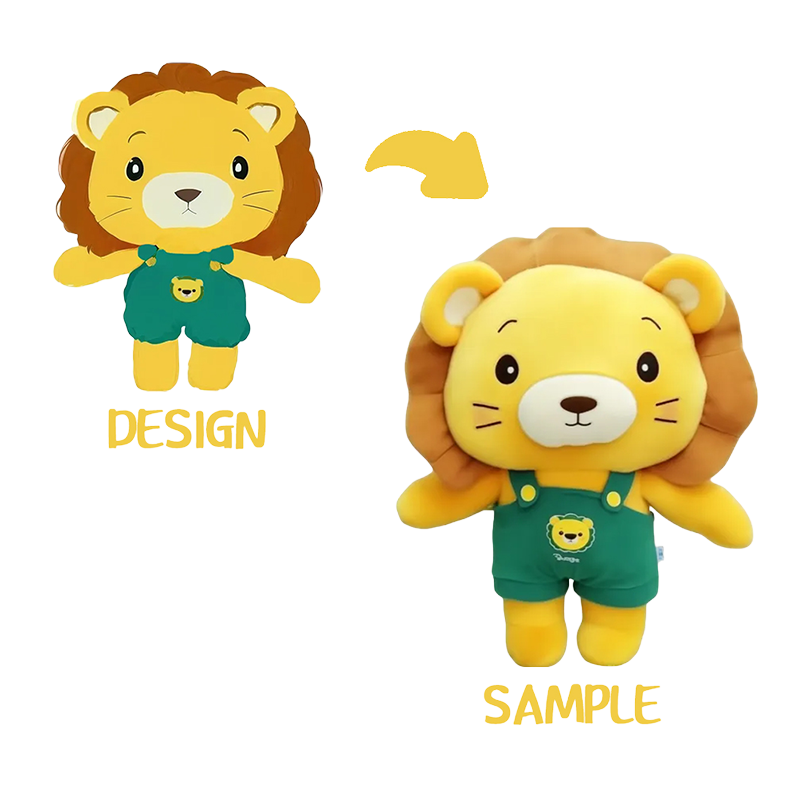
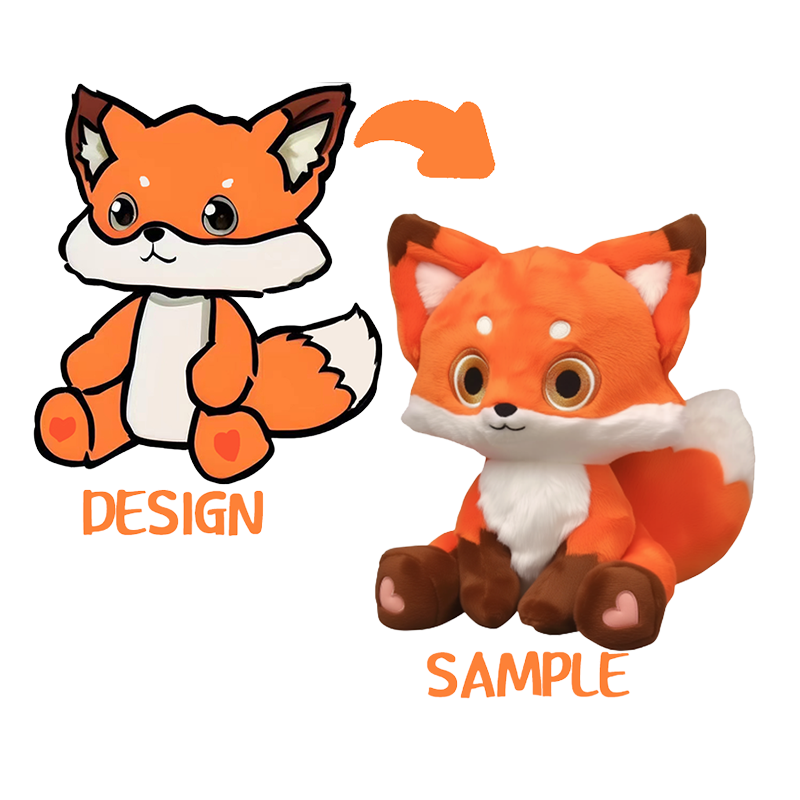
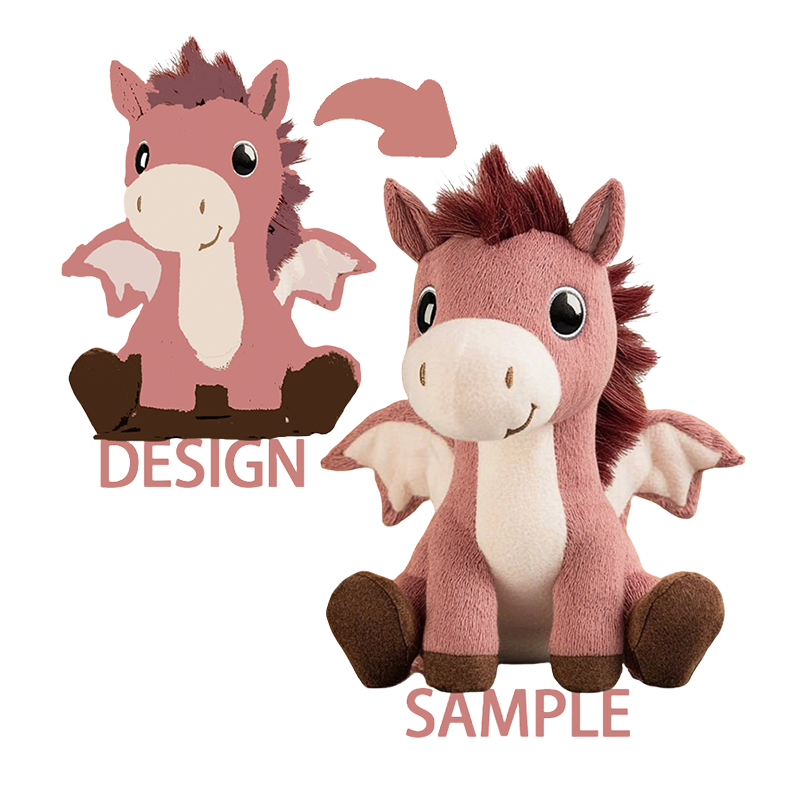
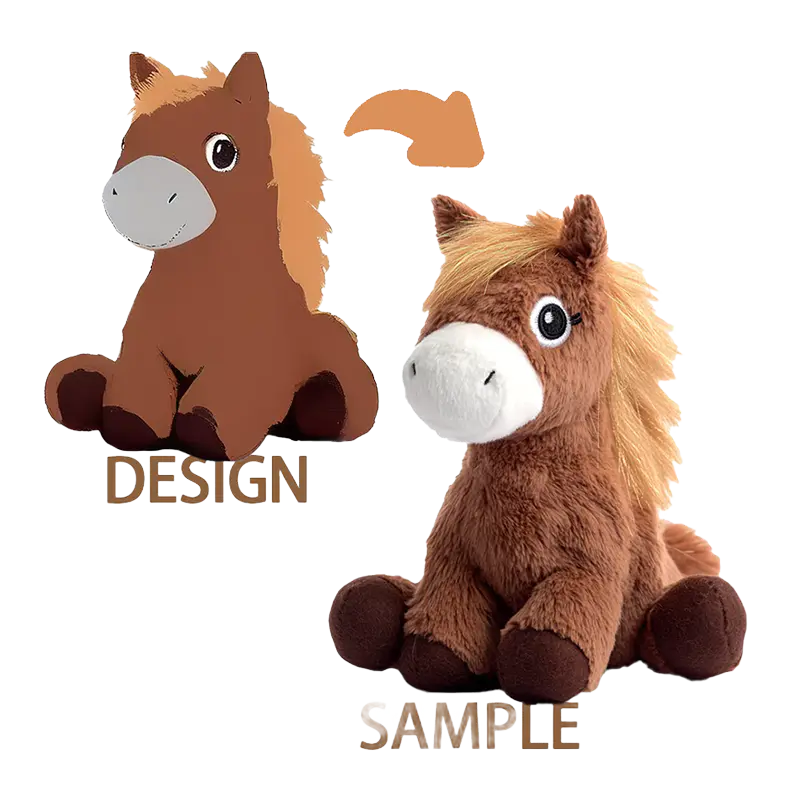
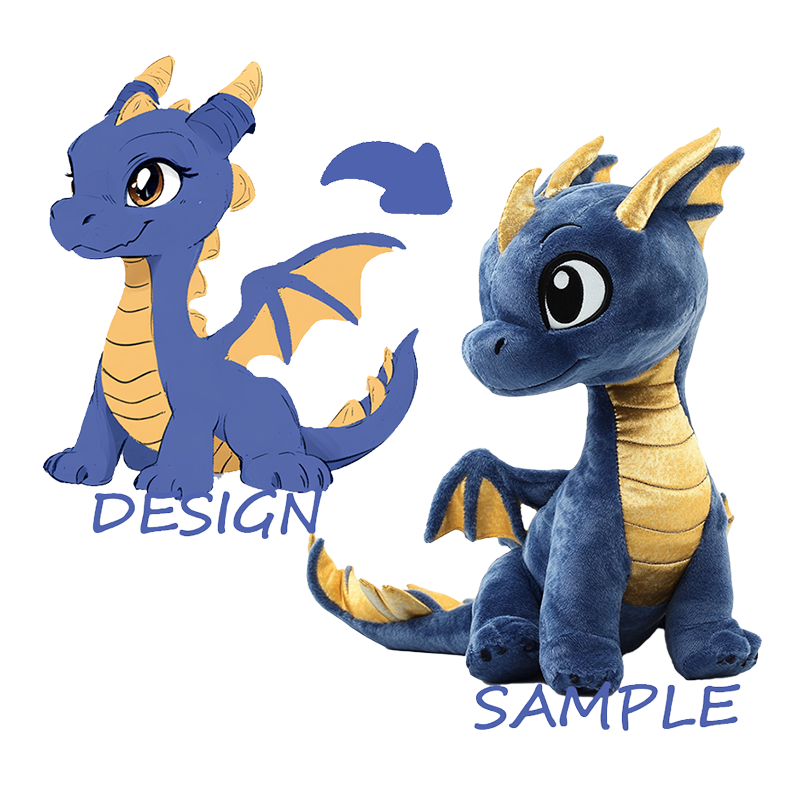
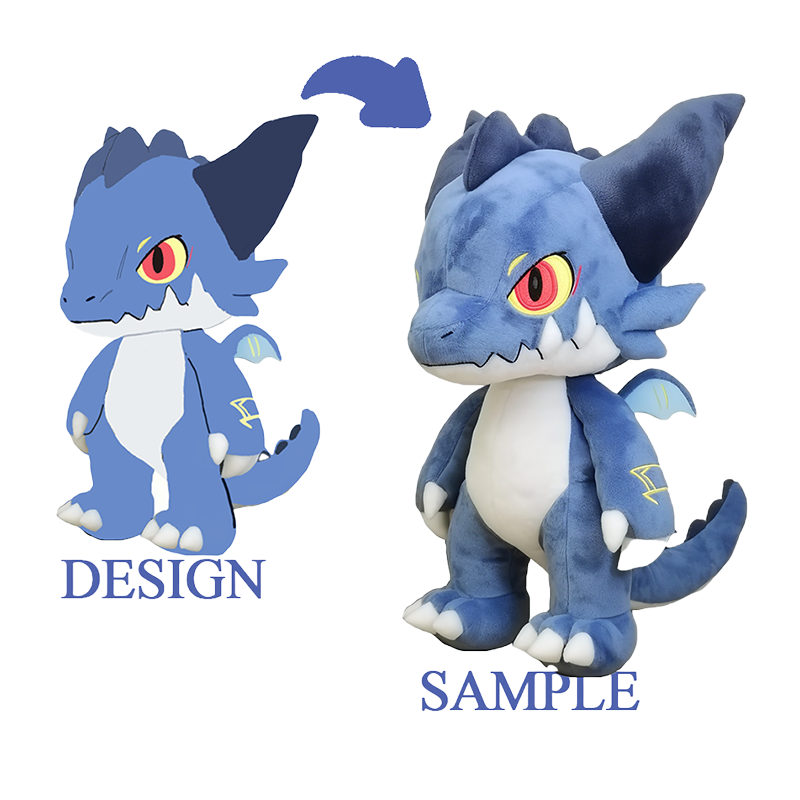
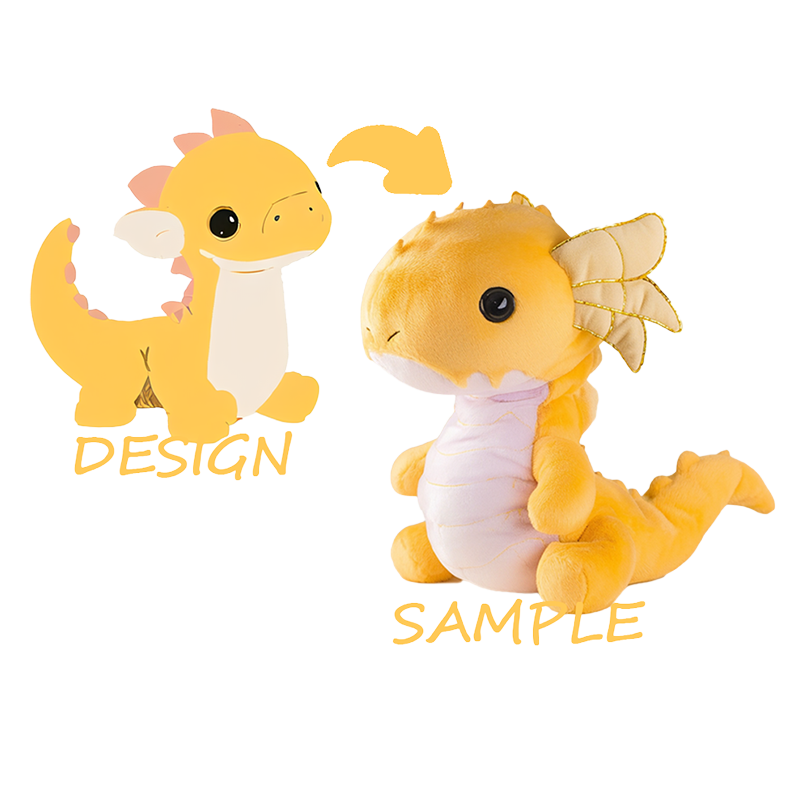
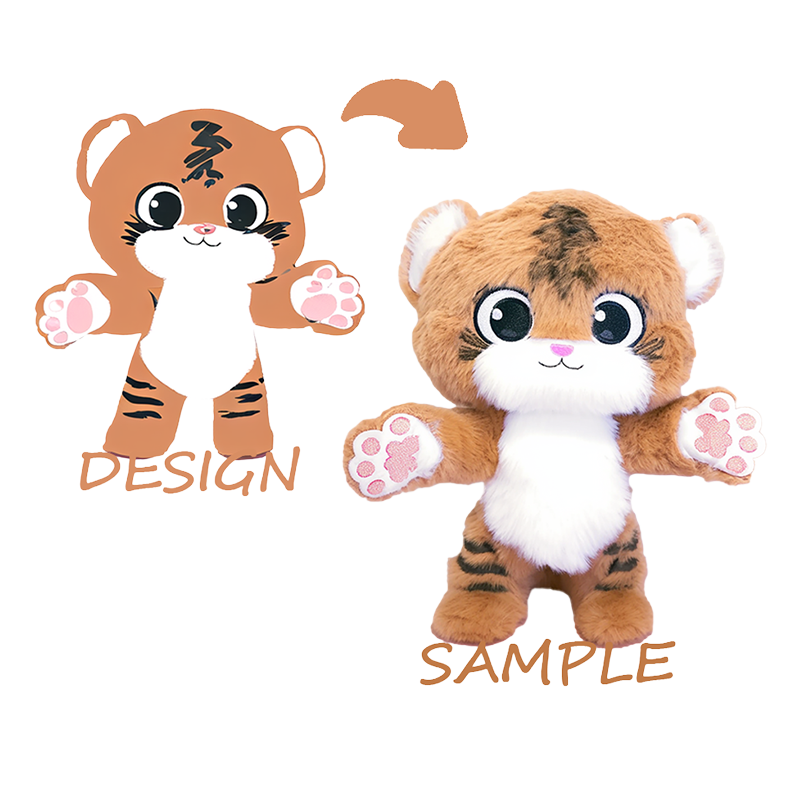
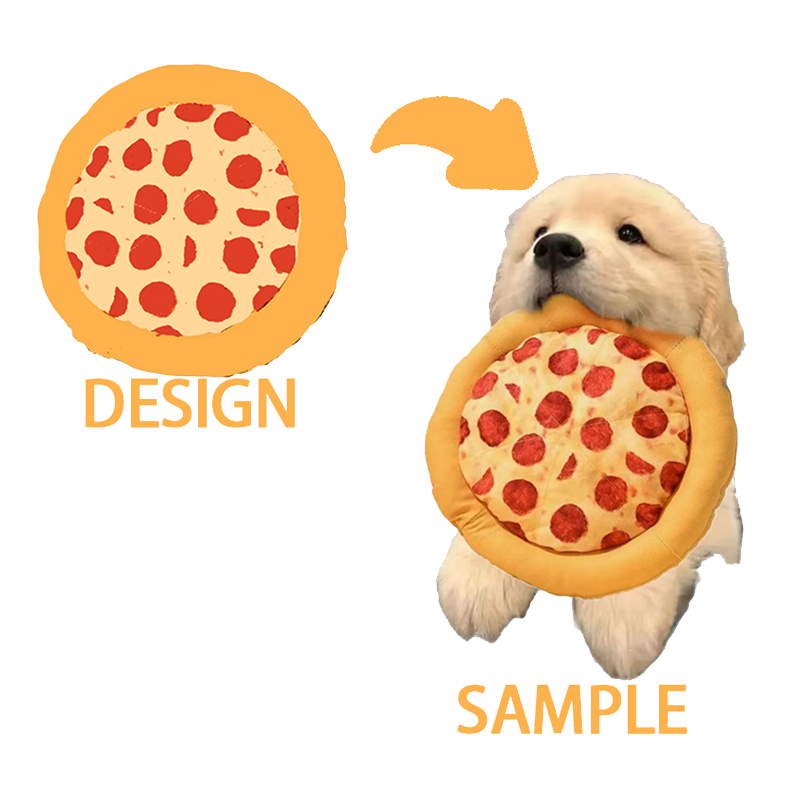
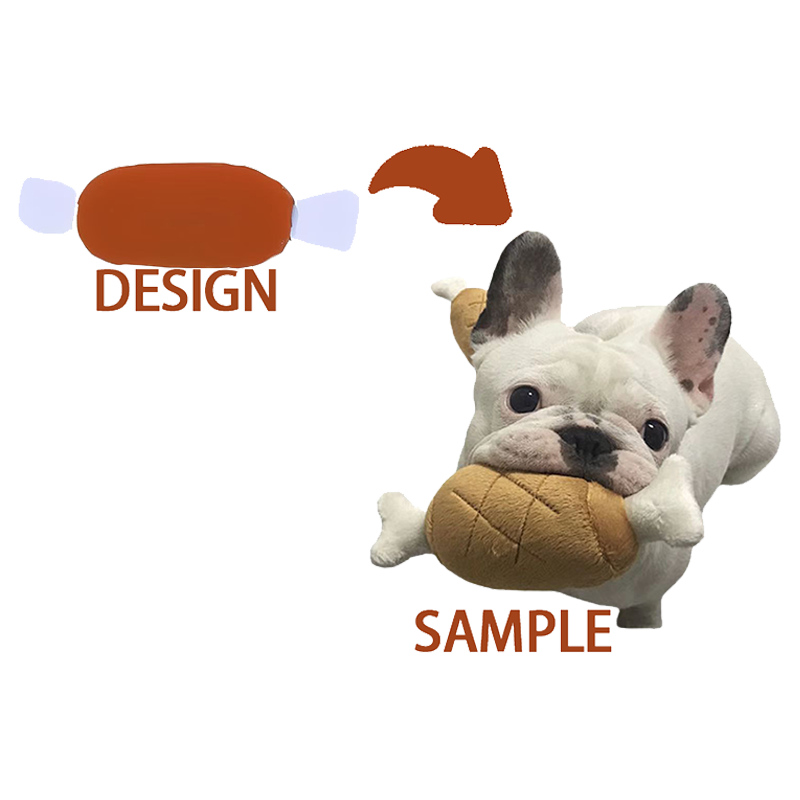
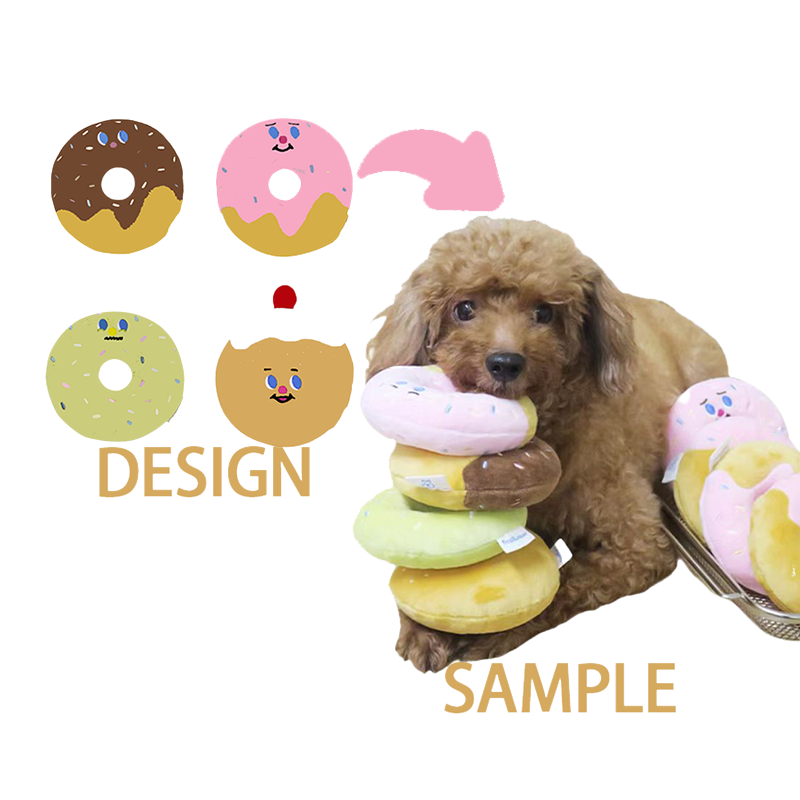
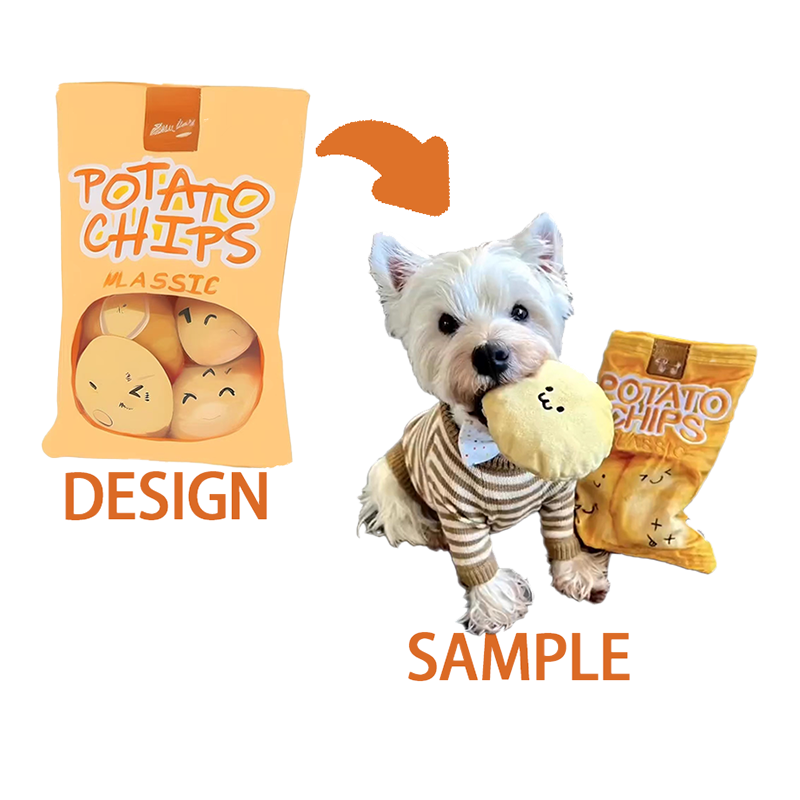
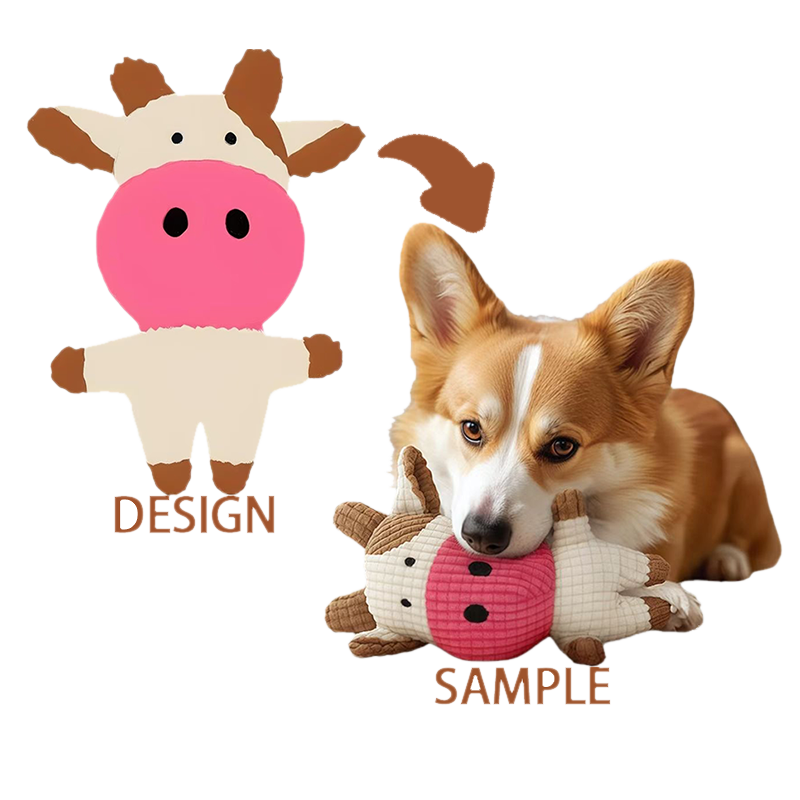
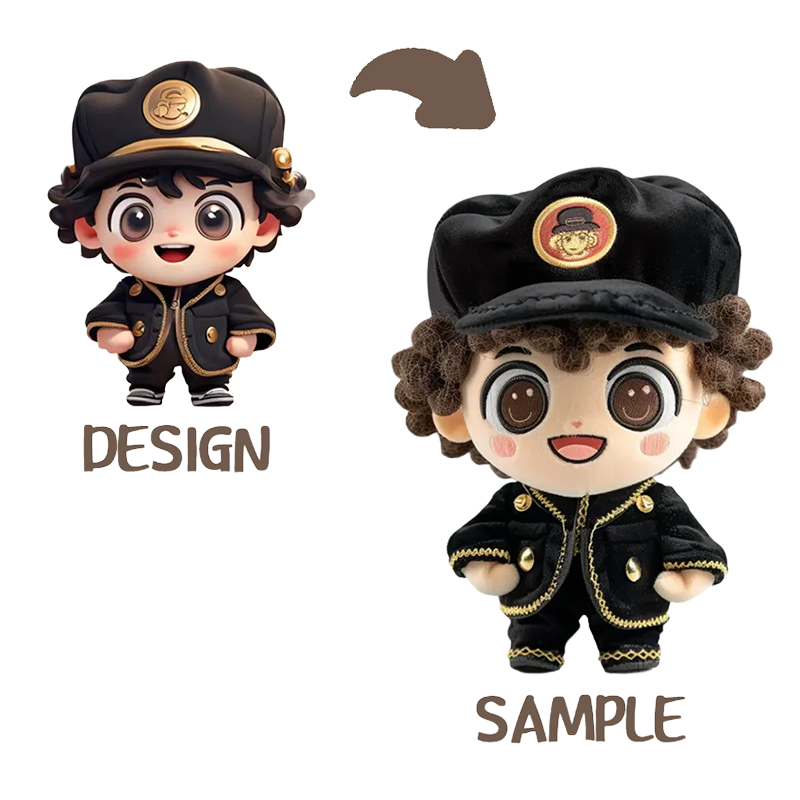
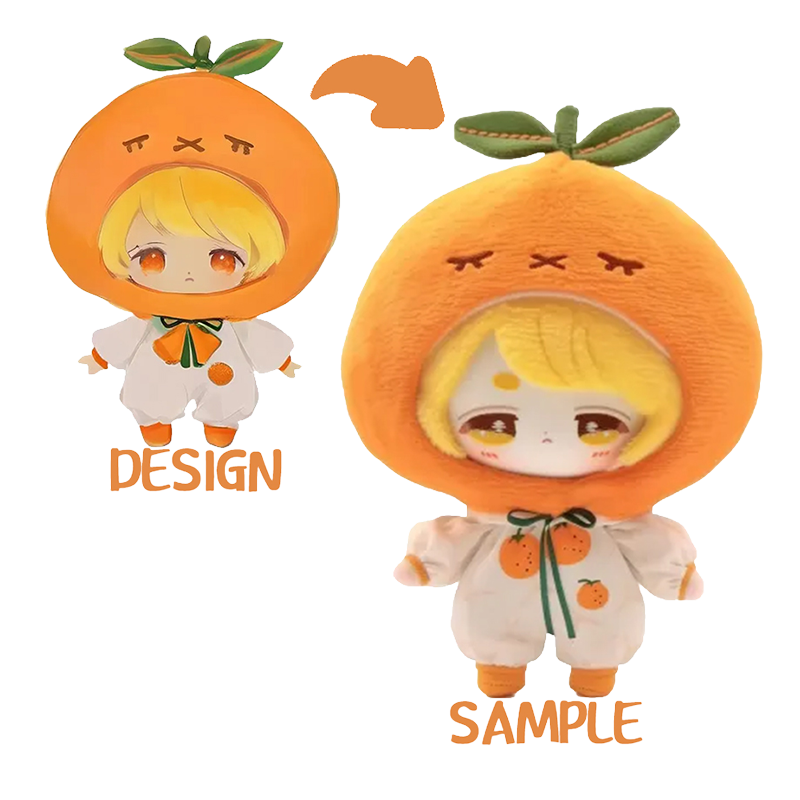
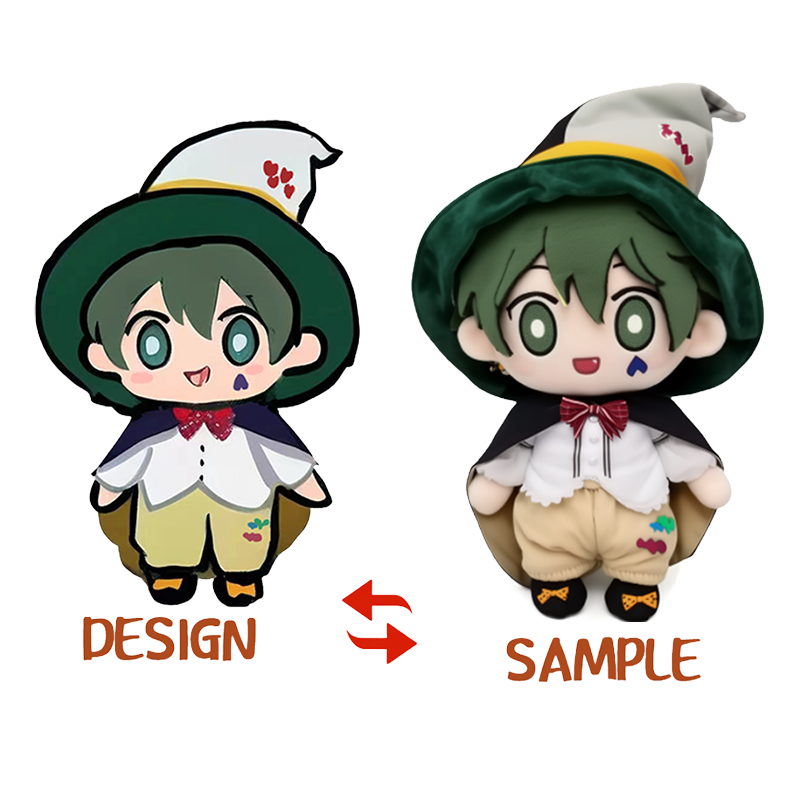
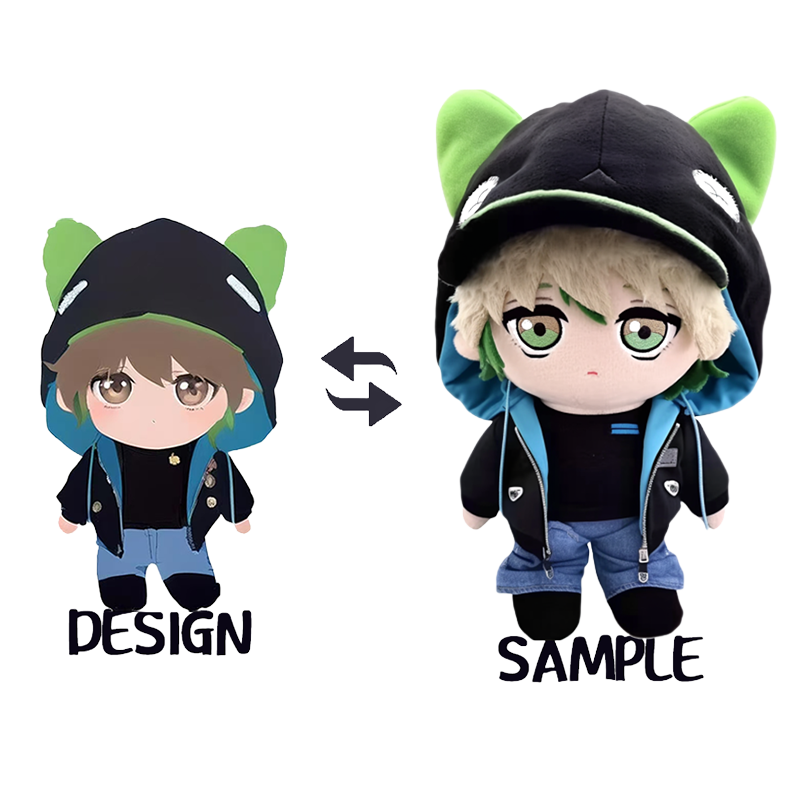
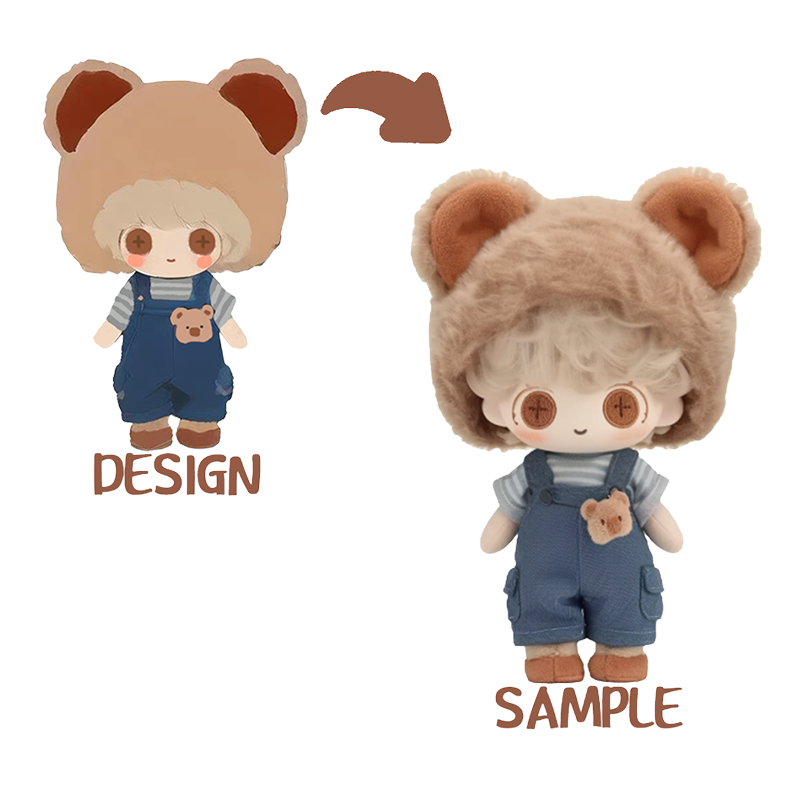
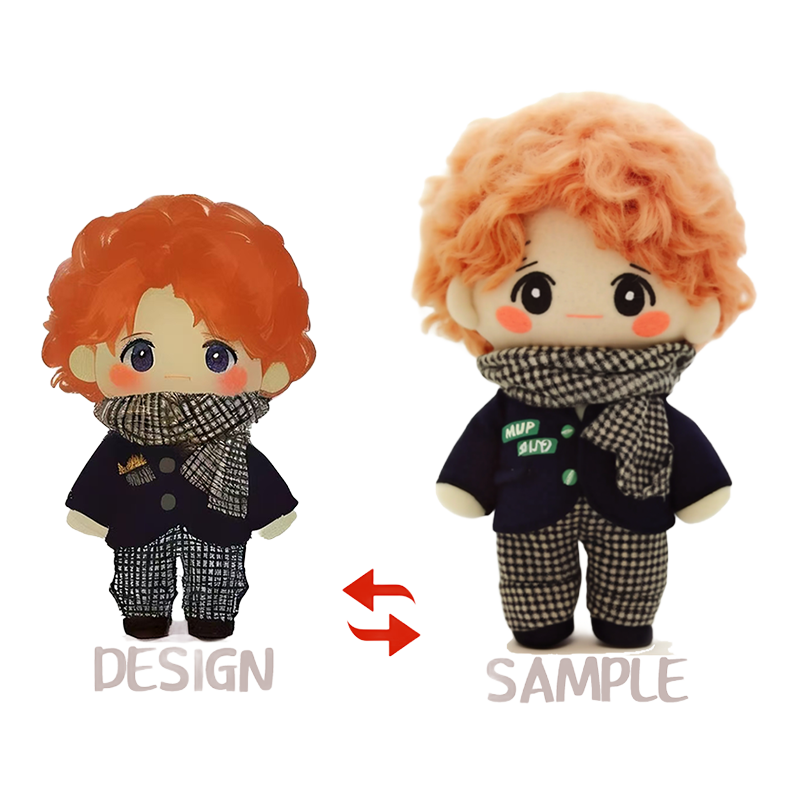
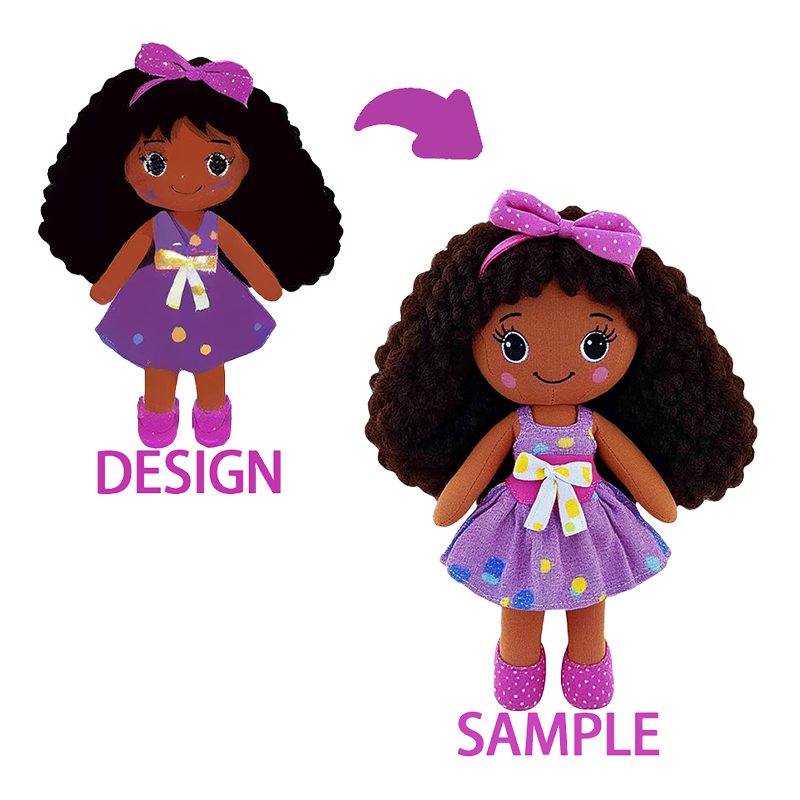
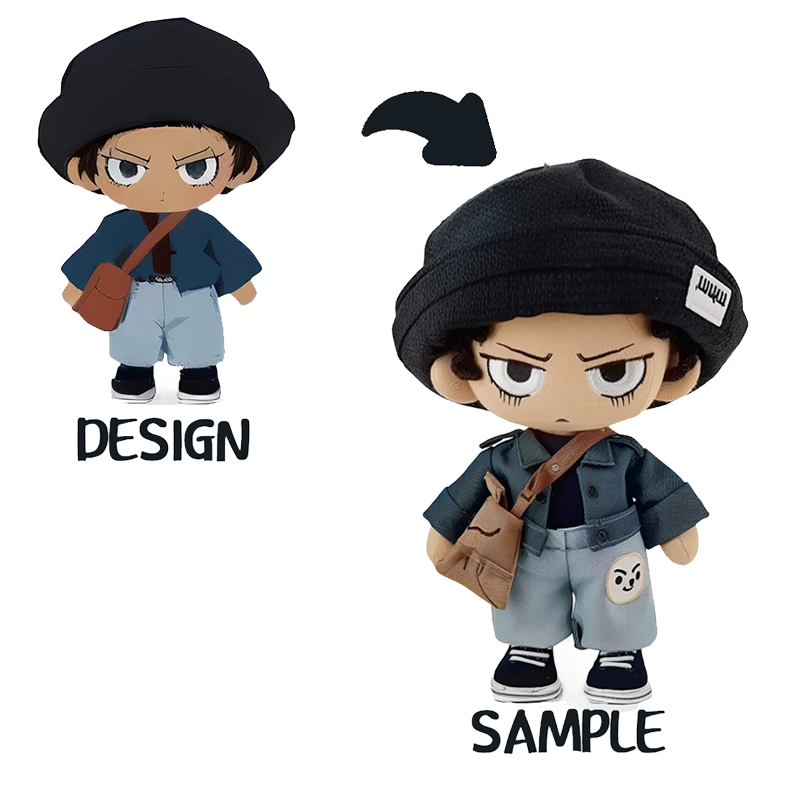
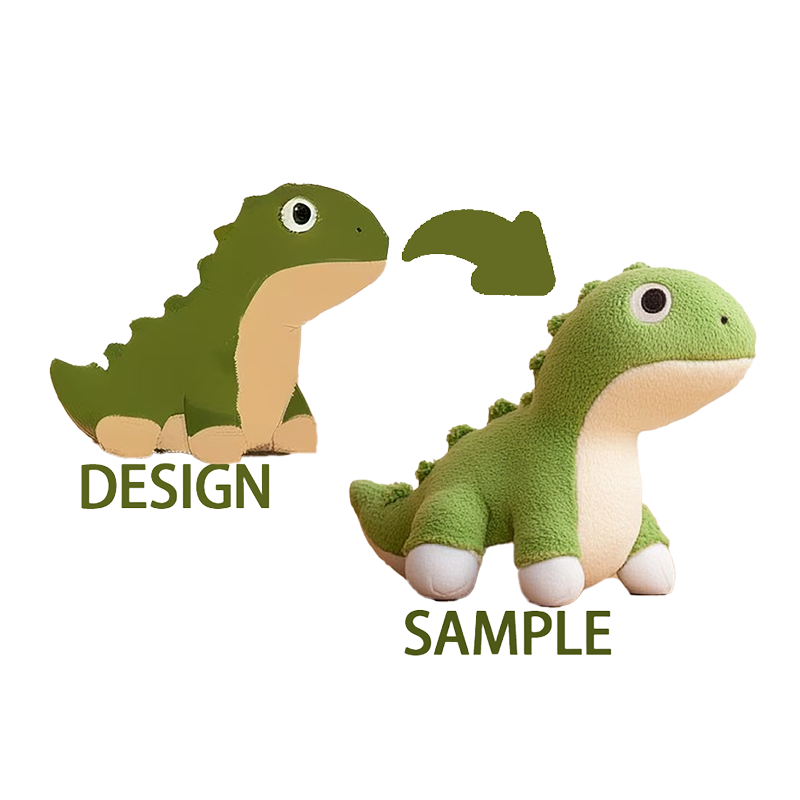
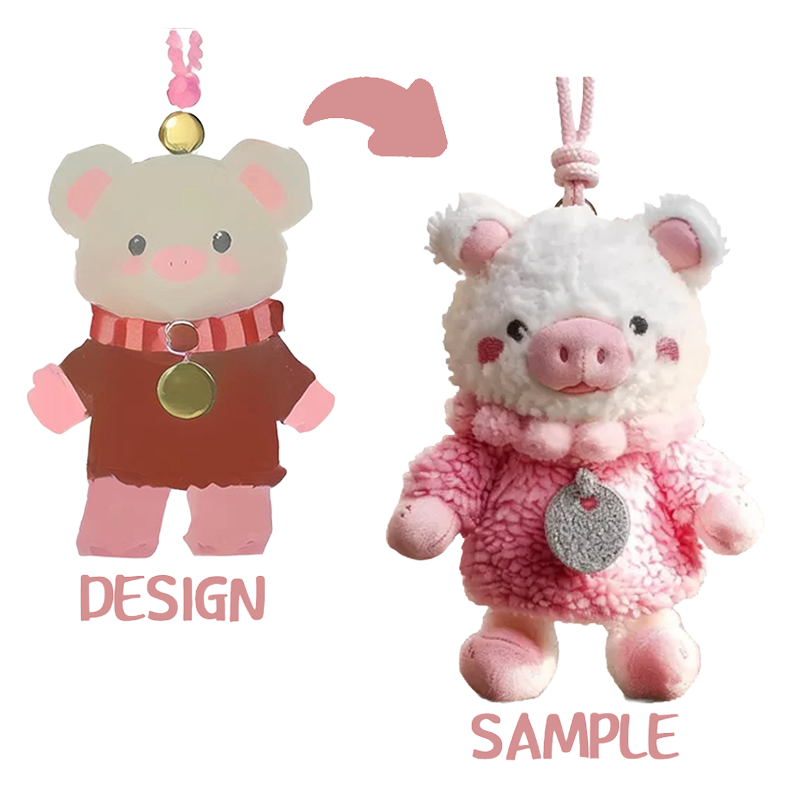
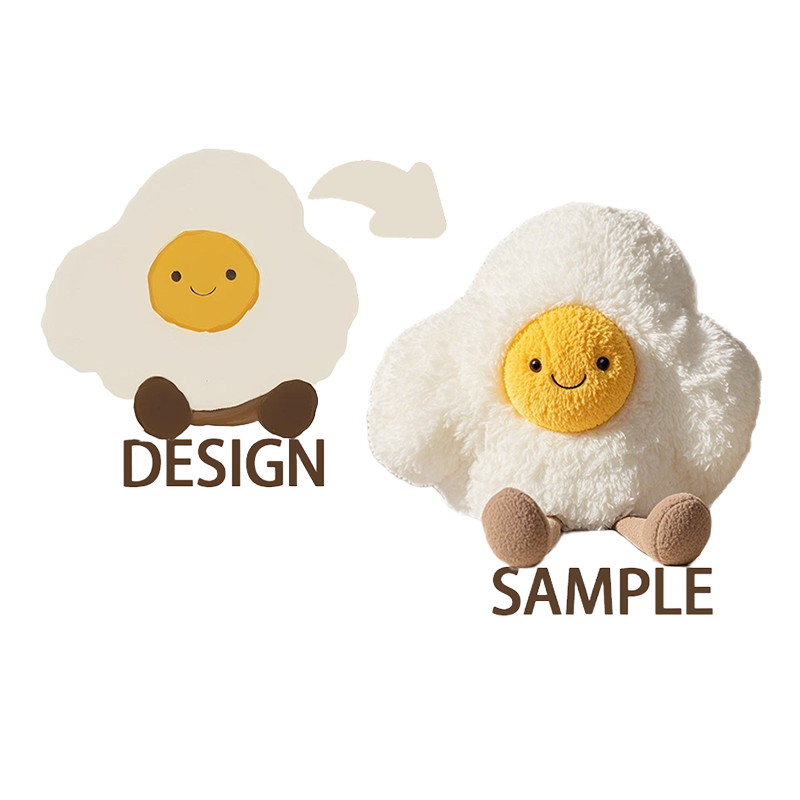
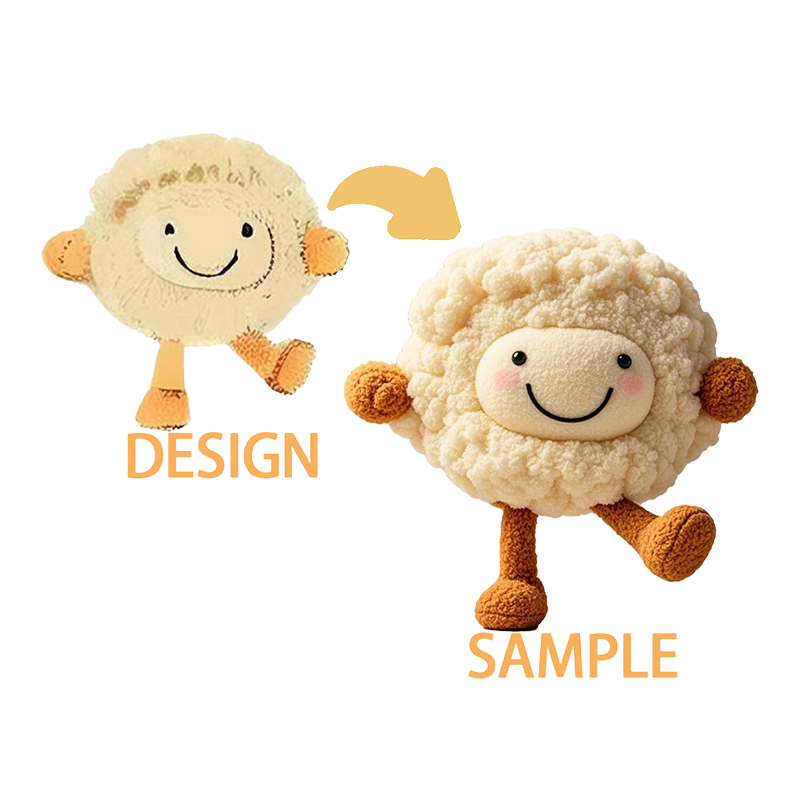
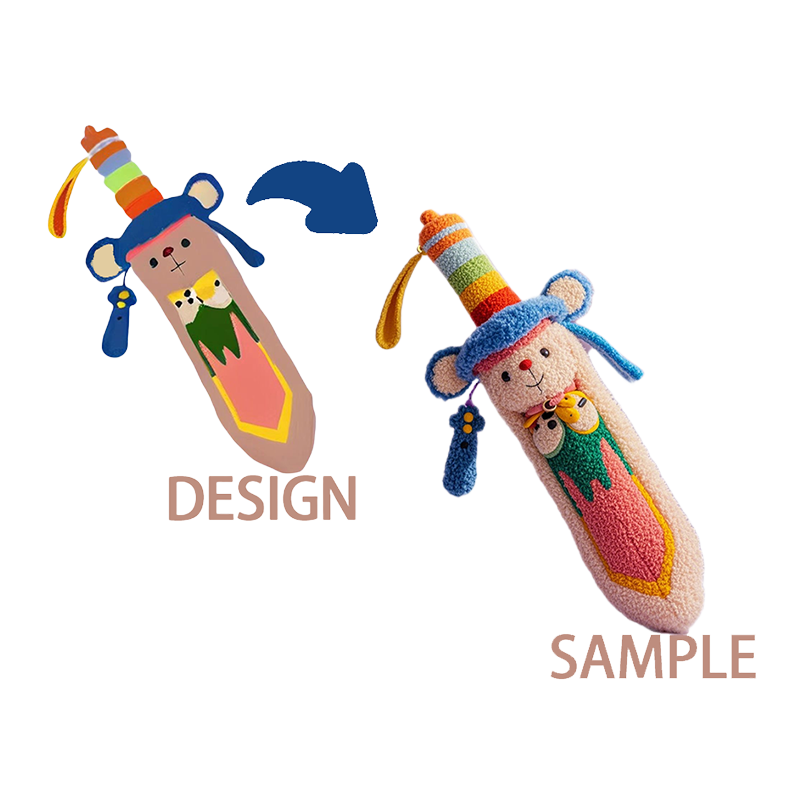
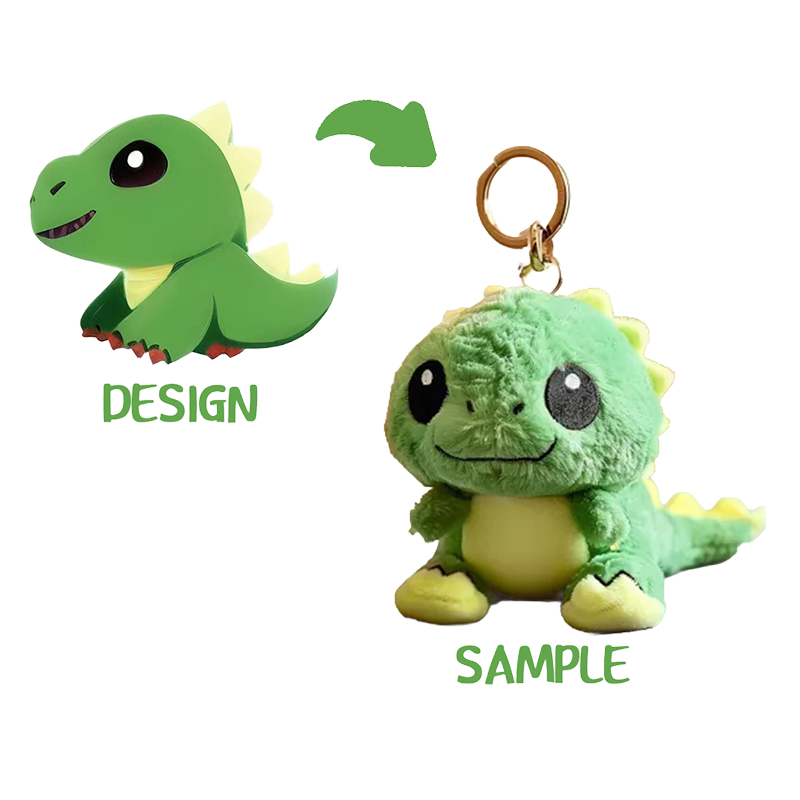
Every custom plush doll begins with a detailed design brief. Manufacturers require either a reference illustration, a 3D character sheet showing front, side, and back views, or a physical sample for duplication. Providing multi-angle artwork reduces revision cycles by up to 60% compared to single-view references, as pattern makers need to understand volume, proportion, and feature placement from all directions.
Key information required at the design stage includes target size (height in cm), color specifications (Pantone codes recommended), desired fabric texture, eye and nose type (safety eyes, embroidered, printed), and any functional requirements such as sound modules, zippers, or removable accessories.
Common Design Reference Formats Accepted by Manufacturers
- Multi-angle character illustration (front / side / back / detail close-ups)
- 3D model renders or turnaround sheets from digital artists
- Physical prototype or existing toy for size and proportion reference
- Flat vector artwork with Pantone color swatches and labeled parts
- Brand style guide with character specifications
Material Selection: Fabric, Filling, and Feature Components
The outer fabric determines the look, feel, and durability of finished plush dolls and stuffed dolls. The most widely used material is minky fabric — a short-pile polyester plush with a characteristic soft, velvety surface — available in pile heights from 1 mm to 15 mm. Longer pile fabrics (shaggy or fur-style) are used for animal characters and novelty items, while ultra-short pile or fleece is preferred for flat-sewn designs and baby-safe products.
| Fabric Type | Pile Height | Best For | Key Property |
|---|---|---|---|
| Minky / Short plush | 1 – 3 mm | Character dolls, baby toys | Ultra-soft, color-rich |
| Standard plush | 5 – 8 mm | General stuffed dolls | Versatile, widely available |
| Long pile / Shaggy | 10 – 15 mm | Animal characters, novelty | Fluffy, premium feel |
| Fleece | 0 – 1 mm | Flat designs, face details | Precise printing, anti-pill |
| Organic cotton plush | 2 – 5 mm | Infant / eco-conscious | GOTS certified, natural |
The most common filling material is PP cotton (polyester fiberfill), used in 85–90% of commercial plush dolls due to its consistent loft, washability, and low cost. Premium orders may specify recycled polyester fill (from PET bottles), memory foam inserts for weighted dolls, or organic cotton stuffing for certified natural products.
Pattern Making and Sample Development
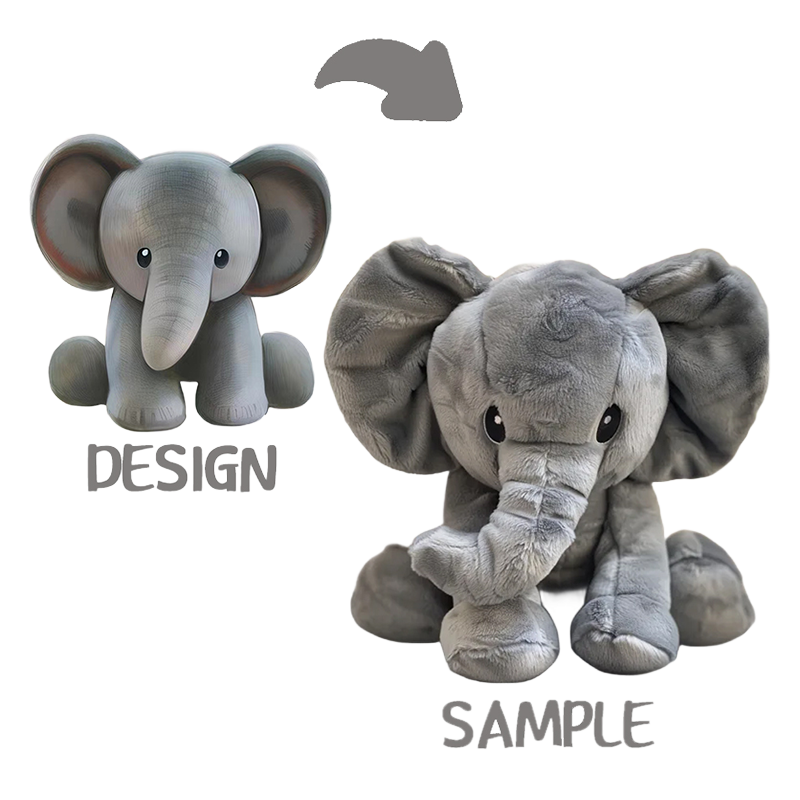
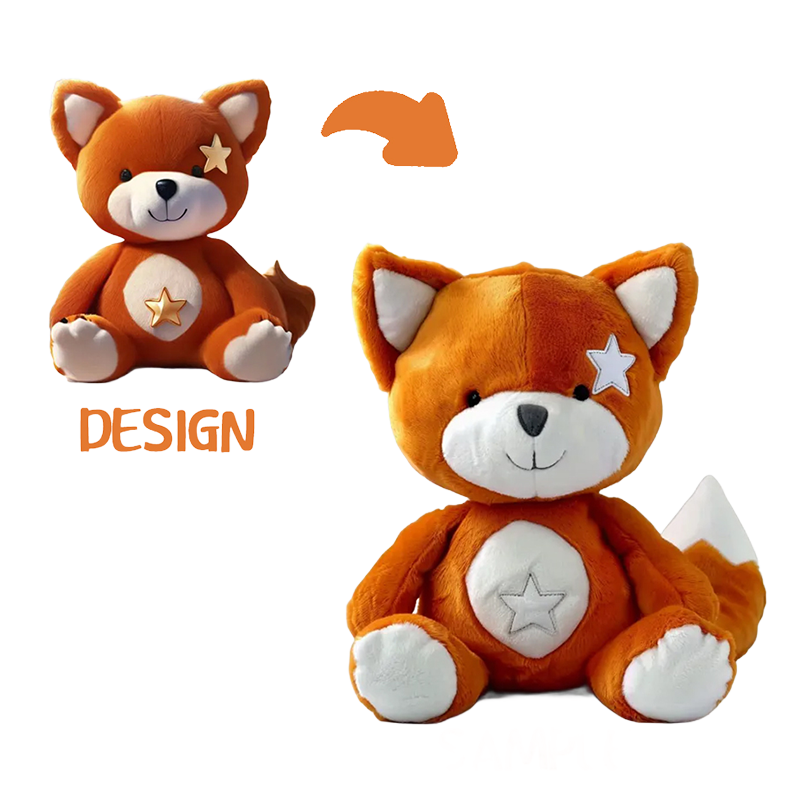
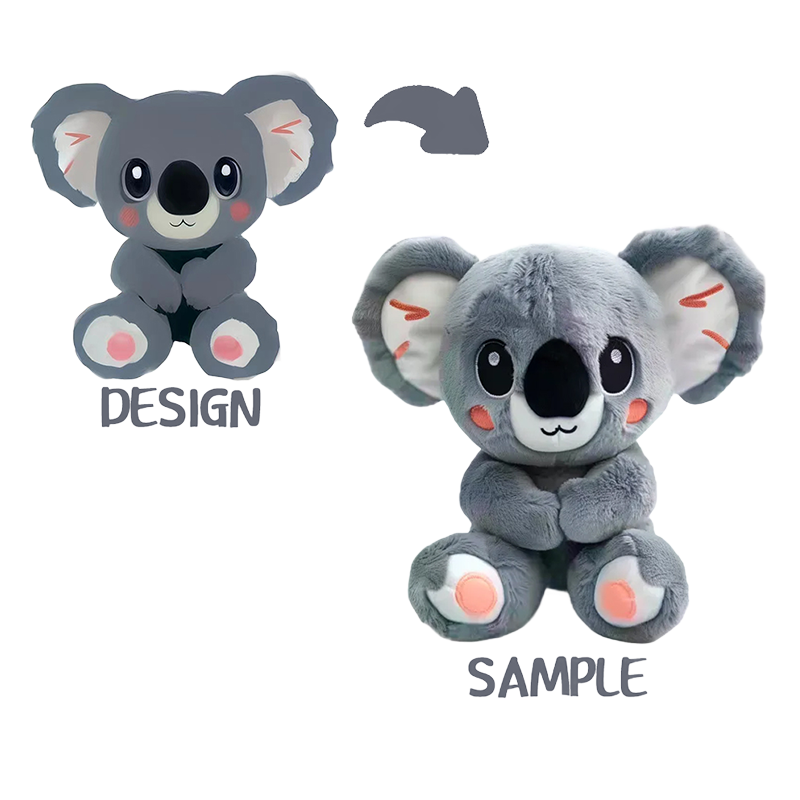
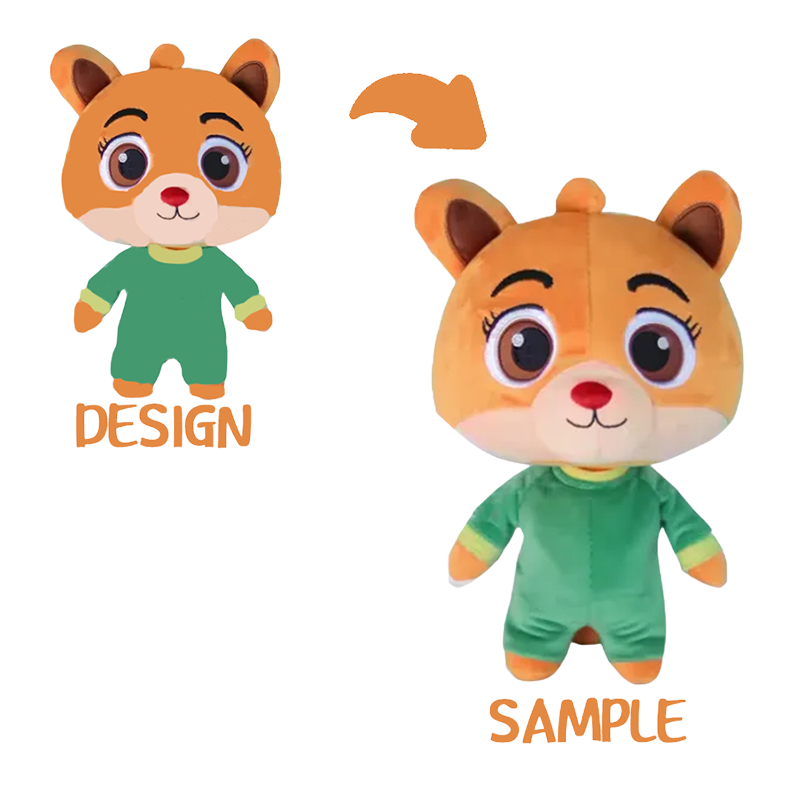
Pattern making is the most technically demanding stage of custom plush doll production. A skilled pattern maker translates the 2D artwork into a set of flat fabric panels that — when sewn together and stuffed — reproduce the intended 3D shape, proportion, and pose. This requires understanding how fabric stretches, how seam allowances affect finished dimensions, and how stuffing pressure alters surface geometry.
For a standard custom character doll of 30 cm height, a pattern set typically includes 12 to 25 individual panels for the body, head, limbs, ears, and decorative elements. More complex characters with sculptural features, horns, wings, or layered clothing may require 40 or more panels.
After patterns are finalized, a pre-production sample (PP sample) is sewn by hand in the factory. This sample is sent to the client for review, and revisions are incorporated before mass production begins. Most custom plush doll projects require 1 to 3 sample rounds before the design is approved.
Fabric Cutting and Component Preparation
Once the sample is approved, production begins with fabric cutting. In high-volume custom plush doll manufacturing, computer-controlled cutting systems (CNC cutters) are used to cut multiple fabric layers simultaneously, achieving cutting accuracy of ±0.5 mm and reducing material waste by up to 15% compared to manual cutting.
Pile direction is critical at this stage — all panels must be cut with the fabric pile running in the correct direction to ensure uniform light reflection and texture consistency across the finished doll. Misaligned pile direction is one of the most common quality defects in lower-tier plush doll production.
- Fabric panels are cut, bundled, and labeled by part type and color
- Embroidery elements (faces, logos, text) are stitched onto relevant panels before assembly
- Heat-transfer or sublimation prints are applied to fleece or short-pile panels at this stage
- Accessory components (safety eyes, noses, buttons, zippers) are sorted and pre-staged
Sewing, Stuffing, and Assembly
Assembly of custom plush dolls follows a sequential sewing process. Sub-components — limbs, ears, tails, and facial features — are sewn and turned right-side-out first, then attached to the main body panels before final closure. Sewing is performed on industrial machines using polyester thread with a stitch density of 8 to 12 stitches per centimeter for seam strength.
After sewing, each doll body is left with a small opening through which PP cotton stuffing is inserted. The amount and distribution of fill directly determines the finished shape — experienced stuffers adjust fill density by zone to create the intended silhouette. A typical 25 cm stuffed doll uses 80 to 150 grams of PP cotton fill depending on firmness requirements.
Safety eyes and plastic nose components are inserted through the fabric and locked from the inside using washer fasteners before stuffing, ensuring they cannot be removed with ordinary pulling force — a requirement for toys intended for children under 3 years, where pull-out strength standards (such as EN 71-1 requiring a minimum 90 N pull force) apply.
Production Timeline by Order Volume
Lead times for custom plush dolls vary significantly depending on order quantity, design complexity, and whether sample rounds are required. The chart below shows typical total production timelines from design approval to shipment-ready goods.
Quality Inspection and Safety Compliance
Custom plush dolls and stuffed dolls sold in regulated markets must comply with toy safety standards. The key standards applicable to most major markets are:
- EN 71 (Europe) — mechanical and physical safety, flammability, and chemical limits
- ASTM F963 (USA) — toy safety standard covering stuffed and plush toys
- REACH regulation (EU) — restricts hazardous chemical substances in fabric and dyes
- CA Prop 65 (California) — limits heavy metals and other substances in consumer products
Factory-level quality inspection for custom plush dolls typically involves in-line checks during sewing, a first article inspection (FAI) when production begins, and a final random inspection (AQL 2.5 standard) before shipment. Third-party inspection by accredited labs (such as SGS or Intertek) is available and recommended for first-time production runs.
Distribution of common quality defect types identified during plush doll final inspection
Finishing, Packaging, and Branding Options
After passing quality inspection, custom plush dolls and stuffed dolls undergo finishing operations that significantly affect the final presentation. These include:
- Brushing and grooming — pile is brushed with a stiff brush or grooming machine to restore loft flattened during production
- Hang tags and swing tickets — printed with brand name, age suitability, care instructions, and compliance marks
- Sewn-in labels — fabric labels inside the seam showing brand, country of origin, material content, and CE or ASTM marks
- Retail packaging — poly bags, window boxes, gift boxes, or custom-printed cartons depending on retail channel requirements
- Accessories — custom clothing, accessories, or themed packaging elements added at this stage
About Kusibei Plush Toy Manufacturer
Kusibei Plush Toy Manufacturer specializes in the design and production of plush toys, offering customers unique customization services. Our production lines cover all aspects of plush toy manufacturing — utilizing advanced production technologies, excellent assembly line management strategies, and comprehensive quality assurance policies to provide top-tier customization services globally. The recognition from our partners is a major driving force for our long-term development.
Our clients are concentrated in more than ten countries, including the USA, the UK, and Canada. Our superior product quality is a key factor in helping clients capture market share. By partnering with us, our exceptional customization services will transform your unique ideas into reality — ensuring your plush dolls and stuffed dolls gain the market recognition they deserve.
Frequently Asked Questions
We specialize in the design and production of plush toys to provide customers with unique customized services