 English
 中文简体
中文简体Are Custom Plush Dolls Safe for Kids?
2026-03-26
Yes, custom plush dolls are safe for kids when manufactured with child-safe materials, compliant construction, and age-appropriate design. The key is ensuring that any custom plush doll, whether created from a child's drawing or original artwork, meets established toy safety standards covering fabric, stuffing, dyes, and hardware. When these standards are met, custom plush dolls offer a soft, comforting, and personally meaningful toy experience that mass-produced alternatives simply cannot match.
Content
- 1 What Makes a Plush Doll Safe for Children?
- 2 Key Safety Standards Custom Plush Dolls Should Meet
- 3 Are Custom Plush Dolls From Drawing or Artwork Safe?
- 4 Age-Specific Safety Considerations for Custom Plush Dolls
- 5 How to Verify a Manufacturer's Safety Credentials
- 6 What to Look for on the Label and Packaging
- 7 Maintenance and Care to Keep Custom Plush Dolls Safe Over Time
- 8 Frequently Asked Questions
What Makes a Plush Doll Safe for Children?
Safety in plush toys is determined by a combination of material choices, construction quality, and design decisions. Each of these layers matters independently, and all must work together for a doll to be genuinely safe across the age groups it is intended for.
Safe Fabric and Filling Materials
The outer fabric of a custom plush doll should be made from hypoallergenic, non-toxic plush or fleece that does not shed fibers under normal use. Interior filling should consist of polyester fiberfill that meets ASTM F963 or EN 71 stuffing requirements, meaning it is free from harmful chemicals and compresses and recovers without clumping into hard masses that could create pressure points.
Non-Toxic Dyes and Colorfastness
Children frequently mouth their favorite toys. All dyes and pigments used in custom plush dolls intended for children under 3 should pass saliva and perspiration fastness tests to confirm they do not transfer color to skin or oral surfaces. Azo dye-free certification is a reliable standard to look for when evaluating a manufacturer's claims.
Secure Embellishments and Attachment Points
Eyes, noses, buttons, and decorative elements are the most common safety concern on plush toys. For children under 3, all facial features should be embroidered directly onto the fabric rather than attached as plastic or metal components. For older children, any attached element must withstand a tensile pull force of at least 90 Newtons without detaching, per ASTM F963-17 requirements.
Key Safety Standards Custom Plush Dolls Should Meet
Different markets have different regulatory requirements for children's plush toys. Understanding which standards apply to your region helps you verify that custom plush dolls from any manufacturer are genuinely compliant rather than simply claimed to be safe.
| Standard | Region | Key Requirements Covered | Applies From Age |
|---|---|---|---|
| ASTM F963 | USA | Flammability, stuffing, small parts, tensile strength | 0 - 14 years |
| EN 71 (Parts 1-3) | Europe | Mechanical safety, flammability, chemical migration | 0 - 14 years |
| GB 6675 | China | Physical, mechanical, and chemical safety | 0 - 14 years |
| AS/NZS 8124 | Australia / NZ | Aligned with EN 71, includes flammability testing | 0 - 14 years |
Always request a third-party test report from the manufacturer when ordering custom plush dolls for children under 3, as this age group is subject to the most stringent safety requirements across all major standards.
Are Custom Plush Dolls From Drawing or Artwork Safe?
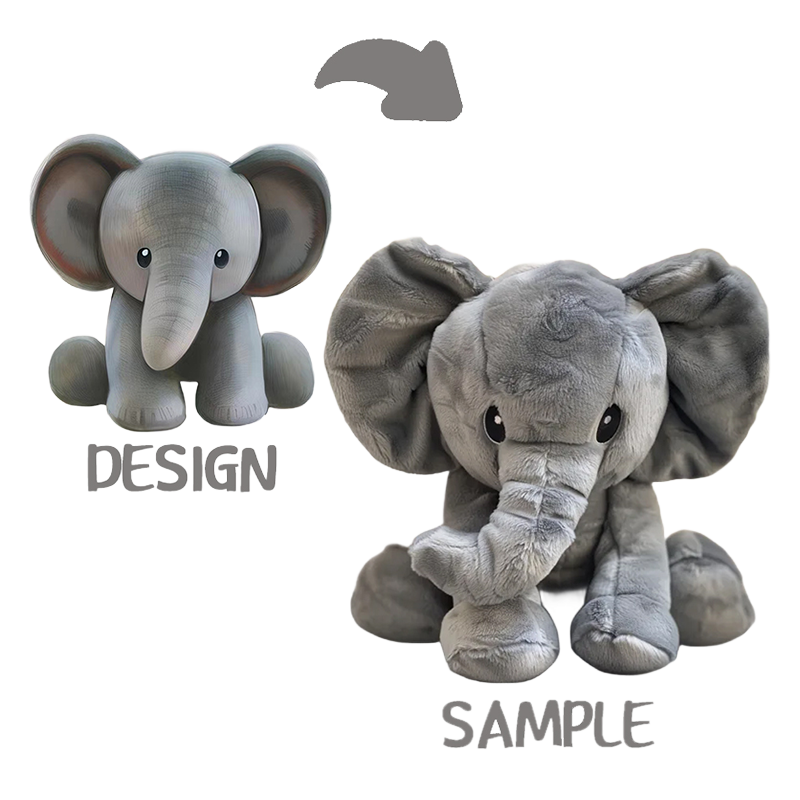
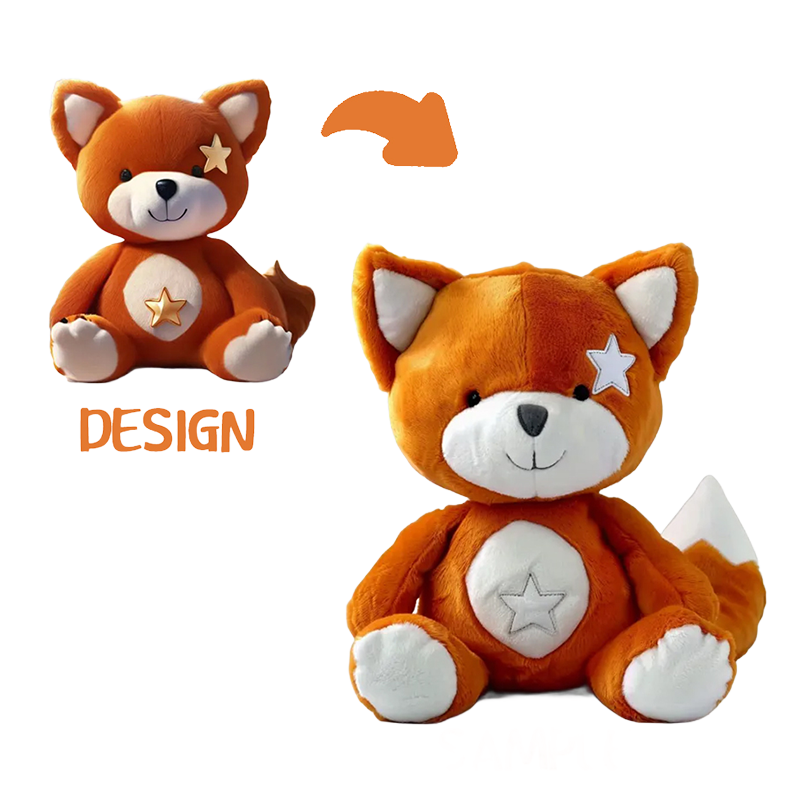
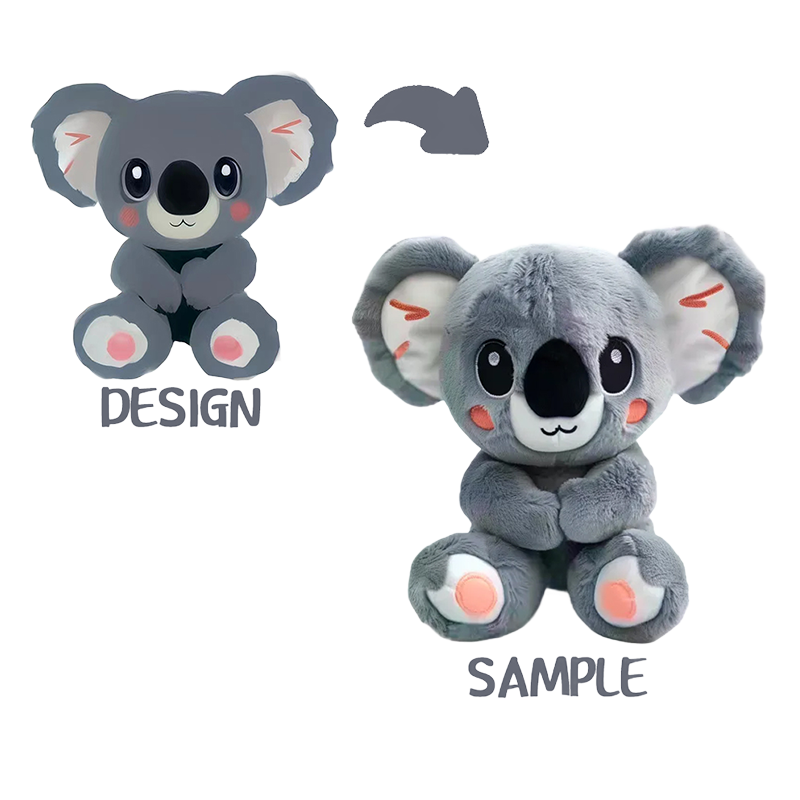
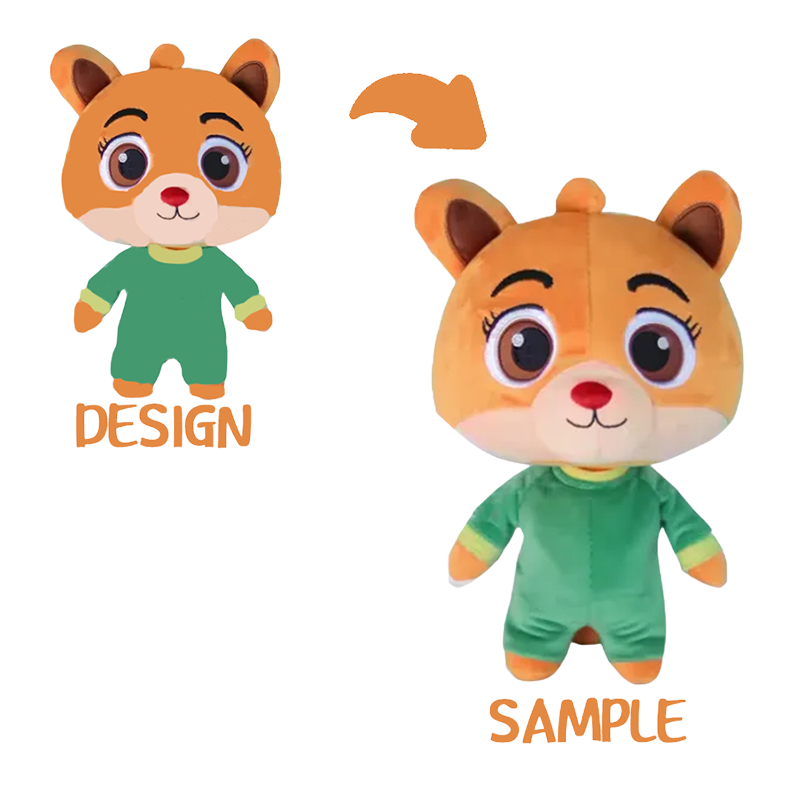
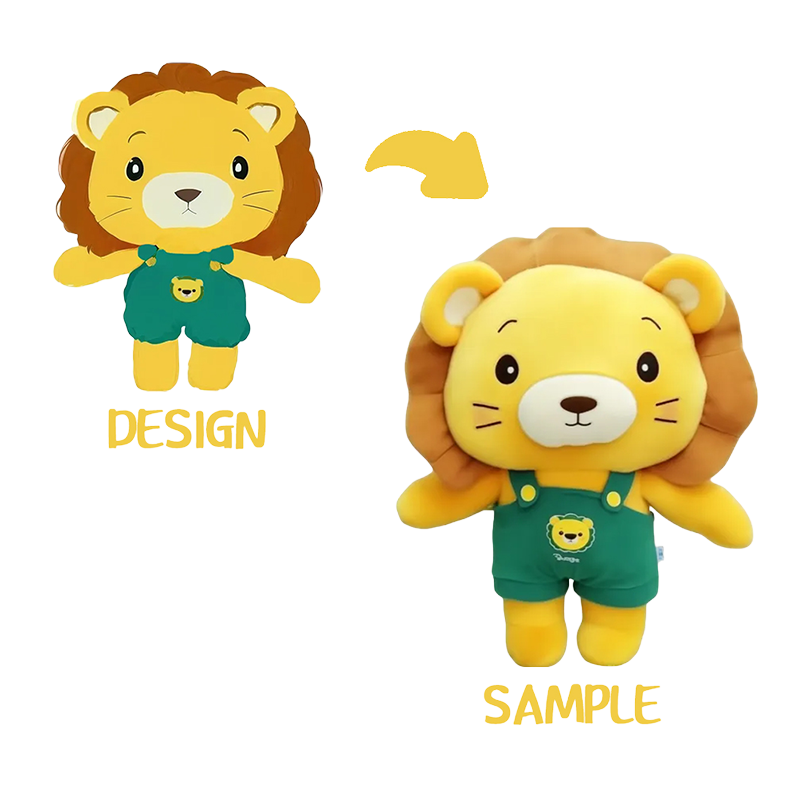
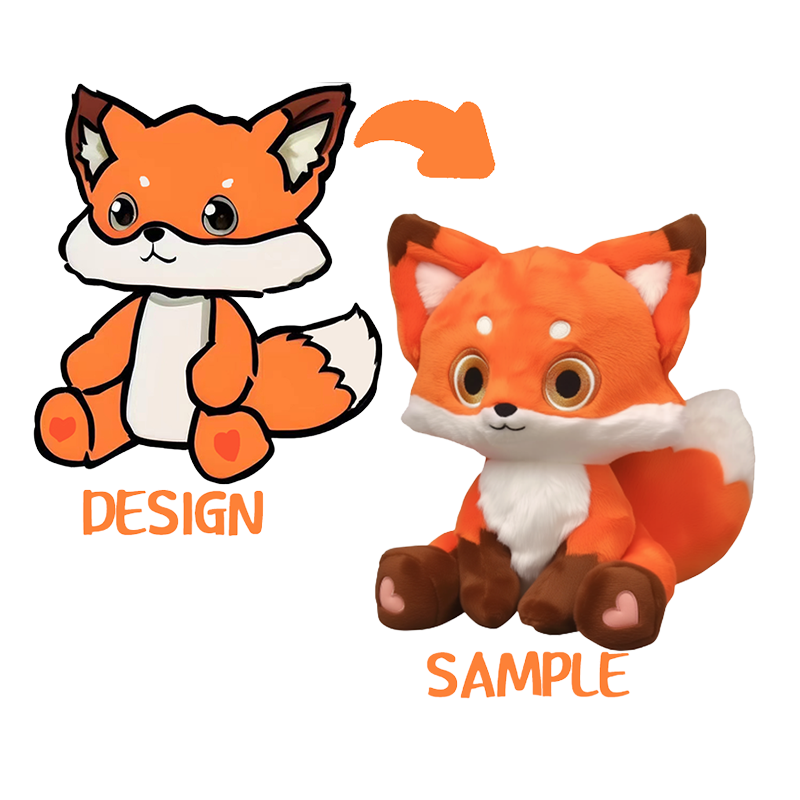
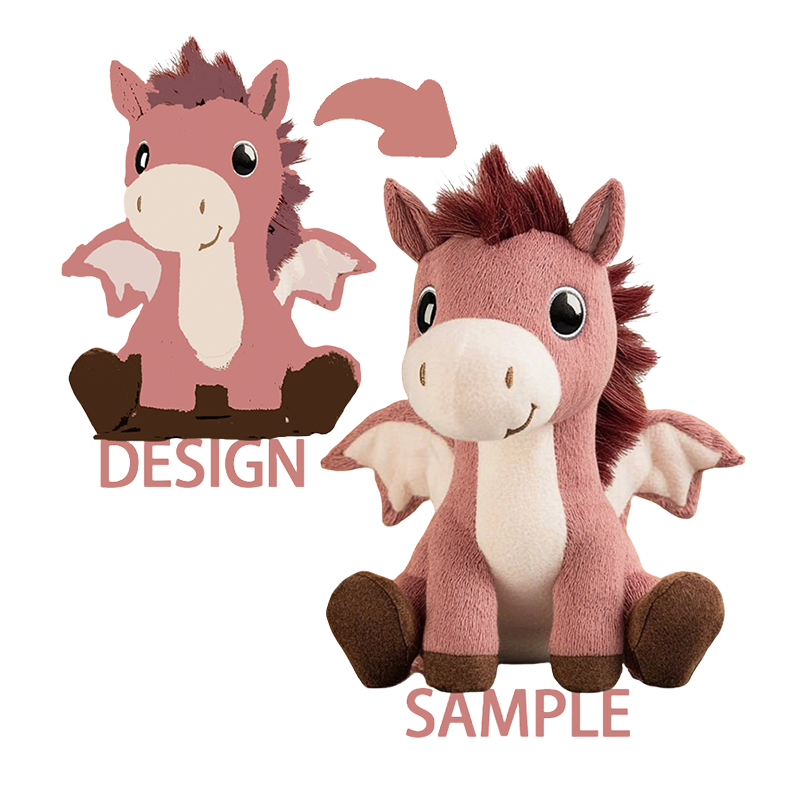
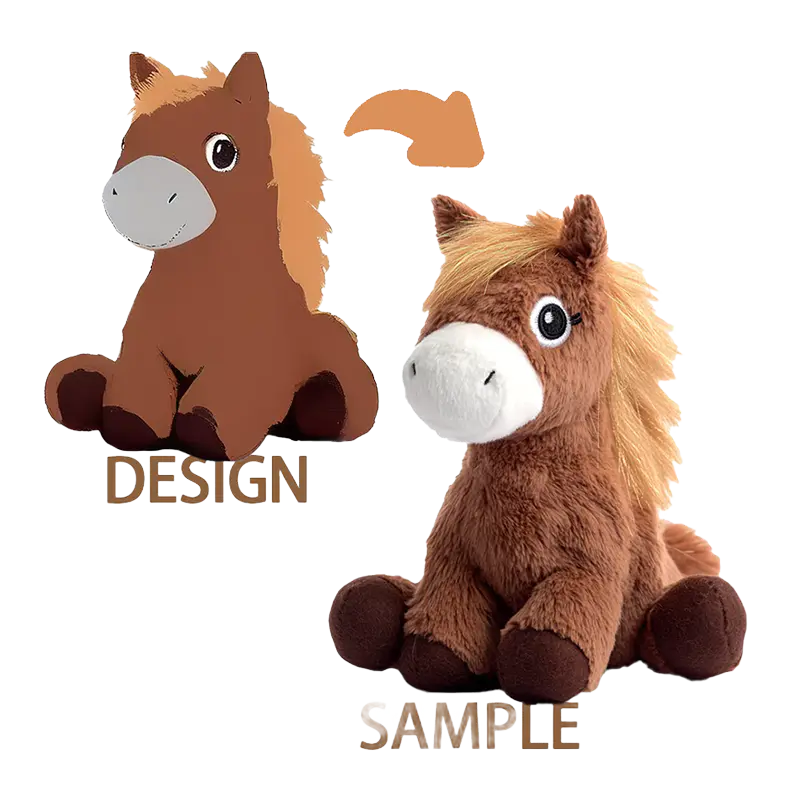
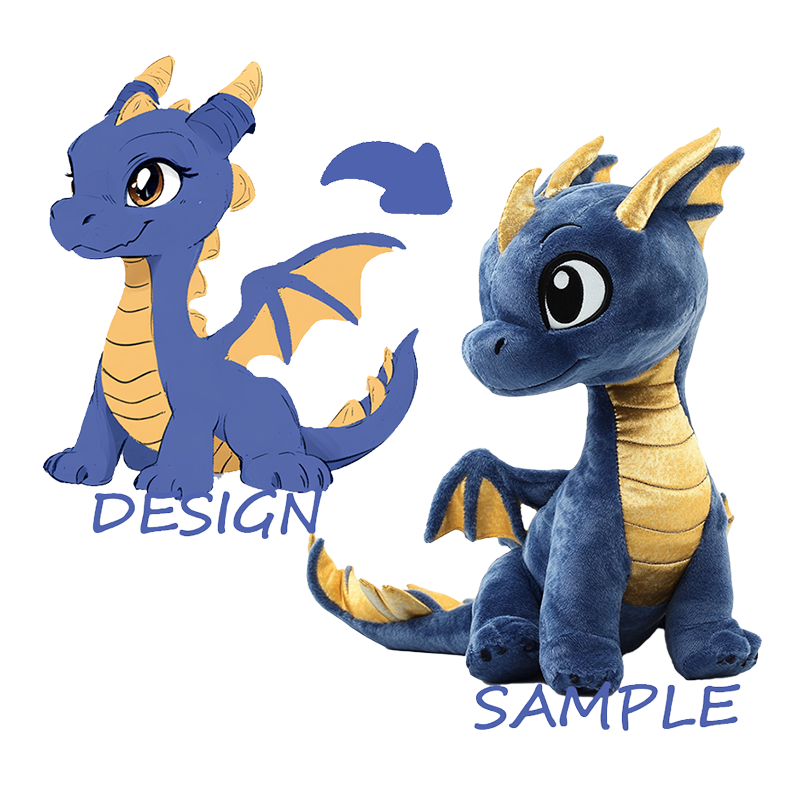
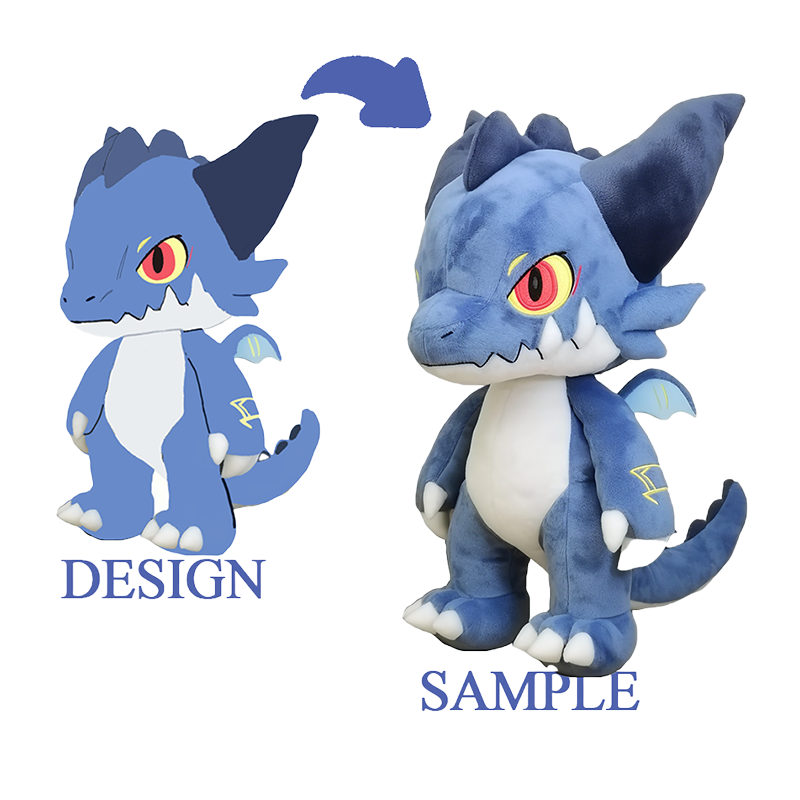
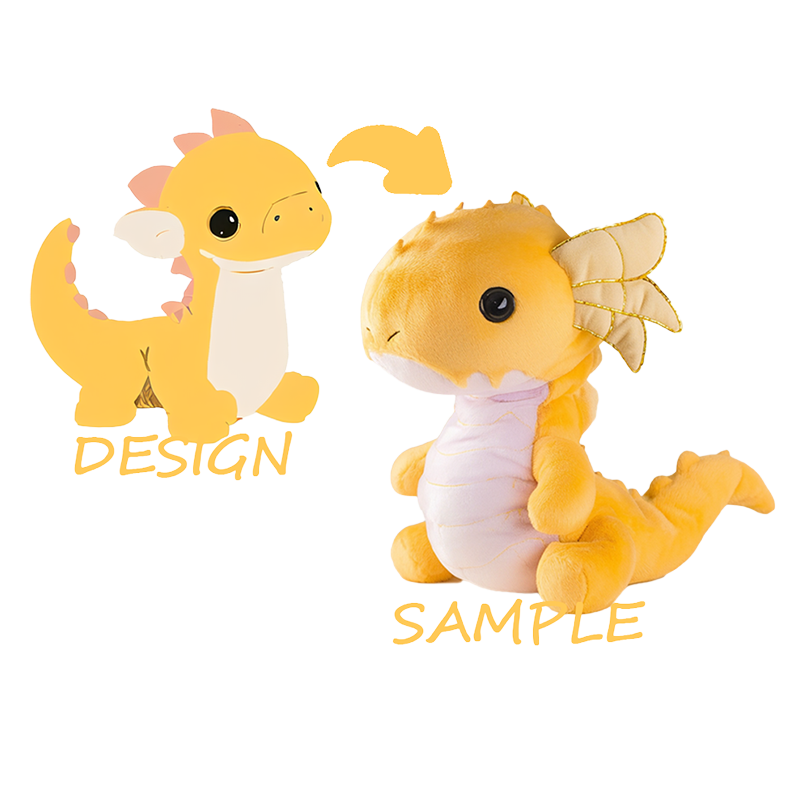
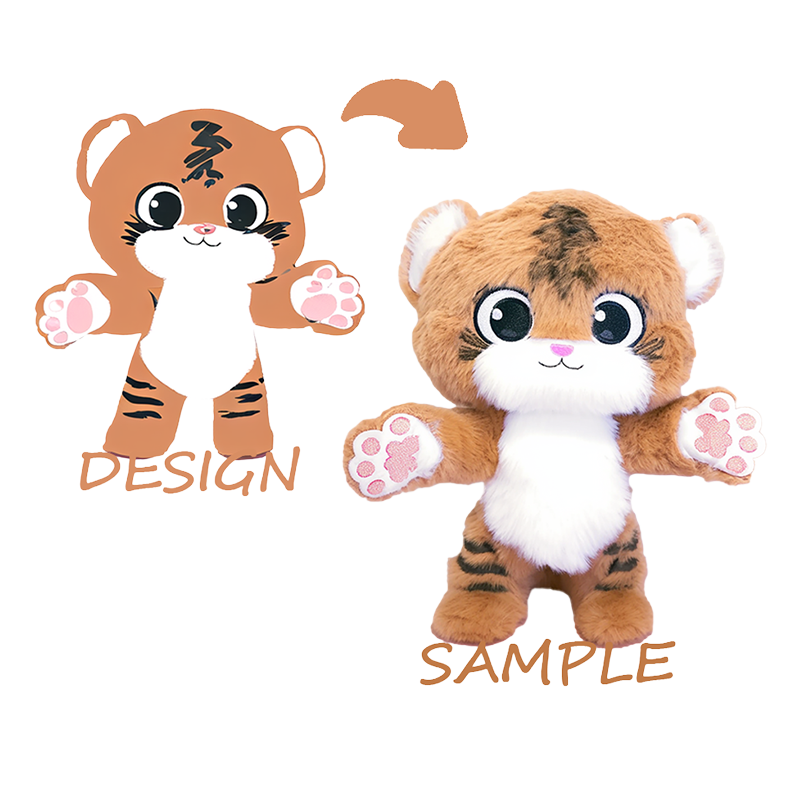
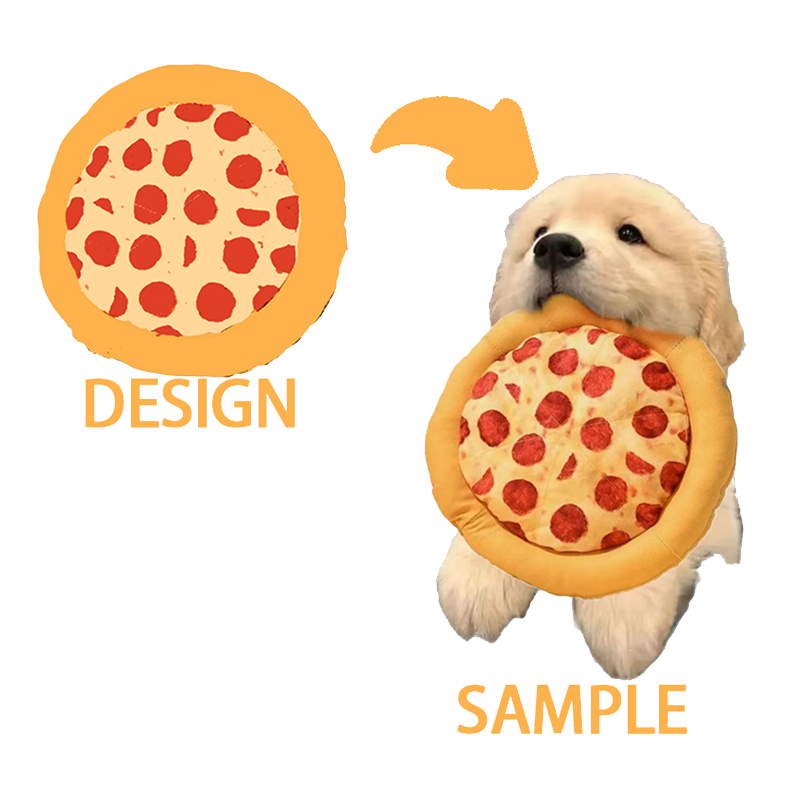
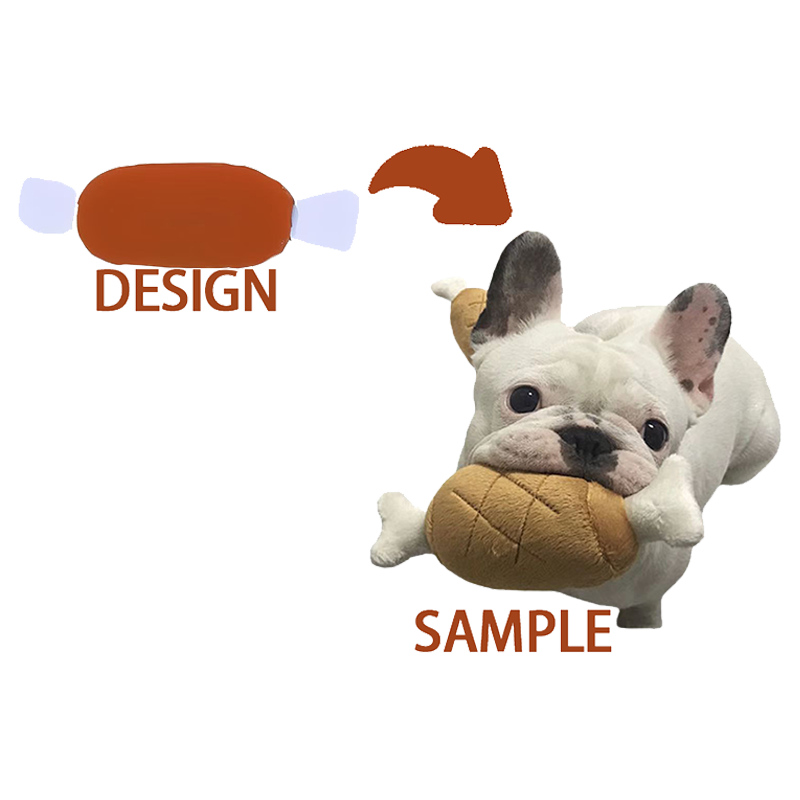
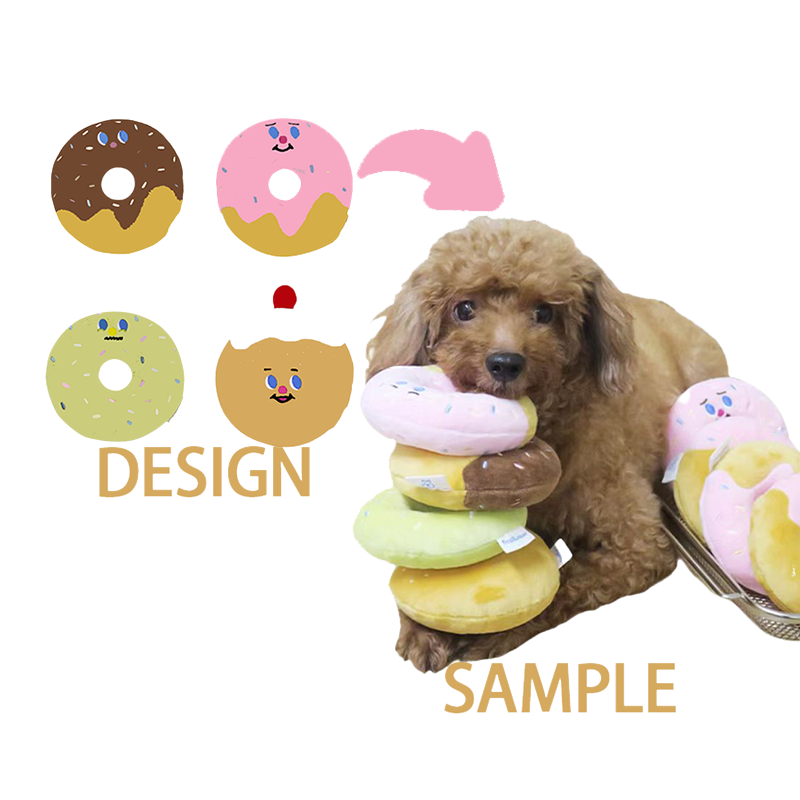
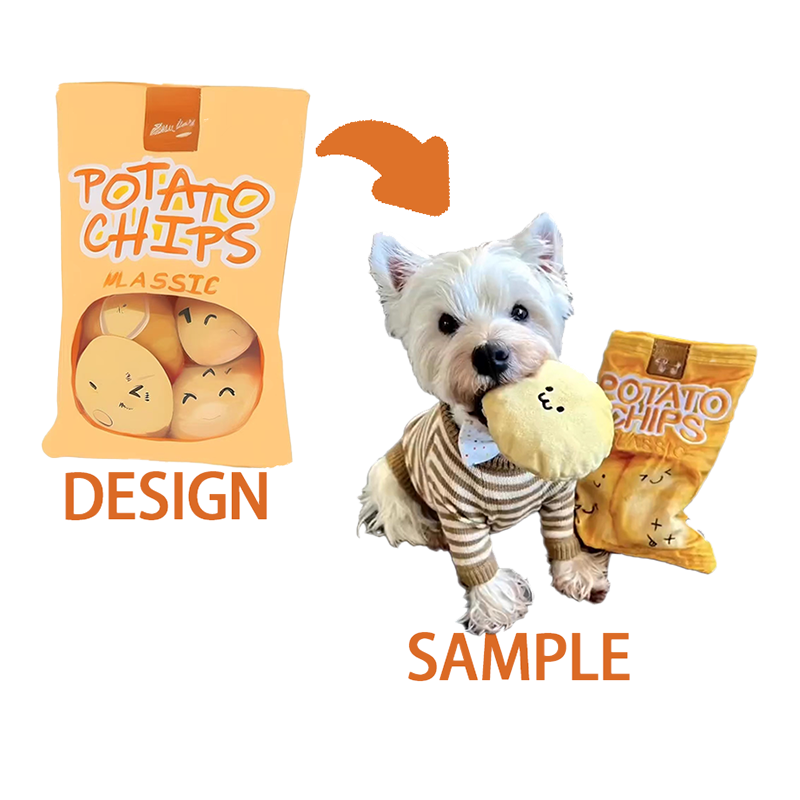
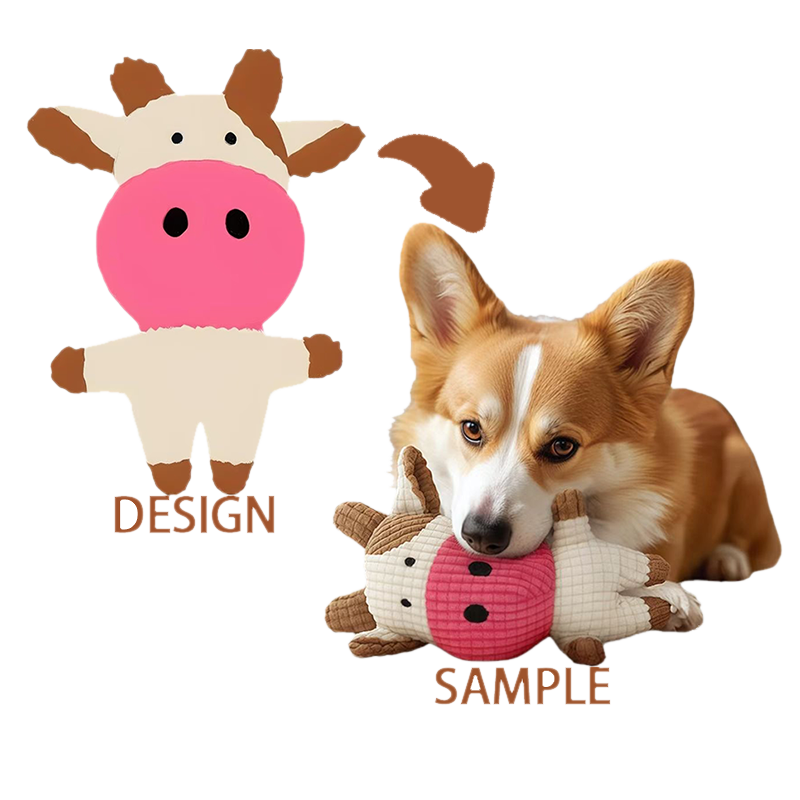
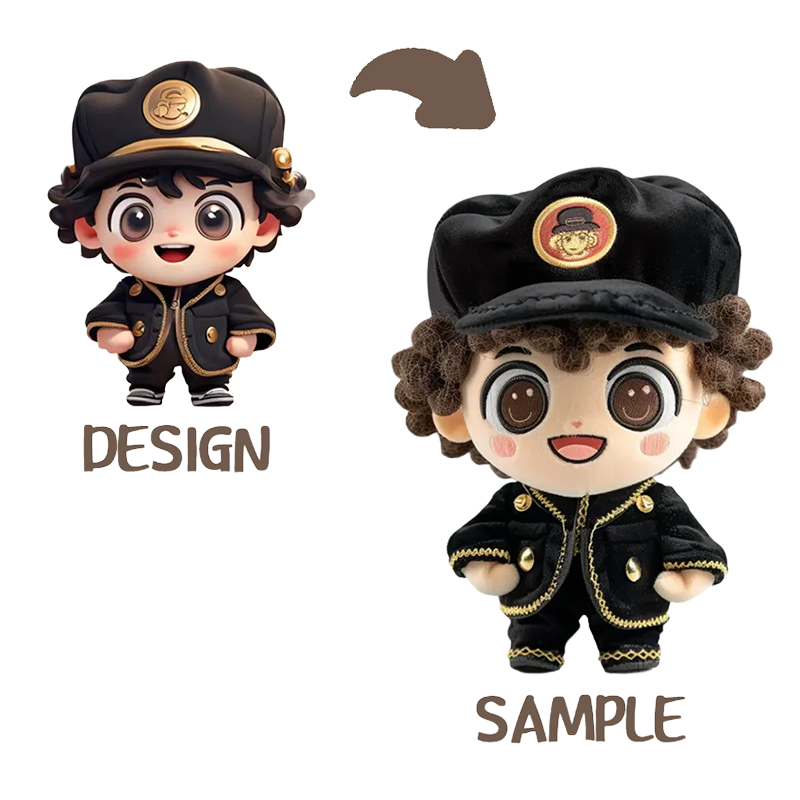
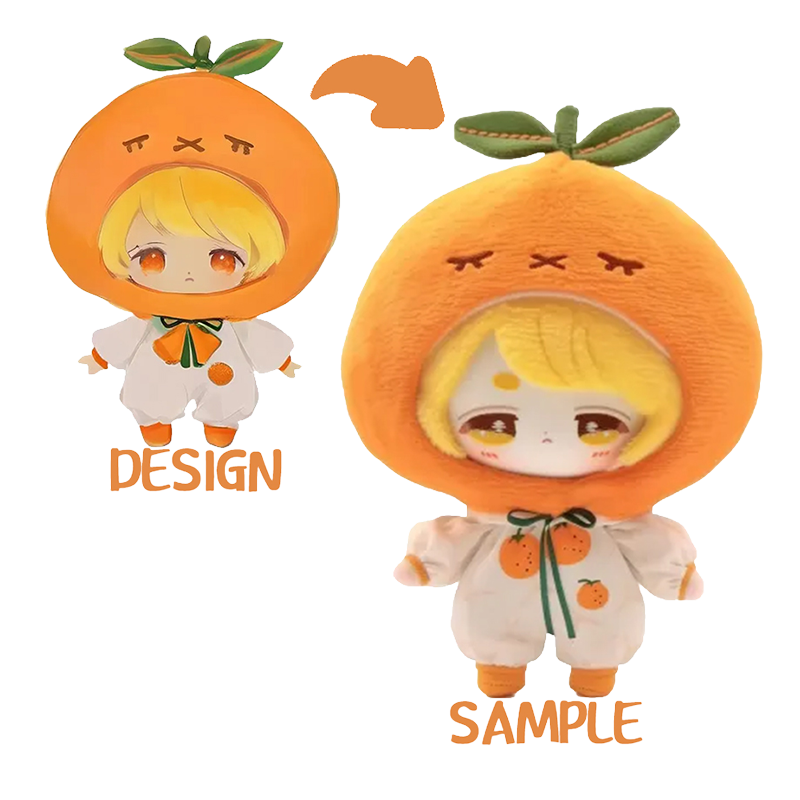
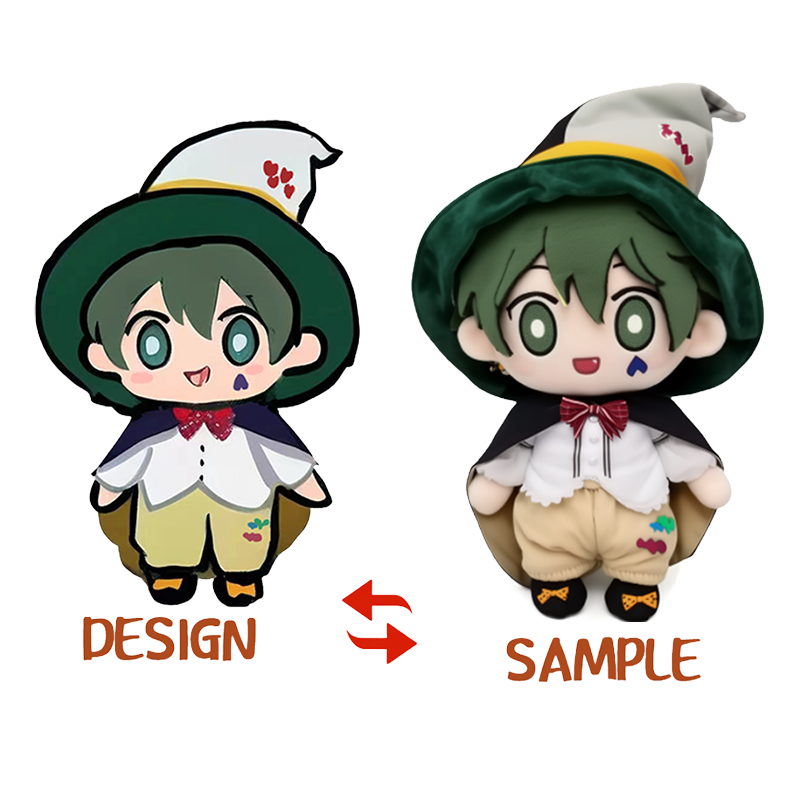
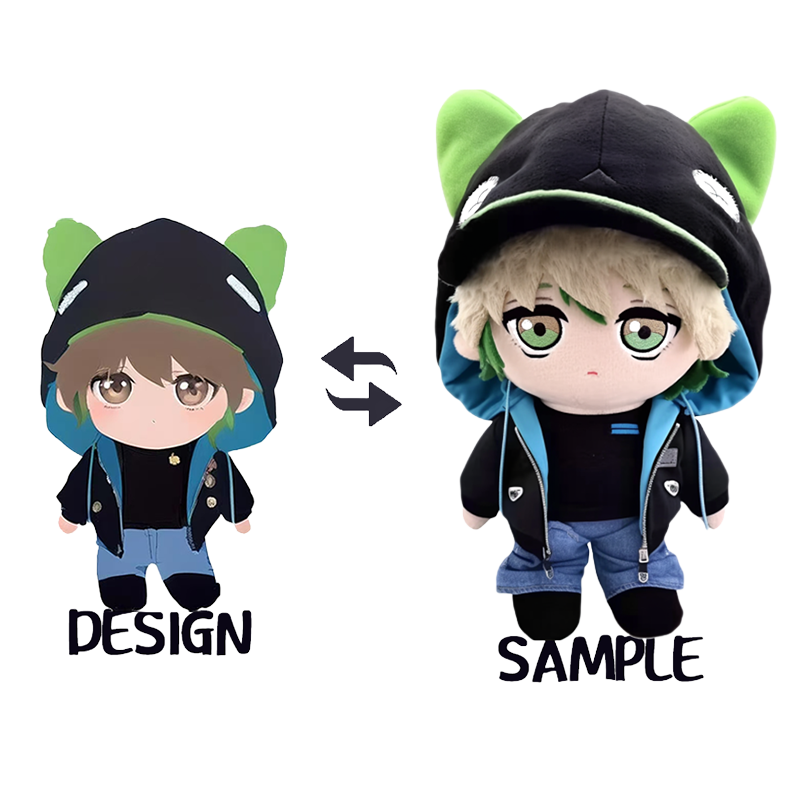
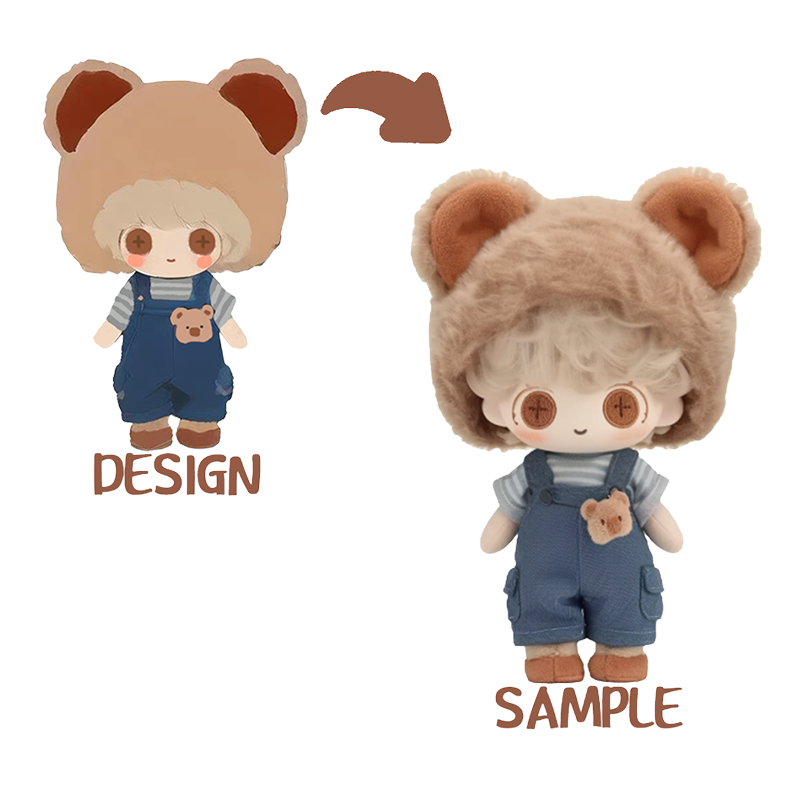
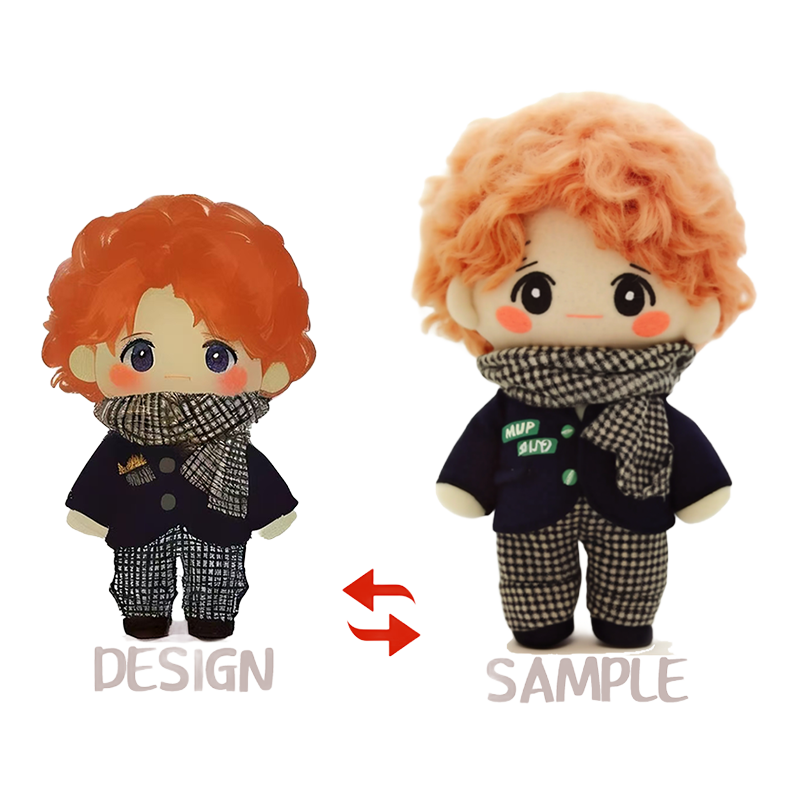
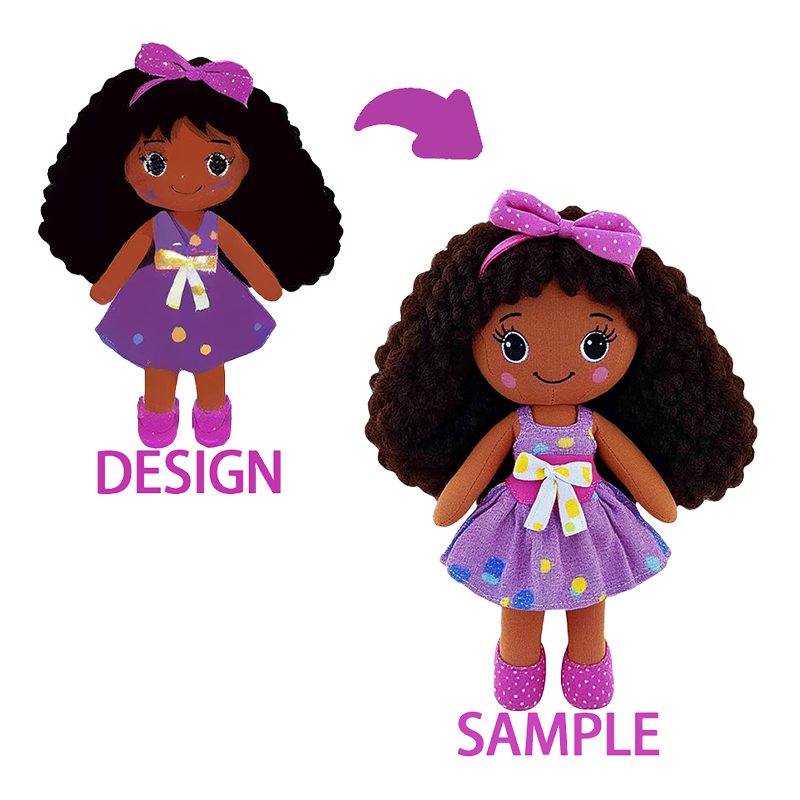
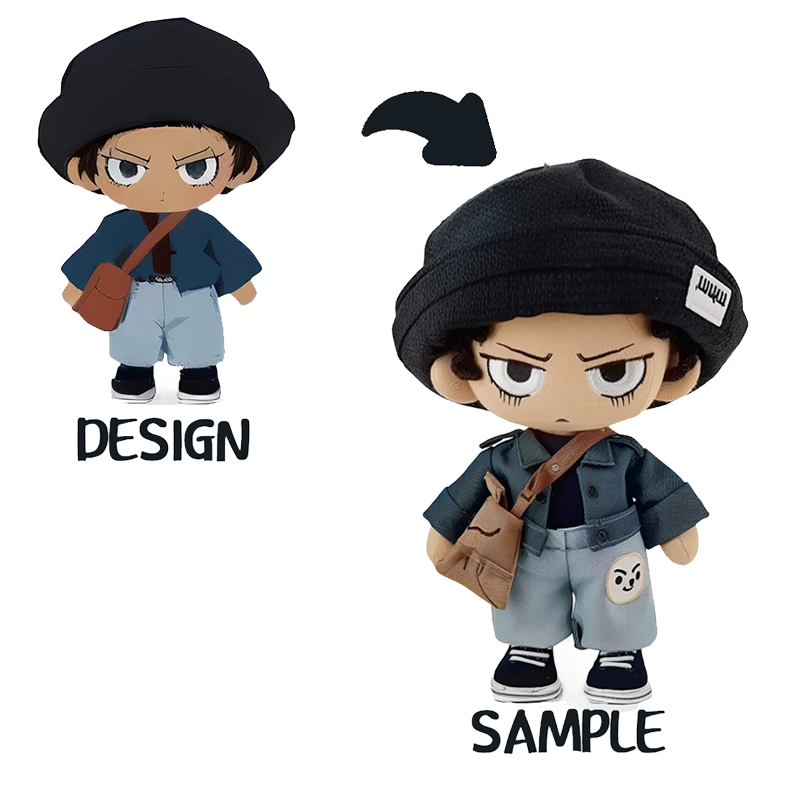
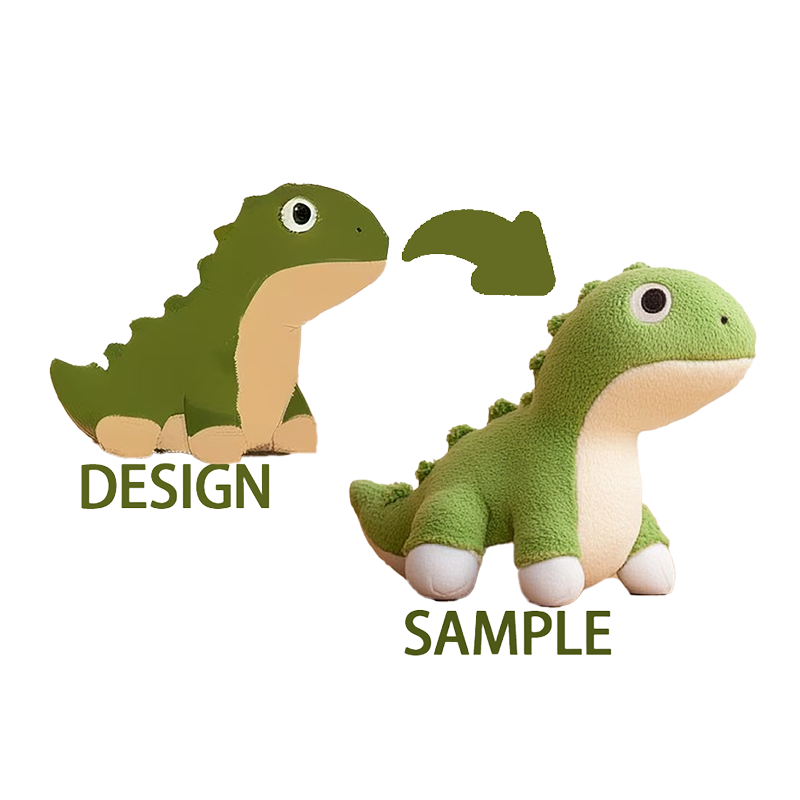
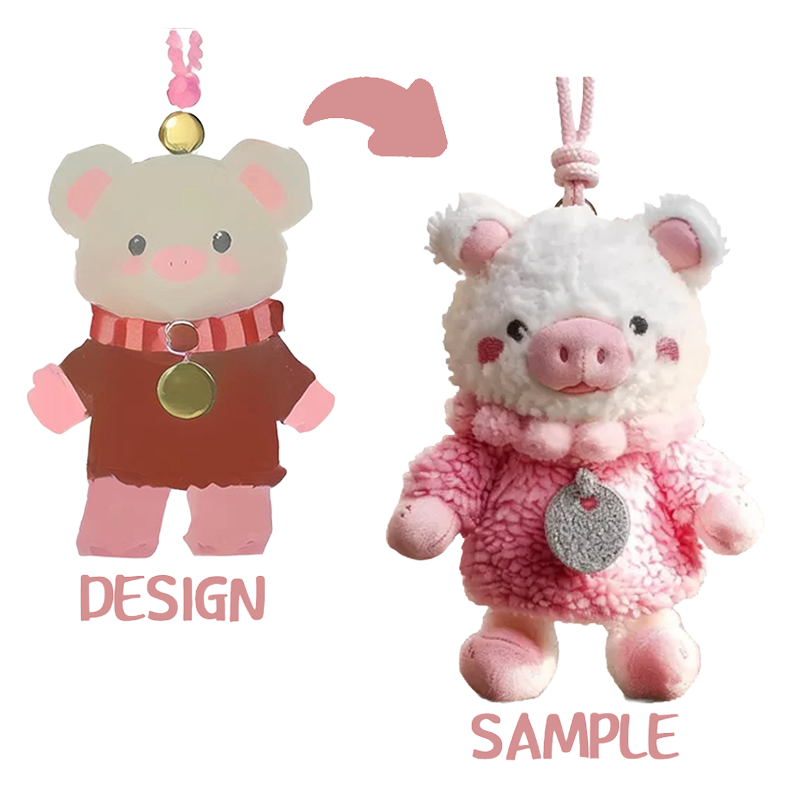
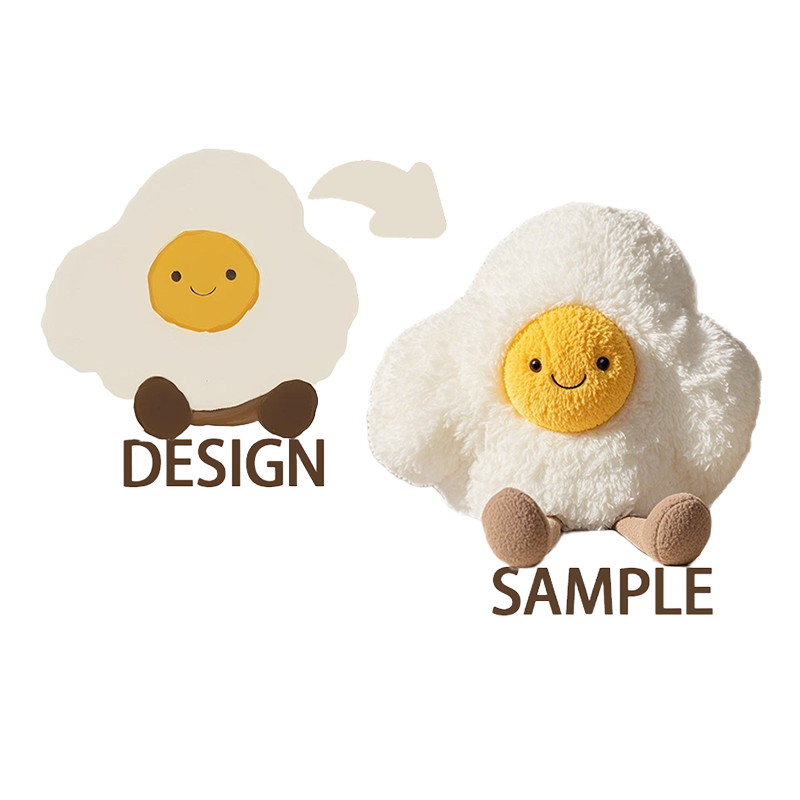
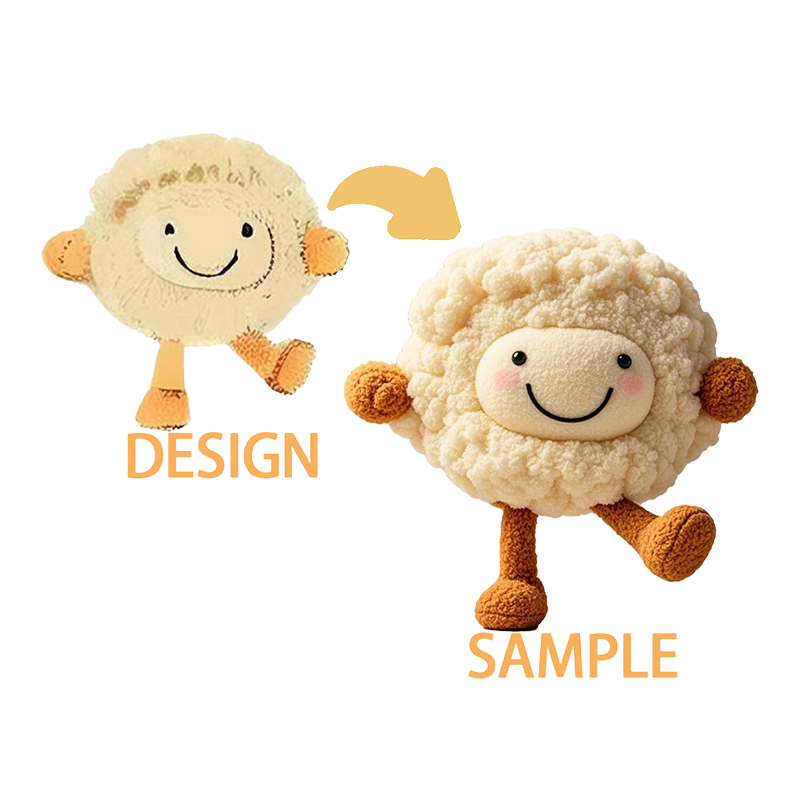
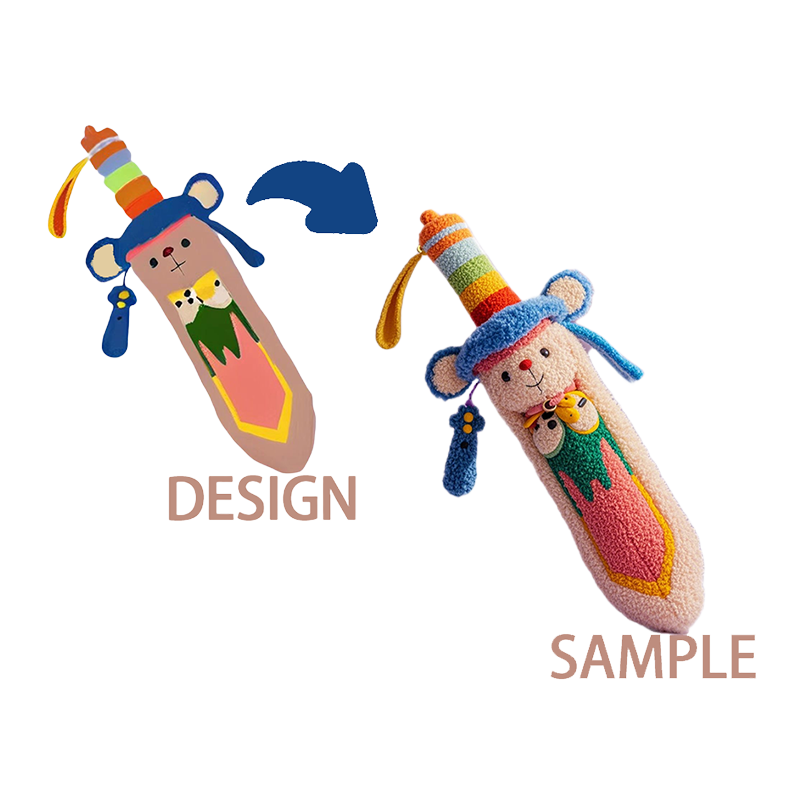
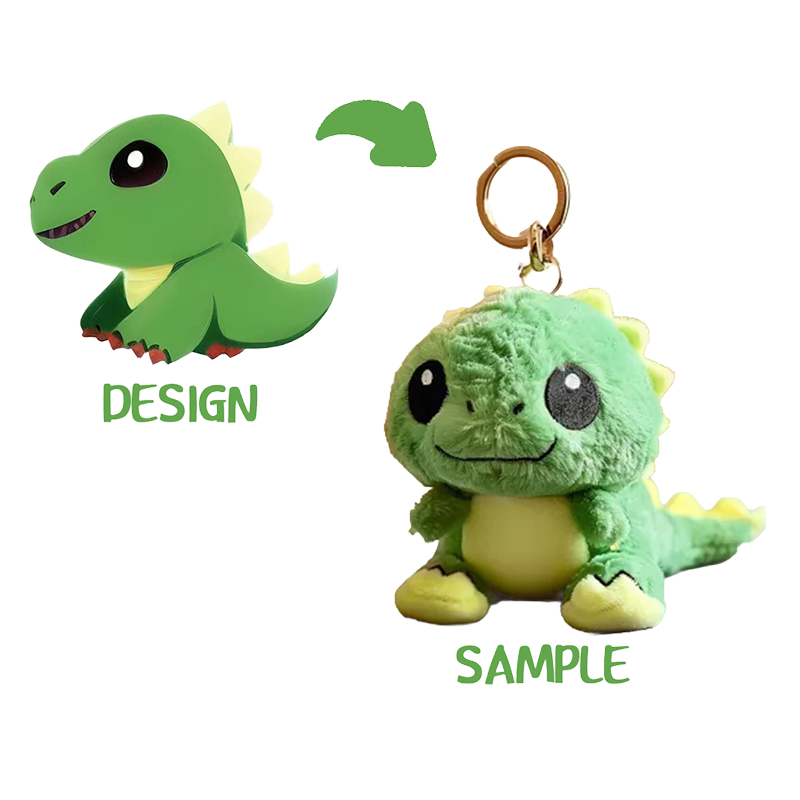
Custom Plush Dolls From Drawing or Artwork are one of the most requested types of personalized toys, and their safety profile is identical to any other custom plush doll, provided the manufacturer uses compliant materials and construction methods regardless of the design input.
The process of translating a drawing into a three-dimensional plush toy involves pattern making, fabric selection, and assembly decisions that are entirely within the manufacturer's control. A complex character design does not automatically require unsafe small parts. Responsible manufacturers accommodate even intricate artwork details through safe alternatives:
- Fine facial details rendered as embroidery instead of plastic button eyes
- Color gradients and patterns achieved through fabric printing or applique rather than painted surfaces
- Textured features like manes, fins, or hair created from sewn fabric strips rather than loose fibers or ribbons
- Character accessories such as hats or capes attached by reinforced stitching rather than snaps or metal fasteners for younger age groups
When ordering custom plush dolls from a drawing or artwork for a child under 3, clearly specify the age group so the manufacturer can apply the appropriate construction rules from the start of pattern development.
Age-Specific Safety Considerations for Custom Plush Dolls
Safety requirements differ meaningfully across age groups. The design and construction choices appropriate for a 6-year-old are not necessarily appropriate for a 12-month-old. The following guidelines reflect established toy safety principles by developmental stage.
Infants and Toddlers (0 to 3 Years)
- No detachable parts of any size; all features must be integral to the fabric structure
- Minimum doll size should exceed the small parts cylinder test threshold (approximately 3.17 cm diameter)
- No cords, ribbons, or strings longer than 220 mm as these present strangulation risk
- Filling must not harden, clump, or produce dust if the outer fabric is torn
Young Children (3 to 6 Years)
- Attached plastic safety eyes with washers are generally acceptable if pull-force tested
- Simple sewn accessories that cannot be easily separated are permissible
- Flammability compliance remains mandatory; fabric must self-extinguish within specified limits
Older Children (6 Years and Above)
- Wider range of design elements including removable clothing is appropriate with supervision
- Metal zippers and snap closures are generally safe at this developmental stage
- Chemical compliance (REACH, CPSIA) still applies and should be verified
How to Verify a Manufacturer's Safety Credentials
Not all manufacturers who offer custom plush dolls maintain the same safety standards. Before placing an order for plush toys intended for children, use the following verification checklist.
- Request current third-party lab test reports (SGS, Intertek, or Bureau Veritas are widely recognized testing bodies)
- Confirm the test report covers the specific standard for your target market (ASTM F963 for USA, EN 71 for Europe)
- Verify that the materials listed in the test report match the materials proposed for your custom order
- Ask for a physical sample or prototype before full production to inspect stitching, fill density, and embellishment security
- Confirm the manufacturer can provide a Children's Product Certificate (CPC) if shipping to the US market
Estimated third-party safety compliance rate (%) by manufacturer category for custom plush dolls
What to Look for on the Label and Packaging
A properly manufactured custom plush doll should arrive with packaging and labeling that communicates its safety status clearly. Compliant labeling typically includes:
- Age recommendation label clearly visible on the hang tag or packaging surface
- Country of manufacture and manufacturer contact information
- Material content declaration (e.g., "Surface: 100% polyester. Fill: polyester fiberfill")
- CE marking (for European market) or tracking label (for US CPSIA compliance)
- Washing instructions that align with the material composition declared
Custom plush dolls ordered through reputable channels should include all of the above as a standard part of the order fulfillment, not as an optional add-on.
Maintenance and Care to Keep Custom Plush Dolls Safe Over Time
Even a fully compliant custom plush doll can develop safety concerns through wear if not properly maintained. Routine care extends the toy's safe usable life significantly.
- Wash according to the label: Most plush dolls are machine washable on a gentle cold cycle. Washing removes surface bacteria and maintains hygienic safety, particularly for children who chew or mouth their toys.
- Inspect seams monthly: Check all stitching lines, especially at limb attachment points and around any sewn features. Re-stitch any loosening seams before they become separation points.
- Check for fill migration: If stuffing has shifted and created hard lumps, reshape by hand after washing while the doll is still damp.
- Retire damaged dolls promptly: A torn seam that exposes filling or a detached feature should result in the toy being removed from use until repaired, or retired if the damage is not repairable.
Relative safety integrity score (0-100) of a custom plush doll over 36 months, with and without regular maintenance
Frequently Asked Questions
We specialize in the design and production of plush toys to provide customers with unique customized services