 English
 中文简体
中文简体The Benefits of Custom Plush Toys: Why Are They More Popular?
2026-03-05
Content
- 1 Custom Plush Toys Outperform Generic Alternatives in Emotional Value, Brand Impact, and Buyer Satisfaction
- 2 Emotional Connection: Why Personalization Dramatically Increases Perceived Value
- 3 Brand Merchandise and Corporate Applications: Why Businesses Invest in Custom Plush Toys
- 4 Quality and Safety Advantages of Reputable Custom Plush Toy Manufacturers
- 5 Custom Plush Toys vs. Generic Plush Toys: A Direct Comparison
- 6 The Gifting Advantage: Why Custom Plush Toys Outperform Other Personalized Gift Options
- 7 Sustainability Trends Driving Custom Plush Toy Demand
- 8 How to Order Custom Plush Toys: Key Steps and Decisions
- 9 Frequently Asked Questions About Custom Plush Toys
- 9.1 Q1: What is the minimum order quantity for custom plush toys?
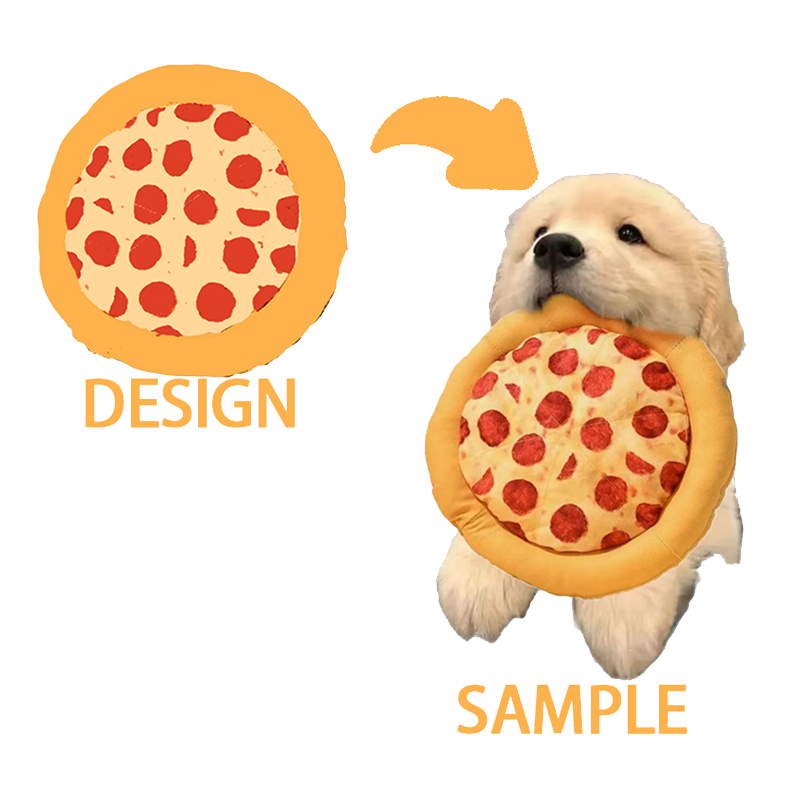
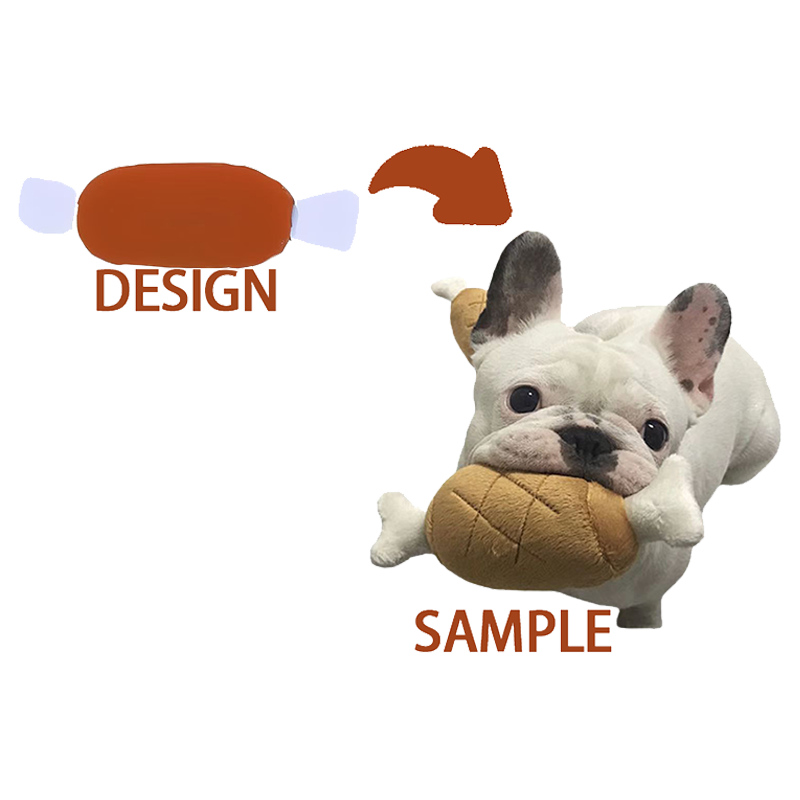
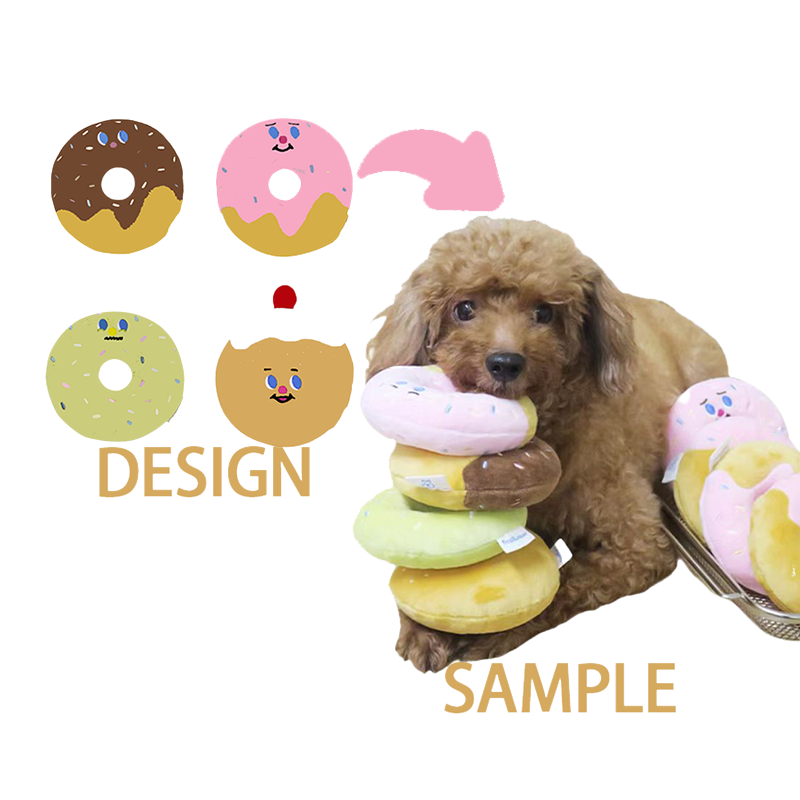
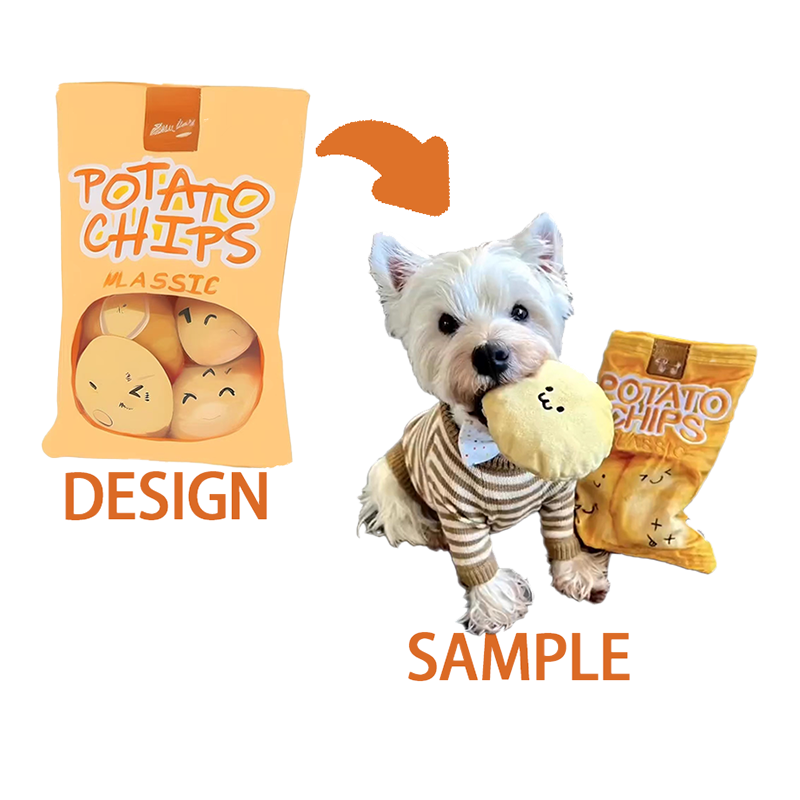
- 9.2 Q2: How accurate can a custom plush toy be to a reference design or photo?
- 9.3 Q3: Are custom plush toys safe for infants and toddlers under 3 years old?
- 9.4 Q4: How long does it take to produce custom plush toys from order to delivery?
- 9.5 Q5: What file formats and design specifications do custom plush manufacturers need?
- 9.6 Q6: How do I verify that a custom plush toy manufacturer is reputable before placing an order?
Custom Plush Toys Outperform Generic Alternatives in Emotional Value, Brand Impact, and Buyer Satisfaction
Custom plush toys are more popular because they deliver something a mass-produced toy fundamentally cannot: a one-of-a-kind object with personal meaning. Whether ordered by a brand for promotional merchandise, a parent commemorating a child's beloved character, or a company creating a mascot collectible, the customization transforms a soft toy from a generic commodity into a meaningful keepsake. The global custom plush toy market was valued at approximately $2.1 billion in 2023 and is projected to grow at a CAGR of over 7% through 2030—driven by rising demand from the gifting, brand merchandise, and entertainment licensing sectors.
This growth is not coincidental. Custom plush toys occupy a unique intersection of emotional resonance, functional versatility, and accessible manufacturing—a combination that makes them effective tools for businesses, irresistible gifts for consumers, and enduring comfort objects for children and adults alike. The sections below examine each dimension of this advantage in detail.
Emotional Connection: Why Personalization Dramatically Increases Perceived Value
The psychological mechanism behind custom plush toys' popularity is well-documented: personalized objects activate stronger emotional attachment than generic equivalents. Research in consumer psychology consistently shows that people assign 20% to 40% higher perceived value to personalized items compared to identical non-personalized versions—a phenomenon known as the "endowment effect" amplified by customization.
For plush toys specifically, this effect is intensified because soft toys already carry inherent emotional associations—comfort, security, and childhood memory. When a plush toy is customized to resemble a specific character, pet, or person meaningful to the recipient, its emotional significance multiplies. A 2022 survey by the Toy Association found that 67% of adults who received a personalized plush gift described it as "the most memorable gift" they received that year—a retention rate unmatched by virtually any other gift category at the same price point.
Custom Pet Plush Toys: The Fastest-Growing Segment
The custom pet plush category—where owners commission miniature plush replicas of their own dogs, cats, or other pets—is the single fastest-growing segment within the custom plush market, growing at an estimated 12% to 15% annually. The emotional driver is clear: pet ownership rates in the United States and Europe exceed 60% of households, and pet owners consistently rank their animals among their most significant emotional relationships. A custom plush of a beloved pet functions simultaneously as a tribute, a comfort object, and a conversation piece—a combination of functions that no generic toy can replicate.
Brand Merchandise and Corporate Applications: Why Businesses Invest in Custom Plush Toys
Custom plush toys have become a mainstream tool in brand strategy, used by businesses ranging from Fortune 500 companies to independent content creators. The reasons are grounded in measurable marketing outcomes:
- Higher retention rate than conventional merchandise: A branded pen or tote bag is discarded; a custom plush mascot is displayed. Studies on promotional product effectiveness show that plush toys are retained for an average of 2.4 years—the longest retention rate in the promotional product category—generating continuous brand impressions throughout their lifespan.
- High social media shareability: Custom plush toys are among the most photographed and shared merchandise items. A limited-edition brand mascot plush generates organic user-generated content at rates that justify the production investment as a content marketing strategy, not just a merchandise cost.
- Event and conference differentiation: At trade shows and conferences where exhibitors compete for attention with similar merchandise, a custom plush toy stands out immediately—its tactile appeal and visual distinctiveness draw visitors to booths and create lasting memory associations with the brand.
- Revenue-generating merchandise: Unlike most promotional items that are purely cost centers, well-designed custom plush mascots can be sold as retail merchandise, generating revenue that offsets or exceeds production costs. Independent content creators on platforms like YouTube and Twitch regularly generate $50,000 to $500,000 or more annually from custom plush merchandise tied to their characters or avatars.
Industries That Benefit Most from Custom Plush Toys
| Industry / Use Case | Primary Application | Key Benefit | Typical Order Volume |
|---|---|---|---|
| Entertainment / Gaming | Character merchandise, fan collectibles | Revenue generation, fan loyalty | 500–50,000+ units |
| Corporate / B2B | Mascot promotional gifts, event giveaways | Brand recall, client retention | 100–5,000 units |
| Healthcare / Children's Hospitals | Comfort toys, patient comfort programs | Emotional support, anxiety reduction | 50–500 units |
| Content Creators / Streamers | Subscriber merchandise, limited drops | Community building, revenue | 100–10,000 units |
| Wedding / Personal Events | Wedding favors, commemorative gifts | Unique keepsake, emotional memorability | 50–300 units |
| Education / Schools | Mascot merchandise, fundraising | School spirit, fundraising revenue | 100–2,000 units |
Quality and Safety Advantages of Reputable Custom Plush Toy Manufacturers
One advantage of ordering custom plush toys from established manufacturers over purchasing generic mass-market toys is the ability to specify and verify safety and quality standards directly. This matters particularly for toys intended for young children and for corporate merchandise where brand reputation is at stake.
Mandatory Safety Certifications to Require
- ASTM F963 (USA): The American toy safety standard, covering mechanical hazards, flammability, and chemical limits. Required for all toys sold in the United States for children under 14.
- EN 71 (EU): The European toy safety directive covering physical, mechanical, chemical, and flammability requirements. Required for CE marking and sale in EU markets.
- CPSIA Compliance (USA): The Consumer Product Safety Improvement Act requires third-party testing for children's products and limits heavy metals including lead to 90 ppm in surface coatings.
- Oeko-Tex Standard 100: Certifies that all materials—fabric, stuffing, dyes—are free from harmful substances. Increasingly requested by buyers for premium and children's custom plush.
Material Quality Choices That Distinguish Custom from Generic
Custom plush toy orders allow the buyer to specify pile fabric type (short-pile minky, long-pile faux fur, velboa), fill material (PP cotton, memory foam, recycled PET fill), and eye/nose hardware type (safety-lock eyes, embroidered features for infants). Generic mass-market toys use whatever materials minimize cost; custom orders let buyers prioritize softness, durability, and safety for their specific audience—a material control advantage that directly affects both user experience and safety compliance.
Custom Plush Toys vs. Generic Plush Toys: A Direct Comparison
| Criteria | Custom Plush Toys | Generic Mass-Market Plush |
|---|---|---|
| Design uniqueness | Fully unique; designed to specification | Identical to thousands of other units |
| Emotional value to recipient | High; personal and meaningful | Low to moderate; replaceable |
| Brand alignment | Exact brand colors, logo, and character | None; generic appearance |
| Material control | Buyer specifies fabric, fill, and hardware | Fixed; optimized for lowest cost |
| Safety certification | Verifiable per buyer's market requirements | Variable; certification often unverified |
| Minimum order quantity | 50–300 units (varies by manufacturer) | 1 unit (retail purchase) |
| Unit cost at 500 units | $8–$25 depending on size and complexity | $3–$10 (wholesale) |
| Lead time | 45–90 days (design + production) | Immediate (off the shelf) |
| Long-term retention by recipient | Average 2.4 years (promotional studies) | Shorter; easily replaced or discarded |
The Gifting Advantage: Why Custom Plush Toys Outperform Other Personalized Gift Options
The personalized gift market is crowded—mugs, photo books, engraved jewelry, and monogrammed accessories all compete for the same occasions. Custom plush toys have carved out a dominant position in this market because they combine several gift attributes that other personalized items cannot match simultaneously:
- Age versatility: A custom plush toy is an appropriate gift from birth through adulthood—the same format works as a nursery keepsake for a newborn, a comfort toy for a child, a desk companion for a teenager, and a sentimental collectible for an adult. Almost no other gift category spans this age range with equal effectiveness.
- Tactile emotional impact: Unlike a photo book or engraved item that is primarily visual, a plush toy engages touch—the most primal emotional sense. The softness and hug-ability of a plush toy trigger an immediate positive emotional response that functional or decorative gifts cannot replicate.
- Display value: Custom plush toys are displayed, not stored. Recipients keep them visible—on beds, desks, shelves, and car dashboards—making the gift a continuous presence rather than an occasional-use item. This visibility amplifies the emotional return on the gift investment over time.
- Price-to-perceived-value ratio: A custom plush toy at $30 to $60 retail is consistently perceived as a more thoughtful and valuable gift than a generic item at the same price point. The customization multiplies perceived value disproportionately to the actual cost differential.

Sustainability Trends Driving Custom Plush Toy Demand
A growing driver of the custom plush toy market's expansion is the increasing availability of sustainable material options, which align with consumer values and corporate ESG commitments. Key developments include:
- Recycled PET fill: Premium custom plush manufacturers now offer stuffing made from recycled plastic bottles—typically 6 to 10 bottles per medium-sized toy—allowing buyers to communicate a sustainability story alongside the product. This fill material performs comparably to virgin PP cotton in softness and resilience.
- Organic and GOTS-certified fabrics: Global Organic Textile Standard (GOTS) certified pile fabrics ensure the entire textile supply chain—from raw fiber to finished fabric—meets organic and ethical processing standards. Increasingly requested for infant and children's custom plush.
- Made-to-order production model: Custom plush toys are inherently less wasteful than mass-produced generic toys because they are produced only when ordered—eliminating the overproduction and landfill disposal that accounts for an estimated 30% of mass-market toy inventory annually. This on-demand model resonates strongly with environmentally conscious buyers.
- Longevity as a sustainability argument: The extended retention rate of custom plush toys—averaging 2.4 years versus under 1 year for many mass-market toys—represents a meaningful reduction in consumption and waste over time. A gift that is treasured and kept is intrinsically more sustainable than one that is quickly discarded.
How to Order Custom Plush Toys: Key Steps and Decisions
For first-time buyers, the custom plush ordering process can seem complex. The following sequence covers the critical decisions in order:
- Define your design concept: Provide reference artwork, photos (for pet replicas), or character sheets. The clearer and more detailed the reference, the more accurate the prototype will be. Manufacturers typically accept digital files in AI, PSD, or high-resolution JPEG formats.
- Specify size and materials: Determine the finished size (common sizes: 15 cm, 20 cm, 30 cm, 45 cm), pile fabric type, fill material, and eye/nose style. For children under 3, specify embroidered features rather than plastic safety eyes.
- Request and approve a prototype: Always request a physical prototype before committing to full production. Prototype cost typically ranges from $50 to $200 and is deducted from or credited against the production order. Review the prototype carefully for color accuracy, proportions, texture, and any safety hardware concerns.
- Confirm certifications required: Specify which safety standards apply to your market (ASTM F963 for USA, EN 71 for EU). Request test reports before shipment—not after arrival.
- Plan lead times: Allow 45 to 90 days total from design approval to delivery for standard orders. Add buffer time for holiday seasons when manufacturer capacity is constrained.
- Clarify packaging requirements: Custom plush toys for retail or brand merchandise typically require polybag packaging, hang tags, or branded boxes. Specify packaging type and whether tags should include barcodes or QR codes for product traceability.
Frequently Asked Questions About Custom Plush Toys
Q1: What is the minimum order quantity for custom plush toys?
Minimum order quantities (MOQs) vary significantly by manufacturer and design complexity. Most established custom plush manufacturers require a minimum of 100 to 300 units for a fully custom design, with unit costs decreasing substantially at 500+ and 1,000+ unit thresholds. Some manufacturers offer small-batch custom programs starting at 50 units for simpler designs, though at higher per-unit cost. For truly one-off single pieces (such as a single pet replica for a personal gift), there are specialty "single unit custom" services available—typically hand-sewn artisan makers—at prices of $80 to $300 per piece depending on complexity and size.
Q2: How accurate can a custom plush toy be to a reference design or photo?
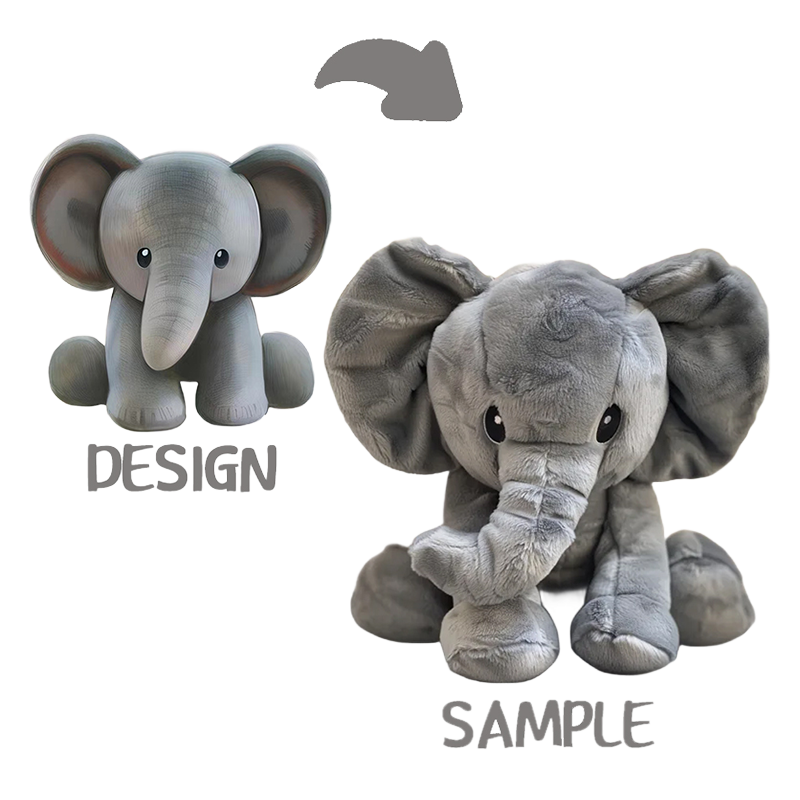
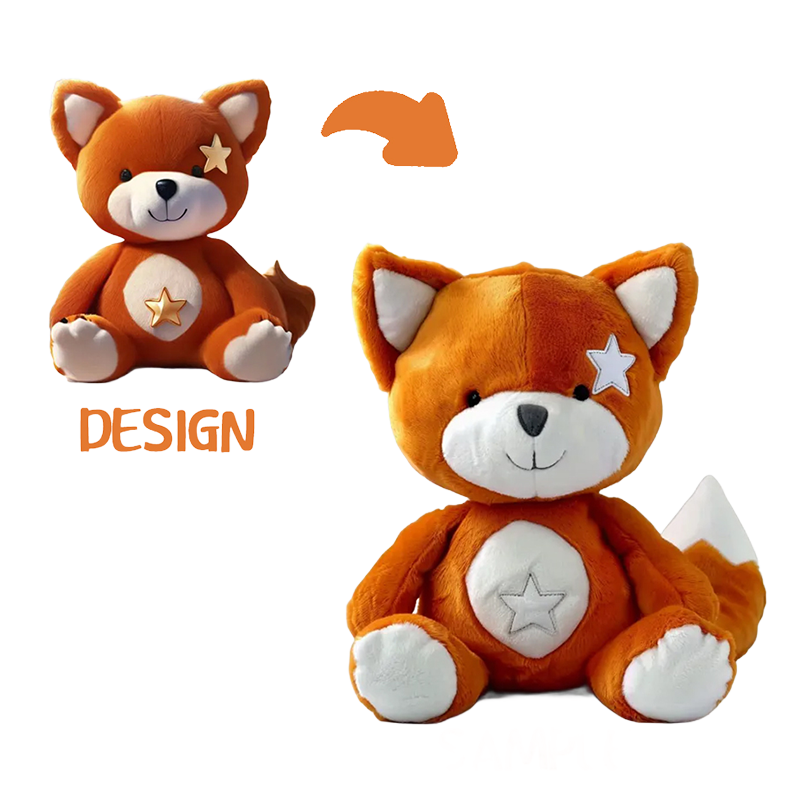
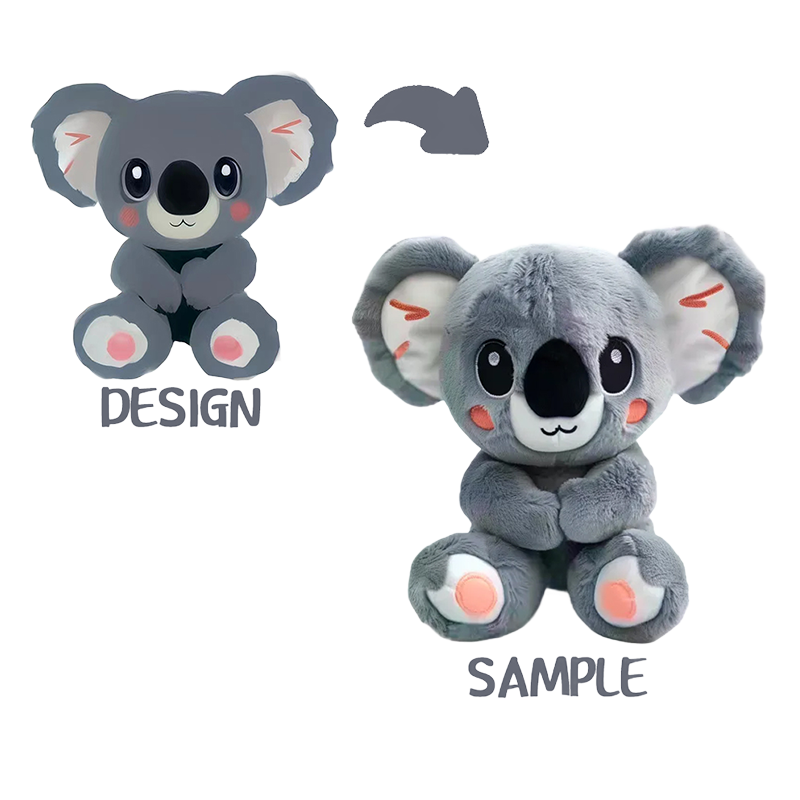
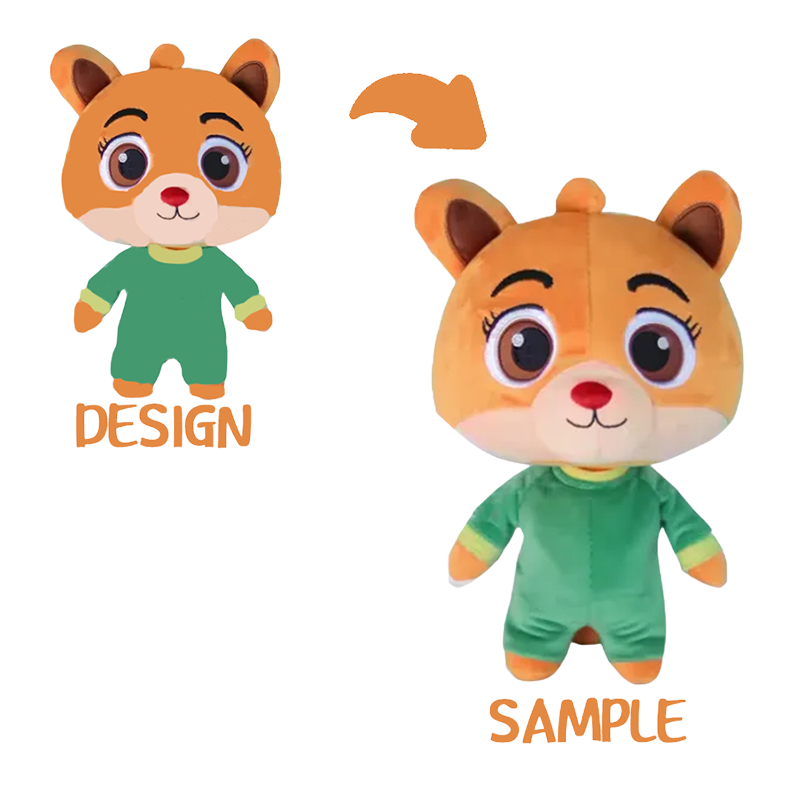
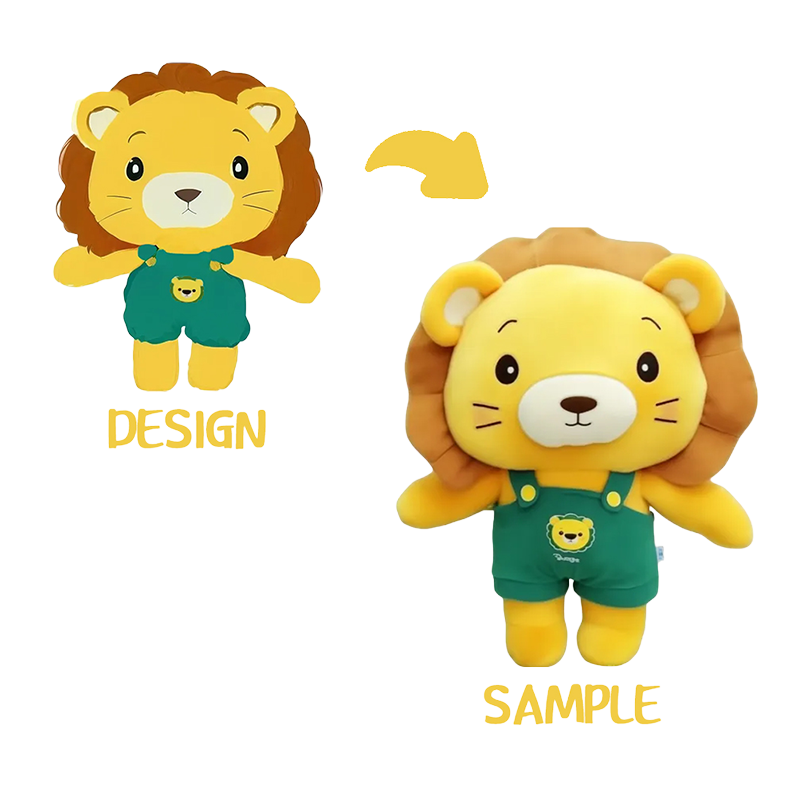
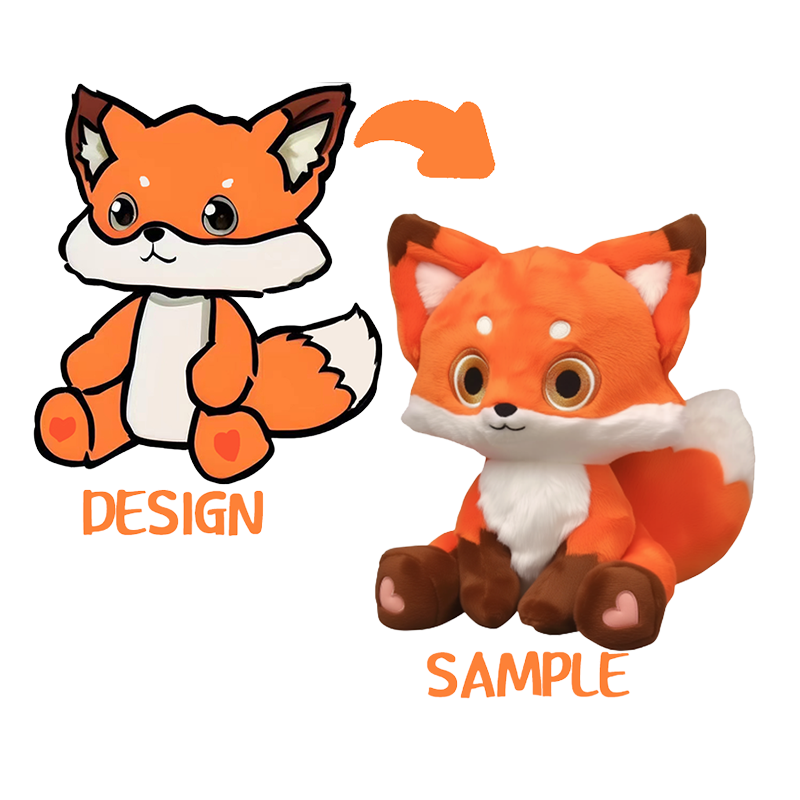
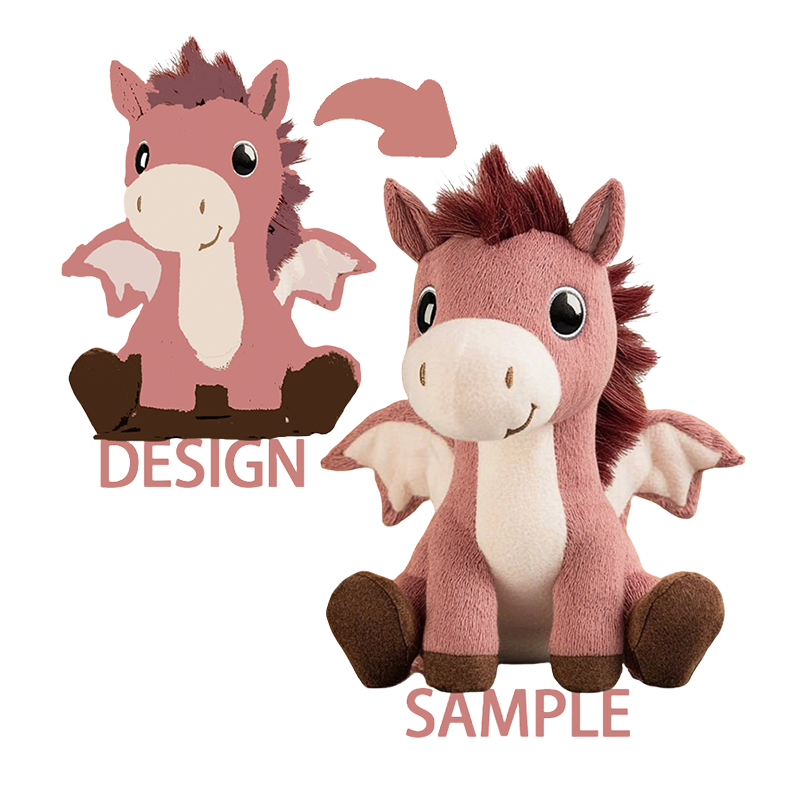
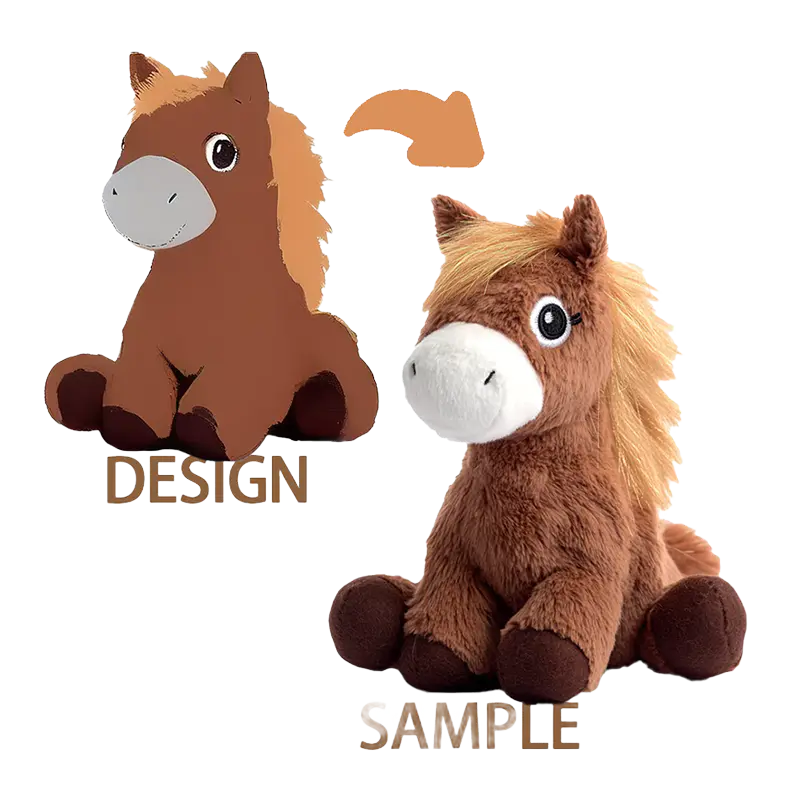
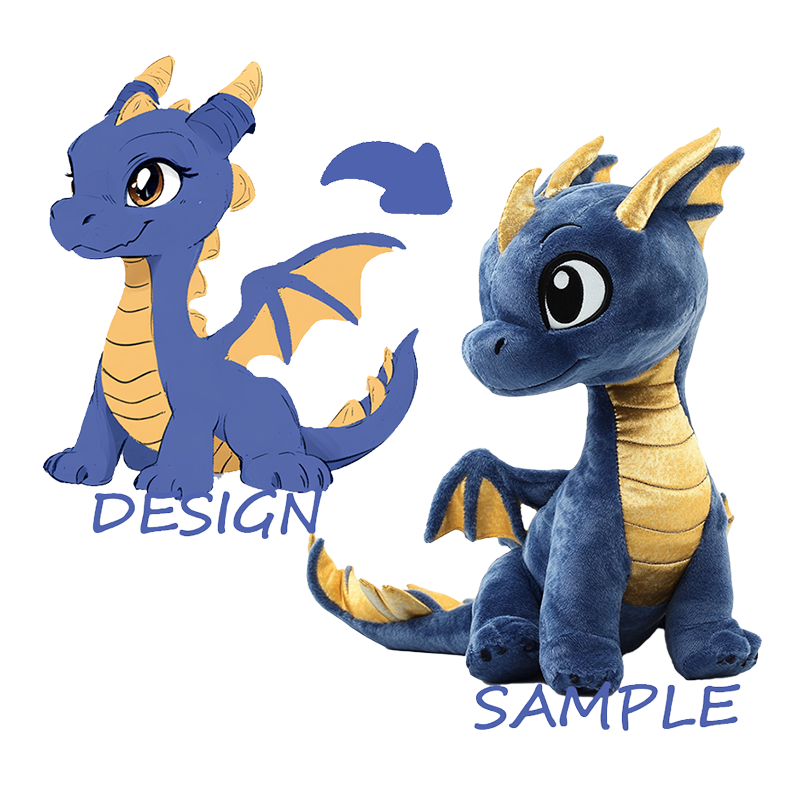
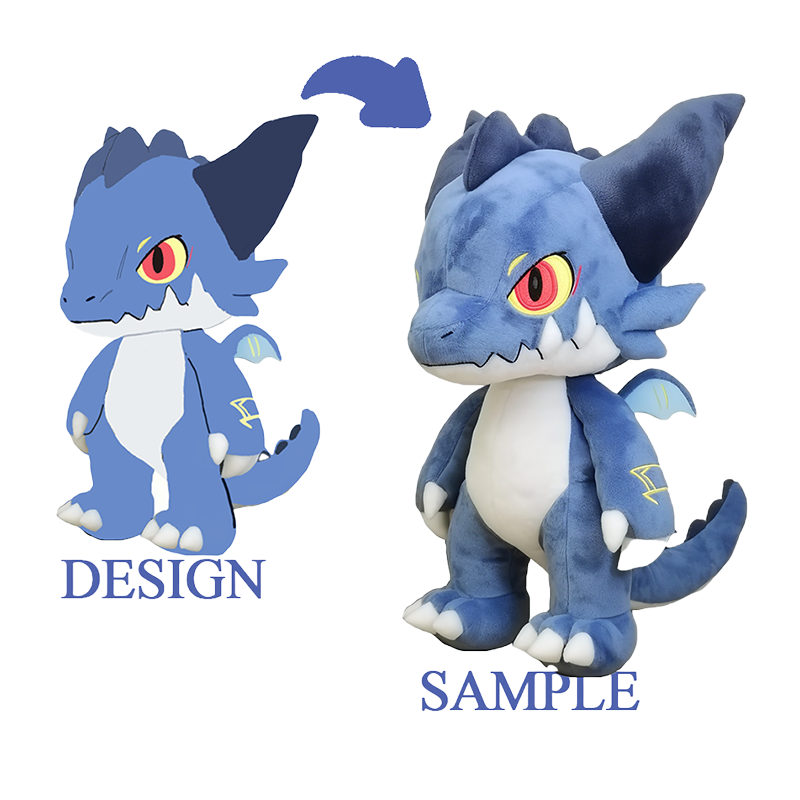
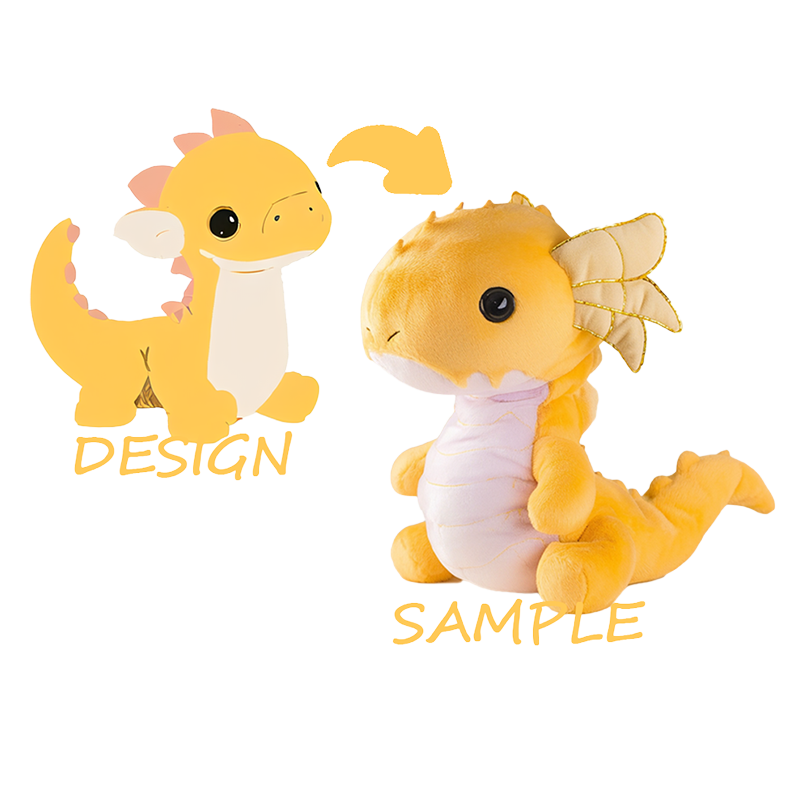
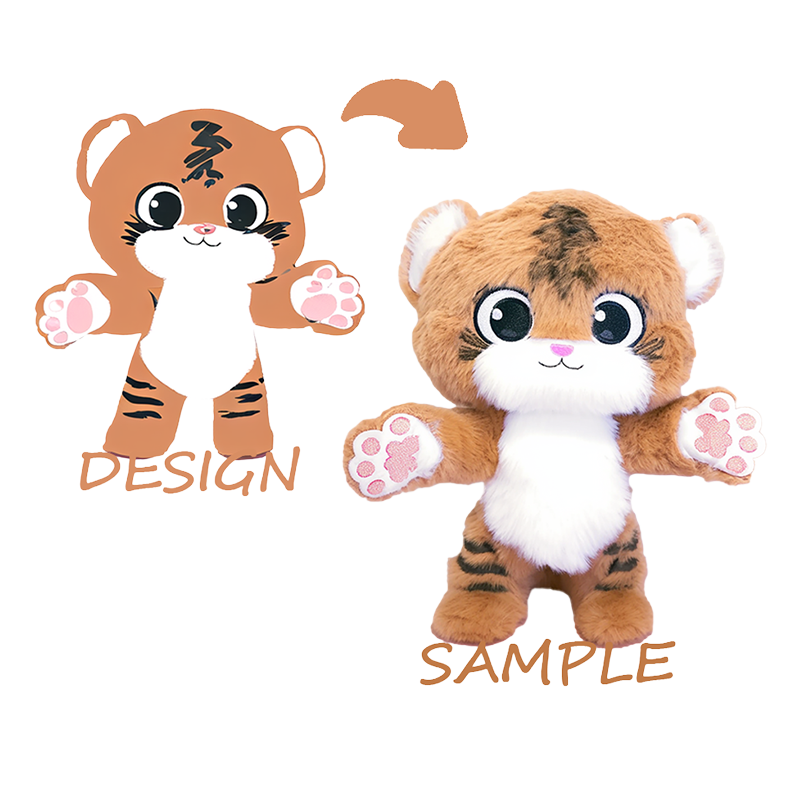
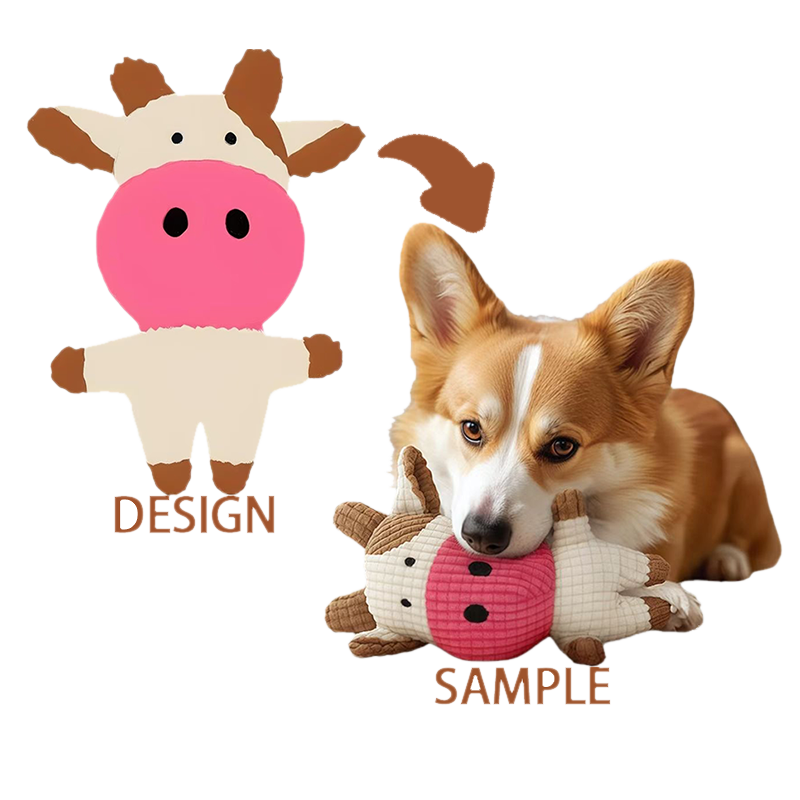
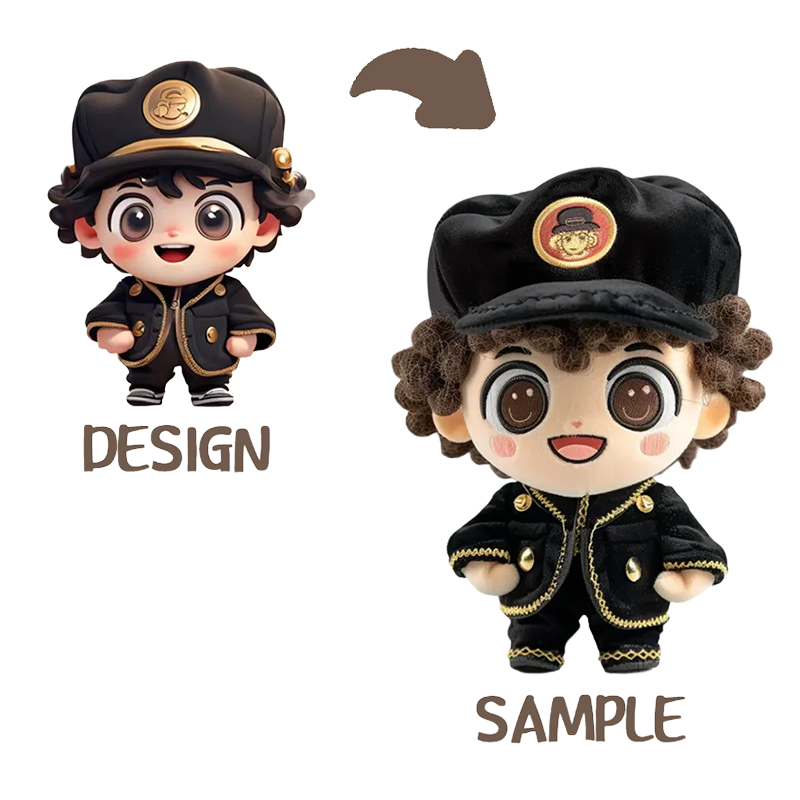
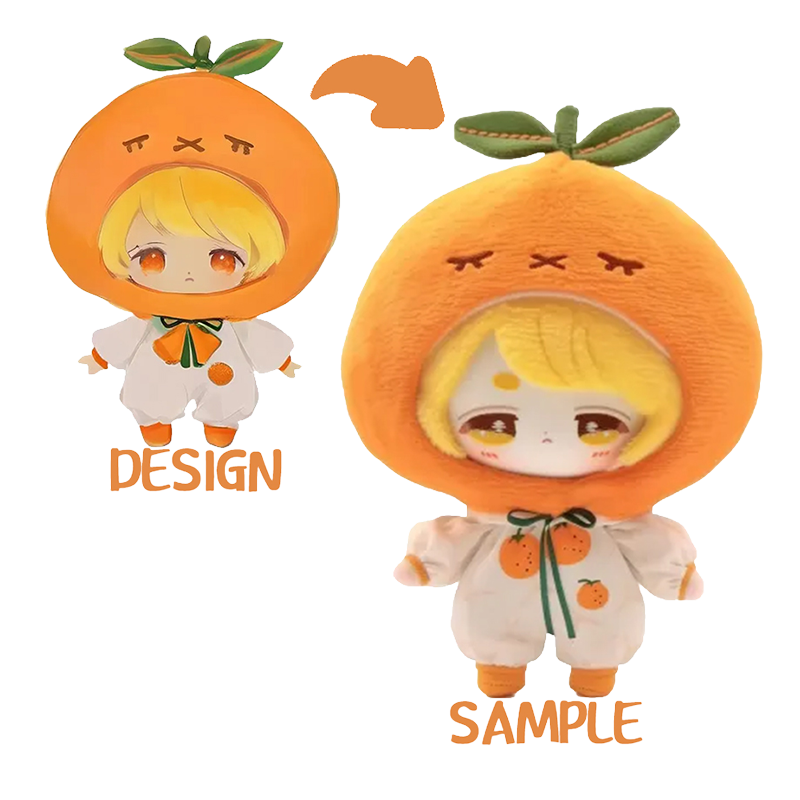
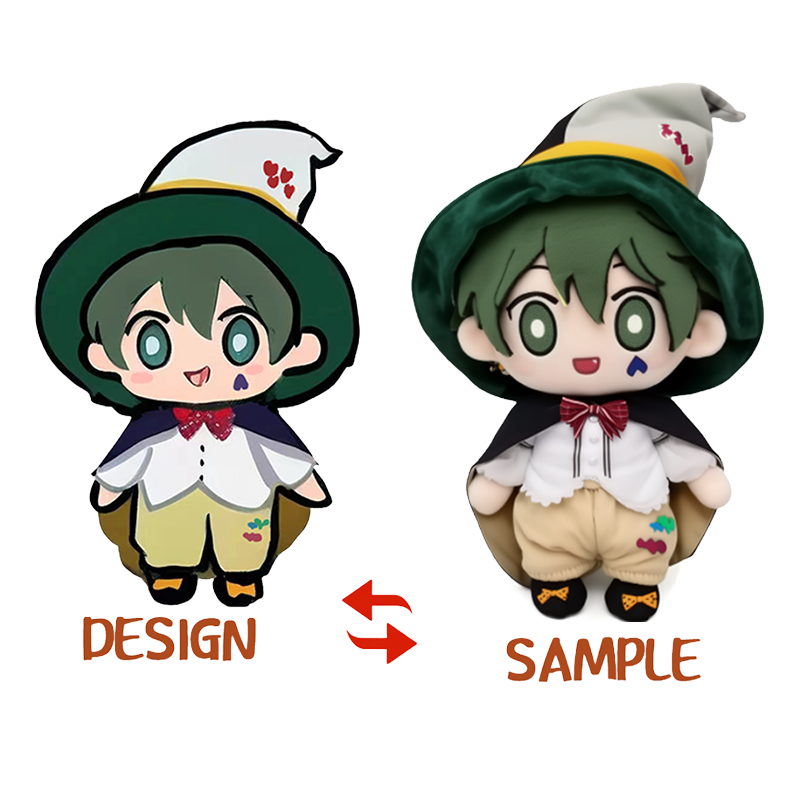
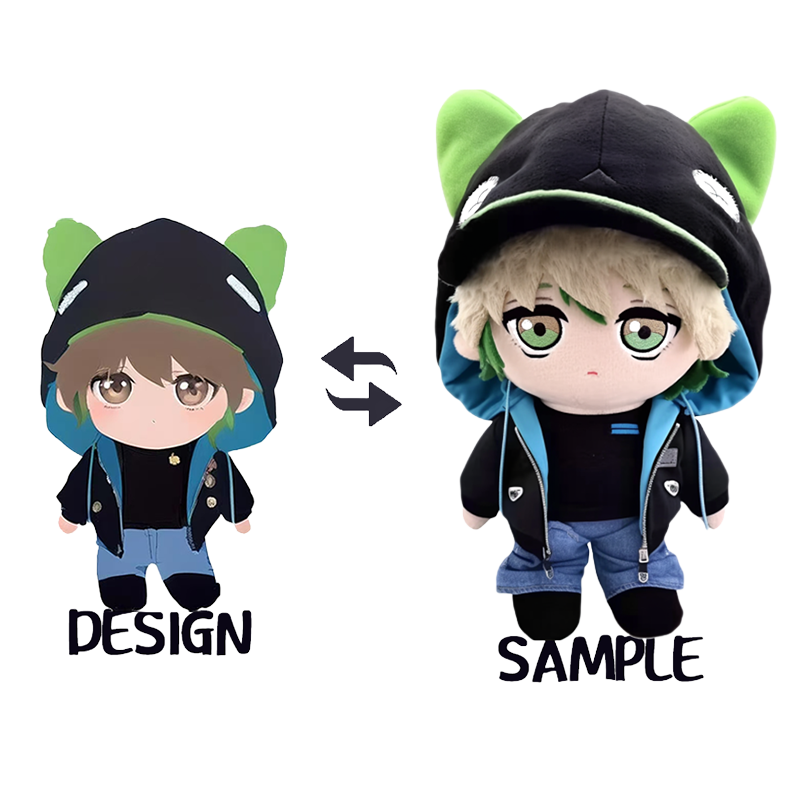
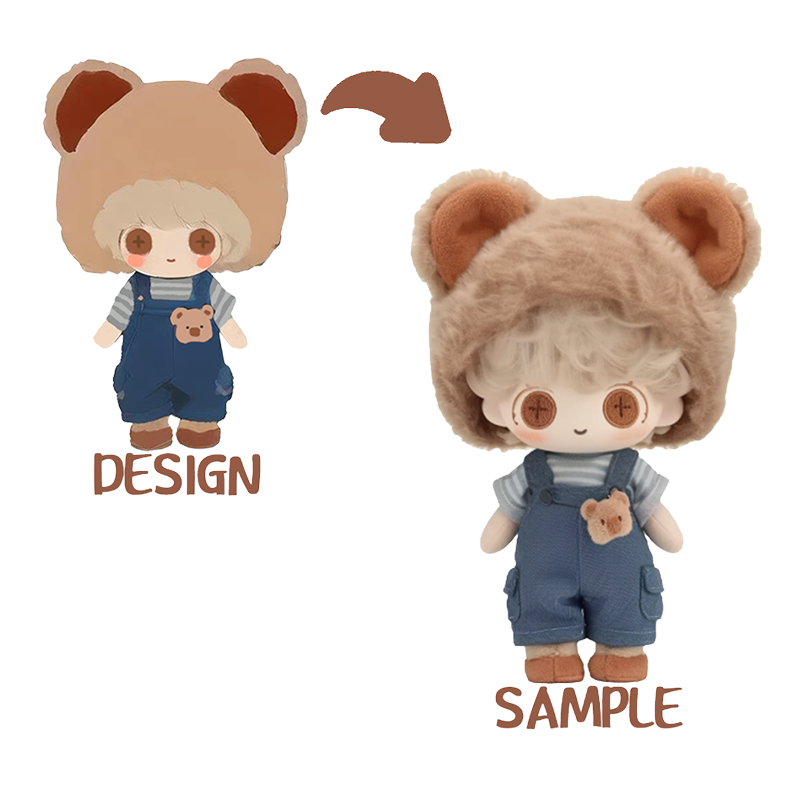
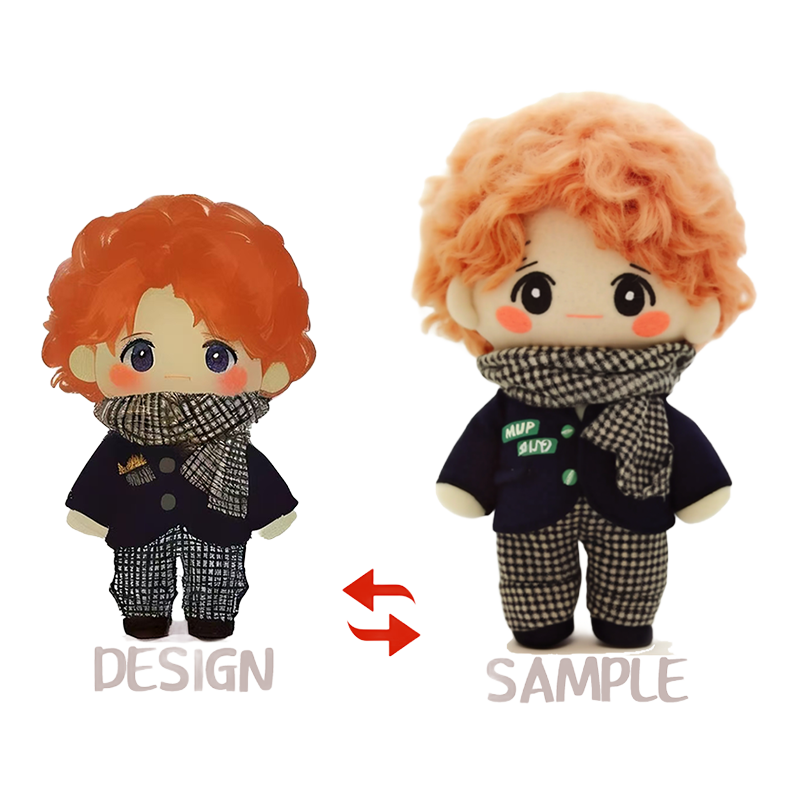
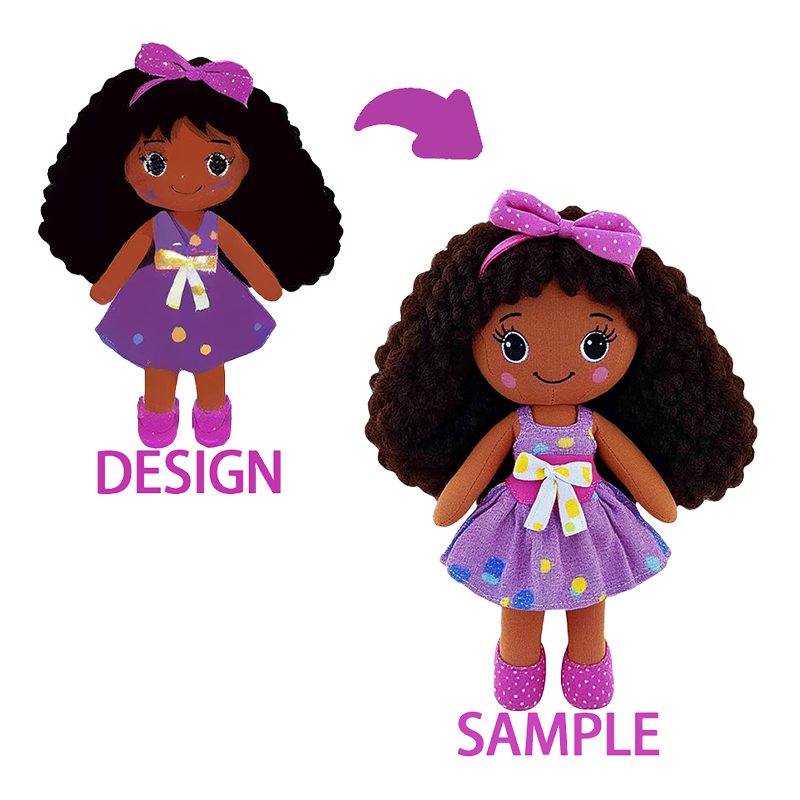
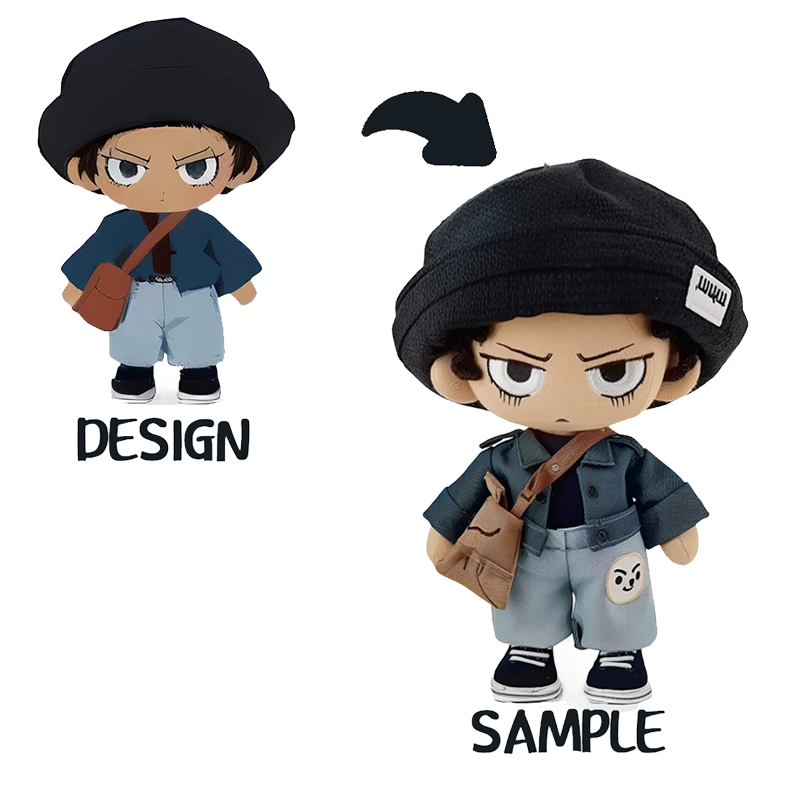
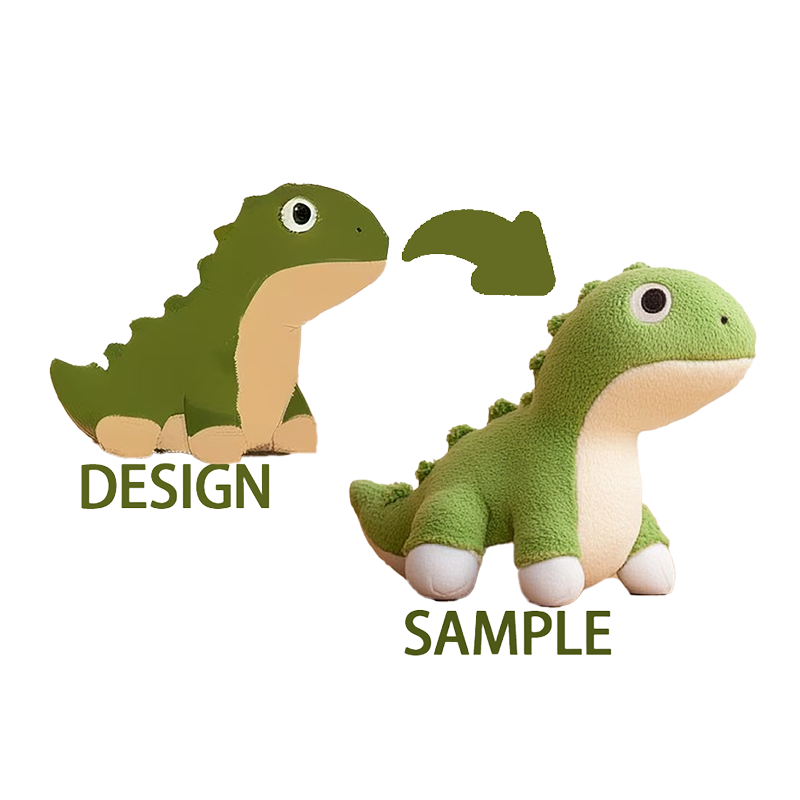
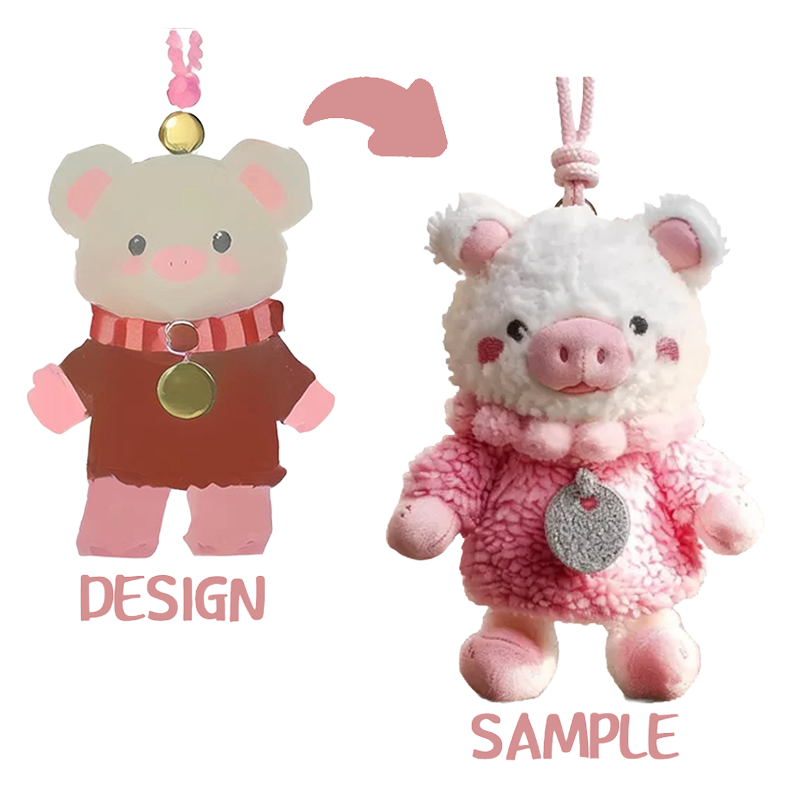
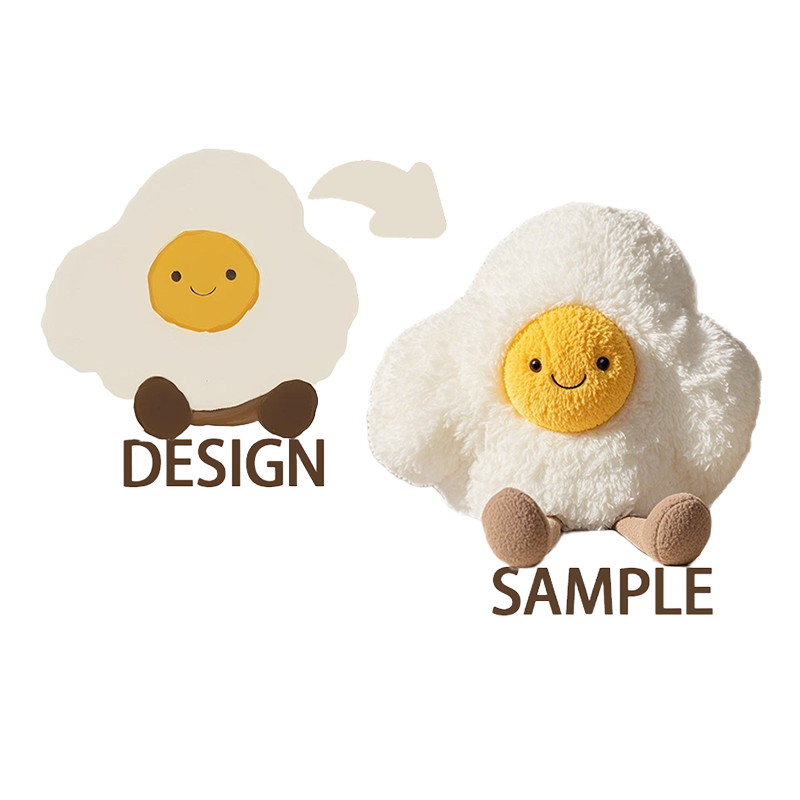
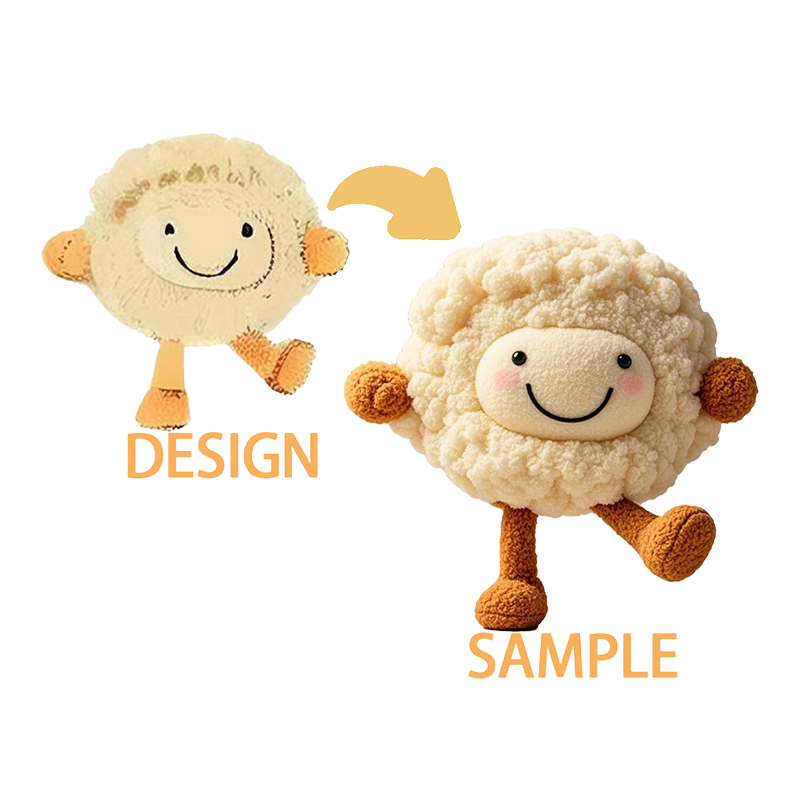
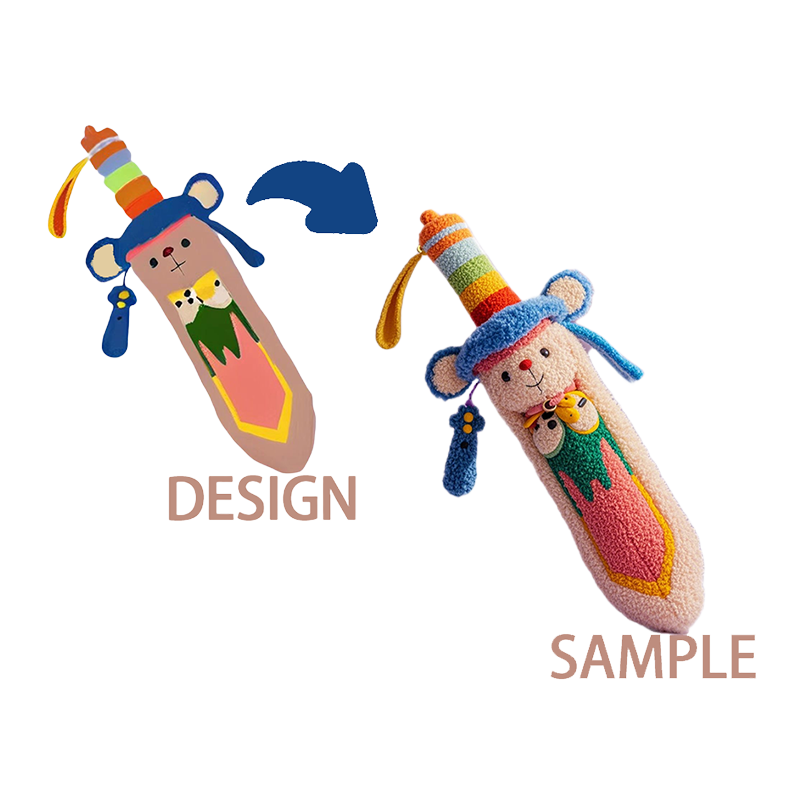
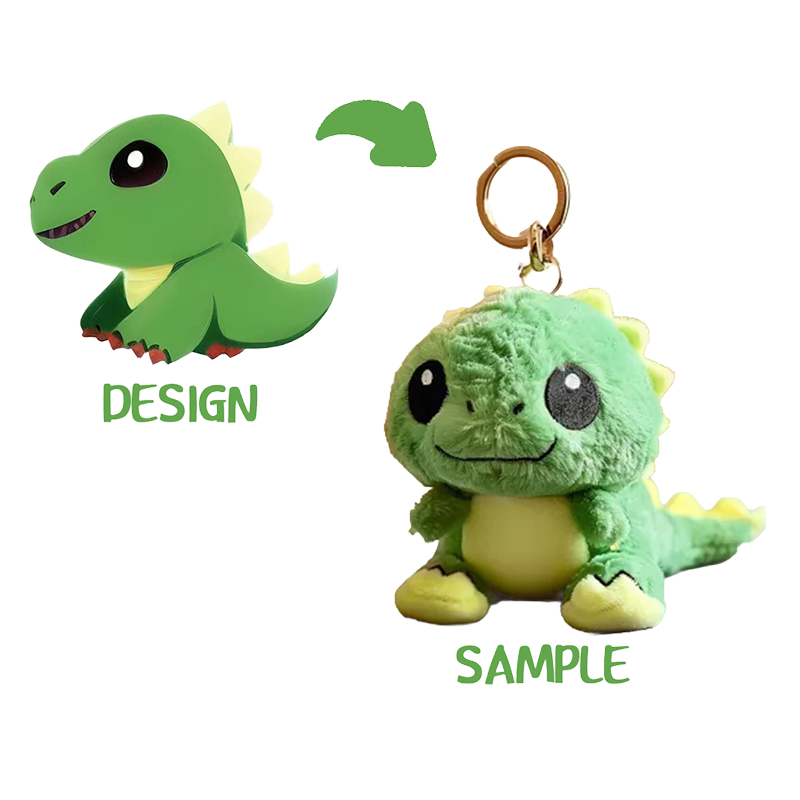
Accuracy depends on design complexity, the quality of reference materials provided, and the manufacturer's skill level. For character designs with clear artwork, experienced manufacturers achieve 90% to 95% visual likeness to the approved prototype in production units. For pet replicas based on photos, likeness accuracy in the 80% to 90% range is typical—capturing breed characteristics, coloring, and markings but necessarily simplified for the plush medium. Providing multiple reference photos from different angles, clear color references, and detailed written notes on key features significantly improves outcome accuracy. Always evaluate likeness from the physical prototype—not the digital design preview—before approving production.
Q3: Are custom plush toys safe for infants and toddlers under 3 years old?
Custom plush toys can be made safe for infants and toddlers, but require specific design modifications and verified safety testing. Plastic safety eyes and noses must be replaced with fully embroidered features for toys intended for children under 3, as plastic components present a choking hazard regardless of the lock mechanism. Fill material must be non-toxic and hypoallergenic. Seam strength must pass pull-force testing per ASTM F963 and EN 71 standards. Request an age-grade compliance statement and third-party test report from the manufacturer, specifying the 0–3 age group, before purchasing custom plush toys intended for infant use.
Q4: How long does it take to produce custom plush toys from order to delivery?
The typical production timeline breaks down as follows: design review and pattern making (5–10 days), prototype production and shipping (15–25 days), prototype approval and revision if needed (5–10 days), bulk production (20–35 days), quality inspection and packaging (5–7 days), and ocean freight shipping (15–30 days for sea freight from Asia). Total elapsed time from initial design submission to delivery is typically 60 to 90 days under normal conditions. Air freight can reduce shipping time to 5–7 days at significantly higher cost. For time-sensitive launches, some manufacturers offer expedited production at a 15% to 25% premium on production cost.
Q5: What file formats and design specifications do custom plush manufacturers need?
Most manufacturers work most effectively with vector artwork in Adobe Illustrator (.AI) or EPS format for character designs, as these allow pattern makers to work from precise, scalable geometry. High-resolution raster files (minimum 300 DPI at final toy size) in PSD or PNG format with transparent background are also widely accepted. For pet replicas, provide a minimum of 5 to 8 reference photos: front, both sides, top, back, and close-ups of distinctive facial features. Include a Pantone color reference or specific color hex codes for any brand colors that must be matched exactly. The more complete and precise the reference package, the fewer prototype revision cycles will be required.
Q6: How do I verify that a custom plush toy manufacturer is reputable before placing an order?
Five verification steps protect buyers from unreliable suppliers: (1) Request factory audit reports or BSCI/ICTI social compliance certifications, which indicate the factory has been independently audited for labor and quality practices; (2) Ask for test reports from third-party laboratories (SGS, Bureau Veritas, Intertek) for relevant safety standards on previous production—a legitimate manufacturer will have these readily available; (3) Request customer references from orders similar in size and complexity to yours; (4) Use a platform-verified manufacturer or source through a reputable sourcing agent for first-time international orders; and (5) Never pay 100% upfront—standard payment terms for custom manufacturing are 30% deposit, 70% balance against shipping documents or after pre-shipment inspection. A manufacturer unwilling to provide audit documentation or requiring full prepayment upfront is a significant warning sign.
We specialize in the design and production of plush toys to provide customers with unique customized services