 English
 中文简体
中文简体How Do Custom Pet Chew Toys Improve Dental Health?
2026-02-27
Content
Do Custom Pet Chew Toys Improve Dental Health?
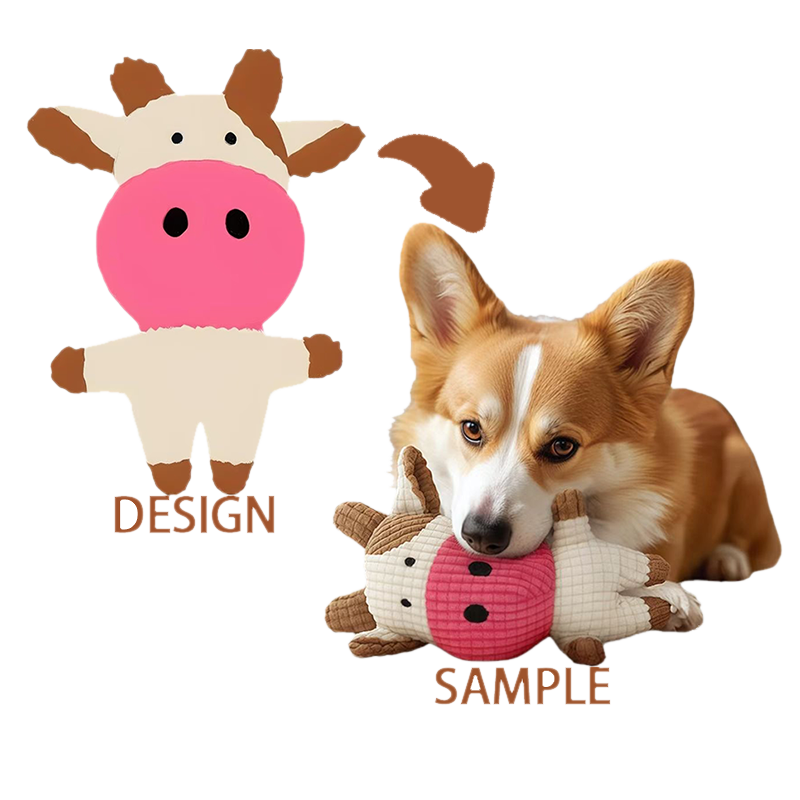
Yes, custom pet chew toys can significantly improve dental health by mechanically cleaning teeth, reducing plaque and tartar buildup, and strengthening gums. Designed to match the chewing habits and jaw strength of specific pets, these toys provide effective oral care alongside regular veterinary hygiene routines.
How Custom Designs Enhance Dental Benefits
- Targeted Texture: Ridges, grooves, and nubs clean different areas of teeth more effectively than generic toys.
- Size & Shape Optimization: Custom sizing ensures appropriate resistance, preventing tooth fractures while promoting natural chewing action.
- Material Selection: Safe, non-toxic rubber or nylon with varying hardness levels supports enamel health and gum stimulation.
Measurable Dental Health Improvements
Studies and pet care trials show that consistent use of chew toys can reduce plaque by up to 40% and tartar buildup by 30% over 4–6 weeks. Chewing also promotes stronger jaw muscles and healthier gums, lowering the risk of periodontal disease.
| Metric | With Custom Chew Toys | Without Chew Toys |
|---|---|---|
| Plaque Reduction | 40% | 10% |
| Tartar Buildup | 30% decrease | Minimal change |
| Gum Health | Improved | No significant change |
Additional Benefits of Custom Chew Toys
- Mental stimulation and reduced anxiety during playtime.
- Reduced destructive chewing on furniture or household items.
- Enhanced overall oral hygiene, complementing brushing and veterinary care.
Common Questions About Custom Pet Chew Toys
- Q: How often should pets use chew toys?
A: Daily sessions of 10–20 minutes are sufficient to maintain dental health without over-wearing teeth. - Q: Are all chew toy materials safe?
A: Only non-toxic, BPA-free rubber or nylon designed for chewing should be used. - Q: Can chew toys replace brushing?
A: No, they complement brushing but should not replace routine dental care. - Q: How do I choose the right size?
A: Match the toy to your pet’s breed and jaw strength; too small may be a choking hazard, too large may discourage chewing. - Q: How often should toys be replaced?
A: Replace when worn or damaged, typically every 2–3 months for active chewers. - Q: Do chew toys help with bad breath?
A: Yes, by reducing plaque and tartar, they can improve breath when used consistently.
Historical Cases
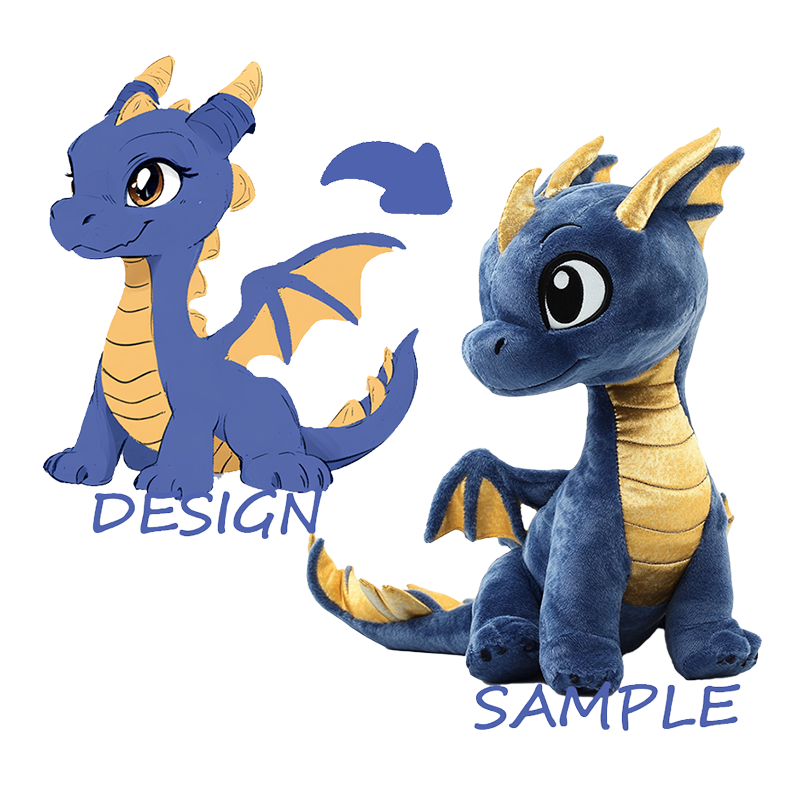
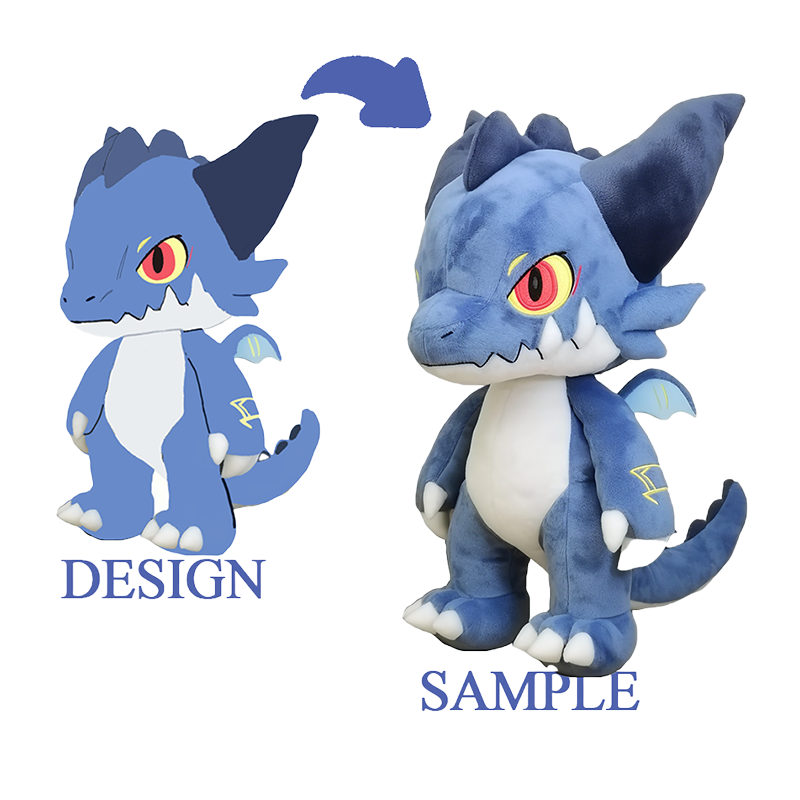
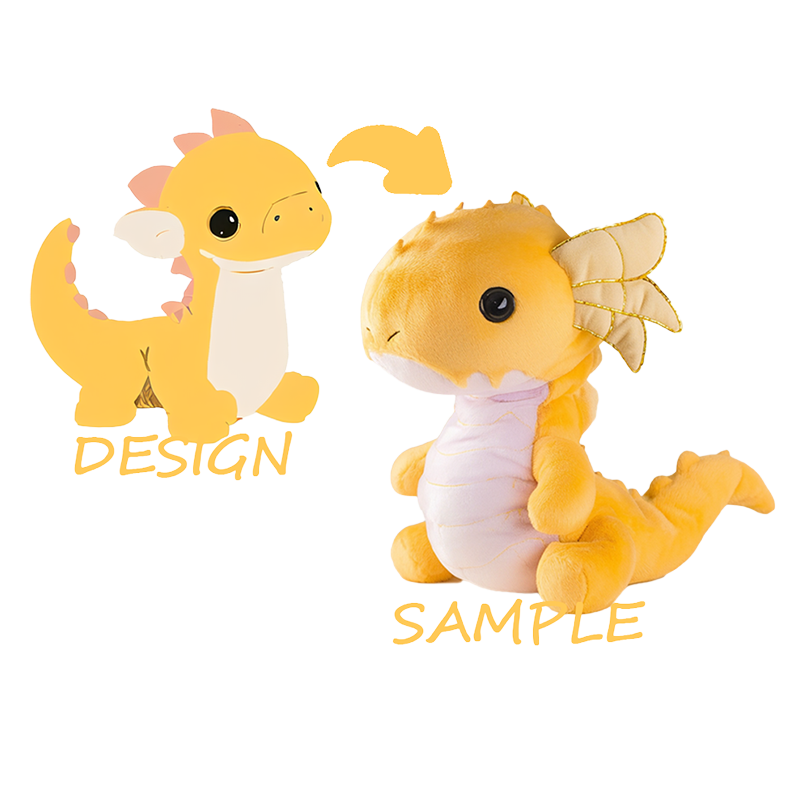
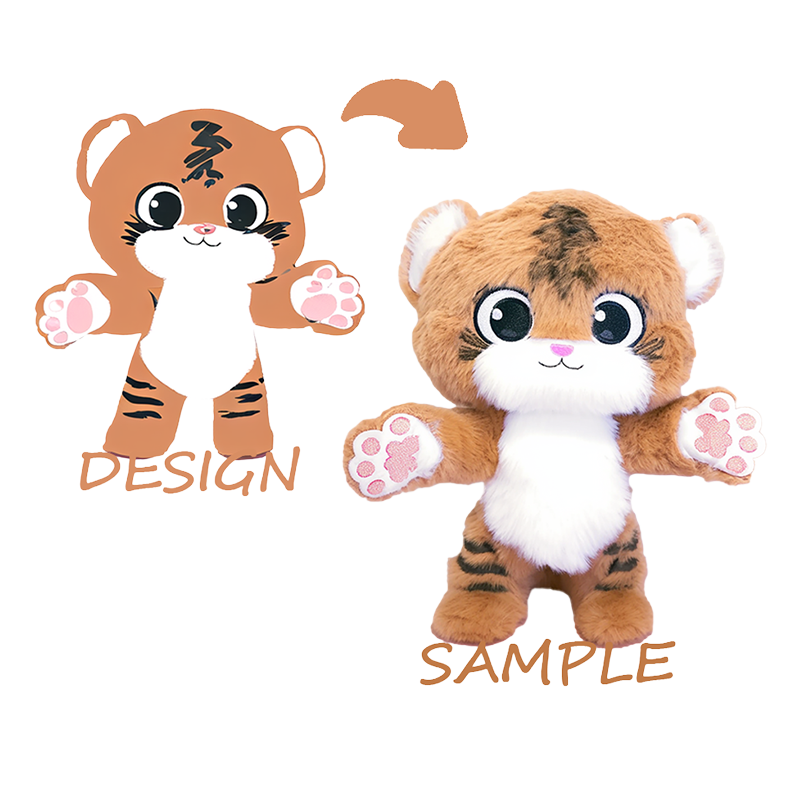
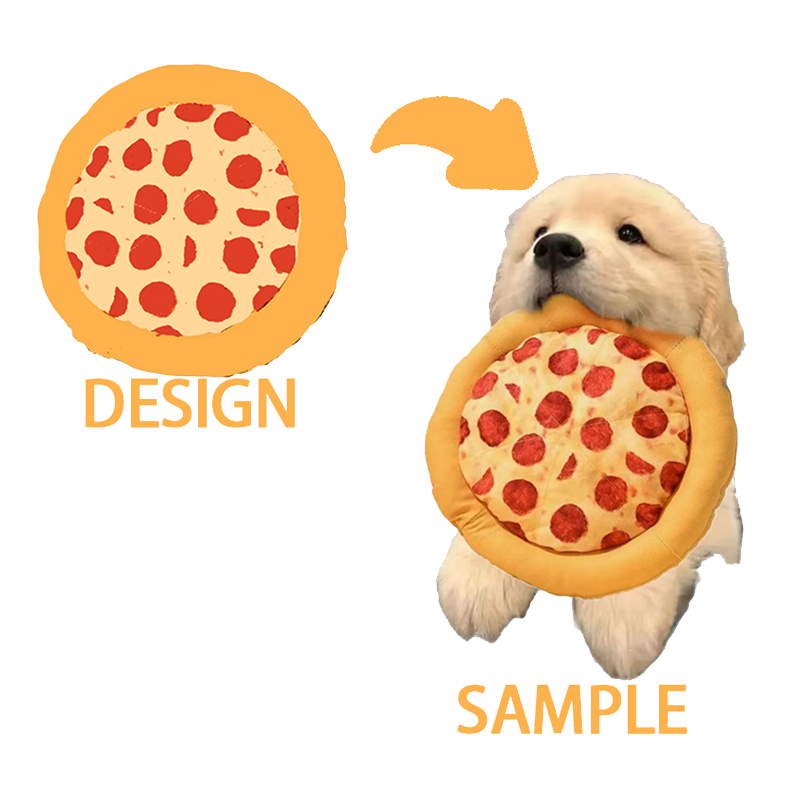
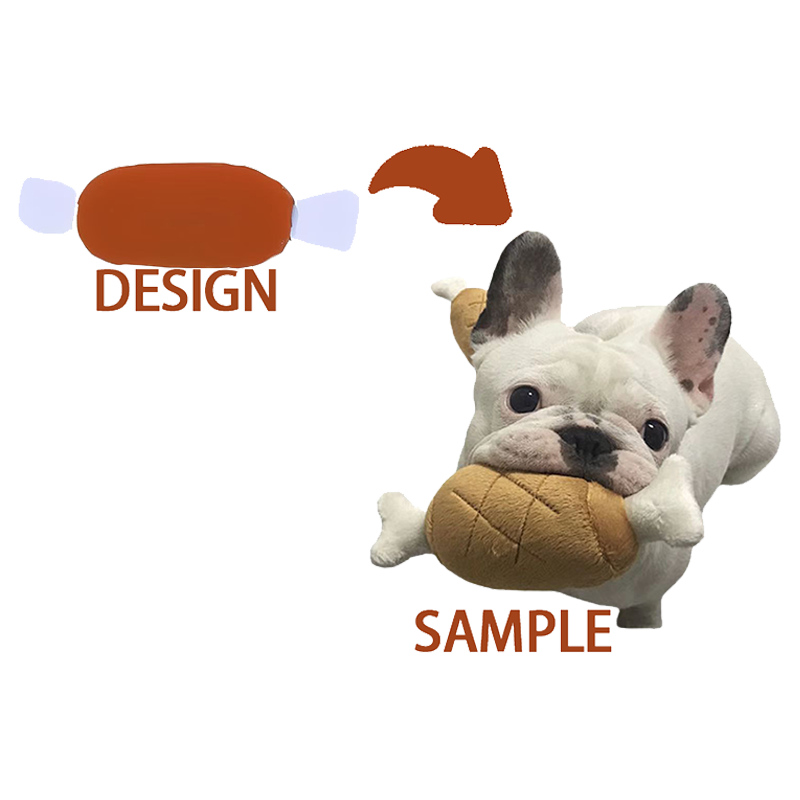
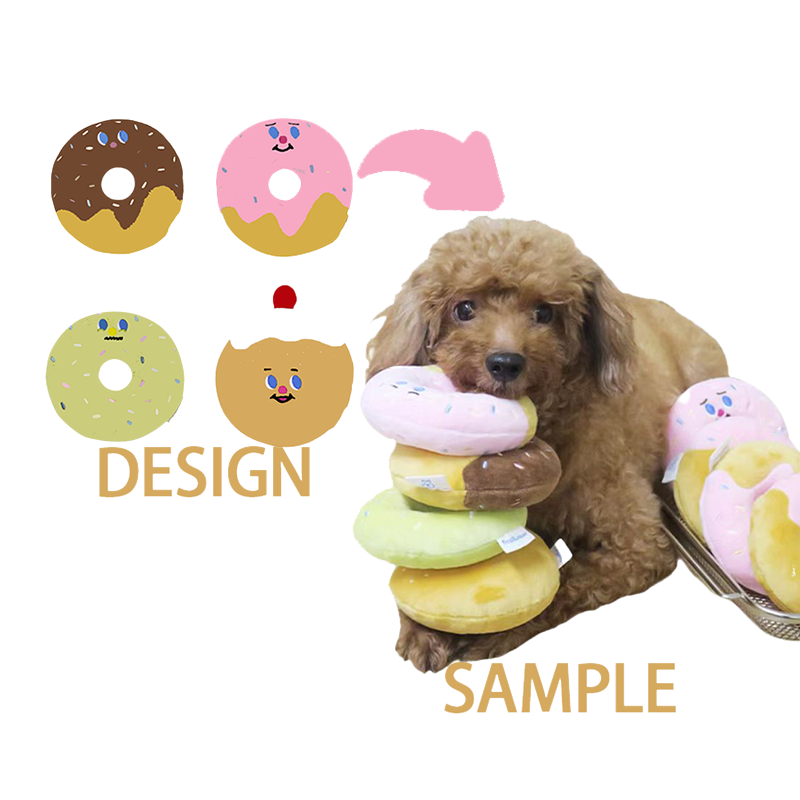
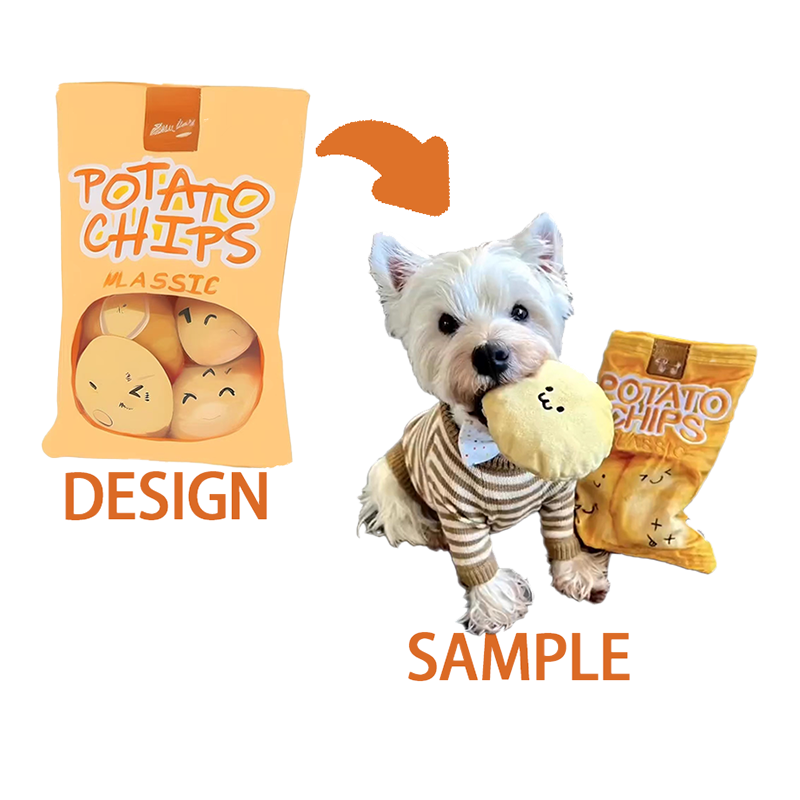
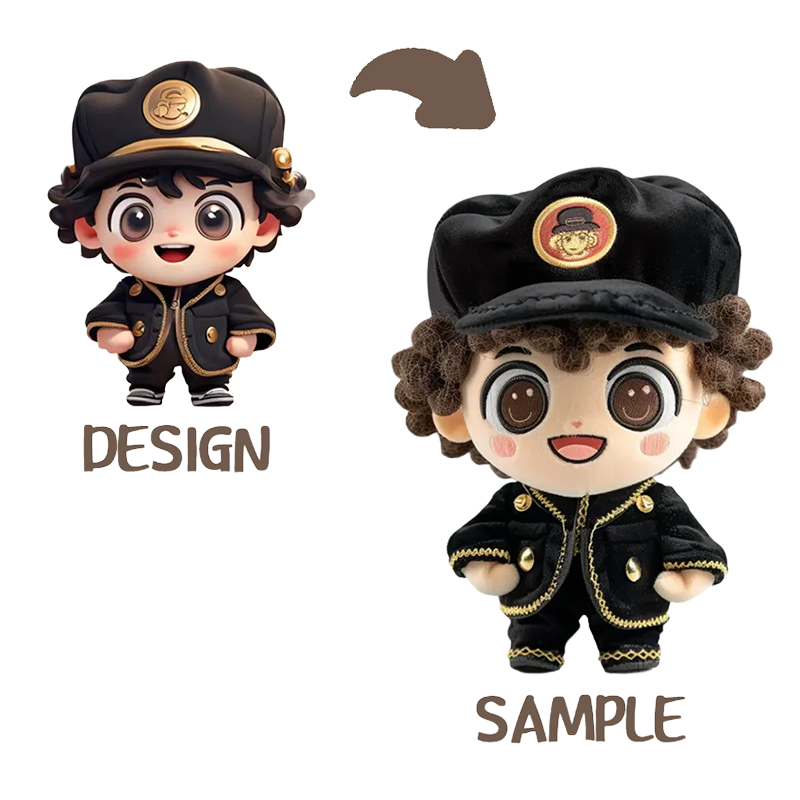
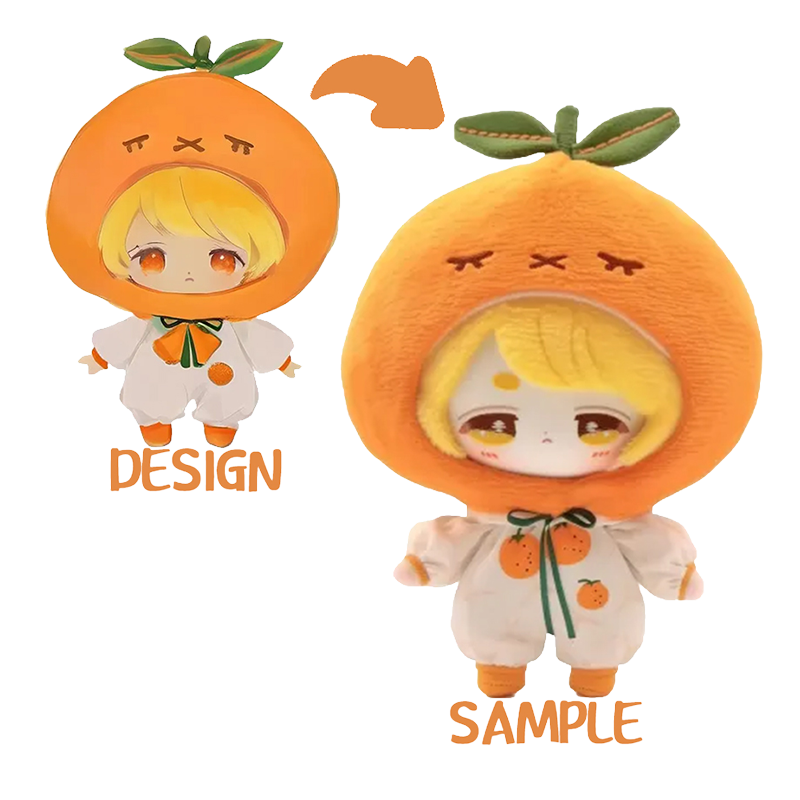
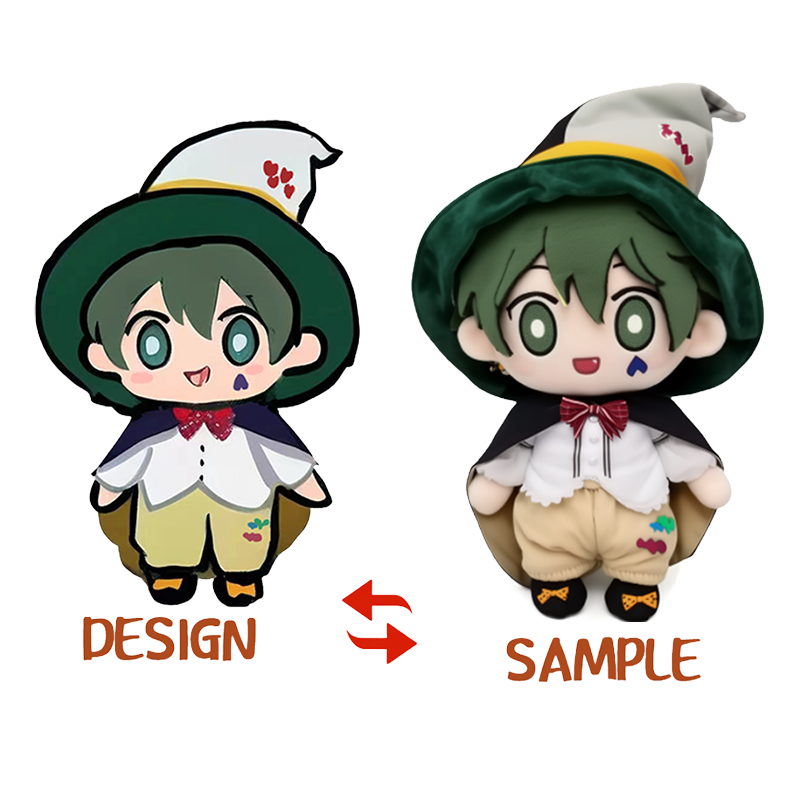
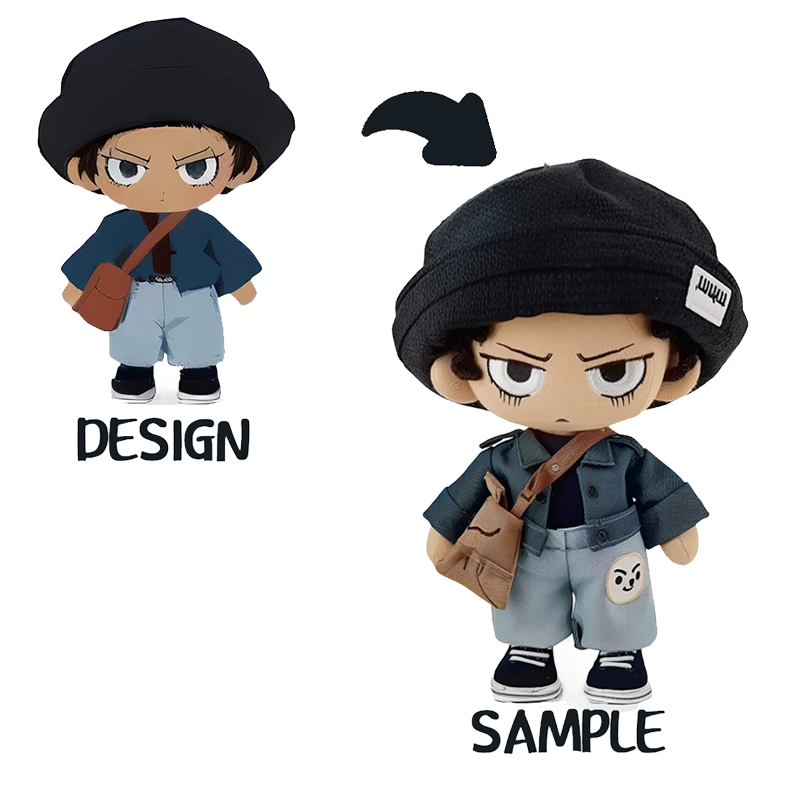
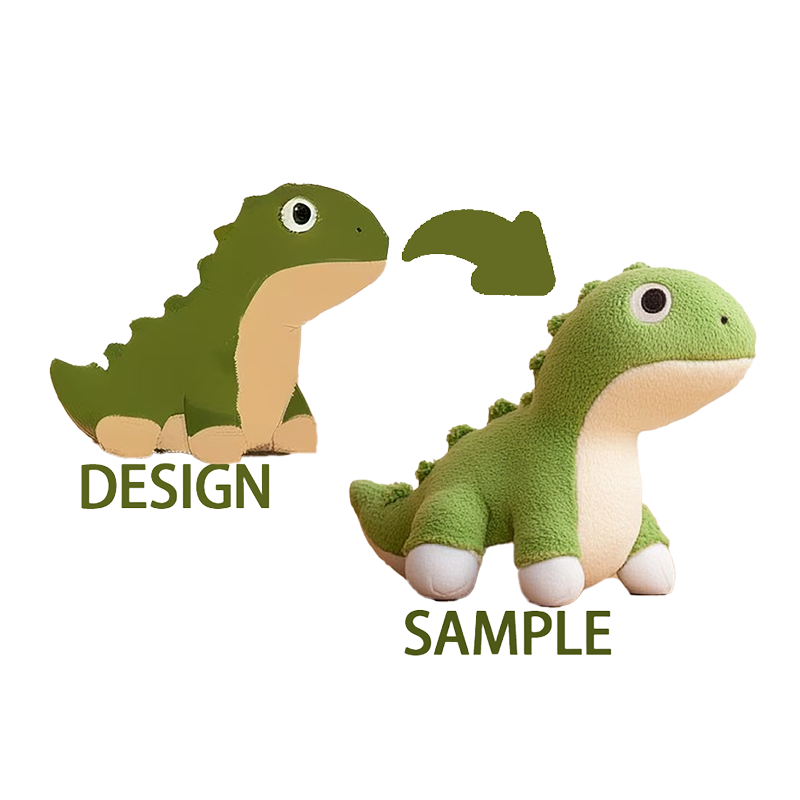
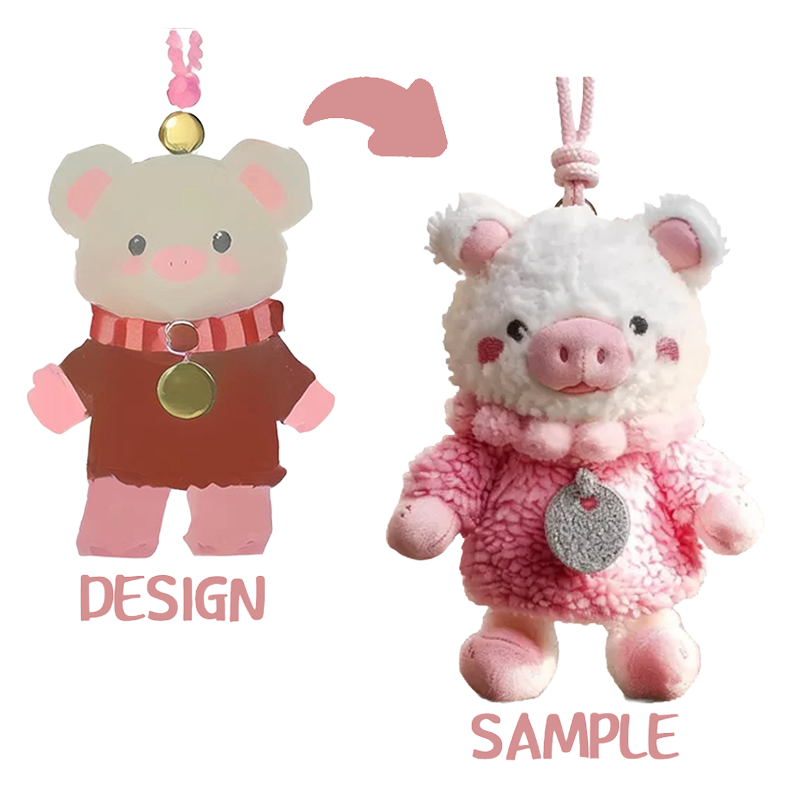
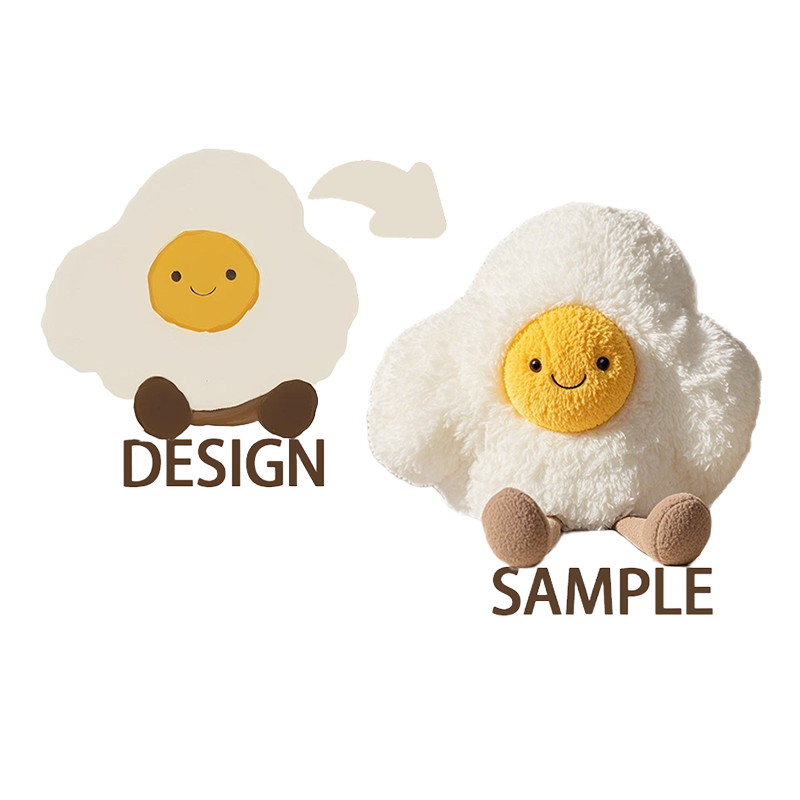
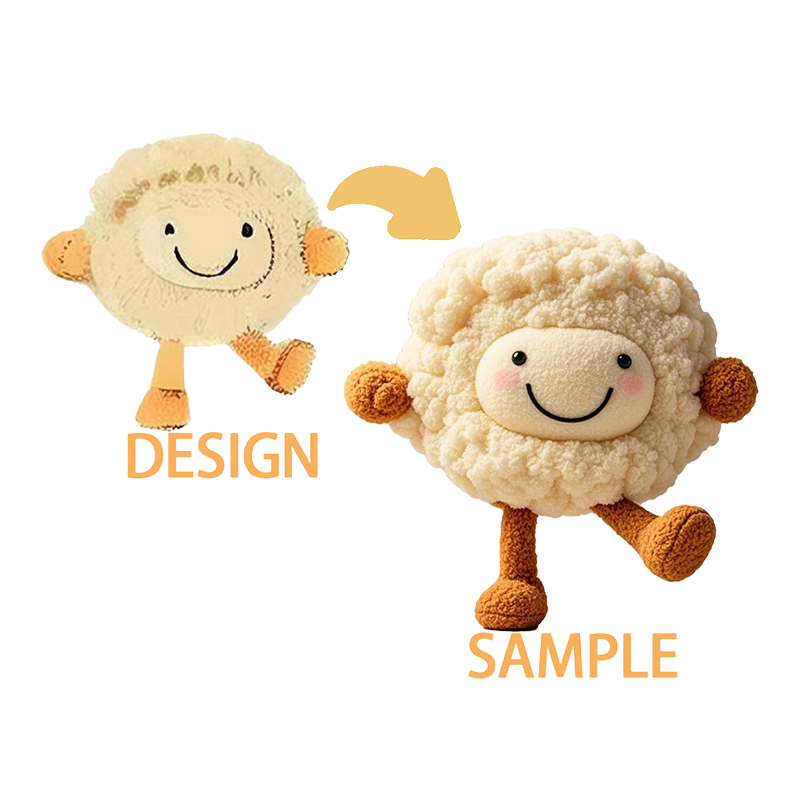
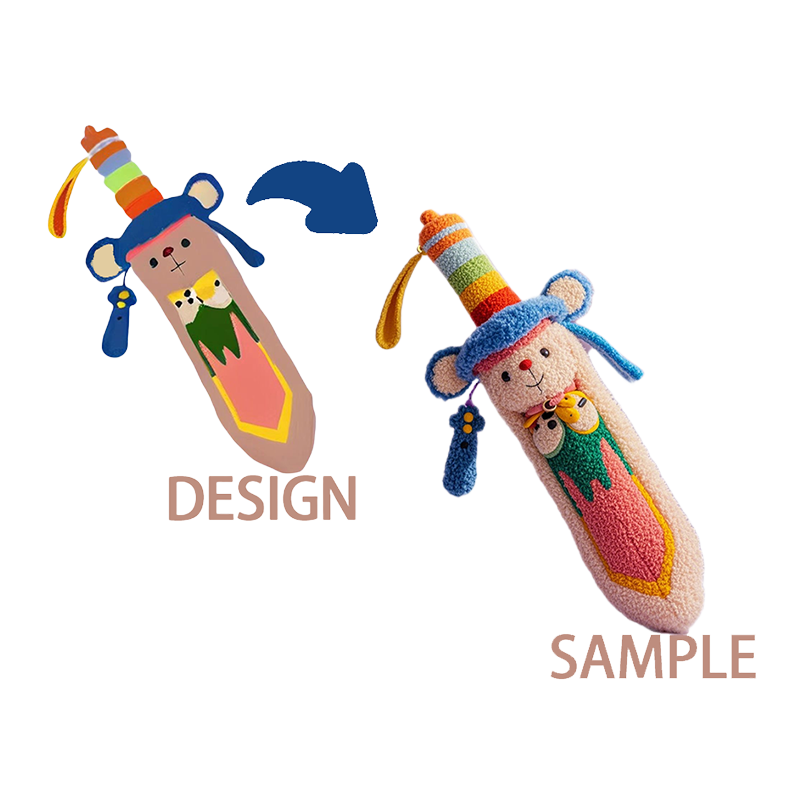
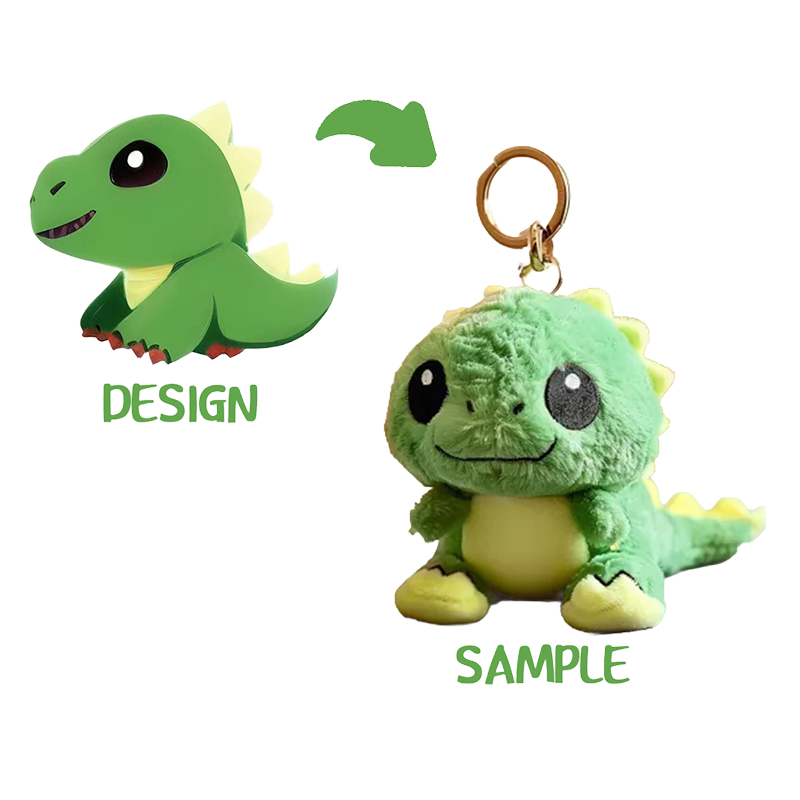
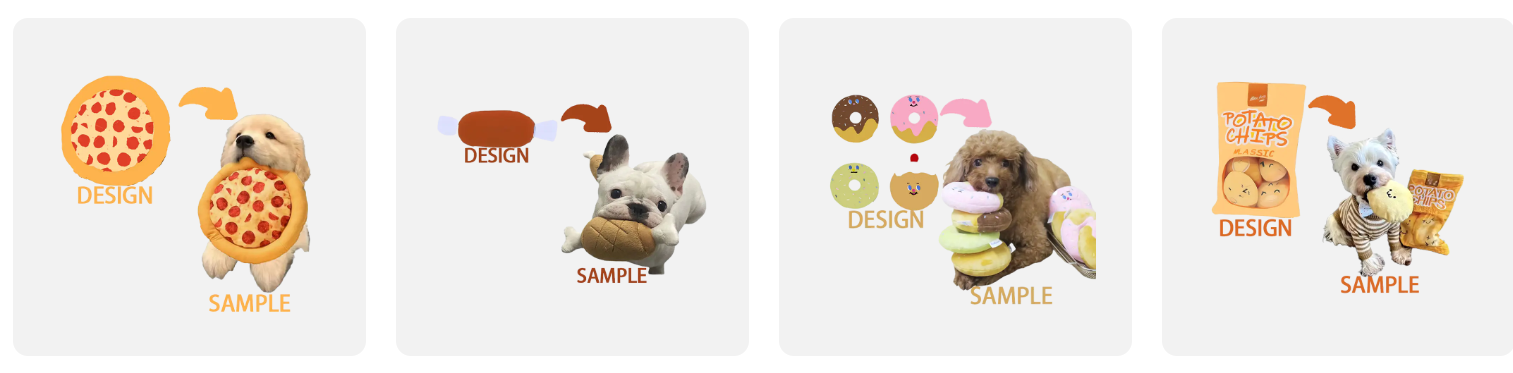
We specialize in the design and production of plush toys to provide customers with unique customized services