 English
 中文简体
中文简体Why do pets need chew toys? Understanding the importance of chewing
2025-12-17
In a pet's daily life, chewing is not only how they obtain food, but also an important activity for expressing emotions, exercising their teeth, and relieving stress. Whether it's dogs, cats, or other types of pets, chew toys play a crucial role in their lives. Pet chew toys not only meet their physiological needs but also help pets maintain their mental health.
1. Satisfying Pets' Natural Chewing Needs
All pets, especially canines, have a strong innate chewing instinct. The ancestors of canids needed to chew bones in the wild to obtain food, and this was also how they maintained healthy teeth and gums. Although modern pets have access to specialized food, their chewing instinct remains. Therefore, providing suitable chew toys is an important way to satisfy this natural need.
For dogs, chewing is not just about food; they use chewing to expend excess energy, relieve boredom, and maintain a happy mood. Without suitable objects to chew on, pets may turn to furniture, shoes, or even walls in the home, causing unnecessary damage. Therefore, providing appropriate pet chew toys is an effective way to avoid these problems.
2. Promoting Oral Health and Cleaning Teeth
Chewing is crucial for a pet's oral health. Just as humans brush their teeth to maintain oral hygiene, pets also need chewing activity to clean food residue and plaque from their teeth. Chewing stimulates saliva production, and the components in saliva help remove bacteria from the teeth, thus reducing the occurrence of oral problems.
Preventing tartar buildup: Pets that don't have their teeth cleaned regularly are prone to tartar buildup, leading to gingivitis, bad breath, and other problems. Through chew toys, especially those designed with specific teeth-cleaning functions, pets can effectively reduce tartar formation.
Reducing gum inflammation: Appropriate chewing can massage the gums, promote blood circulation, reduce gum inflammation, and prevent pain caused by dental problems.
There are many pet chew toys on the market specifically designed for cleaning teeth, such as toys made of rubber or hard materials. These toys can clean pets' teeth through friction, reducing the occurrence of oral diseases.

3. Relieving Pet Anxiety and Stress
Many pets, especially dogs, often experience anxiety, particularly when their owners are away or when faced with unfamiliar environments. Chewing toys can serve as a self-soothing mechanism, helping pets alleviate anxiety. Through chewing, pets can distract themselves and reduce discomfort caused by separation anxiety, environmental changes, or other psychological stressors.
Separation Anxiety: When owners are away, pets may feel lonely and uneasy, experiencing anxiety. Chewing toys can provide psychological comfort to pets, helping them cope with loneliness.
Stress Relief: When pets face external stressors (such as noise, traffic, or environmental changes), they often exhibit restlessness and aggression. Chewing can help pets release negative emotions and reduce mental stress.
Some pet chewing toys feature special designs, such as built-in food or flavors, allowing pets to gain extra satisfaction during chewing, which helps alleviate their tension.
4. Helping Pets Maintain a Healthy Weight
Through chewing toys, pets can expend excess energy without consuming extra calories. Especially for active dogs, chewing toys become an excellent tool for releasing energy. Unlike simple exercise, chewing is a relatively gentle activity that consumes a certain amount of energy without causing excessive fatigue.
Reducing Undesirable Behaviors: When pets cannot expend energy through chewing toys, they may resort to undesirable behaviors such as chewing on furniture or excessive barking. Providing suitable chewing toys can effectively reduce the occurrence of these behaviors.
Reducing the Risk of Weight Gain: Chewing toys help pets stay active, reducing the risk of weight gain. This is especially important for indoor pets who lack sufficient exercise; chewing becomes an effective alternative activity.
5. Improving Pet Intelligence and Social Skills
In addition to basic physiological needs, chewing toys can also promote the intellectual development of pets. Many modern pet chewing toys are designed with interactivity and intellectual challenges, such as hidden food designs or structures that require solving problems to obtain rewards. These toys not only satisfy the pet's chewing needs but also stimulate their thinking abilities through challenging tasks.
Improving Problem-Solving Skills: Some high-end pet chewing toys require pets to solve puzzles in specific ways to obtain rewards. This interactive training helps pets improve their intelligence and exercise their logical thinking skills. Enhancing Social Interaction: For multi-pet households, using chew toys can also promote social interaction among pets. When pets share or compete for a toy, this interaction can deepen their relationship.

6. How to Choose the Right Pet Chew Toy?
When choosing a suitable chew toy, you need to consider your pet's size, chewing habits, and health condition. Here are some purchasing suggestions:
Material Selection: Choose a material suitable for your pet. For example, for pets with sensitive teeth, you can choose soft rubber materials; for pets with strong biting power, you can choose more durable nylon or high-strength rubber toys.
Size and Hardness: Ensure the toy's size is appropriate for your pet's mouth size, avoiding toys that are too small or too hard, which could cause discomfort or damage to their teeth.
Functionality: Choose chew toys with multiple functions, such as teeth cleaning or those that can hold treats, to provide your pet with more entertainment and satisfaction.
Pet chew toys are not only entertainment tools for pets but also an important safeguard for their health. By satisfying pets' chewing needs, they can effectively promote oral health, relieve anxiety, expend excess energy, enhance intelligence, and even improve pets' social skills. Therefore, choosing the right chew toy can not only make your pet healthier and happier but also help owners solve a series of behavioral problems and improve the quality of interaction with their pets.
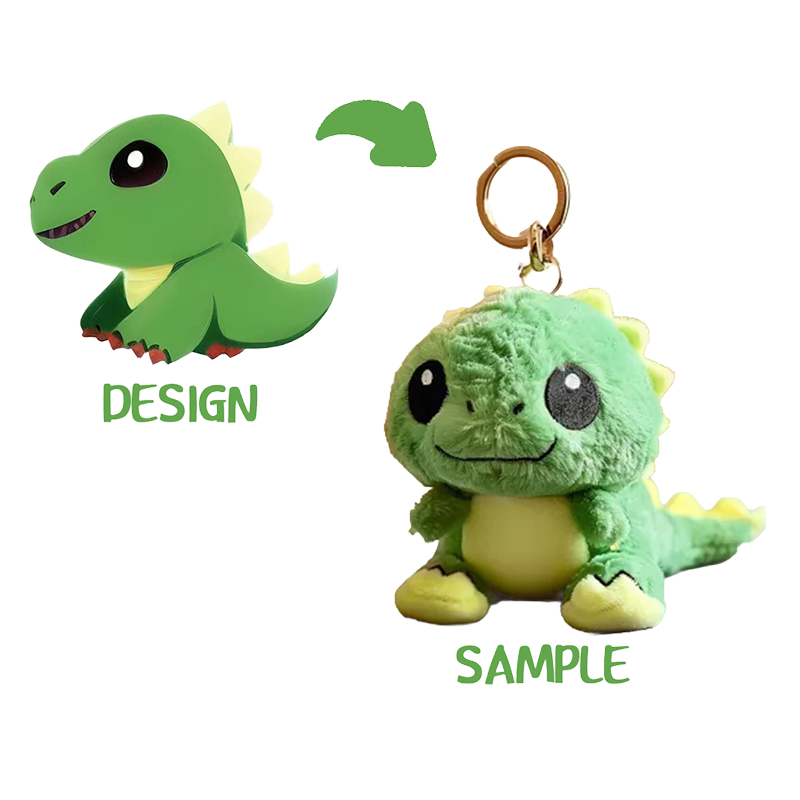
We specialize in the design and production of plush toys to provide customers with unique customized services