 English
 中文简体
中文简体How to make plush toys?
2026-07-16
Core Insight
Making plush toys is a multi-step process that combines creative design, pattern engineering, precision cutting and sewing, and quality control. Whether you want to make your own stuffed animals as a hobby or manufacture stuffed animal toys at scale, the core principles remain the same: a great design, high-quality materials, and meticulous craftsmanship.
The global plush toy market was valued at USD 8.2 billion in 2025 and is projected to reach USD 11.5 billion by 2032, with a CAGR of 5.1%. This growth is fueled by the rising demand for custom plush toys, character-based merchandise, and sustainable, eco-friendly materials.
This comprehensive guide takes you through the entire journey of how to make a plush toy — from initial concept and plush doll diy techniques to mass production and quality assurance. Whether you are an aspiring designer, a small business owner, or simply curious about the craft, you will gain actionable insights and industry-backed data to bring your cuddly creations to life.
Content
- 1 The Modern Plush Toy Manufacturing Landscape
- 2 Step 1 – Conceptualization and Design
- 3 Step 2 – Pattern Making and Prototyping
- 4 Step 3 – Material Selection: The Fabric of Your Plush Toy
- 5 Step 4 – Cutting the Fabric
- 6 Step 5 – Sewing and Assembly
- 7 Step 6 – Stuffing and Shaping
- 8 Step 7 – Finishing and Quality Control
- 9 Customization and OEM Services: Turning Ideas into Reality
- 10 Cost and Time Factors in Plush Toy Production
- 11 Safety and Regulatory Standards for Plush Toys
- 12 Comparison Table: DIY vs. Custom Manufacturing vs. Mass Production
- 13 Frequently Asked Questions
The Modern Plush Toy Manufacturing Landscape
The process of making plush toys has evolved significantly over the past decade. While traditional homemade plush toys relied on hand-sewing and basic patterns, modern manufacturing integrates computer-aided design (CAD), digital pattern making, automated cutting machines, and high-speed industrial sewing to produce millions of stuffed animal toys each year.
However, the fundamental steps — design, pattern creation, material selection, cutting, sewing, stuffing, and finishing — remain the backbone of the process. Understanding each step in detail is essential for anyone looking to design your own plushie or start a plush toy business.
Market Insight: According to a 2025 industry report, 68% of plush toy consumers prefer products that have a unique or custom design, driving the demand for custom stuffed animal services and make your own stuffie kits.
For manufacturers like Kusibei, the ability to offer end-to-end customization — from initial sketches to final packaging — has become a key competitive advantage.
Step 1 – Conceptualization and Design
Every great plush toy starts with an idea. The design phase is where creativity meets practicality. Professional designers typically begin with hand-drawn sketches or digital illustrations using tools like Adobe Illustrator or specialized plush design software.
Key Design Considerations
- Target Audience: Is the stuffed animal toy for children, collectors, or promotional use? Age and usage determine safety requirements and material choices.
- Character and Expression: The personality of the plush doll is conveyed through its facial features, pose, and accessories.
- Proportions: Cute, huggable proportions (large head, small limbs) are popular for cute plush designs.
- Functionality: Will the plush toy be a simple soft toy, or will it include sound, movement, or interactive features?
For those looking to make your own stuffed animals at home, starting with a simple character — like a duck plush or an otter stuffed animal — is a great way to learn the basics.
Design Tip: A 2025 survey of plush toy designers found that 85% of successful plush toys started with at least three rounds of concept sketches before moving to the pattern-making stage.
Step 2 – Pattern Making and Prototyping
Once the design is finalized, the next step is to create a pattern — a 2D template that will be used to cut the fabric pieces that, when sewn together, form the 3D plush toy. Pattern making is both an art and a science: it requires an understanding of how 2D shapes translate into 3D forms.
Traditionally, patterns were drafted by hand on paper. Today, most professional plush toy manufacturers use CAD pattern-making software that allows for precise adjustments and easy scaling. For plush doll diy enthusiasts, printable PDF patterns are widely available online.
Prototyping: The First Physical Sample
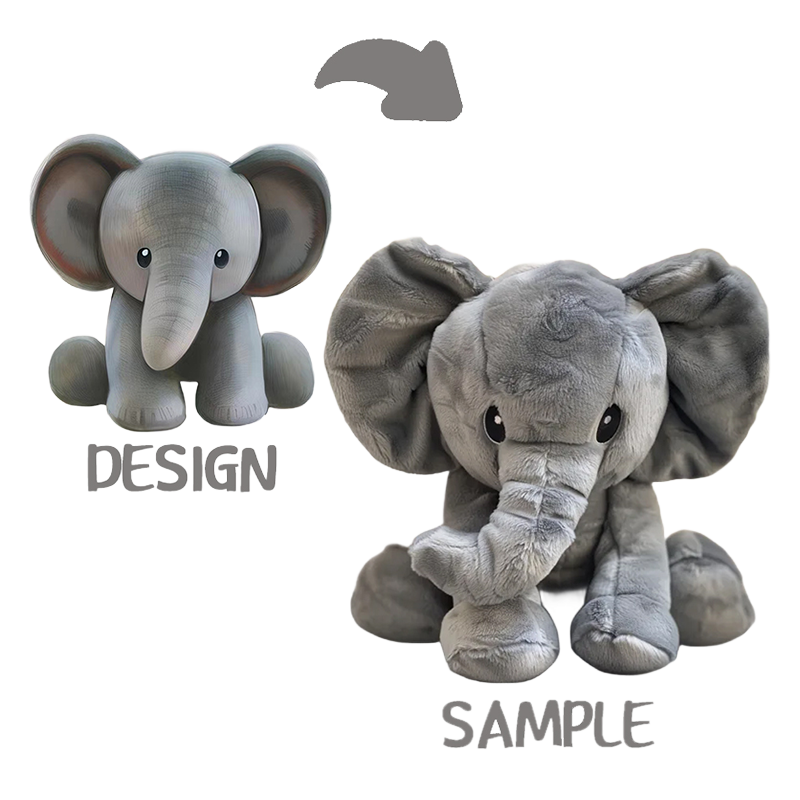
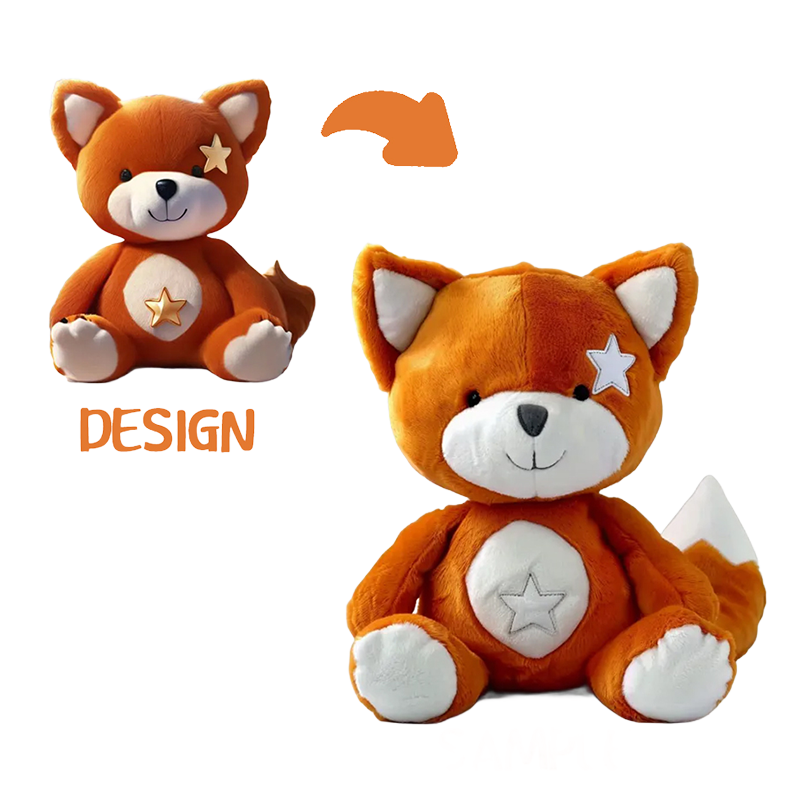
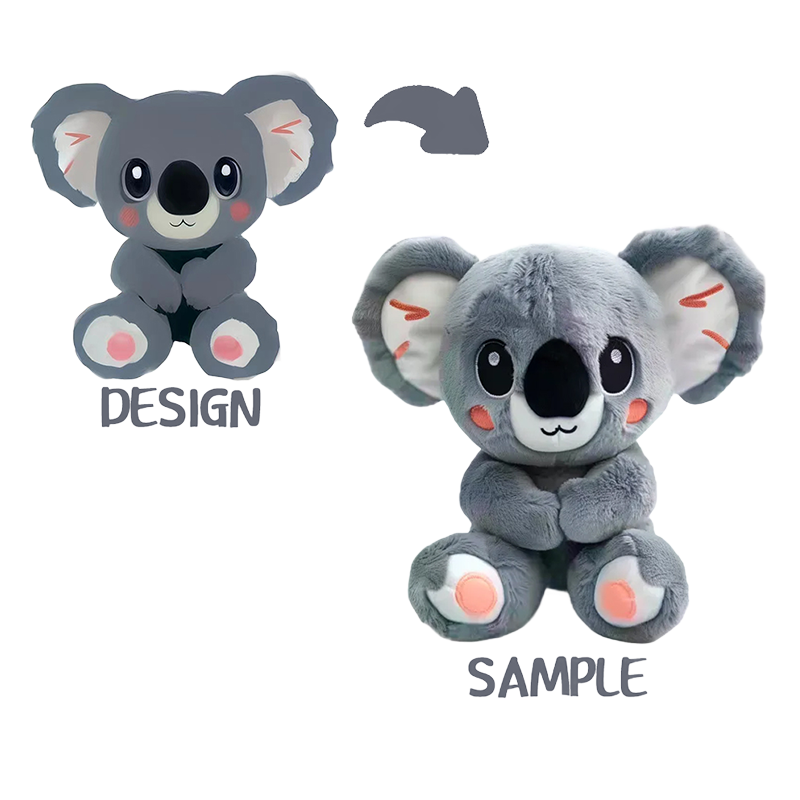
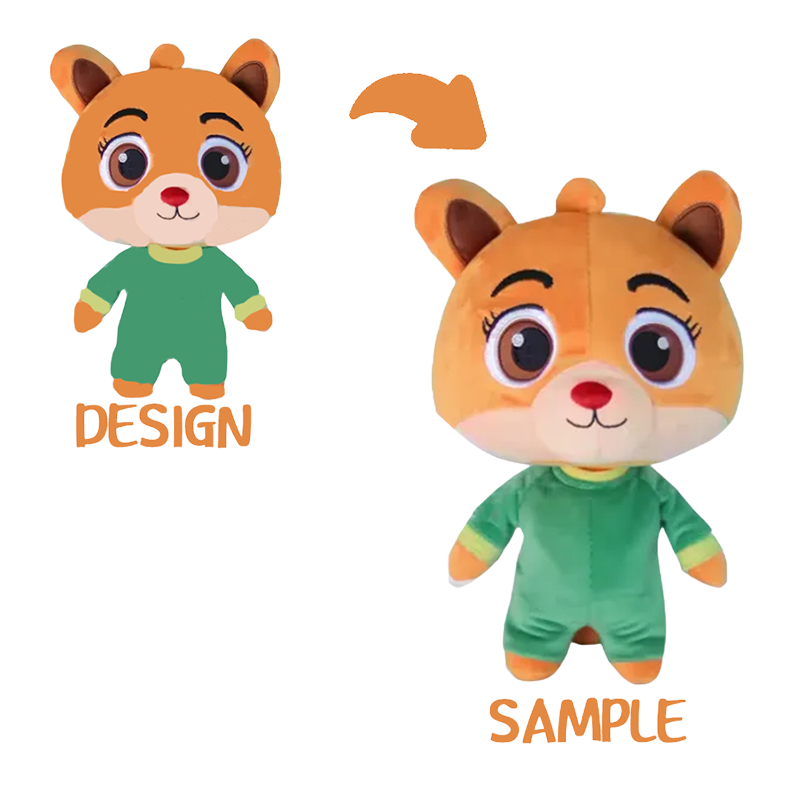
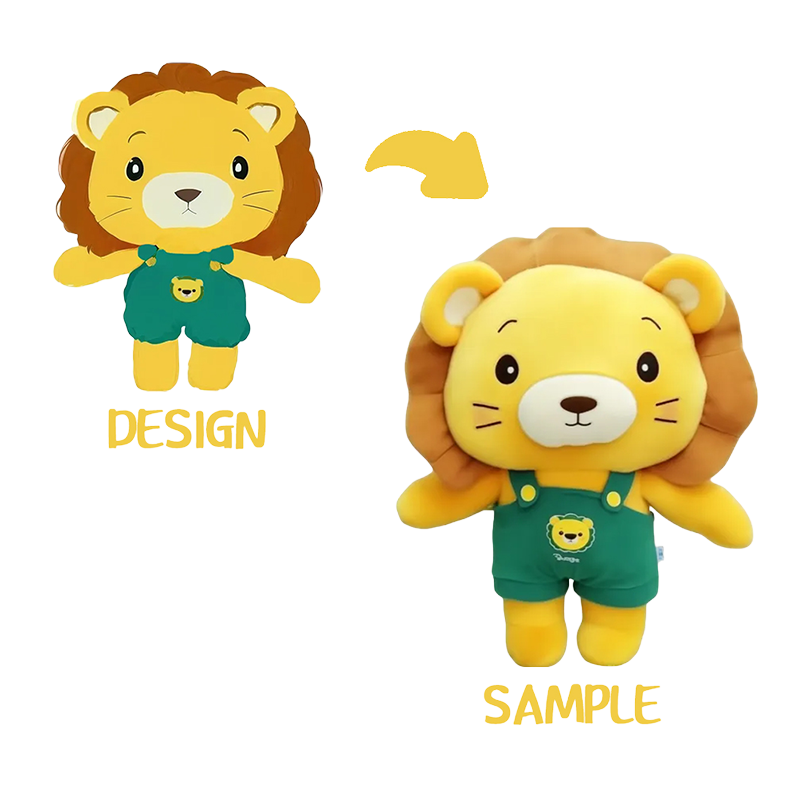
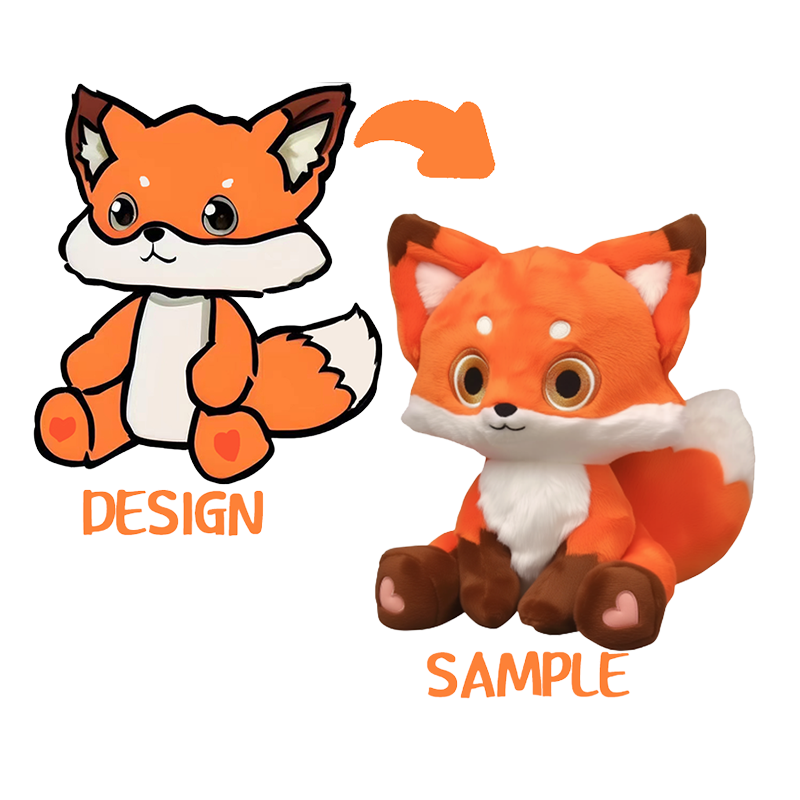
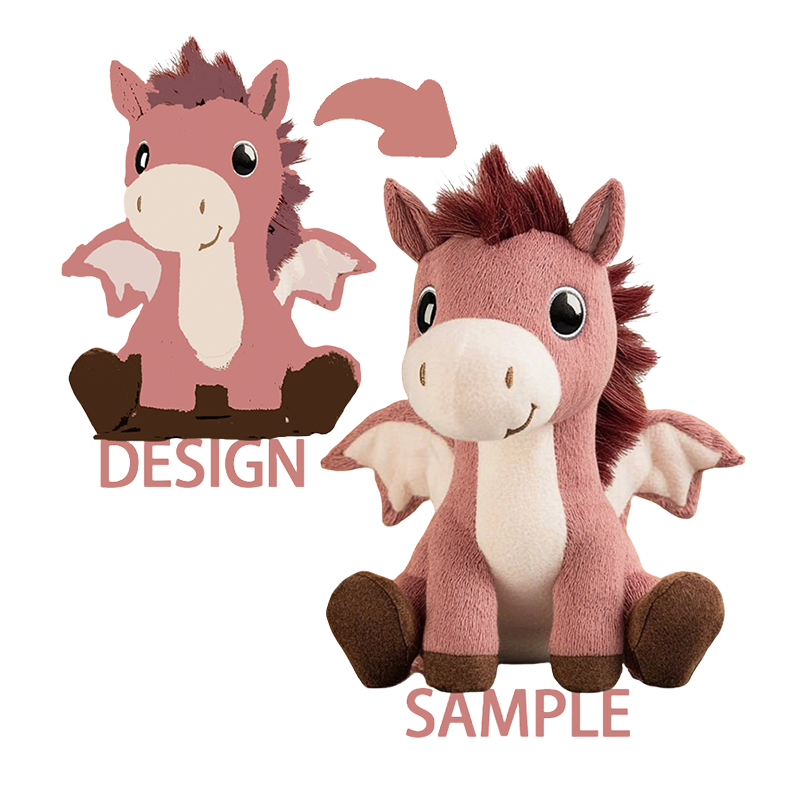
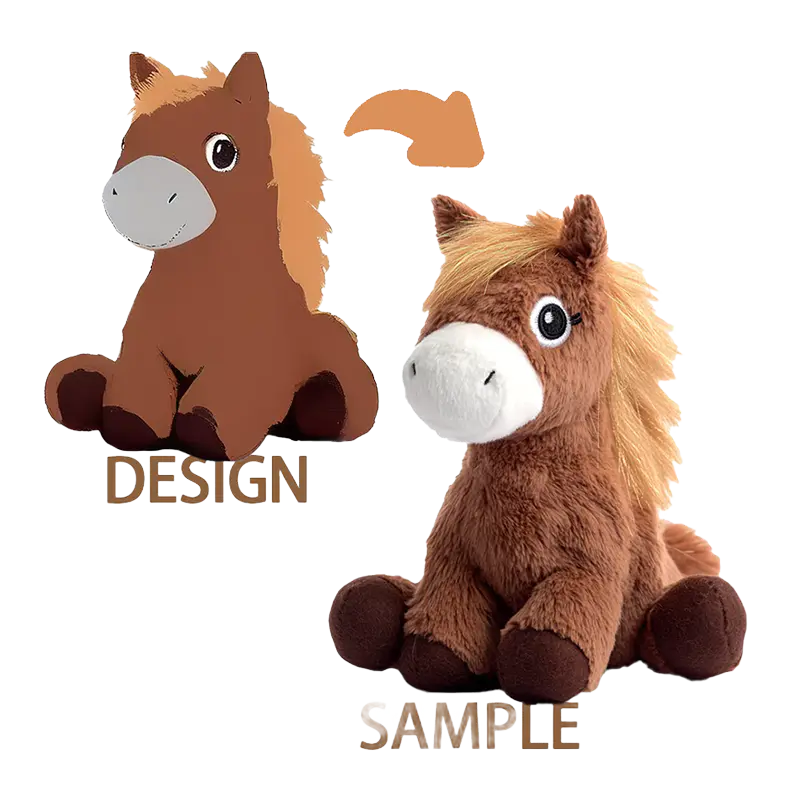
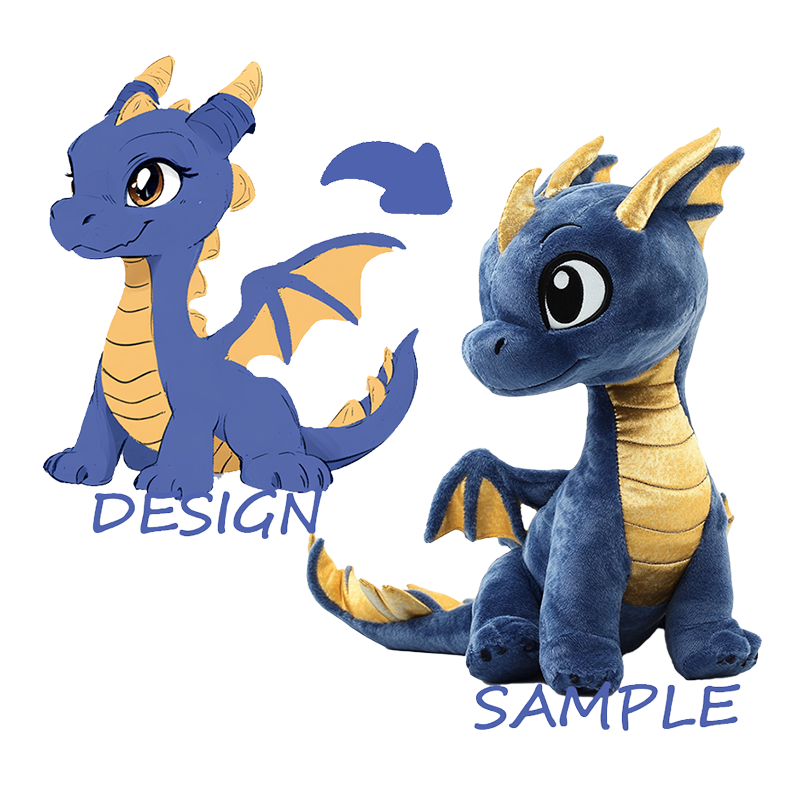
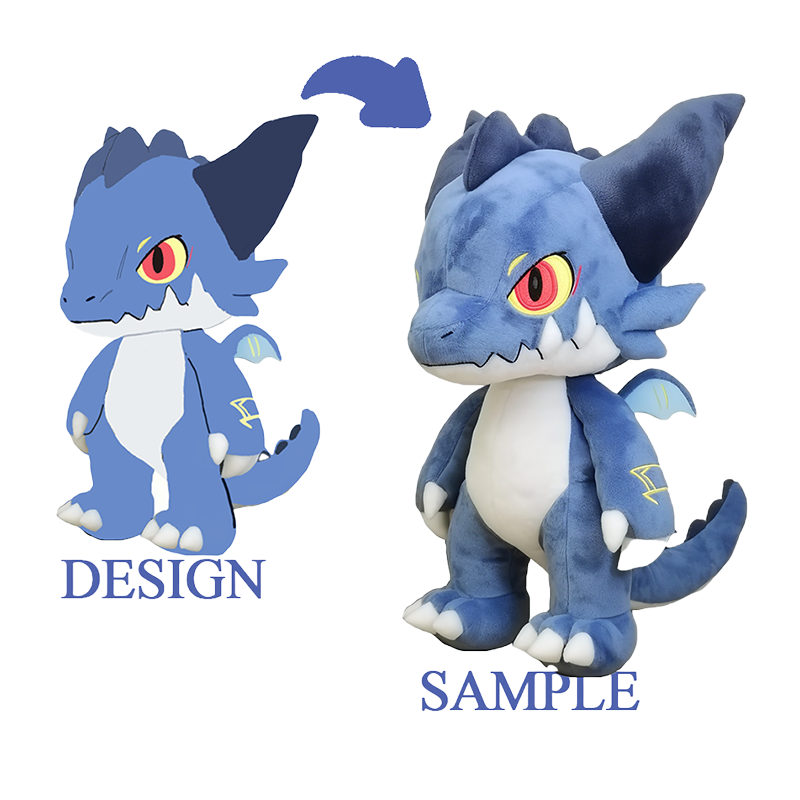
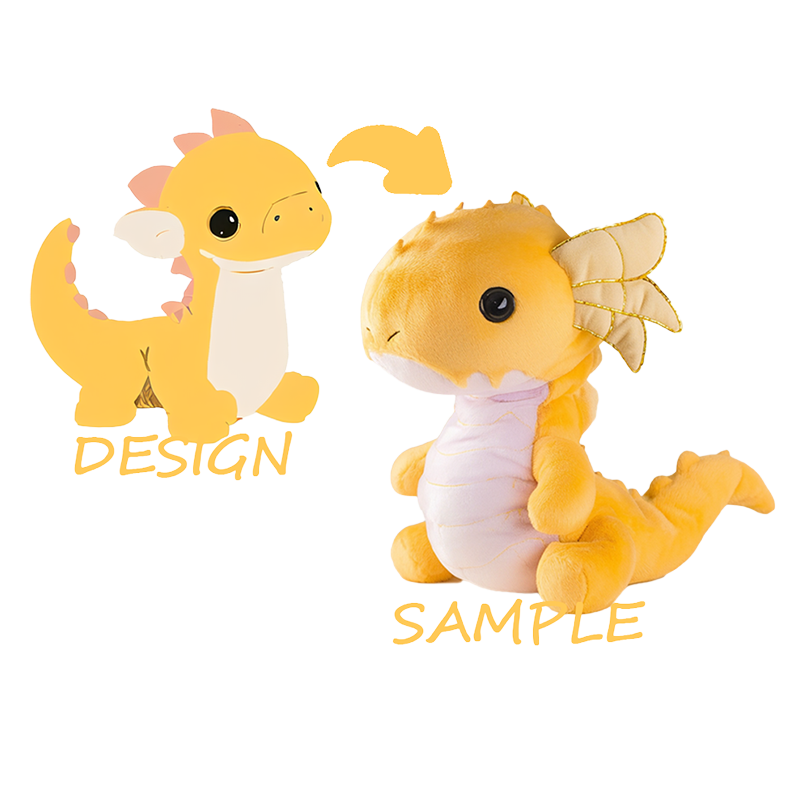
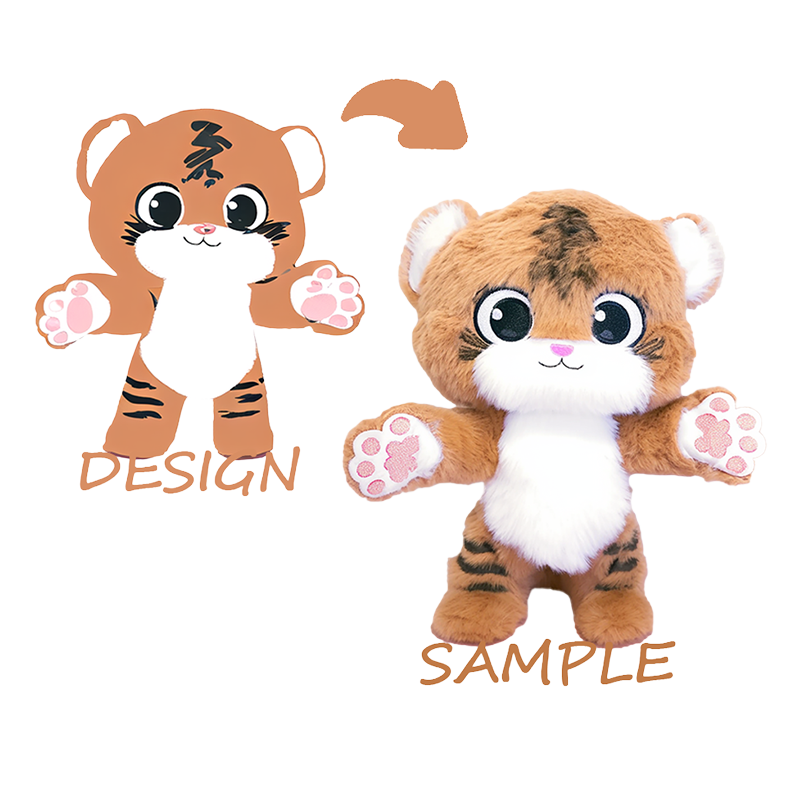
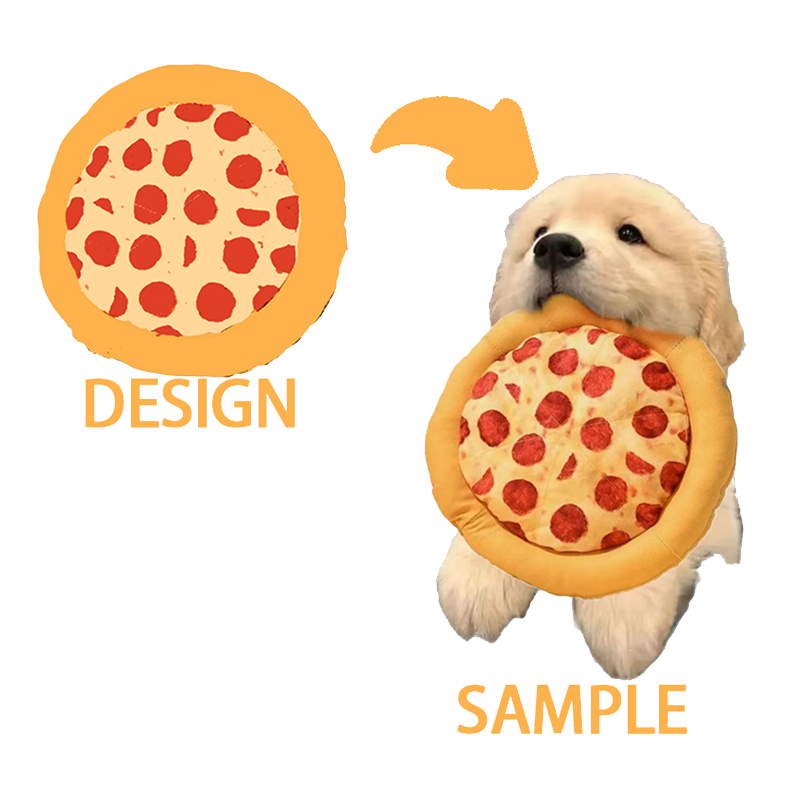
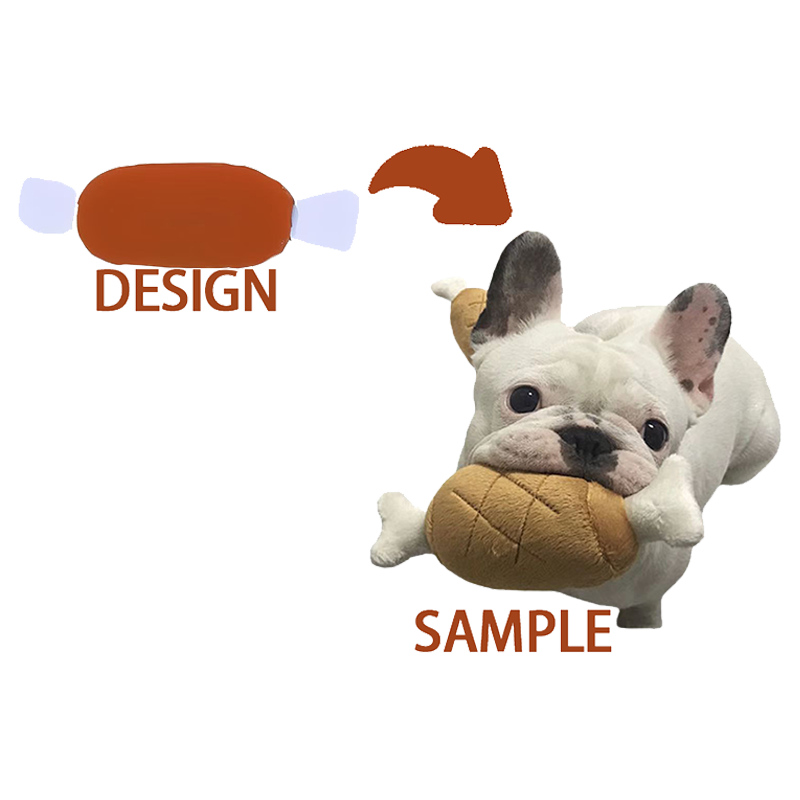
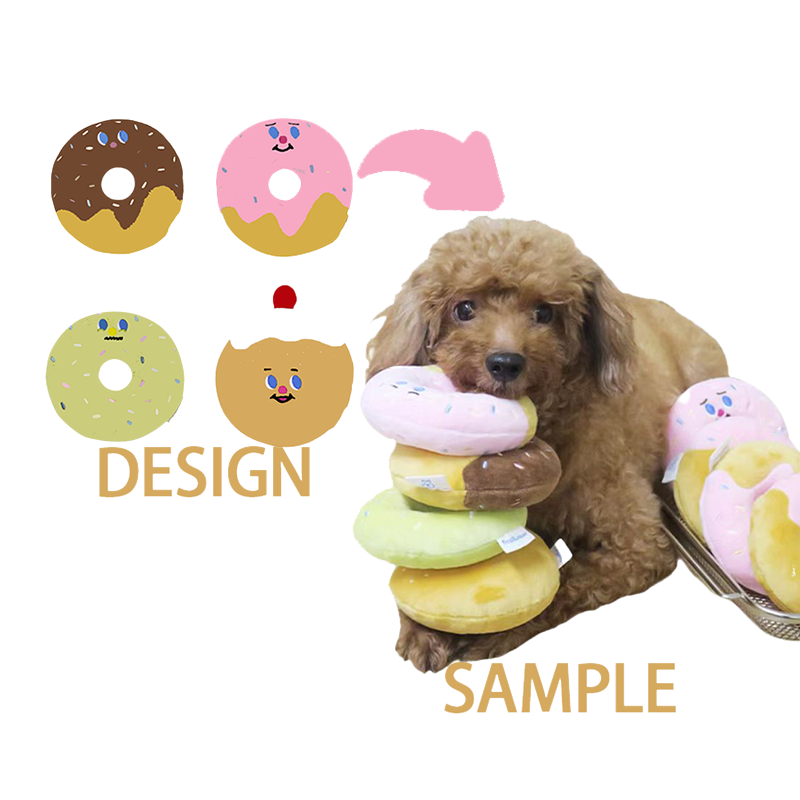
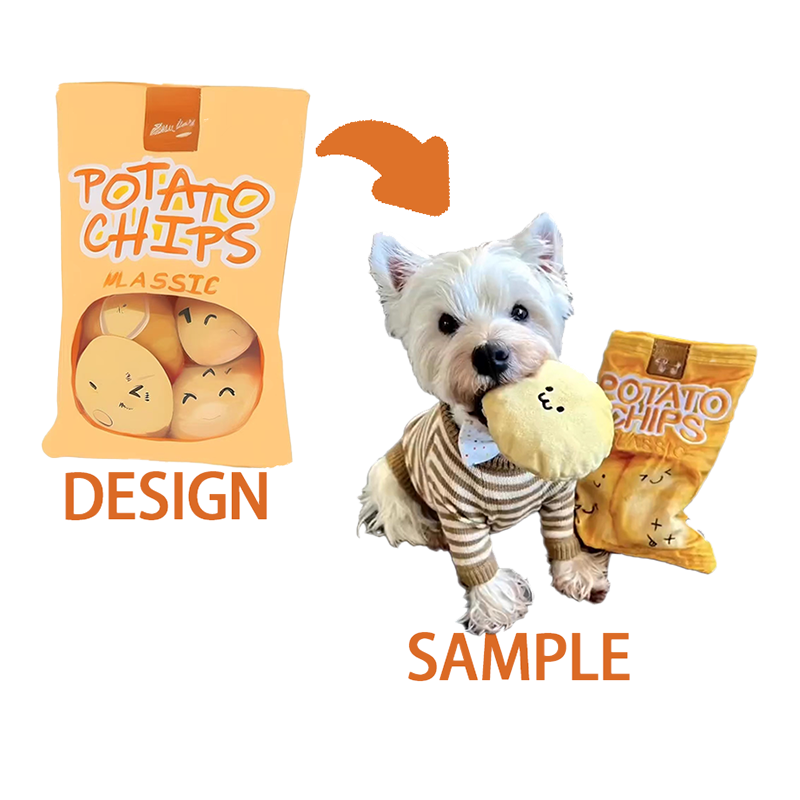
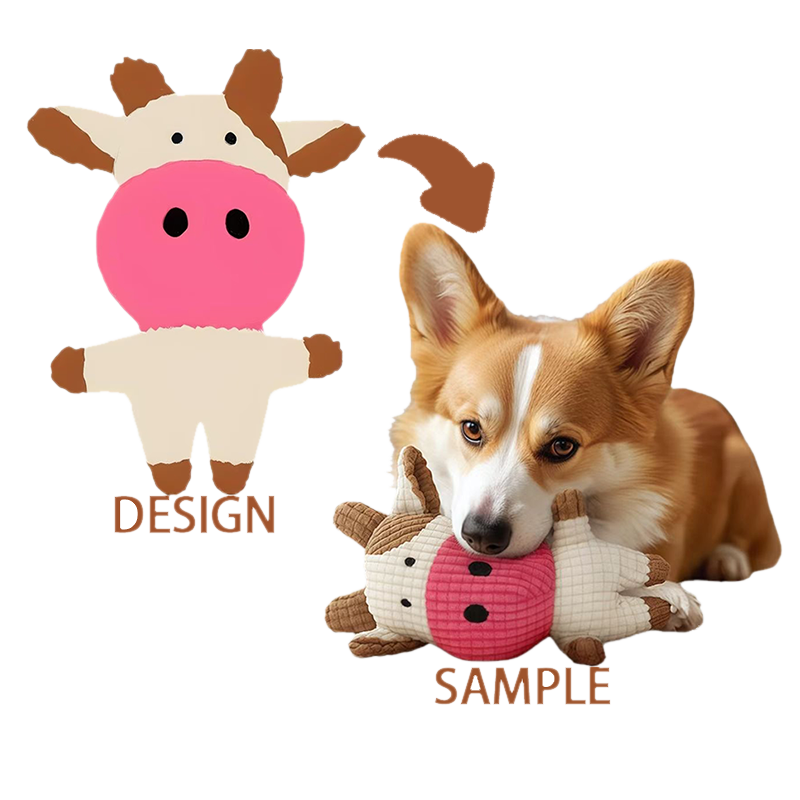
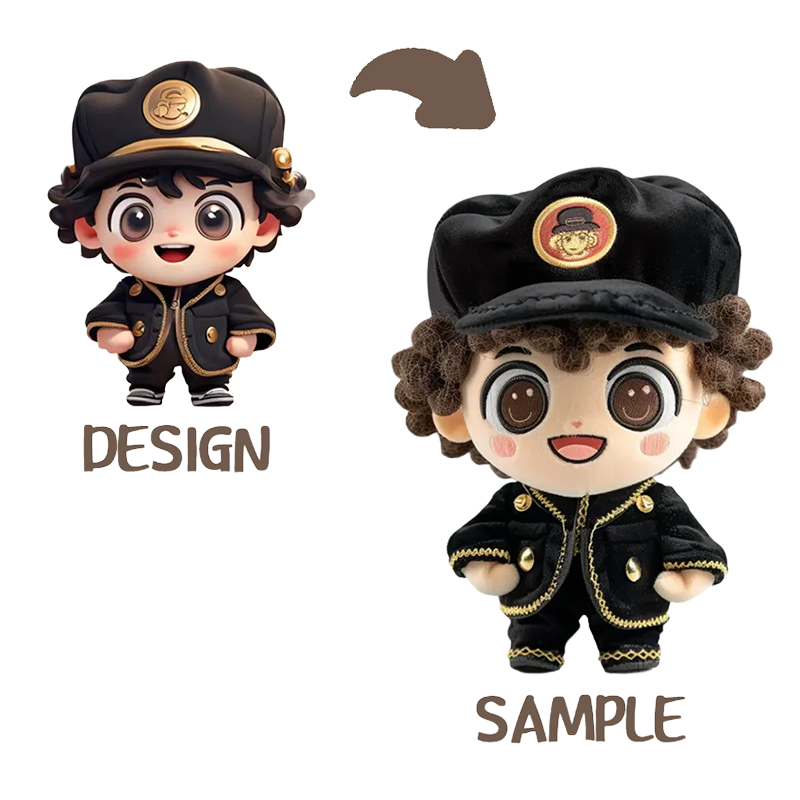
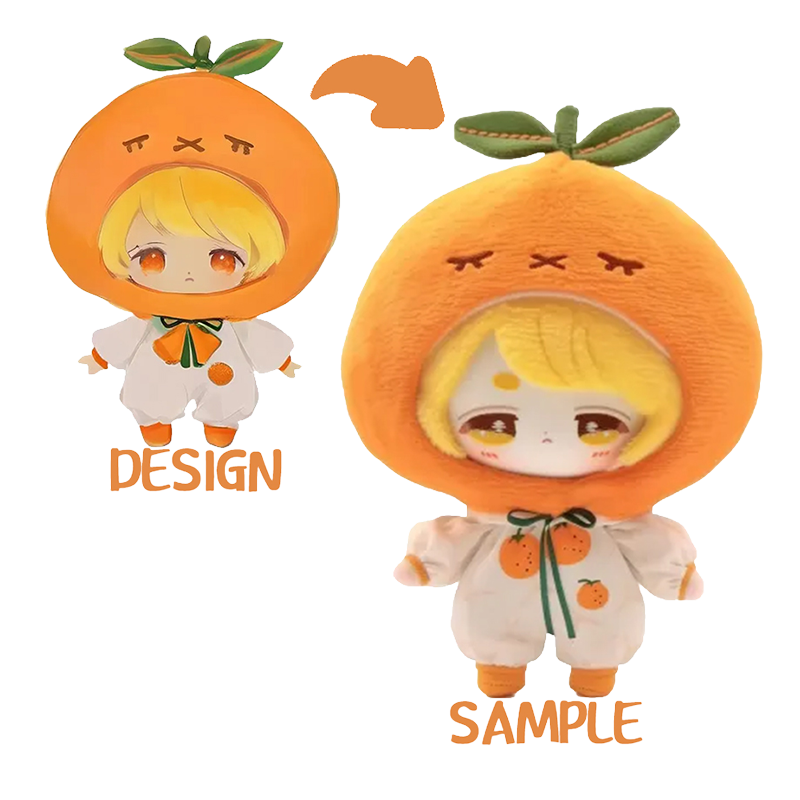
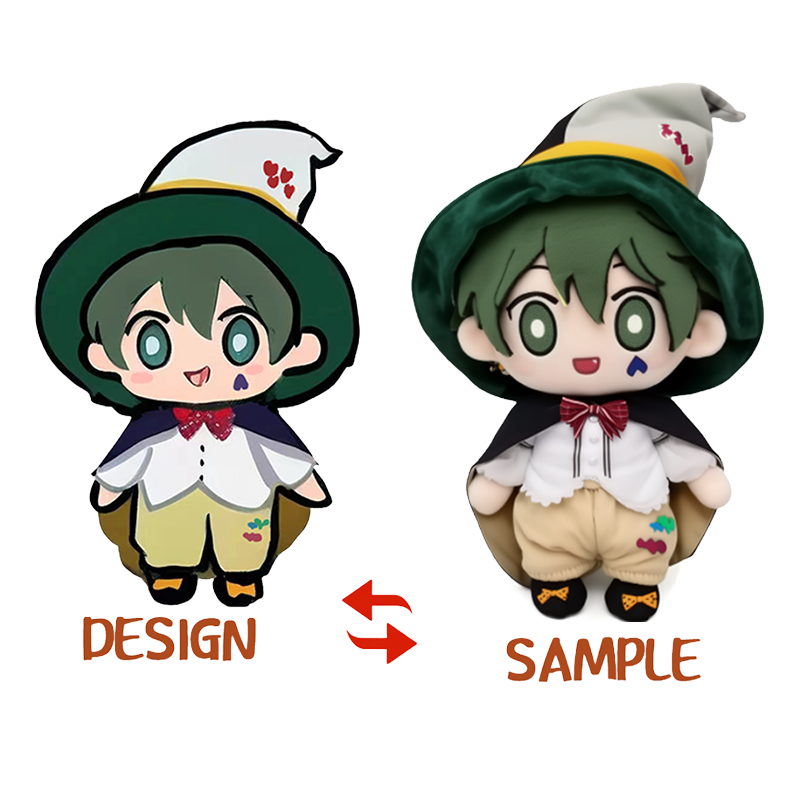
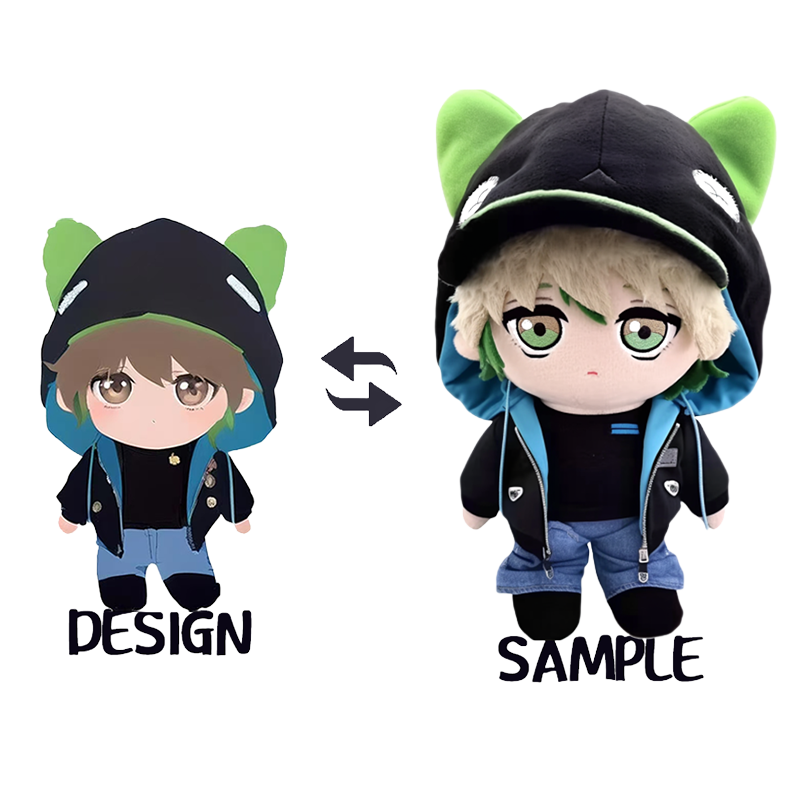
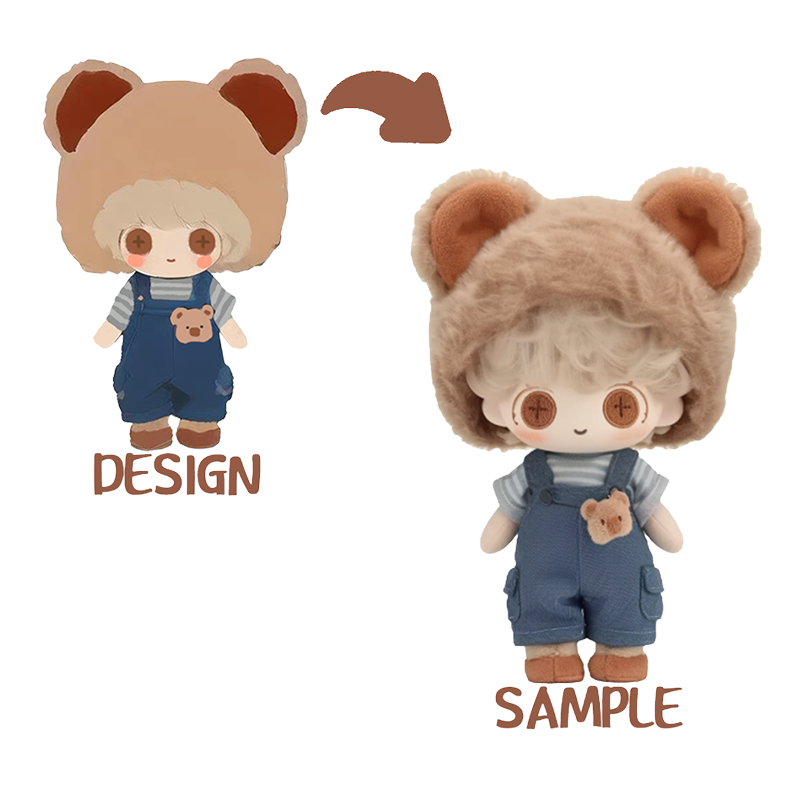
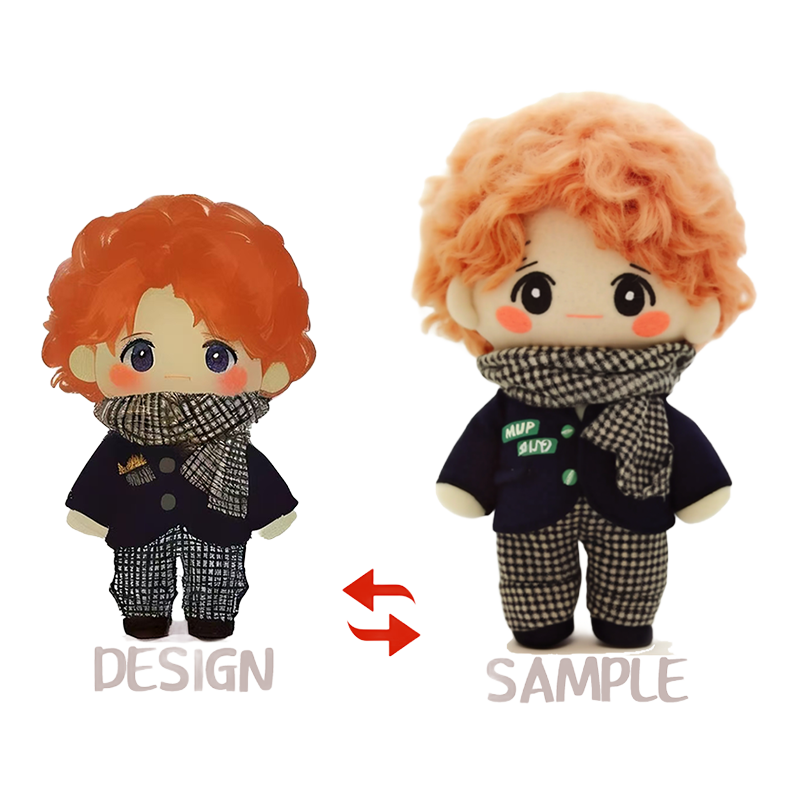
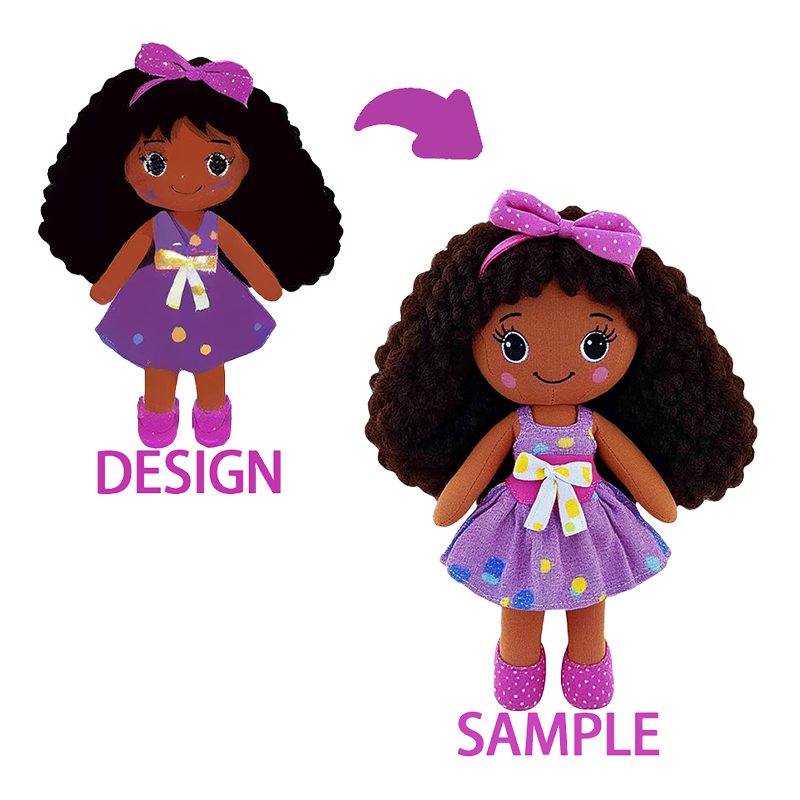
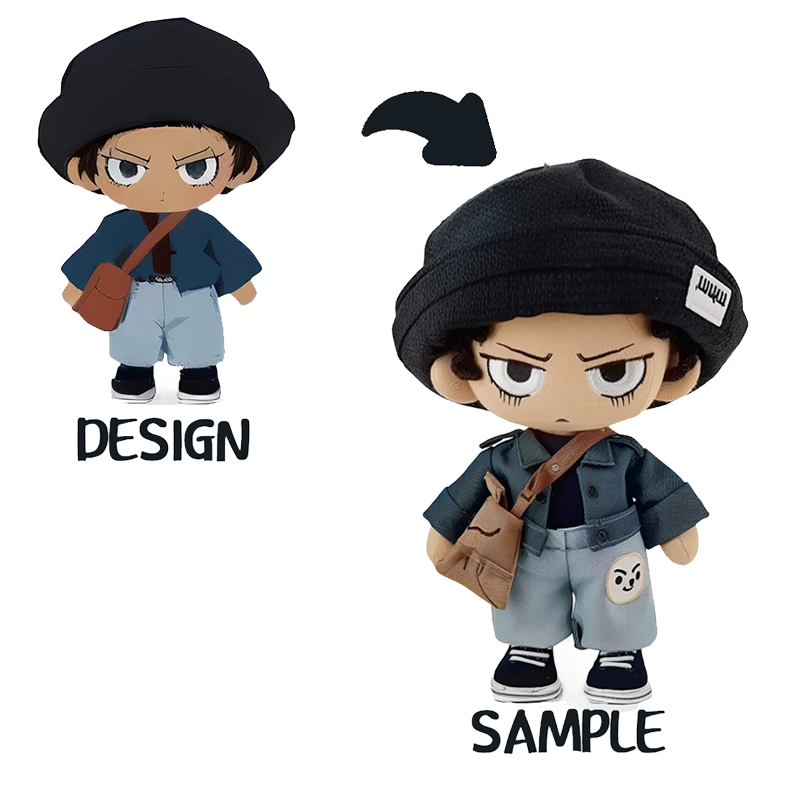
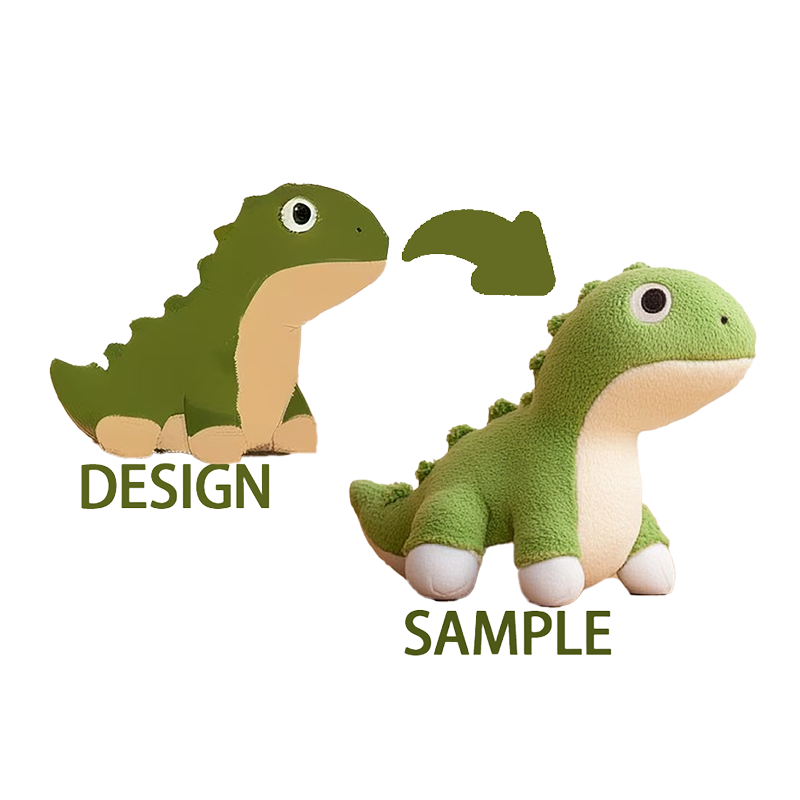
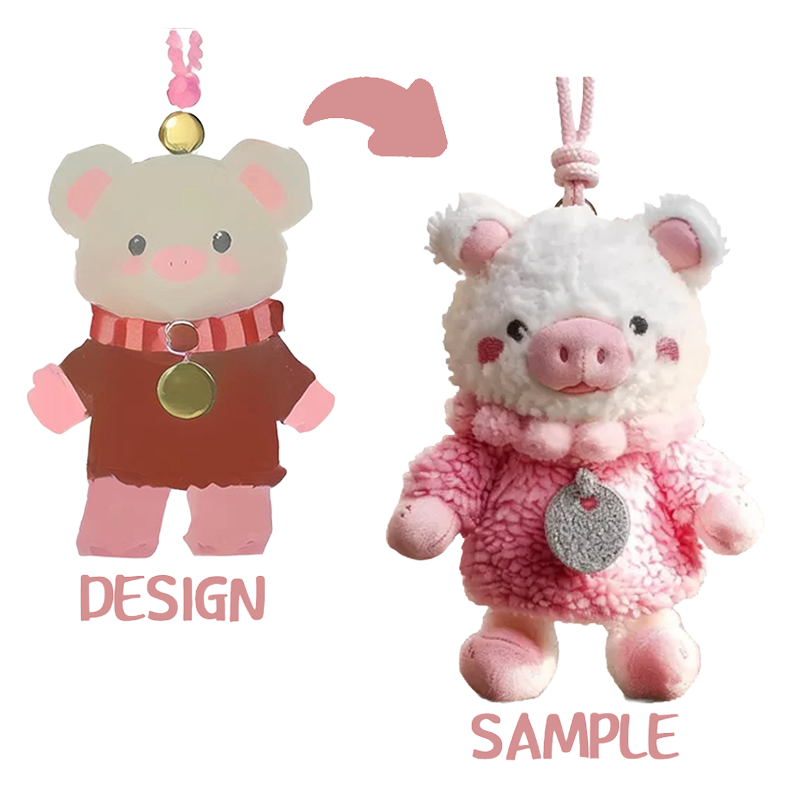
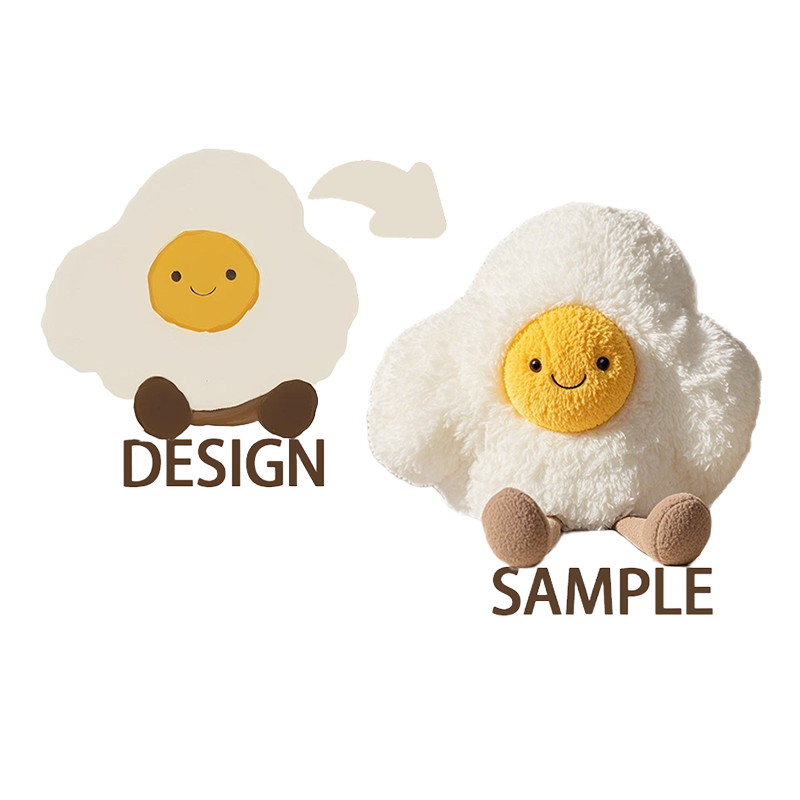
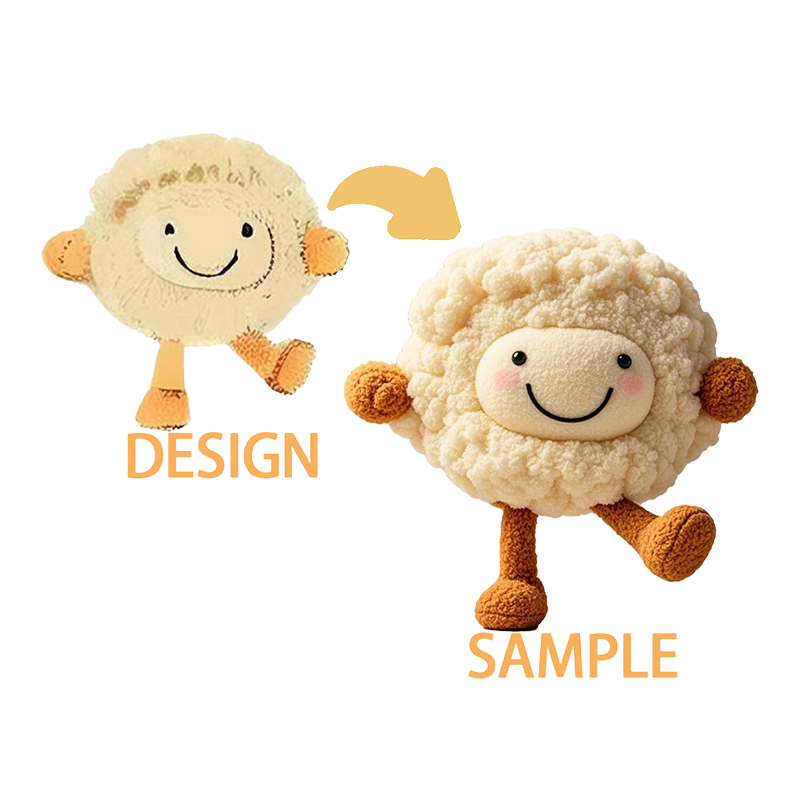
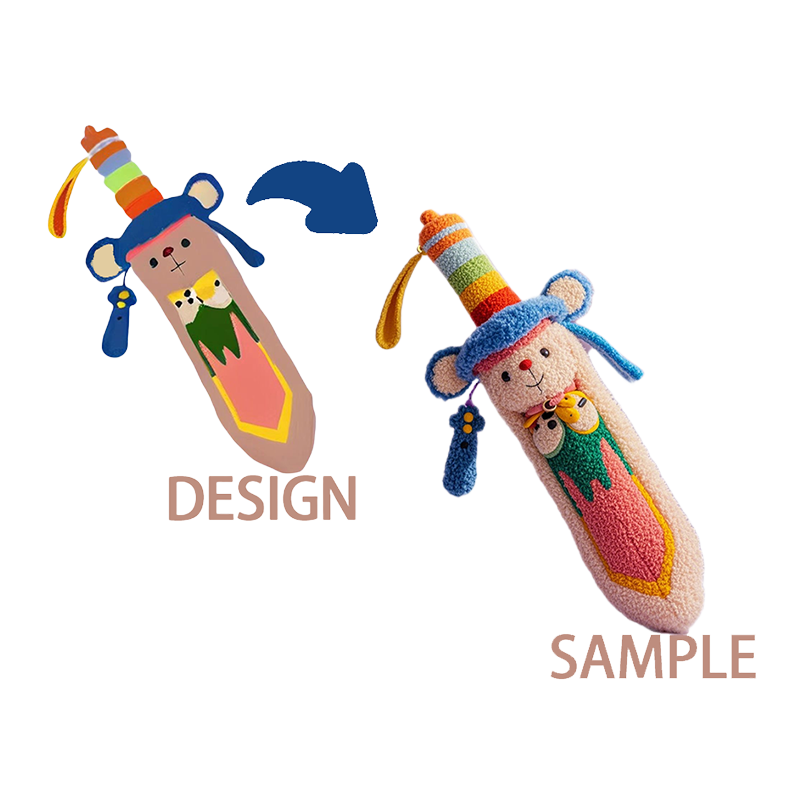
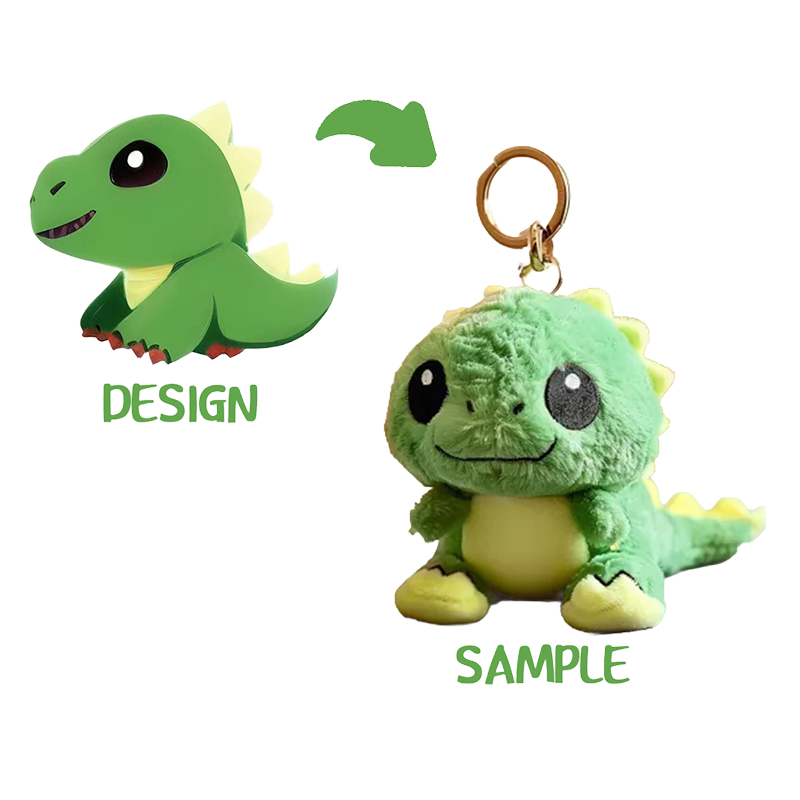
Before committing to mass production, a prototype (or "sample") is created. This sample is made from inexpensive materials to test the pattern's accuracy, the toy's proportions, and the overall look. The sample is then evaluated and refined — often through several iterations — before the final design is approved.
For custom orders, reputable plush toy manufacturers like Kusibei offer free sample modifications (typically up to two rounds) to ensure the final product matches the client's vision perfectly.
Step 3 – Material Selection: The Fabric of Your Plush Toy
The materials used in plush toys directly affect their look, feel, durability, and safety. The most common materials include:
- Plush Fabric (Minky, Velvet, Fleece): The "fur" of the toy. Minky is soft, short-pile, and popular for premium toys. Velvet and fleece are also widely used.
- Filling (Polyester Fiberfill, Pellets): Polyester fiberfill is the most common filling, offering a soft, lightweight feel. Plastic pellets are sometimes added to the base of the toy to give it weight and stability.
- Eyes and Noses (Safety Eyes, Embroidery): For children's toys, embroidered features are safest to avoid choking hazards. For collectibles, safety eyes (plastic or glass) are commonly used.
- Thread and Sewing Materials: High-strength polyester thread is standard. Some manufacturers use nylon thread for added durability.
- Labels and Tags: Care instructions, brand labels, and safety information are typically sewn into the seam.
Sustainability Trend: The market for eco-friendly plush toys is growing at a CAGR of 7.2%. Materials like recycled PET fiberfill and organic cotton fabrics are gaining popularity among environmentally conscious consumers.
Step 4 – Cutting the Fabric
With the pattern finalized and materials selected, the next step is cutting the fabric pieces. In mass production, computer-controlled cutting machines (CNC cutters or laser cutters) are used for speed and precision. For homemade plush toys, the pieces are cut by hand using sharp scissors or a rotary cutter.
Efficiency Tip: In professional manufacturing, multiple pattern pieces are often nested closely together on the fabric to minimize waste. This is called marker making and can reduce fabric consumption by up to 15%.
For diy easy stuffed animals, cutting is usually done with the fabric folded in half to create mirrored pieces (left and right sides of the toy).
Step 5 – Sewing and Assembly
The cut fabric pieces are then sewn together to form the plush toy's body. This is a critical step that requires skill and attention to detail. Key considerations include:
- Seam Allowance: Typically 1/4 to 1/2 inch (6 to 12 mm), depending on the fabric and the toy's design.
- Reinforced Seams: High-stress areas (like the neck and limbs) often receive double stitching or bar tacking for durability.
- Turning and Stuffing Hole: A small opening is left unsewn, through which the toy will be turned right-side out and stuffed.
- Attachment of Features: Eyes, noses, and other details are applied before the toy is fully closed.
For make your own stuffie projects, hand-sewing is a viable option, but for professional-quality results, a sewing machine is recommended. Industrial machines used in factories can sew over 1,500 stitches per minute.
Step 6 – Stuffing and Shaping
After sewing, the plush toy is turned right-side out through the opening left in the seam. The next step is stuffing — filling the toy with polyester fiberfill or other materials.
Quality stuffing is key to achieving a professional look. The toy should be firm but not overstuffed, with the filling distributed evenly to avoid lumps. Some areas (like the head and limbs) may be stuffed more densely to maintain shape.
For design your own plushie projects, experimenting with different stuffing densities can dramatically change the character and feel of the final toy. Many professionals use a stuffing machine for speed and consistency.
Step 7 – Finishing and Quality Control
The final stage of making a plush toy involves closing the opening (usually with a ladder stitch for an invisible finish), trimming loose threads, and adding any accessories (bows, hats, tags).
Quality control (QC) is a critical step in the manufacturing process. Each toy is inspected for:
- Seam strength and integrity
- Correct stuffing and shape
- Secure attachment of eyes, noses, and other parts
- Fabric defects or stains
- Labeling and packaging correctness
Quality Data: At Kusibei, every plush toy undergoes a 100% manual inspection before packaging. The company reports a defect rate of less than 0.5%, well below the industry average of 2-3%.
Customization and OEM Services: Turning Ideas into Reality
For businesses and individuals looking to design your own plushie at scale, partnering with a professional plush toy manufacturer like Kusibei offers significant advantages. OEM (Original Equipment Manufacturer) and ODM (Original Design Manufacturer) services allow customers to:
- Create custom designs from scratch or modify existing templates.
- Choose from a wide range of materials and color options.
- Benefit from professional pattern making and engineering expertise.
- Scale production from small batches (no minimum order quantity for samples) to large-volume orders.
The typical custom plush toy production process with a manufacturer like Kusibei follows this timeline:
- Inquiry and Design Brief: Client provides design drawings, reference images, and specifications.
- Material Selection and Quotation: Manufacturer recommends materials, provides cost estimates, and finalizes the design.
- Sampling: A prototype is produced and sent for client review. Up to two free modifications are typically offered.
- Sample Approval: Once the sample is approved, mass production begins.
- Production and Quality Control: Manufacturing and QC processes are executed.
- Shipping: Finished products are shipped via air (samples) or sea (bulk orders).
Production Milestone: Kusibei produces over 3 million plush toys annually, with more than 1,000 new designs developed each year, supported by a team of over 200 skilled employees.
Cost and Time Factors in Plush Toy Production
Several factors influence the cost and production time of plush toys:
- Design Complexity: Simple shapes (e.g., a duck plush) cost less and take less time than highly detailed, multi-panel designs.
- Material Quality: Premium fabrics and fillings increase cost but improve the final product's feel and durability.
- Order Quantity: Economies of scale apply — larger orders reduce the per-unit cost significantly.
- Customization Level: Fully custom designs require more upfront work (pattern making, sampling) than semi-custom or standard designs.
- Shipping Method: Air freight is faster but more expensive than sea freight.
For reference, a typical custom plush toy order of 500 units from a professional manufacturer usually takes 30 days for production after sample approval, with sea freight to the US taking approximately 25-30 days.
Safety and Regulatory Standards for Plush Toys
Plush toys intended for children must comply with strict safety standards to ensure they are free from hazardous materials and choking risks. Key regulations include:
- ASTM F963 (USA): Standard Consumer Safety Specification for Toy Safety.
- EN 71 (Europe): Safety of Toys standard.
- CPSIA (USA): Consumer Product Safety Improvement Act — limits lead and phthalates in toys.
Reputable plush toy manufacturers like Kusibei ensure that all products meet or exceed these standards, using non-toxic materials, secure eye and nose attachments, and flame-retardant fabrics where required.
Compliance Note: Non-compliant plush toys can result in costly recalls and damage to brand reputation. Working with an experienced manufacturer who understands these regulations is essential for any business.
Comparison Table: DIY vs. Custom Manufacturing vs. Mass Production
The following table compares three common approaches to making plush toys, helping you choose the best option for your needs.
| Criteria | DIY / Homemade | Custom Manufacturing (OEM/ODM) | Mass Production |
|---|---|---|---|
| Cost per Unit | Moderate (materials only) | Low to Moderate (scalable) | Very Low (economies of scale) |
| Design Flexibility | Unlimited | Very High | Low (existing designs) |
| Quality Consistency | Variable (skill-dependent) | High (professional QC) | High (standardized) |
| Time to Completion | Hours to days (per toy) | 30-60 days (bulk) | 45-90 days (bulk) |
| Minimum Order | 1 | 1 (sample), 500+ (bulk) | 1,000+ |
| Ideal For | Hobbyists, gifts, small batches | Businesses, brands, unique designs | Large retailers, commodity items |
Frequently Asked Questions
About Kusibei Plush Toy Manufacturer
Kusibei is a leading plush toy manufacturer specializing in the design and production of high-quality stuffed animal toys. With a focus on unique customization services, Kusibei transforms its clients' creative ideas into tangible, huggable products.
The company operates advanced production lines covering all aspects of plush toy manufacturing. With over 200 employees, a 2,000+ square meter facility, and 6 advanced production lines, Kusibei produces over 3 million plush toys annually, with more than 1,000 new designs developed each year.
Kusibei's clients are concentrated in more than ten countries, including the USA, the UK, and Canada. The company's superior product quality and exceptional customization services have helped its clients capture significant market share in the plush toy industry.
The company's vision is to become a global leader in the plush toy industry through continuous innovation, strict quality control, and unmatched customer service. With flexible MOQ schemes and a diverse selection of materials, Kusibei ensures that every customer finds the solution that best fits their needs.
All market data, statistics, and research references cited in this article are sourced from publicly available industry reports, market analysis documents, and company production data as of 2025–2026.
We specialize in the design and production of plush toys to provide customers with unique customized services