 English
 中文简体
中文简体How to choose the best chew toy for your dog? These points are crucial!
2025-08-26
Pet chew toys are toys specially designed to meet the chewing needs of pets such as dogs and cats. They are usually made of safe and bite-resistant materials. They can help pets grind their teeth, clean their mouths, relieve anxiety, and provide entertainment and intellectual stimulation.
1. Choose based on your dog's size and bite strength
The bite strength of dogs of different sizes varies greatly, so the size and durability of the toy must be appropriate:
Small dogs (such as Chihuahuas and Poodles): Soft, lightweight rubber or plush toys are suitable; avoid toys that are too hard and may damage their teeth.
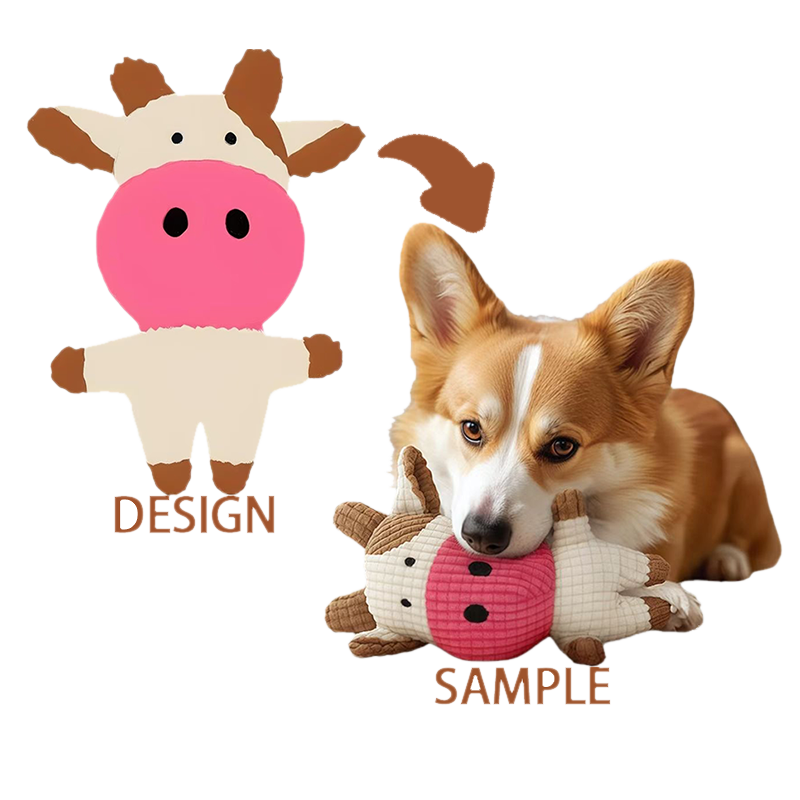
Medium-sized dogs (such as Corgis and Border Collies): Choose medium-hard rubber or nylon toys to ensure chew resistance and resistance to splintering.
Large dogs (such as Golden Retrievers and German Shepherds): Require extra-durable toys, such as high-density rubber, natural antlers, or heavy-duty nylon chew sticks.
2. Safe materials, avoiding harmful ingredients
Poor-quality toys may contain plasticizers, heavy metals, or chemical dyes, which can be harmful to your dog's health if chewed on for a long time. Consider the following when purchasing:
Food-grade rubber/silicone: Safe and non-toxic, suitable for dogs who love to chew.
Natural materials (such as antlers, tendons, and flax): No additives, chew resistance, and mineral supplements. Avoid PVC and cheap plastics: They break easily and can cause intestinal obstruction if swallowed.
3. Diverse Functions to Meet Different Needs
Chew toys with different functions can meet a variety of dog needs:
Teeth-cleaning toys (with textured or embossed designs): Help remove tartar and reduce bad breath.
Treat-filled toys: Stuffed with peanut butter or freeze-dried treats for added fun and to relieve separation anxiety.
Interactive sound-making toys (with built-in whistle): Attract attention and are suitable for dogs who like to chase and chew.
4. Bite resistance test to prevent swallowing risks
Check the toughness of the toy: High-quality toys should withstand strong chewing and not break easily.
Avoid toys that are too small or easily disassembled: Prevent your dog from swallowing fragments, which can cause choking or intestinal obstruction.
Regularly check for wear and tear: Replace any toys that are cracked or damaged.
5. Choose according to your dog's personality and preferences
High-energy dogs: Suitable toys are chew-resistant and can help them expend energy, such as rubber balls with strings. Anxious dogs: Choose toys that can be chewed for extended periods (such as a cow kneecap) to help relieve stress.
Water-loving dogs: Floating toys are a great choice and can be used in the bath or while swimming.
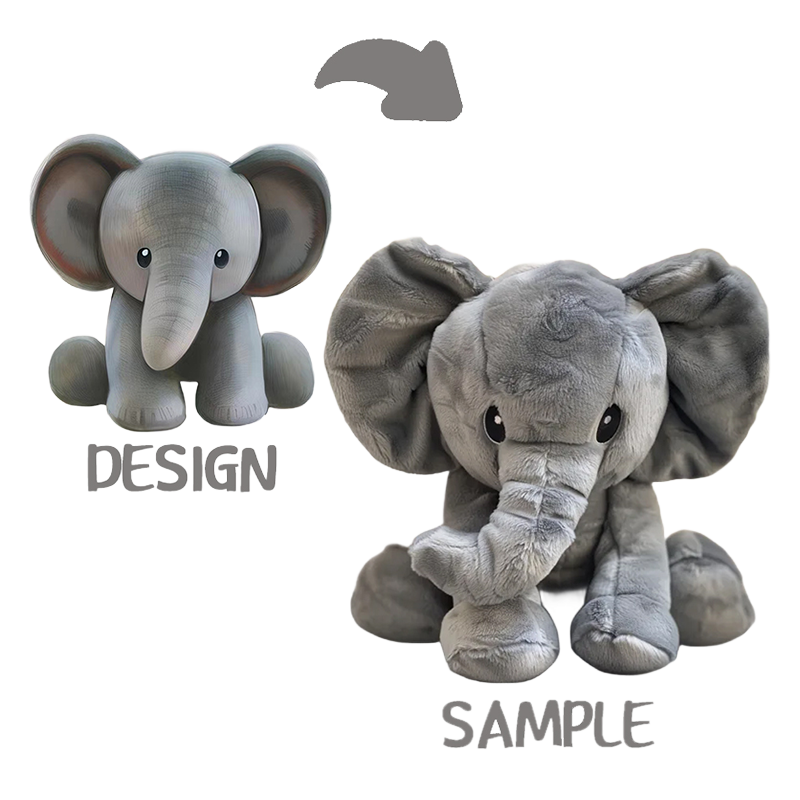
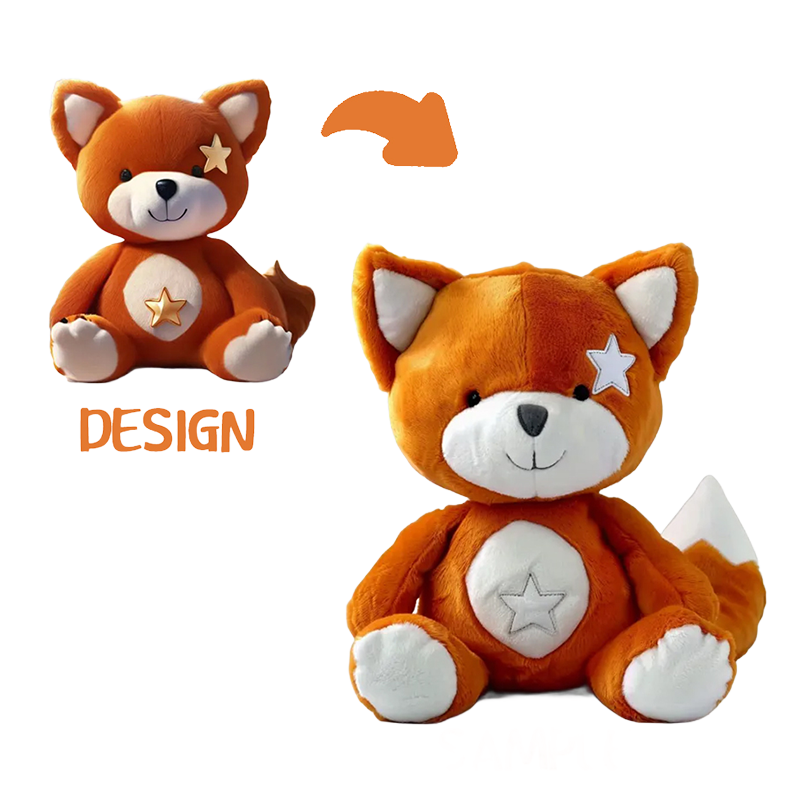
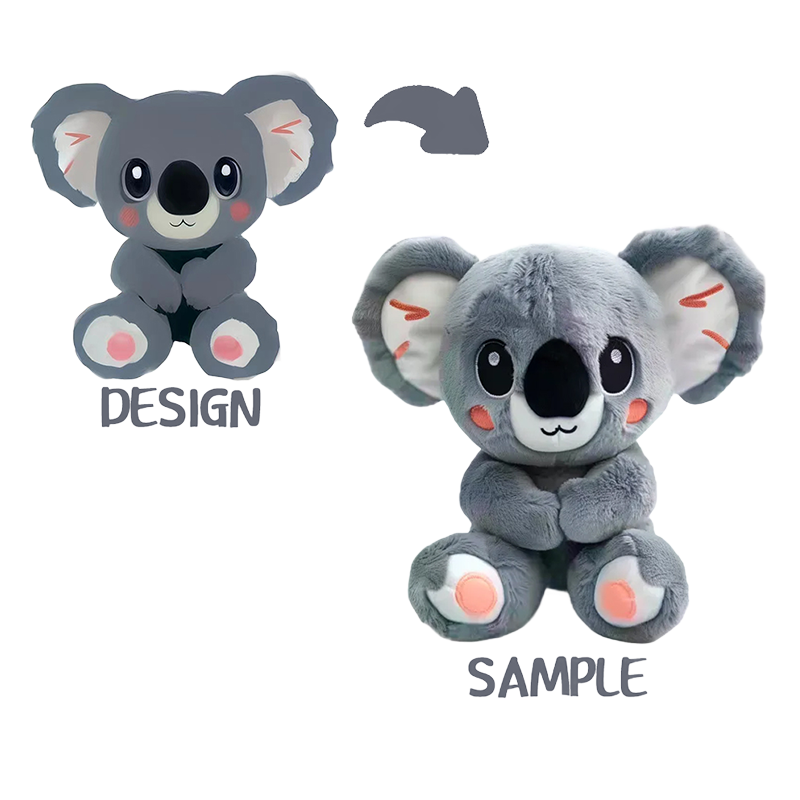
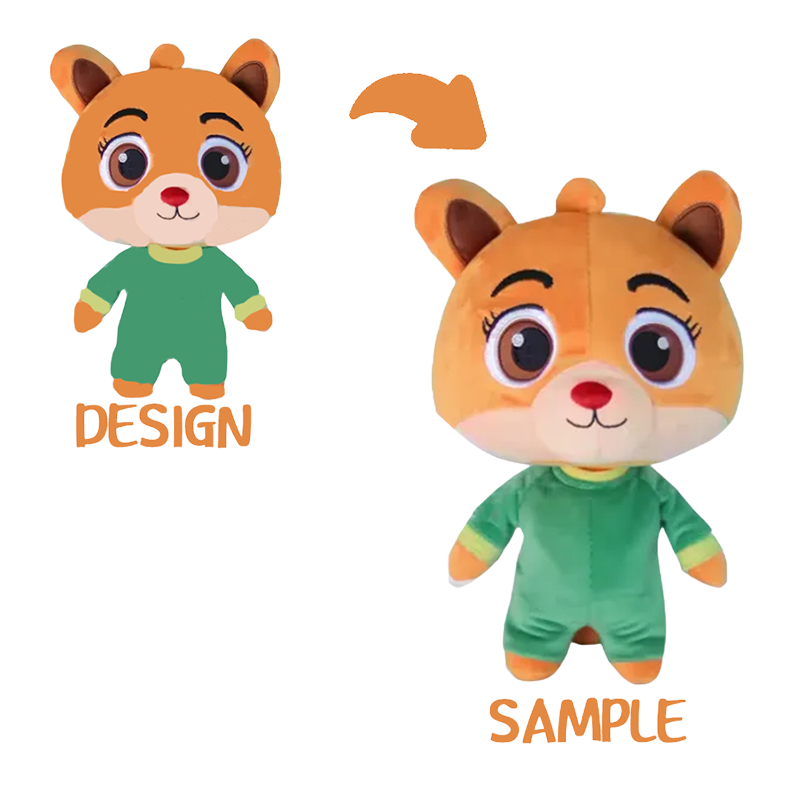
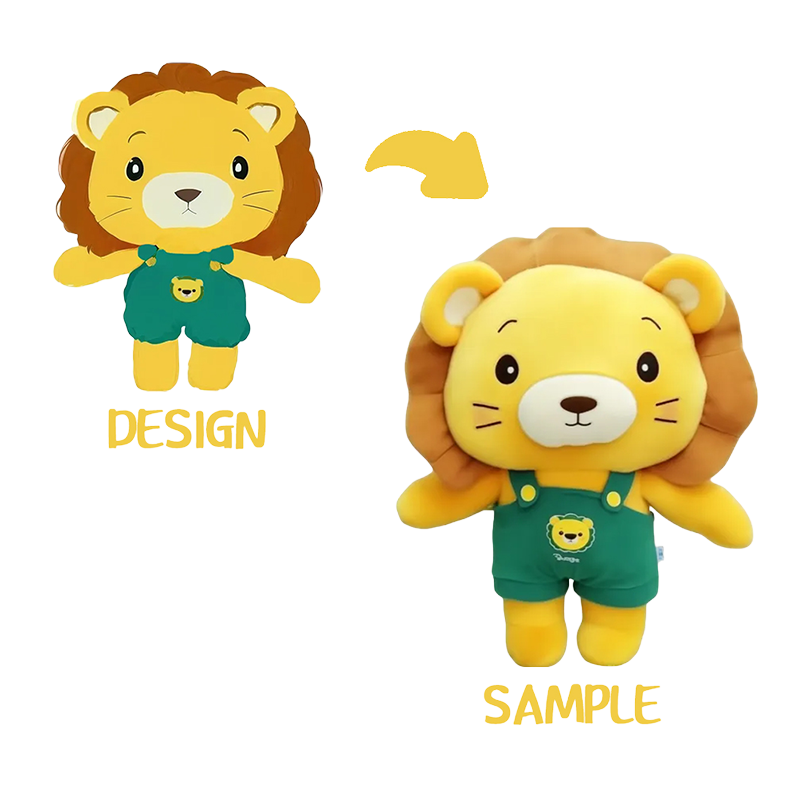
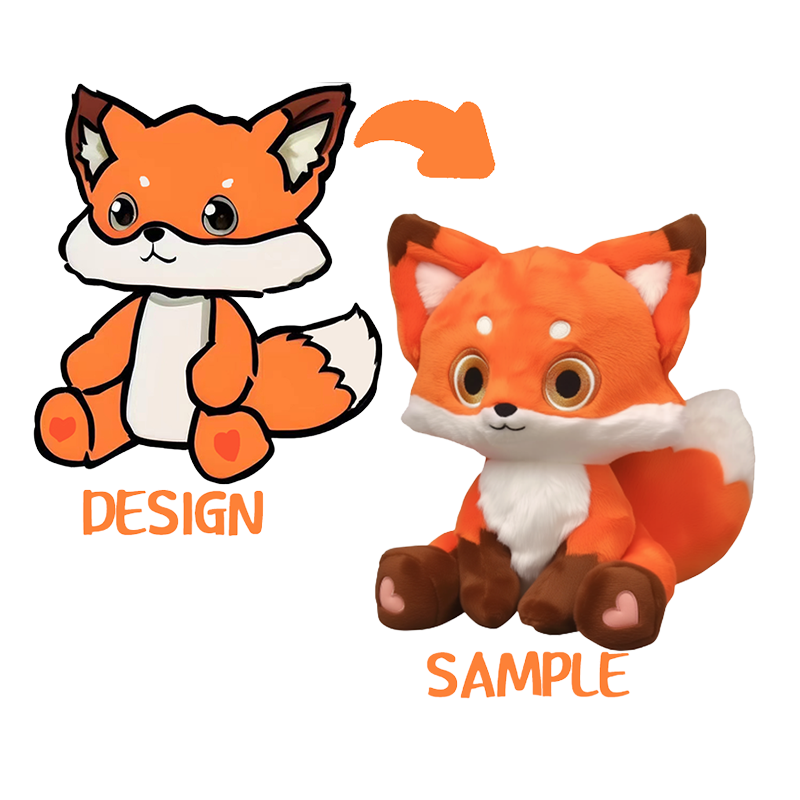
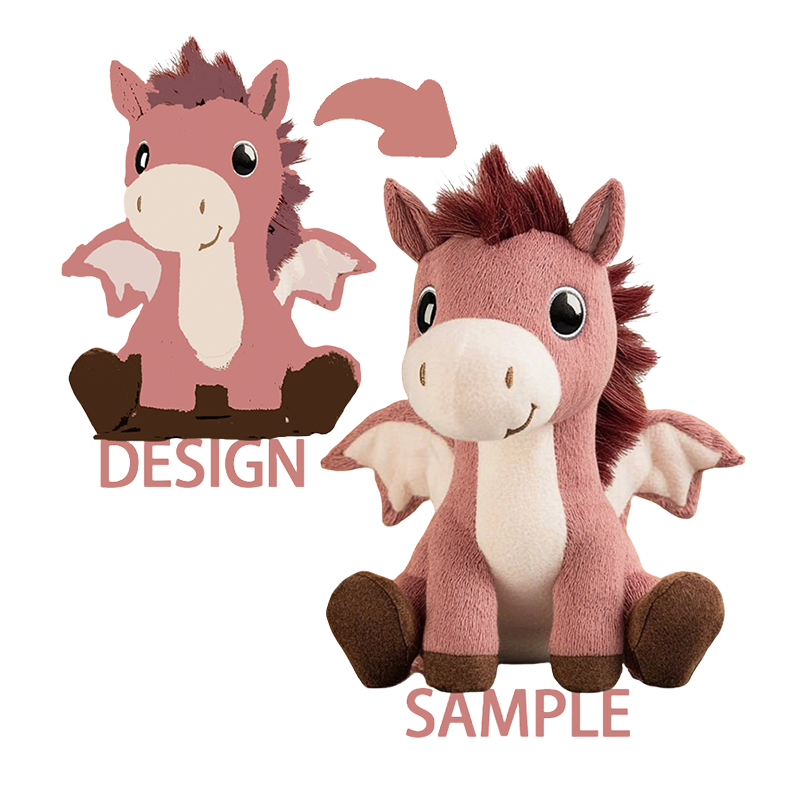
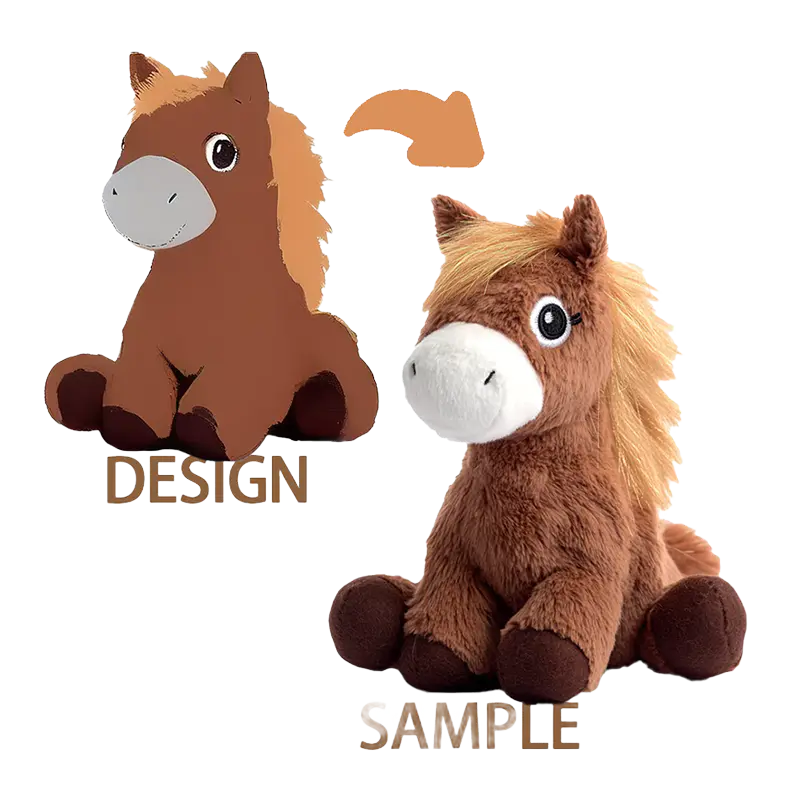
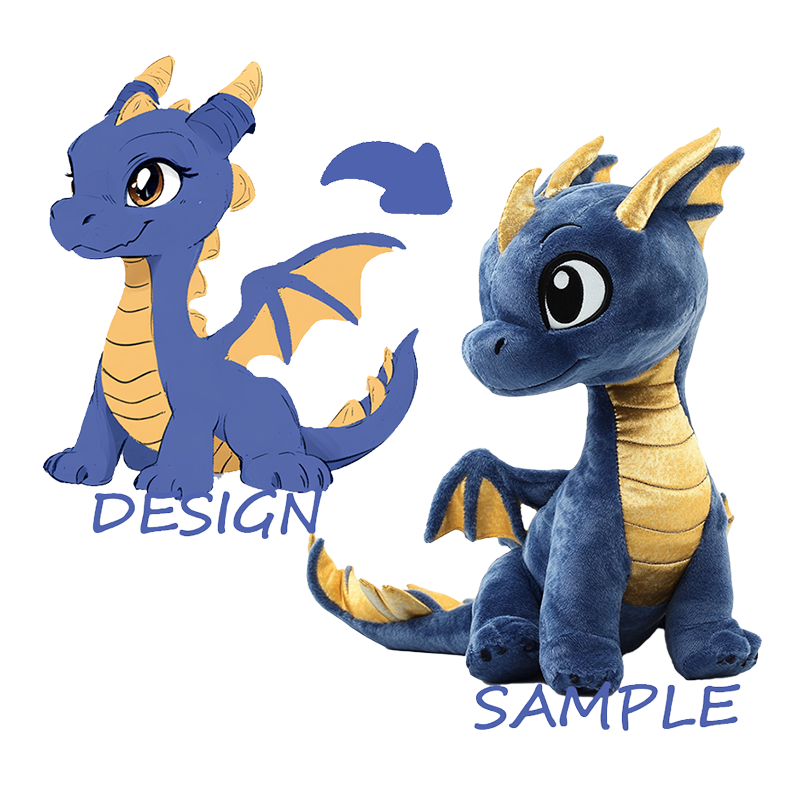
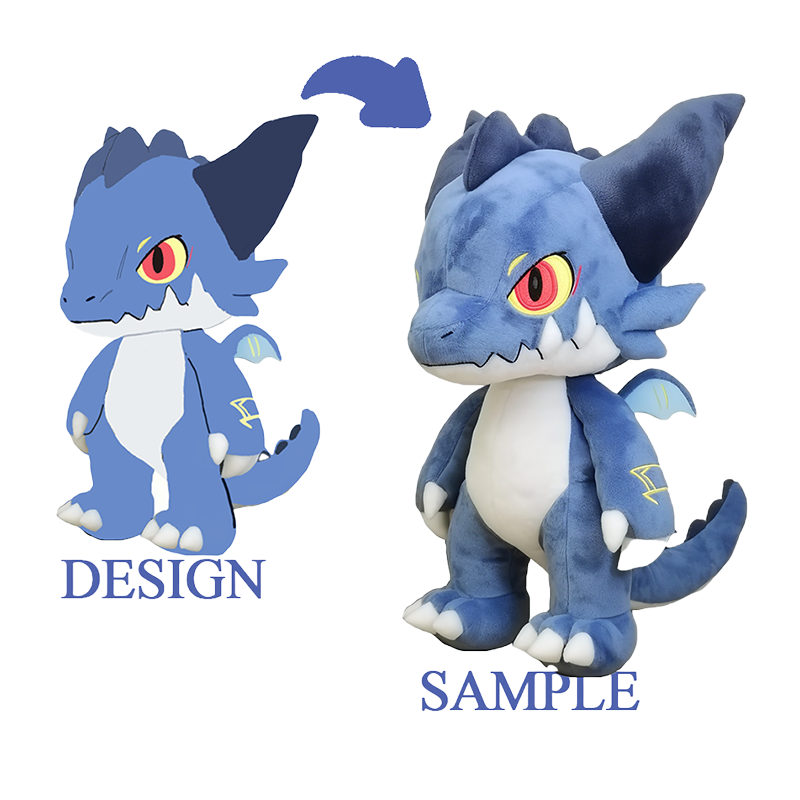
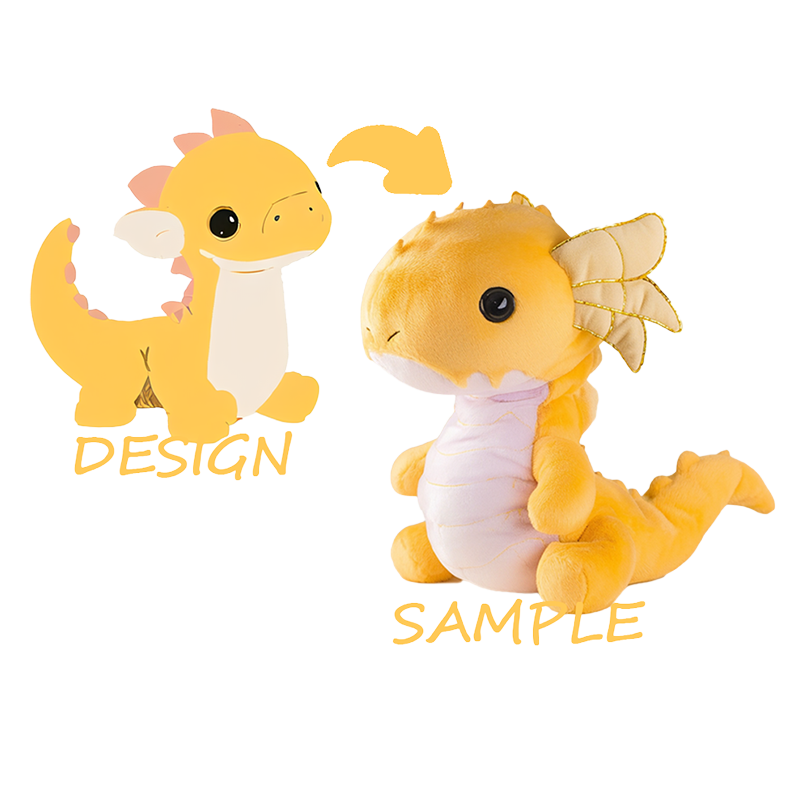
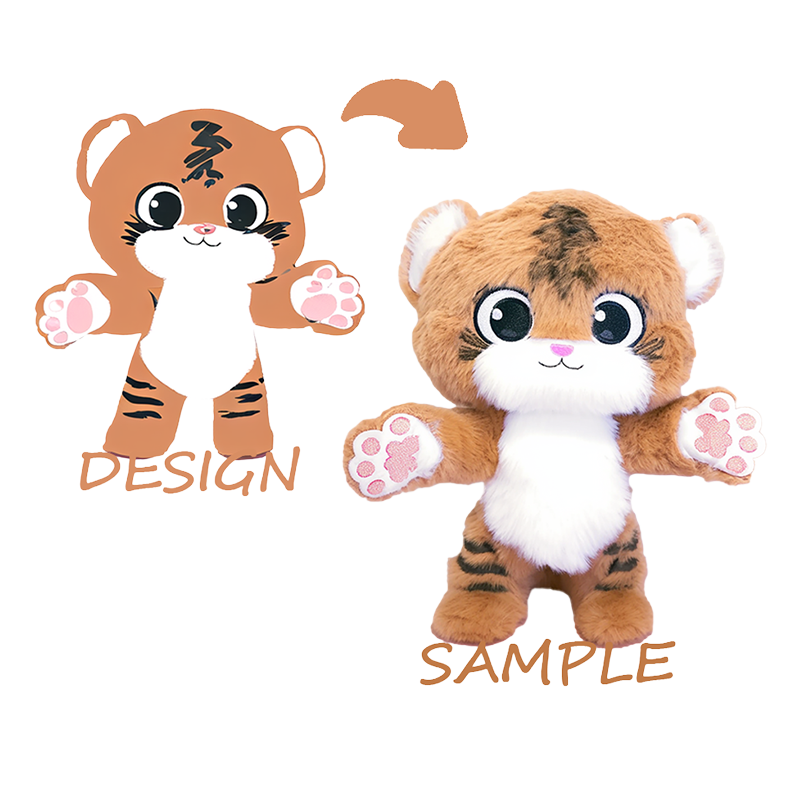
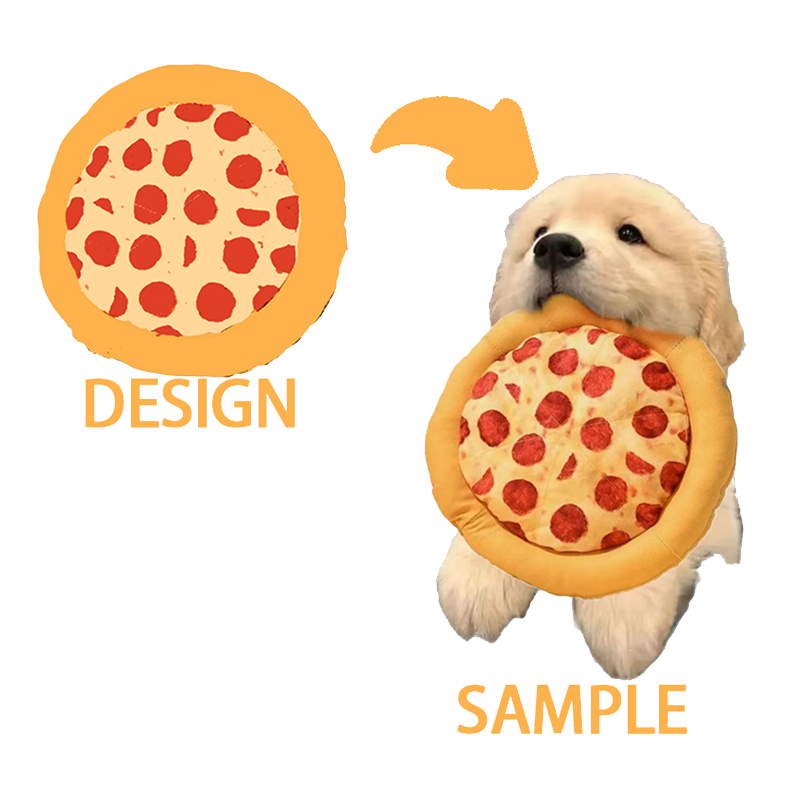
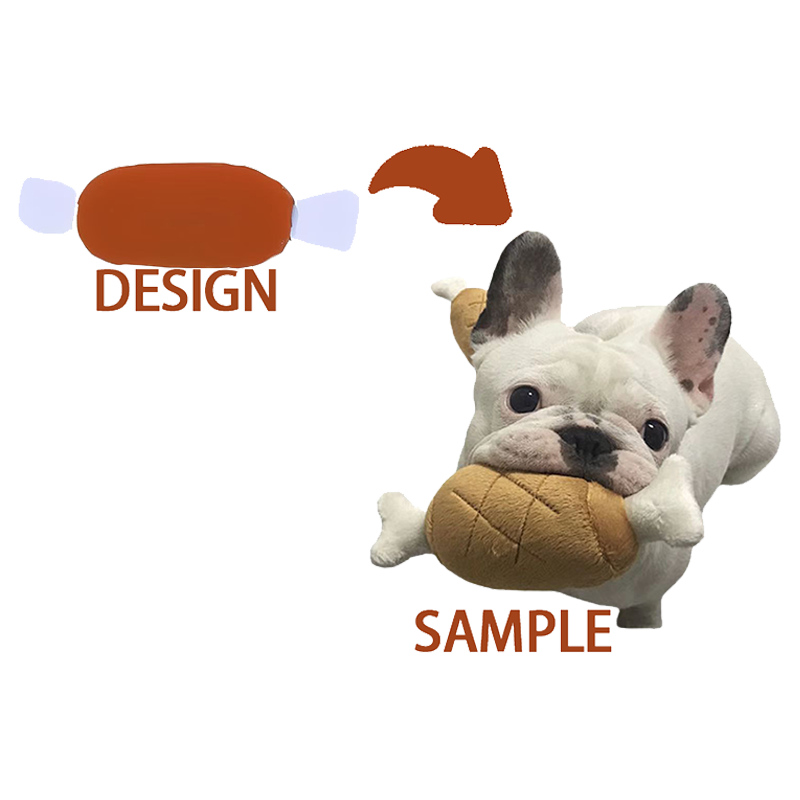
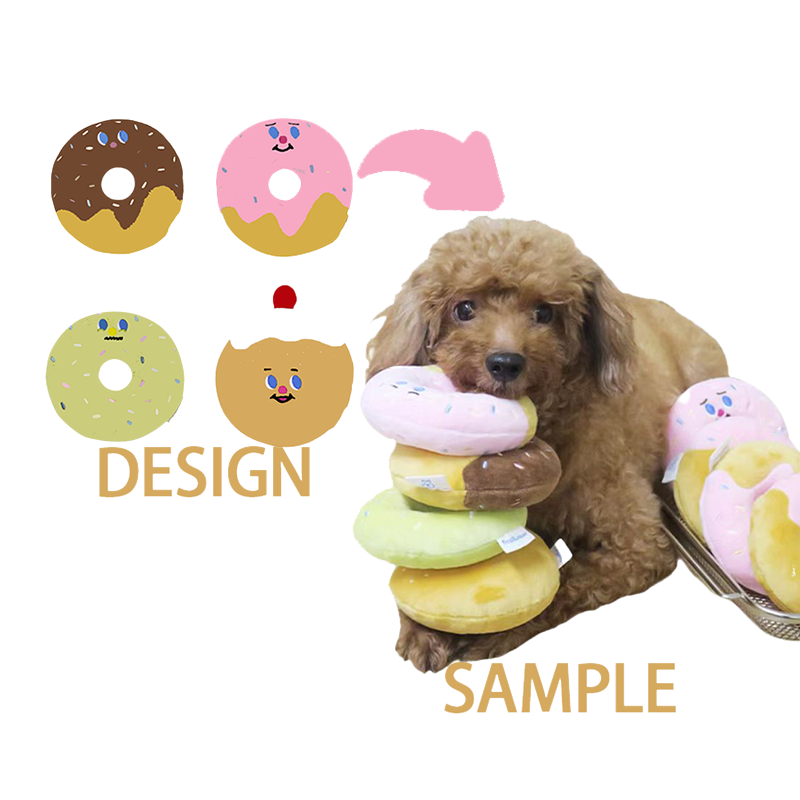
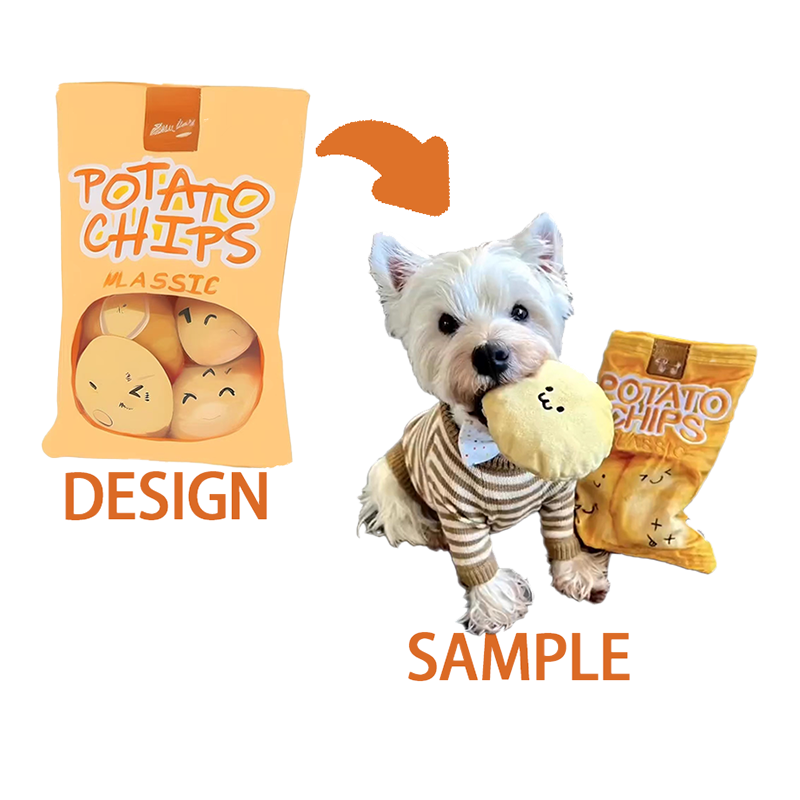
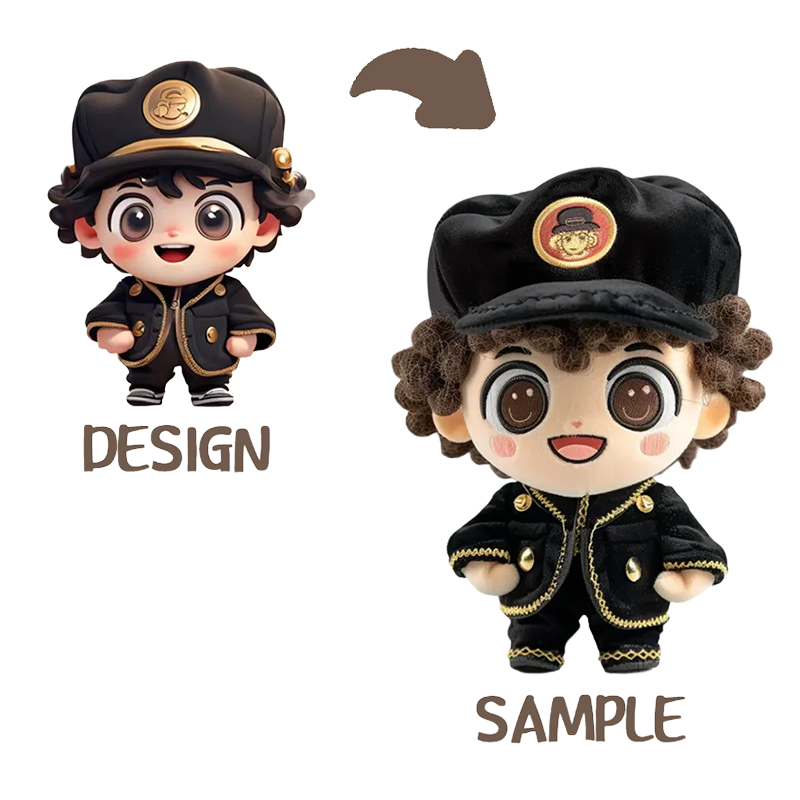
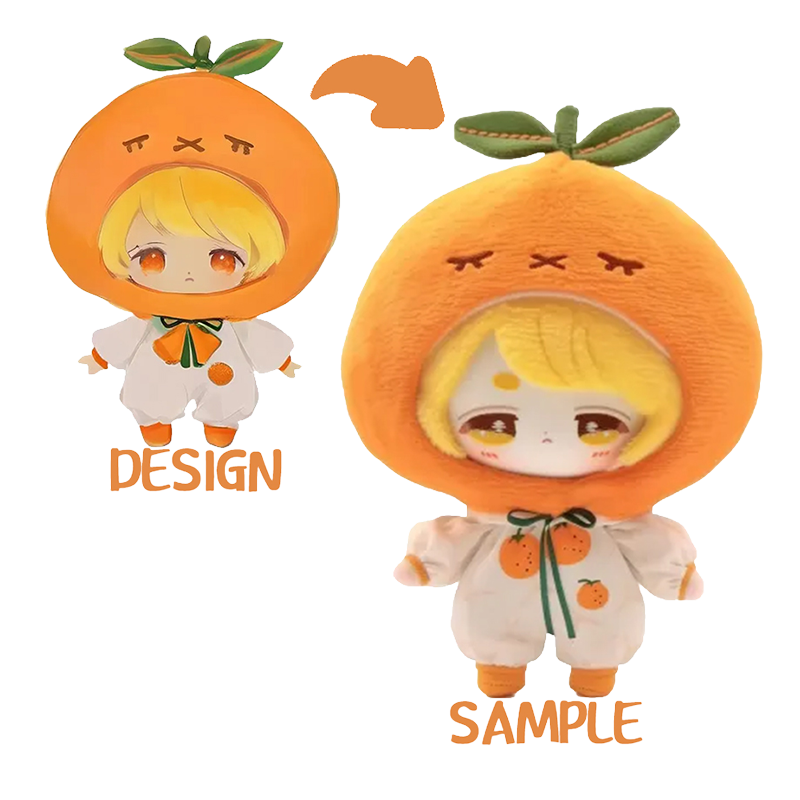
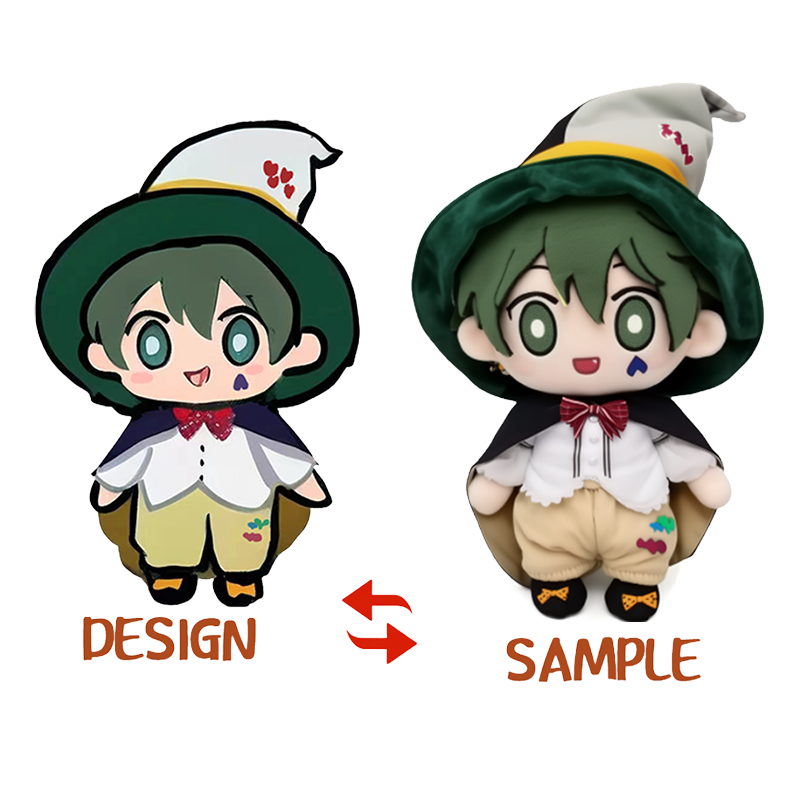
We specialize in the design and production of plush toys to provide customers with unique customized services